Sciatica Symptoms: When to Seek an Evaluation
A chiropractor can evaluate sciatica symptoms, identify warning signs, and determine whether chiropractic care may fit your condition. Advanced Injury Care Clinic checks your symptoms and recommends the next step based on your needs. We offer Free Consultations.
Request an EstimateWhat Does Sciatica Feel Like?
Sciatica usually feels like pain that travels from the lower back or buttock into the leg along the sciatic nerve.
The pain may follow the back of the thigh, calf, or foot. Some people feel lower back pain first, while others notice radiating leg pain as the main problem.
Common Signs and Symptoms of Sciatica
Sciatica symptoms can affect the back, buttock, and entire leg. The symptoms may change with sitting, standing, walking, or other movements.
Common signs include the following:
What Causes Shooting Pain From the Back Down the Leg?
Shooting pain from the back down the leg often comes from irritation or pressure around a spinal nerve. Our team looks for the likely source before recommending care.
Common causes include:
When Should Sciatica Be Evaluated?
Sciatica should be evaluated when radiating pain, numbness, or weakness persists, worsens, or interferes with walking and daily activities.
Evaluation also makes sense when symptoms change or spread farther down the leg. We review the pattern of your symptoms and check whether a disc problem, nerve irritation, or another condition may be involved.
Functional limits matter, too. Difficulty walking, standing, sleeping, working, or completing normal tasks can signal that you need a clear treatment plan.
When Do Leg Numbness or Weakness Need Urgent Medical Care?
Progressive leg weakness, severe numbness, saddle numbness, or new bladder or bowel problems need urgent medical evaluation.

Loss of bladder control or bowel control can signal a serious medical problem. Do not wait for routine chiropractic care when these warning signs appear. Seek urgent medical care immediately.
Can a Chiropractor Help With Sciatica or a Herniated Disc?
Yes, chiropractic care may help some people with sciatica or a herniated disc after an evaluation identifies the likely source of symptoms.
A chiropractor may consider a chiropractic adjustment when the examination supports it. We may also discuss spinal decompression therapy when it fits the person’s symptoms and clinical findings.
Care focuses on the cause of nerve irritation, not only the location of pain. Learn more about our sciatica treatment approach.
How We Evaluate Sciatica Symptoms
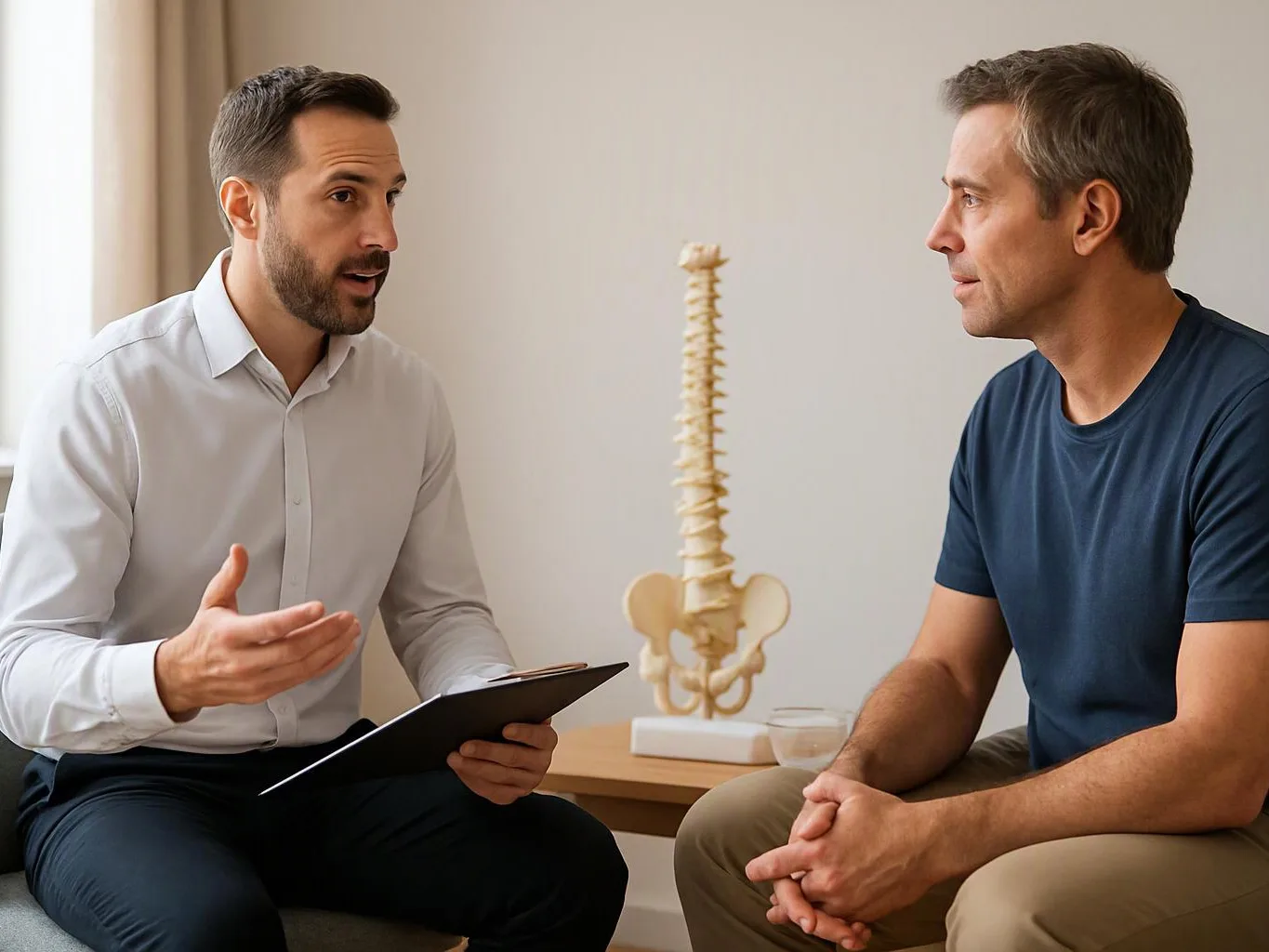
Our evaluation connects your symptoms with movement, nerve function, and spinal findings. Each step helps us decide whether chiropractic care fits your condition.
Our process includes:
What Can Help Prevent Sciatica From Returning?
Prevention often depends on reducing strain and keeping the back and hips moving well. Our team can discuss habits that support your recovery and daily function.
Helpful steps may include:
What Happens After a Sciatica Evaluation?
After a sciatica evaluation, we explain the likely cause, discuss suitable care, and identify when medical referral is needed.
Suitable treatment options may include a chiropractic adjustment, spinal decompression therapy, or home care guidance. We explain why an option may fit your findings before care begins.
If your symptoms suggest a condition outside our scope, we discuss referral for medical evaluation. Our goal is to help you take the safest next step.
Questions About Sciatica Symptoms
Can sciatica go away without treatment?
Some sciatica symptoms may improve without treatment, but Advanced Injury Care Clinic recommends an evaluation when pain persists, worsens, or affects daily function. An evaluation can also identify warning signs that need medical care.
Should I see a chiropractor or doctor for sciatica?
The right choice depends on your symptoms and warning signs. Chiropractic evaluation may fit ongoing radiating pain without urgent symptoms, while progressive weakness, severe numbness, or bladder and bowel changes need urgent medical care.
Can a herniated disc cause numbness in the leg?
Yes, a herniated disc can irritate or compress a spinal nerve and cause leg numbness. An examination helps connect the numbness with the likely source.
What should I avoid doing when sciatica is severe?
When sciatica is severe, avoid movements that sharply increase leg pain, numbness, or weakness. Avoid heavy lifting and twisting until your symptoms have been evaluated.
Advanced Injury Care Clinic offers Free Consultations to review your symptoms and discuss the next step. Contact our team for an evaluation.