Sports Injury Pain and Stiffness: When to Get Evaluated
A chiropractor for sports injuries can assess pain, stiffness, movement limits, and warning signs after activity. Advanced Injury Care Clinic evaluates the injury and may recommend sports chiropractic, corrective exercise therapy, or chiropractic adjustment when appropriate.
Request an Estimate
Sports injury pain or stiffness should be evaluated when symptoms are severe, worsening, limiting movement, or not settling with reasonable rest. A chiropractic evaluation can help identify the source of the problem and guide a safe plan.
We review the injury, check movement limits, and screen for signs that need medical care. Our Sports Chiropractic service can support recovery when the findings are appropriate for chiropractic care.
When Should You Get a Sports Injury Evaluated?
Sports injury pain or stiffness deserves an evaluation when symptoms are severe, worsening, limiting movement, or not settling with reasonable rest.
Persistent post-sports stiffness can point to a muscle strain, joint injury, or another physical injury. We assess the injury mechanism and compare the painful side with normal movement.
Get checked when pain after exercise keeps returning or affects your normal activities. A movement assessment can show whether limited range of motion, joint irritation, or muscle weakness is affecting your return to activity.
What Symptoms Can Follow a Sports Injury?
Sports injuries can affect muscles, tendons, ligaments, joints, bones, nerves, or the spine. The symptoms can vary with the injury mechanism and the tissue involved.
Symptoms may change as activity continues, so note what makes them better or worse. We use those details during the injury evaluation.
Which Sports Injury Warning Signs Need Prompt Medical Care?
Sports injuries with severe pain, visible deformity, major weakness, numbness, or head injury symptoms need prompt medical care before chiropractic treatment.
Seek prompt medical assessment for a visible change in shape, inability to bear weight, or sudden loss of strength. Numbness and tingling also need careful review because they may involve a nerve.
Head injury symptoms require medical referral, especially after an impact. We pause chiropractic care when warning signs suggest that medical testing or urgent treatment comes first.
What Commonly Causes Sports Injury Pain and Stiffness?
Sports injury pain and stiffness often come from a sudden event or repeated stress. Identifying the cause helps us choose safe care and reduce repeated strain.
Training load, technique, sleep, and prior injuries can all affect injury recovery. We consider these factors during the physical examination.
How Can You Reduce the Risk of Sports Injuries?
Sports injury prevention starts with gradual training, good movement control, and enough recovery. These habits can help your body handle activity more safely.
A safe return to sport depends on movement quality, strength, and symptom response. We can help connect those findings to a rehabilitation plan.
How Does a Chiropractor Evaluate a Sports Injury?
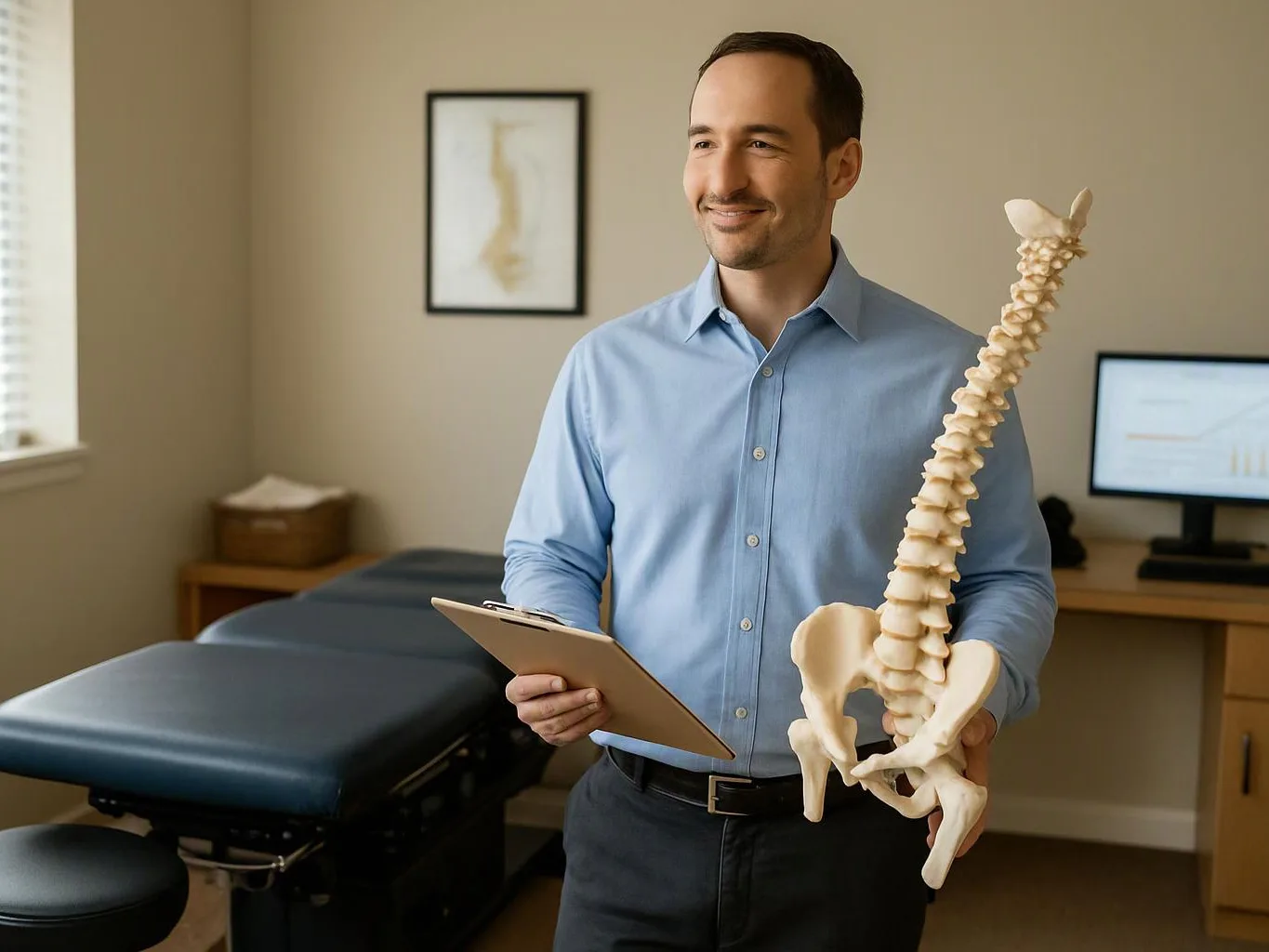
A chiropractor evaluates a sports injury by reviewing how it happened, checking movement and function, and identifying signs that need medical referral.
We begin with the injury history, including the activity, force, symptoms, and changes since the event. Our physical examination may assess posture, joint movement, range of motion, and muscle function.
We also use neurological screening when symptoms suggest nerve involvement. If the findings fall outside chiropractic care, we explain the need for medical referral.
Which Sports Chiropractic Treatments May Help?
Sports chiropractic may help when the examination shows movement or function problems that are appropriate for conservative care. Our plan may include joint mobility work, soft tissue support, rehabilitation, or activity guidance.
A chiropractic adjustment uses a controlled technique to address selected joint movement restrictions. We choose this option only when the examination supports it and the treatment is suitable for the injury.
Corrective exercise therapy can support strength, control, and steady progress. We adjust the rehabilitation plan as your symptoms and movement change.
How Can Corrective Exercise Support Recovery?
Corrective exercise therapy supports recovery by improving strength, stability, coordination, and control during movement.
We select exercises that match the affected area and your current ability. Progression should support a safe return to activity without forcing painful movement.
Good exercise choices can help restore confidence in sports movements. We use your response to guide the next step in rehabilitation.
What Should You Do Before Your Evaluation?
Before a sports injury evaluation, protect the area, record useful details, and avoid activity that increases symptoms.
These details help us connect symptoms with the injury mechanism. They also help us decide whether chiropractic care or medical referral fits your needs.
How Can Advanced Injury Care Clinic Help With Sports Injuries?
Advanced Injury Care Clinic evaluates sports injury symptoms and explains whether sports chiropractic, corrective exercise therapy, or chiropractic adjustment fits the findings.
We combine injury history, physical examination, movement assessment, and neurological screening. Our team also watches for warning signs that require medical referral.
When chiropractic care is appropriate, we build a plan around joint mobility, muscle function, rehabilitation, and return to activity. Contact Advanced Injury Care Clinic to discuss your injury evaluation.
Questions About Sports Injury Pain and Stiffness
Can a chiropractor help with a sports injury?
Yes, Advanced Injury Care Clinic can help with sports injuries that are suitable for conservative chiropractic care. We first check the injury and refer you for medical care when warning signs require it.
Should I see a chiropractor for sports injury stiffness?
Yes, persistent sports injury stiffness can be evaluated when it limits movement or affects daily activity. Care depends on the examination findings and any warning signs.
Can sports injuries cause pain after activity ends?
Yes, sports injuries can cause pain after activity ends because irritated tissues may remain sensitive after loading stops. Repeated or worsening pain deserves an injury evaluation.
What happens during a sports injury chiropractic evaluation?
A sports injury chiropractic evaluation includes a review of how the injury happened and an examination of movement, function, and neurological signs. We use those findings to discuss safe care or medical referral.