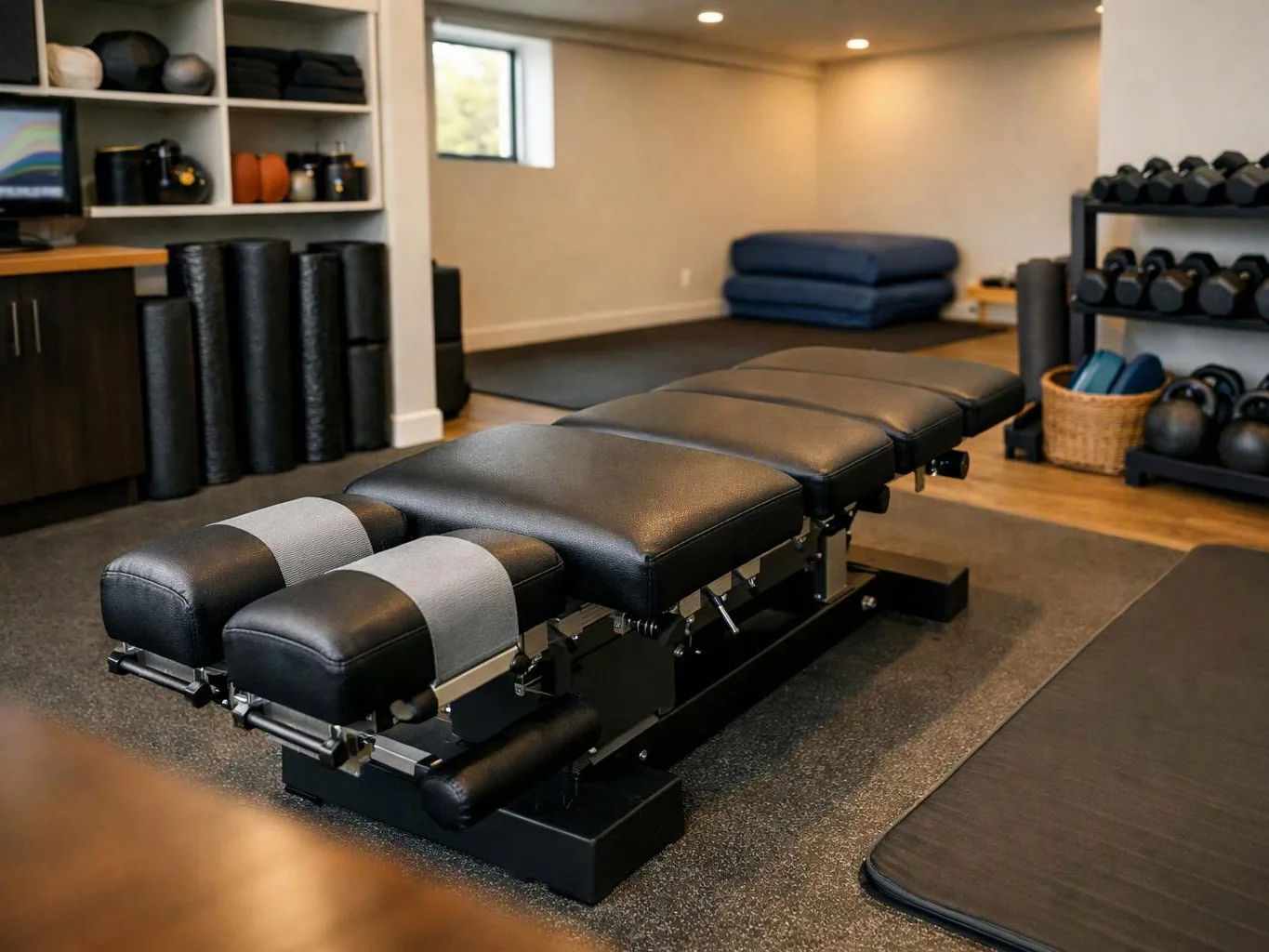
What Research and Guidelines Say About Chiropractic Care for Back and Neck Pain
Evidence suggests chiropractic care, including spinal manipulation, can help some people with back and neck pain as part of conservative care. Advanced Injury Care Clinic considers symptoms, risks, goals, and exercise needs before recommending care.
Request an EstimateWhat Does the Evidence Say About Chiropractic Care for Back and Neck Pain?
Chiropractic care is supported by research and clinical guidelines for selected cases of back pain and neck pain within conservative care.
Research supports chiropractic care as one conservative option for some back and neck pain, but results depend on the condition, goals, and treatment plan. Clinical research often studies spinal manipulation as part of a broader plan that may include education and exercise.
Evidence doesn't establish that one treatment works for every person. We review the symptoms and expected benefits before recommending hands-on care.
Does Chiropractic Adjustment Help Low Back Pain?
Yes, chiropractic adjustment may help some people with low back pain, especially when combined with active care and movement.
Spinal manipulation may support pain relief, mobility, and function for selected low back pain cases. The possible benefit depends on the cause of pain, symptom pattern, and response to care.
We may pair hands-on treatment with mobility work, strength exercise, and advice for daily activity. This approach helps keep recovery focused on useful movement and patient goals.
Our Back Pain Treatment approach starts with a clinical history and movement assessment.
Does Spinal Manipulation Help Neck Pain?
Yes, spinal manipulation may help some neck pain, but a careful history and safety screening should guide its use.
Neck pain can involve the cervical spine, surrounding muscles, joints, or nerves. Manual therapy may support neck mobility and may help some headache symptoms linked to the neck.
We screen for warning signs before considering cervical manipulation. We also discuss other options when the risks or goals make a different plan more suitable.
What Do Clinical Guidelines Say About Spinal Manipulation?
Clinical practice guidelines generally place spinal manipulation among conservative options, alongside education, exercise, and other appropriate care.
Guidelines don't treat manual therapy as a complete plan for every patient. They support care that considers safety, patient preferences, self-management, and functional goals.
Our decisions follow the person's symptoms and examination findings. Shared decision-making keeps the patient involved in choosing suitable conservative treatment.
| Care element | How it may support recovery |
|---|---|
| Spinal manipulation | May support movement and symptom relief for selected cases. |
| Manual therapy | Uses hands-on techniques to address movement and comfort. |
| Exercise therapy | Builds active movement, strength, and self-management skills. |
| Education and shared decision-making | Connects treatment choices with risks, goals, and daily needs. |
| Red-flag screening | Helps identify when medical evaluation should come first. |
Guideline recommendations work best when care is adjusted to the patient. We review progress and change the plan when symptoms or function change.
How Does Chiropractic Care Compare With Exercise-Based Care?
Chiropractic care and exercise-based care serve different roles, and combining hands-on care with active movement may support broader recovery goals.
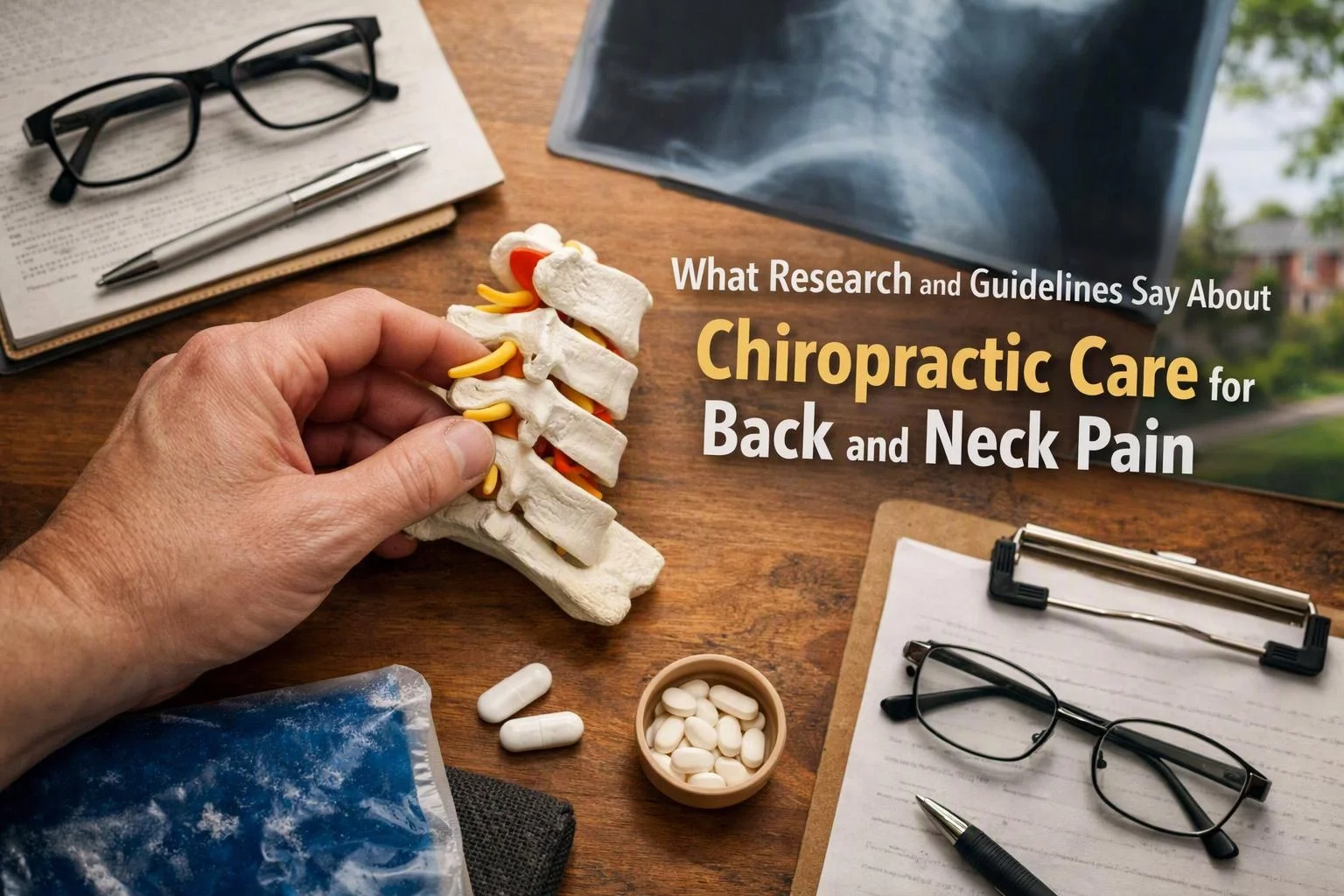
Passive care may help comfort and mobility during a flare. Active rehabilitation focuses on strength, motor control, confidence, and daily activity.
Corrective exercise therapy gives patients skills they can use between visits. We choose exercises that match movement limits, symptoms, and treatment goals.
| Approach | Main role | Patient involvement |
|---|---|---|
| Chiropractic adjustment | May support mobility and symptom relief. | Shares symptoms and feedback during care. |
| Corrective exercise therapy | Builds strength, control, and movement confidence. | Practices exercises and tracks response. |
| Active rehabilitation | Connects recovery with work and daily activity. | Works toward functional goals through movement. |
These approaches can work together when the plan is appropriate. We explain how each part supports pain and function before care begins.
When Should Back or Neck Pain Be Evaluated Before Chiropractic Care?
Back or neck pain with warning signs needs medical evaluation before spinal manipulation or other conservative treatment.
Red flags can point to trauma, infection, nerve problems, or other serious underlying conditions. We pause routine care when the history suggests that medical assessment should come first.
These signs don't diagnose a condition by themselves. We use them to decide whether conservative care is suitable and whether referral is needed.
What Outcomes Should Patients Track During Conservative Care?
Patients should track pain, movement, strength, sleep, and daily function so the care plan can respond to meaningful changes.
Patient-reported outcomes show how symptoms affect real activities. We compare these reports with examination findings and the patient's goals.
Tracking these outcomes helps separate short-term comfort from lasting functional improvement. We use the pattern over time to guide progress review and care planning.
How We Use Evidence to Plan Back and Neck Pain Care
Advanced Injury Care Clinic uses the clinical history, physical examination, and patient goals to build an individualized care plan.
We assess movement, strength, symptom behavior, and safety concerns before considering a chiropractic adjustment. We explain the expected role of spinal manipulation and discuss corrective exercise therapy when active care fits the patient's needs.
Our team reviews progress through symptoms, function, and patient feedback. We adjust care when the response doesn't match the goals.
What Questions Should You Ask Before Starting Chiropractic Care?
Patients should ask how the proposed care connects with their symptoms, goals, and safety needs.
Clear answers support shared decision-making and help patients understand what progress may look like. Useful questions include:
Advanced Injury Care Clinic answers these questions during care planning. Our goal is a clear plan that respects symptoms, risks, and patient goals.