Pediatric Chiropractic Care: What Parents Should Know Before a Visit
Questions to ask about pediatric chiropractic care should cover your child’s health history, the reason for care, examination methods, proposed approach, safety considerations, consent, and follow-up; Advanced Injury Care Clinic uses the consultation to discuss these points with parents.
Request an Estimate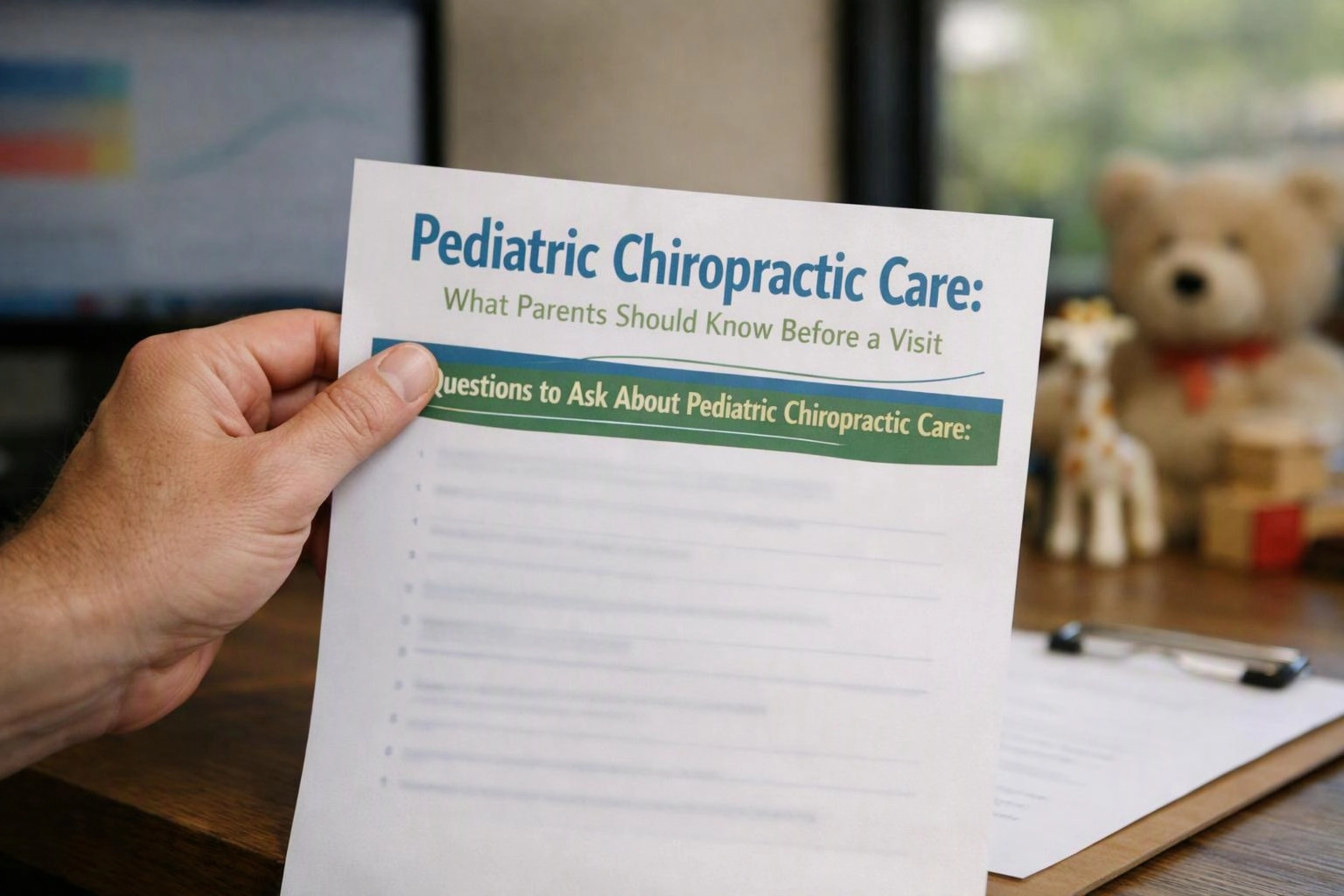
What Should Parents Ask Before Pediatric Chiropractic Care?
Pediatric chiropractic care should begin with a clear discussion of why care is being considered and whether the proposed approach fits the child’s needs. Advanced Injury Care Clinic uses the chiropractic consultation to review the child’s history, explain the examination, and answer parent questions.
Parents should ask what the examination includes, how the child’s health history will guide the assessment, and what care options may be appropriate. Questions about safety, communication, and informed consent help the parent or guardian take part in each decision.
What Health History Should Parents Share?
A child’s health history should include current symptoms, medical history, birth history, developmental history, medications, previous injuries, and existing diagnoses. These details help us understand the child’s health context before we discuss any care approach.
Parents can also describe changes in movement, activity, sleep, posture, or comfort. We review the information with the parent or guardian and use it to guide an age-appropriate assessment.
How Can Parents Prepare a Child for the Consultation?
Child preparation can make a pediatric consultation easier by helping the child understand what to expect and feel comfortable asking questions.
What Happens During a Pediatric Chiropractic Visit?
A pediatric chiropractic visit begins with discussion of the child’s history and concerns, followed by an age-appropriate assessment and an explanation of whether proposed care is appropriate.
The chiropractic consultation may include a review of the patient history, posture, movement patterns, and areas of concern. We communicate with the parent or guardian throughout the physical examination and explain what we observe before discussing a care plan.
The child’s comfort and communication guide the pace of the visit. Parents can ask why an assessment is being performed, what the findings may mean, and how the proposed approach connects with the child’s care goals.
What Signs Should Parents Discuss With the Chiropractic Team?
Child symptoms that affect movement, comfort, or daily activities should be discussed during a pediatric assessment. Parents can describe what they observe and explain when the change began.
Useful details include the child’s own words, changes noticed during play, and any activity the child avoids.
What Common Causes Can Lead Parents to Seek a Pediatric Evaluation?
Parents may seek a pediatric evaluation when a child has a musculoskeletal concern that affects comfort, movement, or participation. The reason for the visit helps us focus the history and examination.
Common concerns discussed with our team include:
How Does Advanced Injury Care Clinic Approach Parent Questions?
Advanced Injury Care Clinic discusses the child’s history, current concerns, examination findings, care options, and follow-up expectations with parents before care decisions are made.
We invite the parent or guardian to ask questions throughout the pediatric chiropractic evaluation. Our team connects recommendations to the child’s clinical history and explains what we are assessing in clear, age-appropriate language.
Parent participation remains part of the process. We discuss whether additional medical input or referral considerations may be appropriate when the child’s concerns fall outside the purpose of chiropractic care.
What Prevention Steps Can Support a Child’s Musculoskeletal Health?
Musculoskeletal health is supported by safe activity, balanced movement, and attention to changes in comfort or function. Parents can observe daily habits and share concerns early.
Our team can discuss practical ways to support movement and injury prevention based on the child’s activities and examination findings.
How Should Parents Evaluate a Proposed Care Plan?
A proposed care plan should have a clear purpose, reflect the child’s history and examination, explain parent consent, and identify how progress will be reviewed.
Parents should ask which treatment goals the plan addresses and how the child’s response will be monitored. We explain the recommended approach, invite questions, and make room for parent or guardian participation before care begins.
Clinical communication should continue throughout care. Parents can ask when the plan will be reviewed and what changes should lead to a new discussion.
What Should Parents Ask About Follow-Up and Ongoing Communication?
Follow-up care should explain how the child’s response will be monitored and when the care plan will be reviewed.
Parents should ask which changes to symptoms, movement, posture, activity, or sleep should be reported. We also discuss when additional medical evaluation or referral may be appropriate.
Clear parent communication helps connect each follow-up discussion with the child’s current needs. Parents can bring new questions or observations to every care plan review.
Questions About Pediatric Chiropractic Visits
Can parents stay with their child during a pediatric chiropractic consultation?
Yes, parents or guardians can discuss staying with the child during the consultation with Advanced Injury Care Clinic. Parent presence supports communication, comfort, and informed consent throughout the visit.
What records should parents bring to a pediatric chiropractic visit?
Parents should bring relevant medical history, birth history, developmental information, medication details, previous injury information, and existing diagnosis records. These details help us understand the child’s concerns before the physical examination.
How should parents explain chiropractic care to a child?
Parents should explain that chiropractic care includes a conversation about how the child feels and an age-appropriate assessment of movement and comfort. Simple, honest language helps the child ask questions and share concerns.
What should parents do if a child is uncomfortable during an examination?
Parents should tell the chiropractic team when a child is uncomfortable so the examination can pause and the concern can be discussed. The child’s comfort and parent consent guide how we proceed.
When should parents discuss a child’s symptoms with the child’s primary medical team?
Parents should discuss symptoms with the child’s primary medical team when concerns are new, persistent, worsening, linked with a significant injury, or outside the purpose of a chiropractic evaluation. We can discuss referral considerations when the child’s history or examination suggests that additional medical evaluation may be appropriate.
Discuss Your Child’s Chiropractic Questions With Our Team
Advanced Injury Care Clinic uses the consultation to review your child’s health history, answer parent questions, discuss informed consent, and explain follow-up care. Our team provides Free Consultations so parents can discuss the child’s concerns before making care decisions.
Contact Advanced Injury Care Clinic to discuss pediatric chiropractic care with our team.