How can massage therapy help muscle pain?
Blood circulation may improve when massage therapy loosens tight soft tissues and supports muscle movement. Our team also checks range of motion and related symptoms, because pain can involve an injury beyond the muscle. The care plan may pair hands-on work with corrective exercises, spinal adjustments, or practical self-care guidance.
What should I ask before agreeing to massage therapy?
Treatment goals, affected areas, related symptoms, and the full care plan should be clear before treatment begins. Ask how the assessment guides hands-on work and whether other services are part of the plan. Our team explains the proposed approach during the consultation and answers questions about suitability.
Which condition changes the time needed for massage care?
The condition that changes treatment time is the extent of muscle tension, soft-tissue sensitivity, and movement loss. Injury history also matters when symptoms involve whiplash, back pain, or headaches. We assess these factors before care and explain what the visit includes.
How is massage therapy matched to my symptoms?
A health history and movement exam match massage therapy to your symptoms. We check pain location, muscle tension, range of motion, and related injury signs. Those findings guide whether hands-on care stands alone or joins chiropractic adjustments, corrective exercises, or therapeutic modalities.
What should I bring to a first massage appointment?
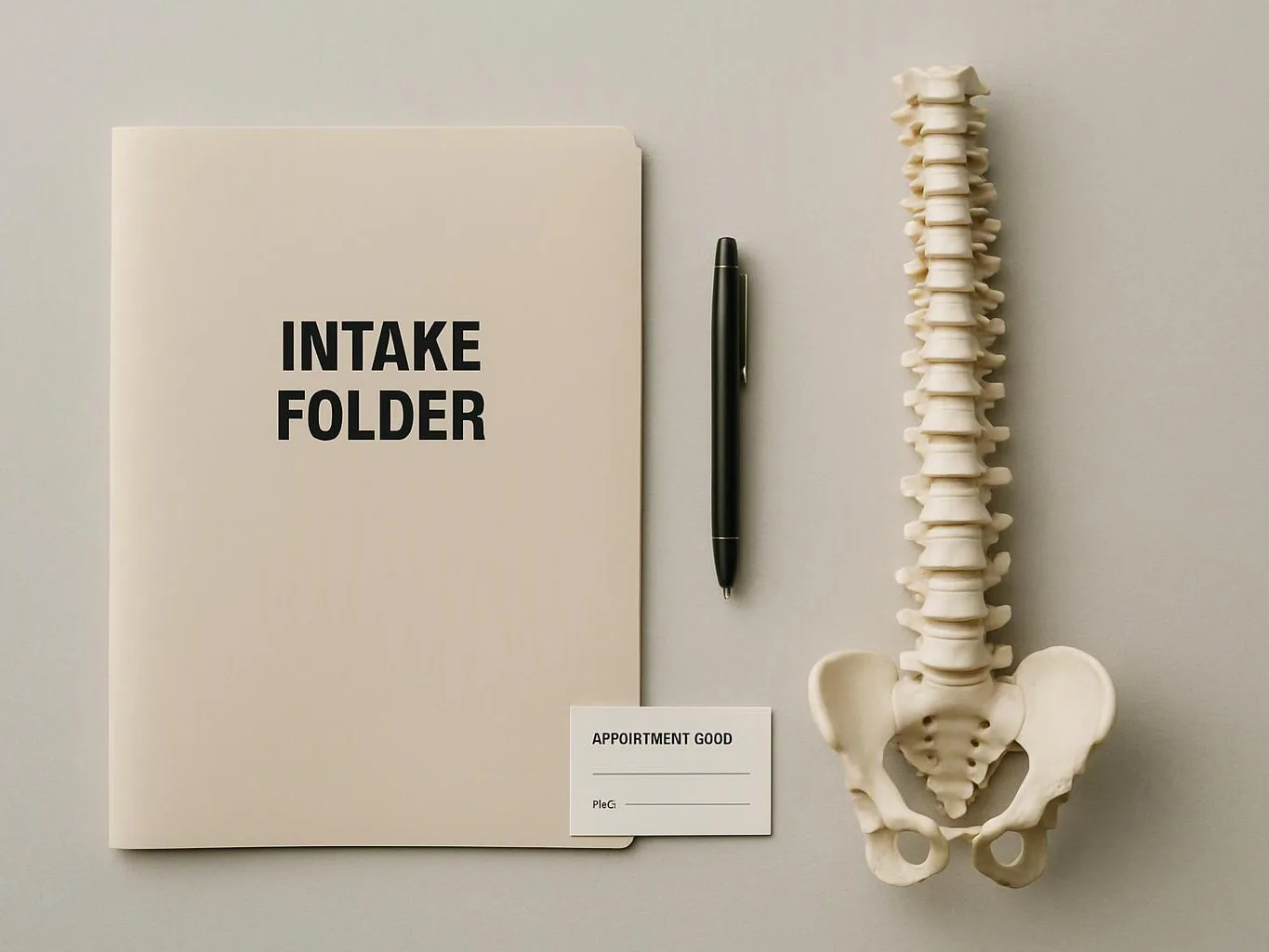
Your symptom history, injury details, medication information, and questions help our team plan the first visit. Bring reports or records that explain a recent accident or ongoing condition when available. The assessment still guides care, so you won't need to choose a technique before arriving.
Can massage care address pain after an automobile accident?
Massage care may address muscle tension after an automobile accident when the assessment supports it. Our team checks for whiplash, neck pain, back pain, headaches, and movement limits before treatment. Broader injury care may be needed when symptoms involve joints, nerves, or more than soft tissue.
When should muscle pain receive a full injury assessment?
Muscle pain deserves a full injury assessment when it follows an accident, limits movement, spreads, or comes with headaches or numbness. Our team reviews the symptoms before choosing hands-on treatment. An assessment helps separate routine tension from concerns that need a broader care plan.