Skip to content

Pediatric Chiropractic Care in Forest Hills, Tennessee

Movement limitations can keep a child from playing, learning, or resting well in Forest Hills. We assess comfort, communication needs, and care tolerance before planning treatment.

Upfront, Transparent PricingServing 18 CommunitiesMon-Fri: 9 am–7 pm, Sat: 9 am–2 pm, Sun: ClosedFast Scheduling

Quick Summary: Pediatric Chiropractic Care in Forest Hills, Tennessee

Pediatric Chiropractic Care in Forest Hills helps children with movement concerns through evaluations, spinal adjustments, exercises, and soft-tissue care. Advanced Injury Care Clinic serves Forest Hills, Brentwood, Williamson County, and nearby Nashville-area communities.

  • What we do: Advanced Injury Care Clinic provides Pediatric Chiropractic Care for children in Forest Hills, Tennessee, with evaluations, spinal adjustments, exercises, and soft-tissue techniques.
  • What is included: Child-focused health history reviews, movement checks, gentle adjustments, corrective exercises, soft-tissue techniques, and care guidance.
  • What you get: Children receive a care plan that addresses comfort, movement, and safe participation in daily activities.

Why do movement limitations keep affecting my child?

Movement limitations may relate to joint motion, muscle tension, injury, or an underlying condition. A child-focused exam helps identify concerns that may guide care or referral.

Pediatric Chiropractic Care for Movement Concerns in Forest Hills

Pediatric Chiropractic Care focuses on children whose movement, comfort, or daily activity has changed. The work may address back pain, neck pain, headaches, joint concerns, muscle tension, or strain after sports and other activities.

The key decision is fit. A child who cannot describe symptoms clearly may need more careful observation during the exam, while treatment anxiety can affect how care is introduced. We explain each step and adjust the plan to the child’s communication needs and care tolerance.

This page serves families seeking child-focused injury and musculoskeletal care, not a substitute for urgent medical treatment. Severe symptoms, major trauma, or signs of serious illness need medical assessment before chiropractic care.

  • Review the child’s health history, symptoms, and daily movement.
  • Discuss treatment anxiety and communication needs before hands-on care.
  • Check whether underlying conditions could change the care plan.
  • Set practical goals for comfort, mobility, and daily activity.
  • Explain follow-up care and home exercises in plain language.
A flat lay shows sewing tools, fabric rolls, a tape measure, a blank card, a pen, a tablet, and a small skeleton model

Service Overview

Pediatric Chiropractic Care is a child-focused service that assesses movement and supports musculoskeletal function with suitable hands-on care and exercises.

  • Unlike general wellness advice, this care begins with a health history and exam that consider a child’s age, communication, comfort, and health concerns.
  • Forest Hills families can receive this care through our clinic, which serves Williamson County and nearby Nashville-area communities.

What Child-Focused Chiropractic Visits Include

Advanced Injury Care Clinic provides comprehensive Pediatric Chiropractic Care in Forest Hills. Here's what you get:

  • A comprehensive evaluation reviews the child’s health history, symptoms, movement, and comfort.
  • A report of findings explains what the assessment shows and which care options fit.
  • Spinal adjustments are selected and performed with attention to the child’s size, comfort, and tolerance.
  • Corrective exercises help support movement between visits when they suit the child’s needs.
  • Soft-tissue techniques may address muscle tension linked to discomfort or limited movement.
  • Practical guidance helps parents support safe activity and follow-up at home.

A client scenario this service addresses

A child in Forest Hills may arrive after sports activity, a fall, or ongoing strain with limited movement and difficulty describing the problem. We review the health history, observe movement, and discuss care tolerance before choosing adjustments, exercises, or soft-tissue work. If symptoms suggest a medical concern outside chiropractic care, we direct the family toward appropriate medical assessment.

What Families Receive From Child-Focused Chiropractic Care

A careful fit check

The first visit helps determine whether chiropractic care suits the child’s symptoms, health history, and comfort. This service is the wrong fit for severe trauma, urgent medical symptoms, or concerns needing another type of care first.

Communication built into care

Children may describe discomfort in different ways, so we watch movement and ask simple questions. Parents receive plain explanations before care begins.

Support for daily activity

The plan connects treatment with useful goals such as easier movement, improved comfort, and participation in normal activities.

Process

How We Plan and Deliver Child-Focused Care

1

Review the health history

We discuss symptoms, activity changes, prior injuries, underlying conditions, and the child’s communication needs.

2

Assess movement and comfort

The exam looks at movement, posture, muscle tension, joint motion, and the child’s tolerance for each step.

3

Explain the findings

A report of findings connects the assessment to practical care options, including when another medical evaluation is more suitable.

4

Choose suitable treatment

We may use gentle spinal adjustments, soft-tissue techniques, or corrective exercises when they fit the child’s needs.

5

Review home guidance

Parents receive practical instructions for activity, exercises, and follow-up based on the child’s care plan.

How Pediatric Care Supports Easier Daily Movement

A child receives an assessment that considers symptoms, behavior, communication, and movement together.

Parents get clear guidance about care options and what to watch between visits.

Gentle treatment choices may improve comfort and mobility when they fit the child’s condition.

Corrective exercises give families practical ways to support movement outside the clinic.

A personalized care plan helps connect treatment with play, school, rest, and daily activities.

Choosing the Next Step for a Child’s Movement Concern

This comparison shows how the concern guides the next step, without promising that one service suits every child.

Child’s concernUseful first stepWhat we review
Movement or muscle concernSchedule a chiropractic consultationHealth history, movement, comfort, and care tolerance
Severe or rapidly worsening symptomsSeek medical assessmentUrgency, trauma history, and signs outside chiropractic care
Anxiety about hands-on careDiscuss communication needs firstComfort cues, past experiences, and suitable examination steps

The Advanced Injury Care Clinic Standard

  • Individualized Care
  • Thorough Assessments
  • Clear Communication
  • Comfortable Techniques

Questions Families Ask About Child-Focused Chiropractic Care

What concerns may affect pediatric chiropractic care?

Movement limitations may affect care when a child has pain, restricted motion, treatment anxiety, communication needs, or an underlying condition. Advanced Injury Care Clinic reviews these concerns before selecting treatment. The assessment may lead to gentle adjustments, exercises, soft-tissue work, or a recommendation for medical evaluation when chiropractic care isn’t the right fit.

How does a visit move from the first call to the last step?

The visit moves from consultation and health history to an exam, findings review, treatment planning, and home guidance. We discuss the child’s symptoms and care tolerance first. The plan may include spinal adjustments, soft-tissue therapy, corrective exercises, or follow-up based on the assessment.

Which part of the child’s health history changes the care plan?

The child’s symptoms, prior injuries, underlying conditions, activity level, and response to movement checks can change the plan. Parents should share relevant diagnoses, medicines, recent falls, and changes in daily activity. Our team uses that information to decide whether chiropractic care fits and which methods are suitable.

When should a child receive medical care before chiropractic care?

Severe trauma, serious illness signs, major weakness, or rapidly worsening symptoms require medical assessment first. Chiropractic care isn’t a substitute for urgent medical treatment. Parents should share the full health history so we can identify concerns that may need another form of care.

Why might a child need corrective exercises after treatment?

Corrective exercises help a child practice controlled movement between visits. They may support mobility, strength, and daily activity when the assessment supports them. We explain each exercise in simple terms and adjust guidance to the child’s ability, comfort, and home routine.

How can parents tell whether this care fits their child?

A child-focused consultation helps determine whether the symptoms, health history, and care tolerance fit chiropractic treatment. Parents should describe the main concern, when it began, and how it affects activity. We then explain suitable options and any reason to seek medical care instead.

What should parents share about treatment anxiety?

Treatment anxiety should be shared before the exam so care can move at the child’s pace. Parents can describe past medical visits, touch sensitivities, communication preferences, and calming routines. We use that information when explaining movement checks and deciding whether hands-on treatment is appropriate.

Contact

Discuss Pediatric Care in Forest Hills

Forest Hills families can ask about movement concerns, treatment anxiety, communication needs, and care tolerance during a consultation. Contact Advanced Injury Care Clinic to discuss your child’s symptoms and request an appointment.

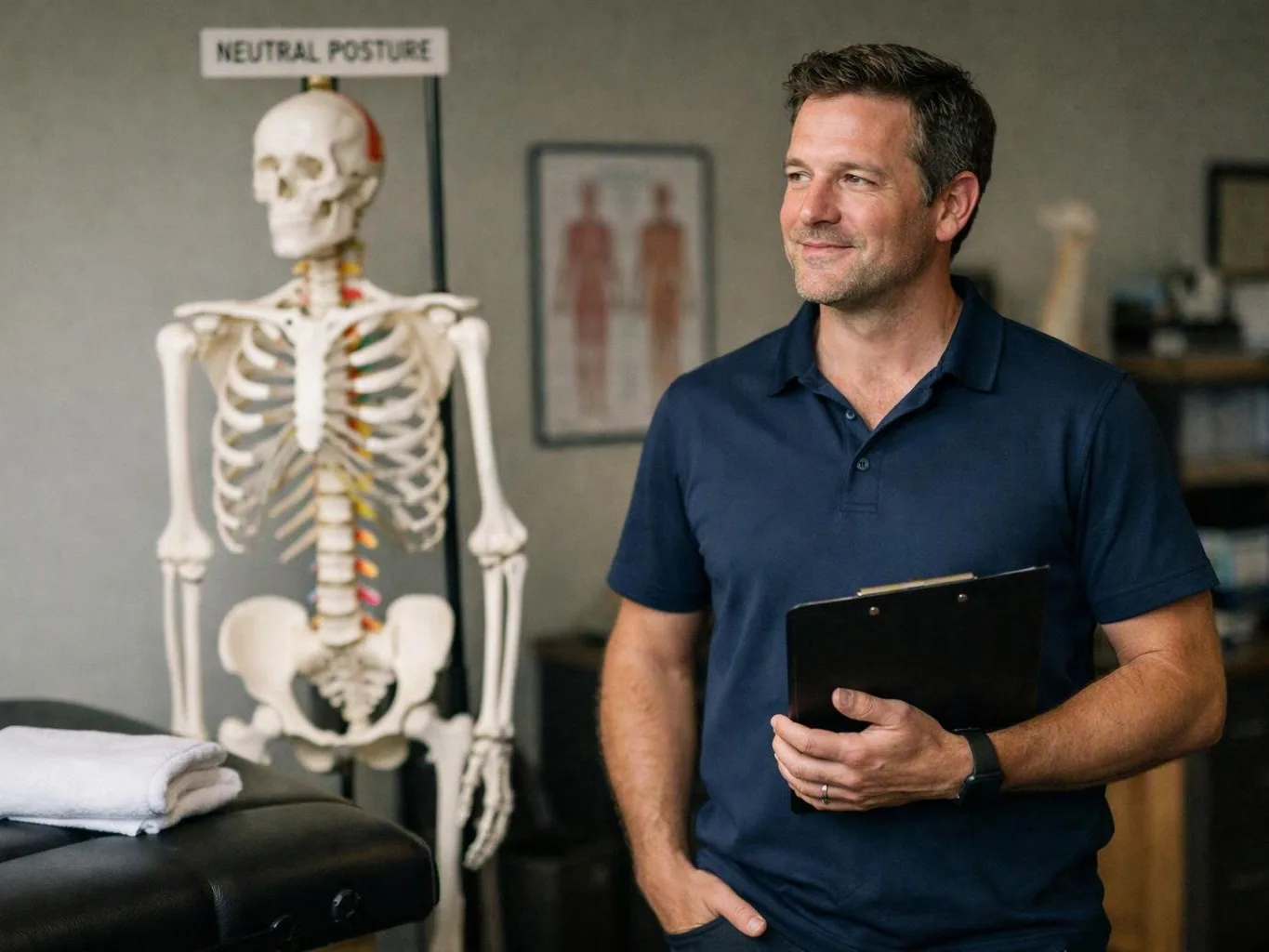
A man in a navy polo holds a clipboard beside a skeleton model in a clinic room

Pediatric Chiropractic Care in Other Areas

The health and wellness information on this website is for general informational purposes only and is not medical advice. It does not create a provider-patient relationship. Always consult a qualified licensed provider in Brentwood, Tennessee, United States about your specific condition before making care decisions. Individual results vary.

(615) 265-0412