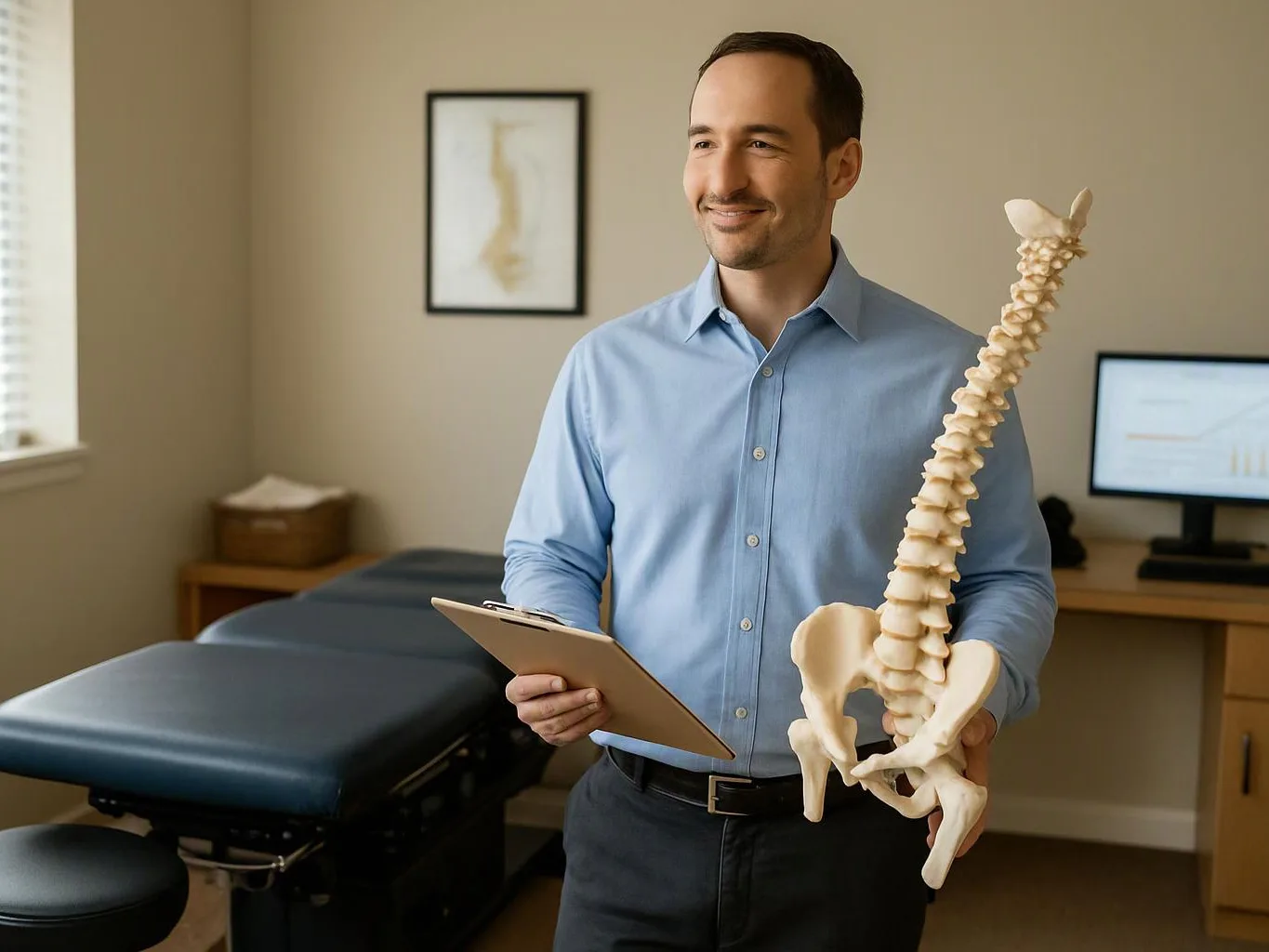
Pregnancy-Related Back and Pelvic Discomfort: When to Ask About Chiropractic Care
Prenatal chiropractic care may help some people manage pregnancy-related back or pelvic discomfort after a careful health review. Advanced Injury Care Clinic evaluates your symptoms and coordinates care with your maternity team when needed.
Request an EstimateCan You See a Chiropractor for Back Pain During Pregnancy?
Yes, chiropractic care may be appropriate during pregnancy when symptoms are screened and care is adapted to the pregnancy. Pregnancy changes posture, joint movement, and how your body carries weight.
We review your health history and current symptoms before discussing care. Our team also considers information from your maternity care provider when coordination is needed.
Which Signs and Symptoms Should You Discuss?
Pregnancy-related discomfort is worth discussing when pain affects movement, sleep, work, or daily activities. The following symptoms can help guide a conversation with our team and your maternity care provider.
These symptoms can have more than one cause. We assess the pattern, location, and triggers before planning pregnancy-safe care.
What Common Causes Can Lead to Pregnancy-Related Discomfort?
Pregnancy-related back pain and pelvic pain during pregnancy often involve changes in posture, load, and movement. Our assessment looks at how these factors may affect your spine, pelvis, hips, and supporting muscles.
Several factors may occur together during pregnancy. We use your symptom history and physical assessment to identify the most relevant contributors.
How Can Prenatal Chiropractic Care Support Comfort?
Prenatal chiropractic care supports comfort by assessing movement, identifying contributing factors, and using pregnancy-appropriate care. Advanced Injury Care Clinic considers your pregnancy stage, health history, and care goals during that process.
Clinical assessment may include spinal movement, pelvic mechanics, positioning, and muscle tension. We may use gentle manual care and home movement advice when those options fit your needs.
Our Prenatal Chiropractic Care approach focuses on comfort and function. A gentle adjustment is considered only after symptom screening and a review of your overall health.
What Steps May Help Prevent Back and Pelvic Discomfort?
Daily movement choices can reduce strain on the lower back and pelvis. Prevention steps should feel comfortable and should fit your pregnancy and medical guidance.
Stop an activity that causes sharp or worsening pain. We can review movement patterns and suggest home movement advice that matches your symptoms.
When Should You Contact Your Maternity Care Provider About Pain?
Contact your maternity care provider promptly when pain is severe, sudden, worsening, or paired with other pregnancy warning signs. Maternity care should guide the next step when symptoms may relate to pregnancy complications.
Contact your maternity care provider about severe pain, bleeding, fluid leakage, fever, or contractions. Contact them promptly for new weakness or loss of bladder or bowel control.
We don't use chiropractic care to assess urgent pregnancy warning signs. Seek urgent medical help when symptoms feel serious or unsafe.
How Advanced Injury Care Clinic Plans Chiropractic Care During Pregnancy?
Advanced Injury Care Clinic reviews your pregnancy stage, symptoms, and health history before planning care; Free Consultations are available. Our process keeps symptom screening at the center of each decision.
Our team adjusts the plan when your symptoms or pregnancy stage changes. We also explain what changes should prompt contact with your maternity care provider.
What Should You Ask Before Starting Care?
Ask how the proposed care supports your treatment goals and fits your pregnancy stage. Clear answers can help you understand the care approach before you begin.
Ask how we will track symptom changes and communicate with your maternity care provider. You can also ask how follow-up planning will work if your symptoms change.
To discuss your symptoms with Advanced Injury Care Clinic, contact our team. We can review whether a consultation is a suitable next step.
Questions About Pregnancy Back and Pelvic Discomfort
What should I tell a chiropractor about my pregnancy?
Advanced Injury Care Clinic needs your pregnancy stage, symptoms, health history, medications, and maternity care information. Tell us when symptoms began, what changes them, and whether your maternity care provider has raised concerns.
Can pregnancy-related pelvic pain come from the sacroiliac joints?
Yes, pregnancy-related pelvic pain can involve the sacroiliac joints, which connect the lower spine and pelvis. Our assessment checks movement and symptom patterns before we decide whether gentle care is appropriate.
What happens during a prenatal chiropractic consultation?
A prenatal chiropractic consultation includes a review of your pregnancy stage, symptoms, health history, movement, and care goals. We explain suitable options and discuss coordination with your maternity care provider when needed.
Related Resources
Compare Chiropractor First-Visit Options: What the Fee Includes
Everything About ItWhat Research and Guidelines Say About Chiropractic Care for Back and Neck Pain
Brand vs BrandChoosing a Chiropractor for a Work Injury: Evaluation and Documentation Questions
Brand vs BrandChoosing a Prenatal Chiropractor: Training and First-Visit Questions