Whiplash After a Car Accident: Symptoms That Deserve Attention
A chiropractor for whiplash checks delayed neck pain, stiffness, headaches, nerve symptoms, and changes after a crash. Advanced Injury Care Clinic evaluates these concerns and explains when whiplash treatment is appropriate.
Request an EstimateWhat Is Whiplash After a Car Accident?
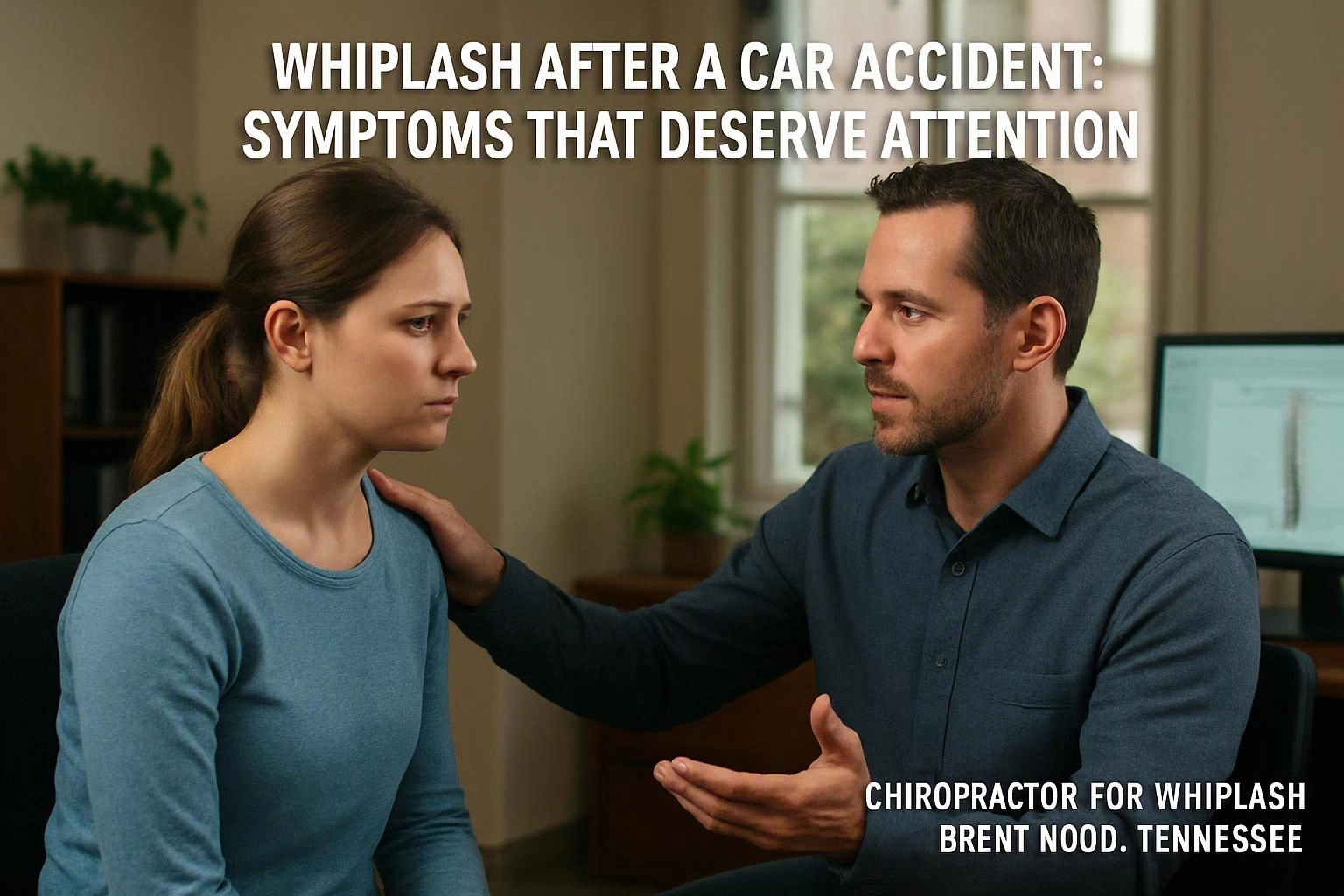
Whiplash is a soft tissue injury that strains the neck during a sudden back-and-forth movement.
A car accident can force the neck beyond its normal motion. The cervical spine, muscles, ligaments, and nerves may all become irritated.
Whiplash can also be called a neck strain, neck sprain, or car accident neck injury. Symptoms can range from mild soreness to nerve-related changes.
Which Whiplash Symptoms Deserve Attention?
Common whiplash symptoms can affect the neck, head, shoulders, and upper back. Track any symptom that appears after the crash or changes over time.
Our team looks at the full symptom pattern during a chiropractic evaluation, not just the most painful area.
Why Can Whiplash Symptoms Start Later?
Yes, whiplash symptoms can start hours or later after a crash because pain and stiffness may develop as the body reacts to the injury.
Adrenaline can temporarily mask discomfort after a car accident. As adrenaline settles, muscle tension and inflammation may become easier to notice.
Delayed whiplash symptoms still deserve attention. We assess new or worsening symptoms to help identify a possible neck injury.
What Causes Whiplash in a Crash?
Whiplash happens when a sudden impact moves the head and neck quickly in different directions. The direction of the collision can change how the neck is loaded.
Our accident history review considers the crash movement, restraint use, and symptoms that followed.
When Should You Get Checked for Whiplash?
You should get checked when neck pain, stiffness, headache, dizziness, or nerve symptoms appear after a car accident.
A whiplash evaluation can help document the neck injury and guide car accident injury treatment. Our chiropractic assessment includes your symptoms, accident history, and physical findings.
Early attention can also help us identify changes in movement or nerve function. Learn more about our Whiplash Treatment approach.
Which Whiplash Symptoms Need Urgent Medical Attention?
Severe or worsening symptoms need urgent medical attention, especially when they affect movement, alertness, strength, or sensation.
These warning signs may point to a serious injury that needs prompt medical assessment. Seek urgent care when any of the following symptoms occur:
How We Check Whiplash Symptoms
Advanced Injury Care Clinic checks whiplash through a physical examination, movement review, and accident history.
We assess neck range of motion and note where movement causes pain. We also check muscle tenderness and review nerve function for numbness, tingling, or weakness.
Our team connects these findings with the crash details and your symptom changes. This approach helps us build a clear recovery plan for your needs.
How Whiplash Treatment Supports Neck Recovery
Whiplash Treatment supports neck recovery by addressing painful movement, muscle tension, and changes in function.
Our chiropractic care uses the findings from your movement assessment to guide each visit. We may focus on restoring comfortable motion and reducing strain on irritated tissues.
Car Accident Injury Treatment and Neck Pain Treatment should match the injury pattern and your progress. We explain the recovery plan clearly and adjust it when your symptoms change.
How Can You Reduce the Risk of Whiplash?
Good vehicle setup and safe driving can reduce the forces placed on the neck during a crash. These steps support crash prevention but cannot remove every risk.
Check your vehicle setup before driving and keep your attention on changing road conditions.
What Should You Do After Whiplash Symptoms Appear?
After whiplash symptoms appear, track changes, arrange a medical evaluation, and protect your accident records.
Small details can help our team understand how the neck injury developed. Follow these practical steps:
Questions About Whiplash After a Car Accident
Can you have whiplash without severe neck pain?
Yes, you can have whiplash without severe neck pain, and Advanced Injury Care Clinic can assess other signs after a crash. Stiffness, headache, dizziness, shoulder pain, or reduced movement may still signal a neck injury.
Can whiplash cause dizziness or balance problems?
Yes, whiplash can cause dizziness or balance problems after a car accident. Tell our team when these symptoms began and whether they are changing.
Can whiplash cause numbness or tingling?
Yes, whiplash can cause numbness or tingling when irritated tissues affect nearby nerves. New, severe, or worsening nerve symptoms need prompt medical attention.
What should you record after whiplash symptoms begin?
Record when symptoms began, where they occur, what makes them worse, and how they change. Keep the accident history, medical records, and notes about activity changes together.
Advanced Injury Care Clinic can review your symptoms and explain the next step for care. We offer Free Consultations for people concerned about a possible car accident neck injury.
Related Resources
Choosing a Chiropractor for Headaches or Migraines: What to Ask
What Goes With ItChiropractic Care After an Accident or Work Injury: Assessment and Care Coordination
Compared ToCompare Chiropractor First-Visit Options: What the Fee Includes
Everything About ItWhat Research and Guidelines Say About Chiropractic Care for Back and Neck Pain