What to Expect From a Postural Correction Assessment
Postural correction assessment at Advanced Injury Care Clinic reviews your posture, movement, symptoms, and daily habits to guide an individualized chiropractic care plan. Free Consultations are available.
Request an EstimateWhat Is a Postural Correction Assessment?
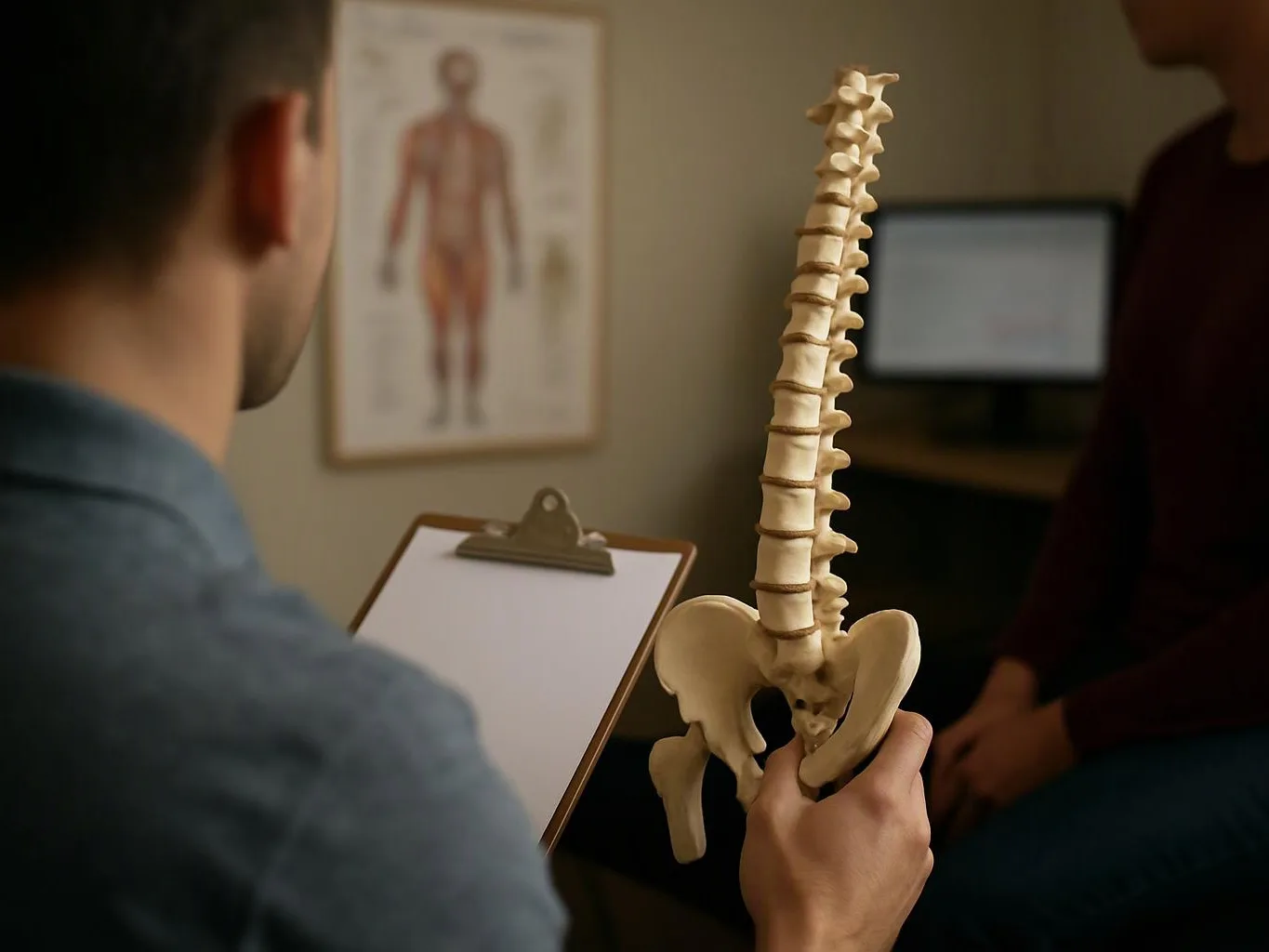
A postural correction assessment is a chiropractic evaluation that reviews how your body is positioned and how it moves. We examine postural alignment, movement patterns, symptoms, and daily habits that may affect comfort and function.
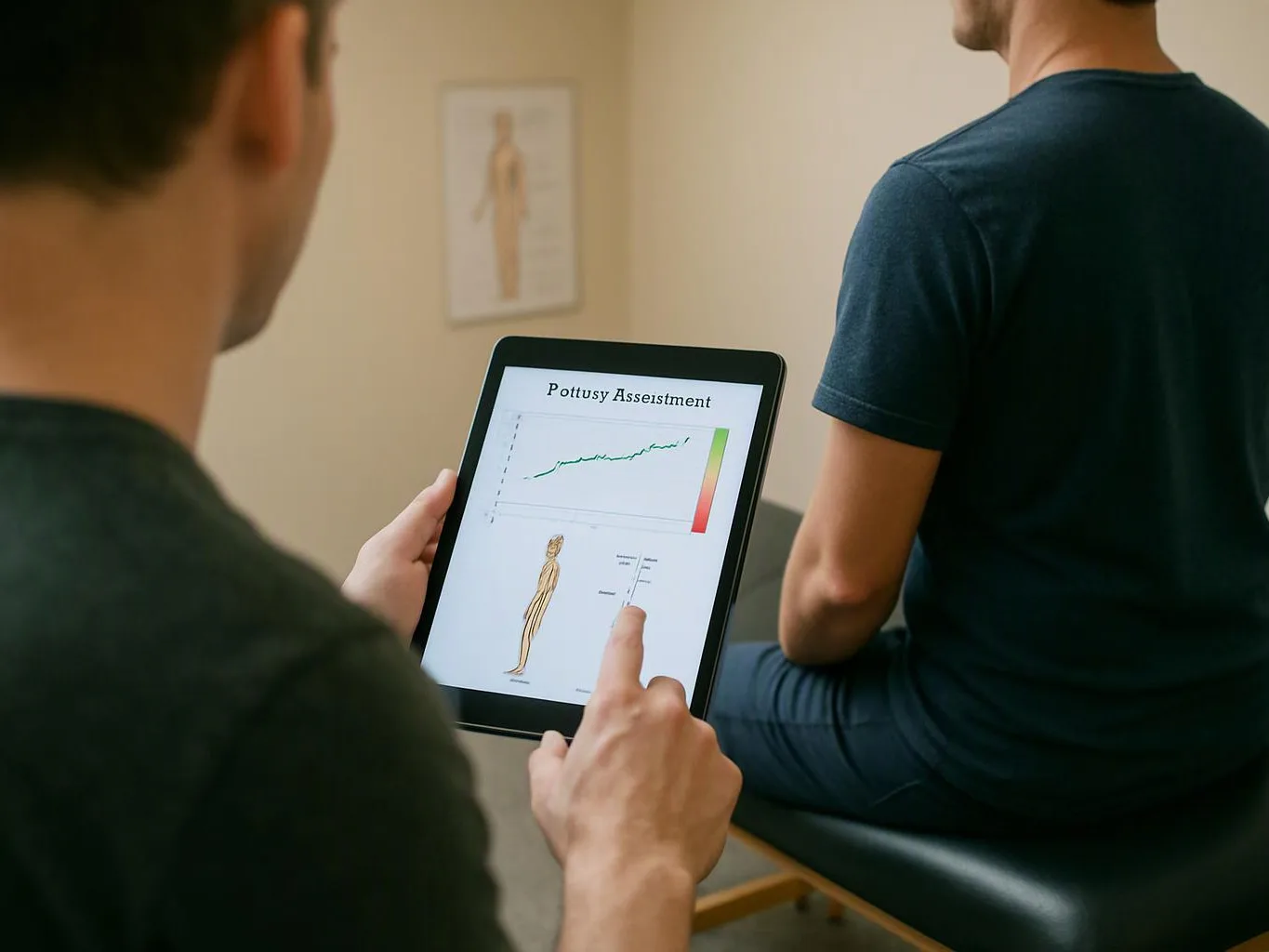
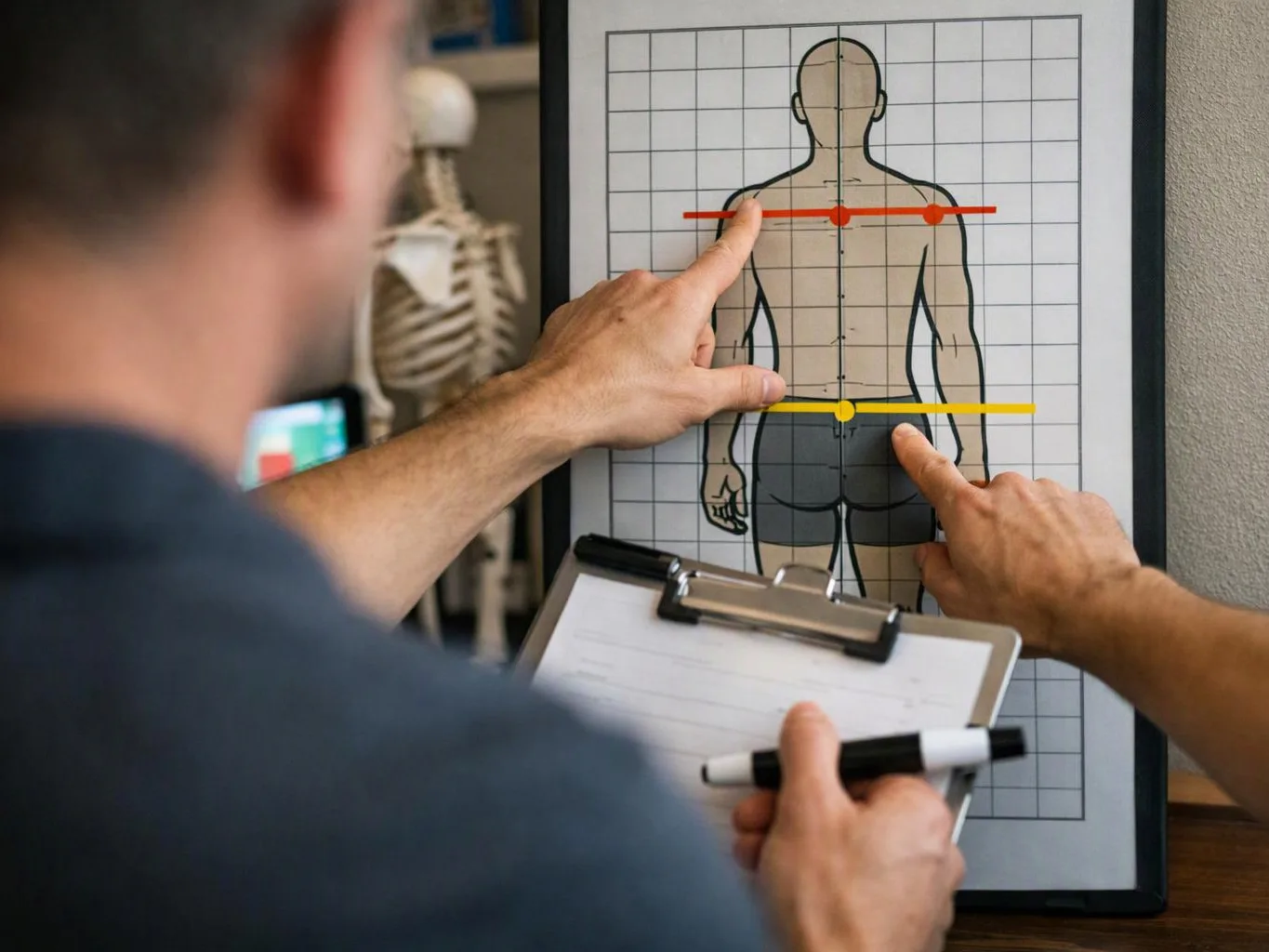
Our team considers the musculoskeletal system as a whole. A posture evaluation may include static posture observation, a dynamic movement assessment, and a spinal alignment review so we can connect physical findings with your concerns.
Which Signs Can a Postural Assessment Help Explain?
A postural assessment can help us explore whether alignment and movement patterns relate to common discomfort or mobility concerns. The assessment does not replace medical diagnosis, but it gives our team useful information for planning care.
We look at these signs together rather than treating one observation as the full explanation. Your symptoms, health history, and movement assessment all help shape our clinical findings.
What Happens During the Assessment?
A postural correction assessment usually moves from your health history and symptoms to posture observation, movement checks, clinical findings, and a discussion of next steps.
Our chiropractic examination is designed to show how your posture and movement work together. The process may include the following steps:
The assessment is not a test that requires you to perform through pain. Tell us when a movement causes discomfort so we can adjust the examination.
What Questions Should You Prepare to Answer?
Questions about your daily routine help us understand when posture-related symptoms appear. Clear details about your habits can make the assessment more useful.
What Common Factors Can Contribute to Poor Posture?
Poor posture can develop from repeated demands placed on the body during work, rest, and movement. We discuss these factors with you because daily habits may influence the findings of a postural assessment.
Our team looks at how these factors may connect with your symptoms. We then use that information to discuss practical changes that suit your activities.
How Can You Prepare for a Postural Correction Appointment?
You can prepare for a postural correction appointment by noting your symptoms, reviewing relevant health history, and wearing clothing that allows comfortable movement.
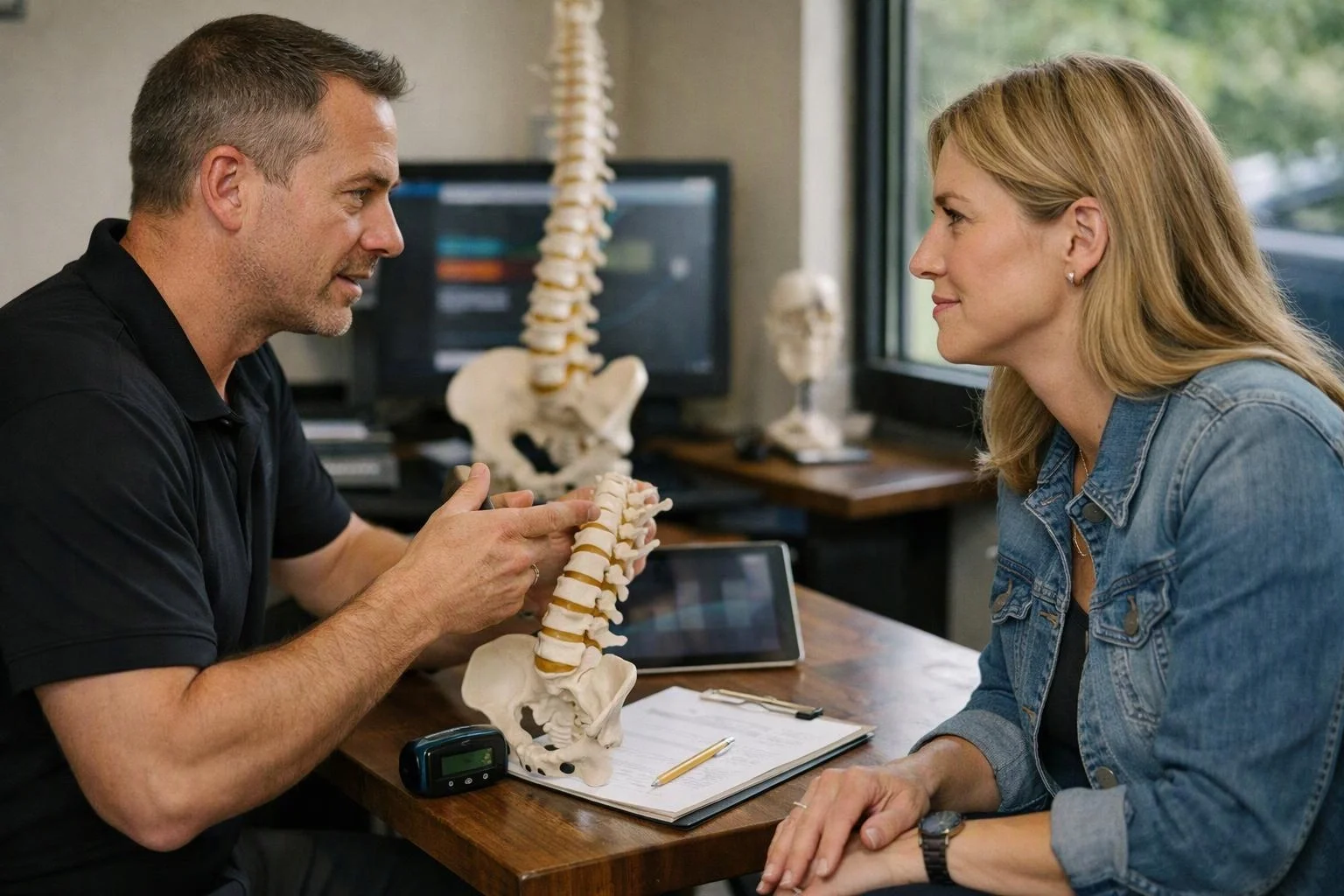
Preparation helps us focus on the concerns that matter most to you. Bring information that can help our team understand your routine and previous care.
You do not need to change your routine before the appointment. Your usual habits give us a more useful picture of how posture affects your day.
Which Habits Can Support Better Posture?
Better posture is supported by habits that make comfortable alignment easier during ordinary activities. We help you connect these habits with your work, exercise, sleep, and other needs.
Small changes work best when they fit your real routine. Our team can discuss which adjustments are appropriate for your findings and goals.
How Does the Assessment Guide Postural Correction Care?
Assessment findings help Advanced Injury Care Clinic connect your symptoms and movement patterns with appropriate postural correction recommendations.
We use the findings to build an individualized care plan based on your needs, activity level, and goals. Recommendations may include chiropractic care, corrective exercises, ergonomic guidance, and postural retraining.
Postural retraining focuses on helping you recognize and practice more comfortable movement strategies. We explain the purpose of each recommendation so you can use it safely during daily activities.
What Should You Ask During a Postural Correction Consultation?
You should ask how the assessment findings relate to your symptoms, which habits to change, and how recommended postural correction care supports your goals.
Useful questions can clarify what our team observed and how you can take part in your care plan. Ask us to explain any movement finding or recommendation in plain language.
Our goal is to make the recommendations clear and practical. Your questions help us shape care around the activities and outcomes that matter to you.
Questions About Postural Correction Assessments
What should I wear to a postural correction assessment?
Comfortable clothing that allows easy movement is appropriate for a postural correction assessment. Advanced Injury Care Clinic needs to observe posture and guide comfortable movement checks, so clothing that does not restrict motion is helpful.
Can a postural assessment identify habits that affect alignment?
Yes, a postural assessment can identify daily habits that may affect alignment and movement patterns. We review workstation habits, screen use, prolonged sitting, sleep position, exercise, and other activities as part of the discussion.
What should I bring to a postural correction consultation?
Bring symptom notes, relevant health history, medication information, and questions about your daily habits. Details about previous injuries, exercise, work activities, and sleep position can also help us understand your concerns.
Advanced Injury Care Clinic can review your posture, movement, symptoms, and daily habits during a postural correction assessment. Contact us to discuss your concerns and request an appointment.
Contact Advanced Injury Care ClinicRelated Resources
Benefits of Corrective Exercise Therapy for Posture, Strength, and Lasting Pain Relief
When You Need ItSigns Poor Posture Is Causing Neck Pain and Needs Correction
Compared ToHow to Choose a Chiropractor for Your Care Goals
Brand vs BrandPostural Correction Companies Worth Comparing in Brentwood (2026)