Signs Poor Posture Is Causing Neck Pain and Needs Correction
Signs poor posture is causing neck pain include forward head position, rounded shoulders, muscle tightness, headaches, reduced neck movement, and pain that worsens during sitting. Advanced Injury Care Clinic evaluates posture, movement, and contributing muscle or joint problems to guide postural correction and neck pain relief.
Request an EstimateWhat Does Posture-Related Neck Pain Feel Like?
Posture-related neck pain is discomfort linked to sustained alignment and movement patterns that place extra demand on the neck and upper back. Advanced Injury Care Clinic connects your symptoms with the way your cervical spine, shoulders, and neck muscles move during daily activities.
Poor posture can keep the head forward while the upper back and shoulders round inward. This forward head posture may create muscle strain, neck stiffness, upper back tension, or pain with movement. We assess the pattern instead of looking at neck pain as an isolated symptom.

Warning Signs Poor Posture May Be Causing Your Neck Pain
Poor posture may be contributing to neck pain when symptoms repeatedly appear with slouched sitting, screen use, or sustained forward-head positioning. We look for patterns that connect your symptoms with sitting posture, shoulder alignment, and movement habits.
We compare these signs with your movement assessment and health history. New or worsening nerve symptoms, significant weakness, or severe pain should receive prompt medical attention.
When Should Neck Pain From Poor Posture Be Corrected?
Neck pain deserves posture correction when symptoms keep returning, restrict movement, or interfere with work, sleep, exercise, or daily activities. Repeated symptoms often show that postural habits are continuing to load the same tissues.
Our chiropractic assessment considers how your neck pain responds to sitting, standing, reaching, and other daily activities. We also consider related muscle imbalance and joint mobility before recommending care.
How We Determine Whether Posture Is Contributing to Neck Pain
Advanced Injury Care Clinic assesses posture, neck movement, shoulder mechanics, and related muscle or joint findings to identify factors contributing to neck pain. Our team observes how the head, cervical spine, shoulders, and upper back work together.
A posture assessment may include standing and sitting alignment, screen posture, range of motion, and movement control. We also examine muscle imbalance and joint mobility to determine whether the symptoms fit a postural pattern.
These findings help us shape postural correction around your actual movement needs. We explain what we find in clear terms and connect each recommendation to your symptoms.
What Can You Do Yourself, and When Should You Call Us?
You can adjust screen and sitting habits and practice comfortable posture changes, while Advanced Injury Care Clinic evaluates persistent or limiting symptoms and provides targeted care. Self-care is useful when it feels comfortable and does not increase pain or nerve symptoms.
Use the comparison below to separate simple daily changes from concerns that benefit from chiropractic care. We focus on safe, individualized postural correction when symptoms continue.
| Factor | What you can do yourself | What we do |
|---|---|---|
| Ergonomics | Keep the screen near eye level and support a comfortable sitting position. | We assess how your workstation habits affect neck and shoulder movement. |
| Postural correction | Change positions regularly and avoid forcing your head or shoulders into a rigid pose. | We identify the alignment and movement changes that fit your findings. |
| Corrective exercise therapy | Practice only comfortable corrective exercises and stop if symptoms worsen. | We select exercises that address control, mobility, and muscle coordination. |
| Persistent symptoms | Record what activities bring on pain, stiffness, headaches, or nerve symptoms. | We perform an assessment and explain options for neck pain relief. |
How Postural Correction and Corrective Exercise Therapy Address Neck Pain
Postural correction and corrective exercise therapy address neck pain by improving movement habits, supporting neck and shoulder control, and reducing avoidable strain. Our team matches each exercise to the findings from your posture and movement assessment.
Care may focus on the deep neck flexors, scapular control, or thoracic mobility. These areas can affect how the head, cervical spine, shoulder blades, and upper back share movement.
We use comfortable progression and monitor pain with movement. The goal is practical neck pain relief that supports work, screen use, exercise, and daily activities.
What Should You Expect From an Advanced Injury Care Clinic Consultation?
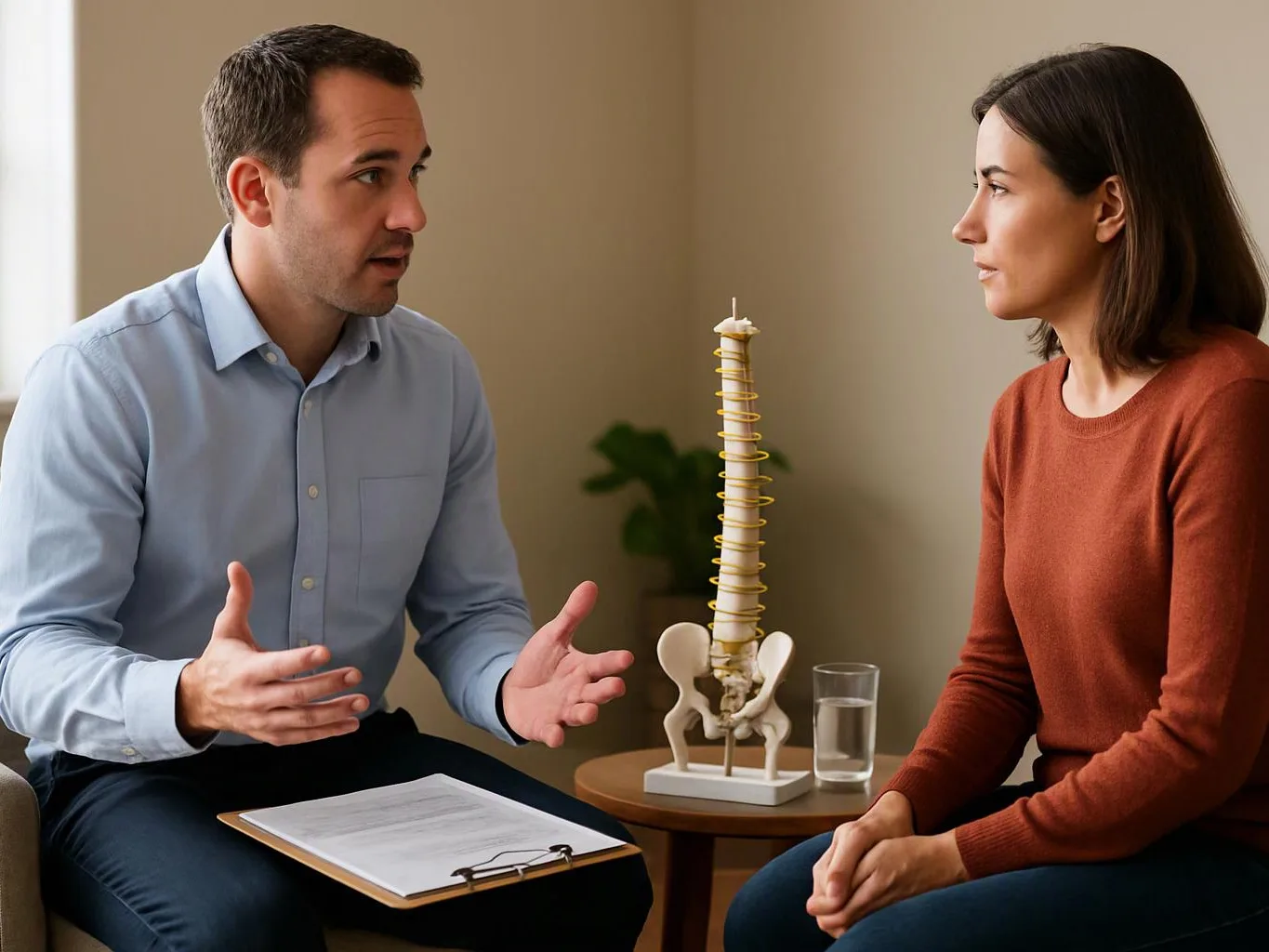
Advanced Injury Care Clinic reviews your symptoms and movement findings during a consultation, then explains appropriate care and upfront pricing before treatment proceeds. We provide licensed chiropractic care based on your needs and assessment findings.
The consultation includes a discussion of your symptoms, posture assessment, movement testing, and relevant muscle or joint findings. We explain how our recommendations may support postural correction and neck pain relief.
Free Consultations are available for people who want to discuss whether their symptoms may be posture-related. To ask about an appointment, contact Advanced Injury Care Clinic.
Questions About Posture-Related Neck Pain
Can poor posture cause neck pain on one side?
Yes, poor posture can contribute to one-sided neck pain when the head, shoulders, or upper back repeatedly load one side more than the other. Advanced Injury Care Clinic checks shoulder mechanics, muscle balance, and joint mobility to identify contributing movement patterns.
Can correcting posture make neck pain worse at first?
Yes, changing a familiar posture can sometimes make muscles feel strained when the change is forced or held too rigidly. Comfortable, gradual postural correction should not create worsening pain, and we adjust the plan when symptoms increase.
Can poor posture cause headaches and neck stiffness?
Yes, poor posture can contribute to headaches and neck stiffness when sustained forward head position increases muscle tension around the neck and upper back. We assess whether the symptoms change with posture, movement, and screen use.
What posture should you use when sitting at a computer with neck pain?
A comfortable computer posture keeps the screen positioned for relaxed viewing, supports the upper back, and avoids a sustained forward head position. Change positions regularly and arrange your workstation so your shoulders can remain relaxed.
Can neck pain from poor posture cause tingling or numbness?
Neck pain from poor posture may occur with tingling or numbness, but nerve symptoms can have other causes and need careful assessment. Seek prompt medical attention for new or worsening numbness, weakness, or severe symptoms.
Persistent neck pain, recurring headaches, reduced movement, or nerve symptoms deserve an individualized assessment. Advanced Injury Care Clinic reviews your posture and movement findings, explains your options, and helps guide safe postural correction.
Get a Free EstimateRelated Resources
Corrective Exercise and Chiropractic Rehabilitation: What Comes After Treatment?
Why It MattersBenefits of Corrective Exercise Therapy for Posture, Strength, and Lasting Pain Relief
What It SolvesWhat to Do After an Auto Accident Injury
What It SolvesWhat to Do After a Slip and Fall Injury