What does chiropractic rehabilitation involve after an injury?
Spinal adjustments can support chiropractic rehabilitation after an injury when exam findings show they fit the patient’s needs. Advanced Injury Care Clinic also uses therapeutic exercises, mobility training, core strengthening, and soft-tissue techniques. The plan starts with a health history and exam, then changes as progress and daily function are reviewed.
How is treatment matched to my injury before care starts?
The initial assessment matches treatment to your symptoms, movement limits, health history, and injury details. We review tenderness, range of motion, strength, and activity goals before selecting care. X-rays may be considered if clinically indicated, and we explain the findings before setting a personalized treatment plan.
What should be ready before chiropractic rehabilitation starts?
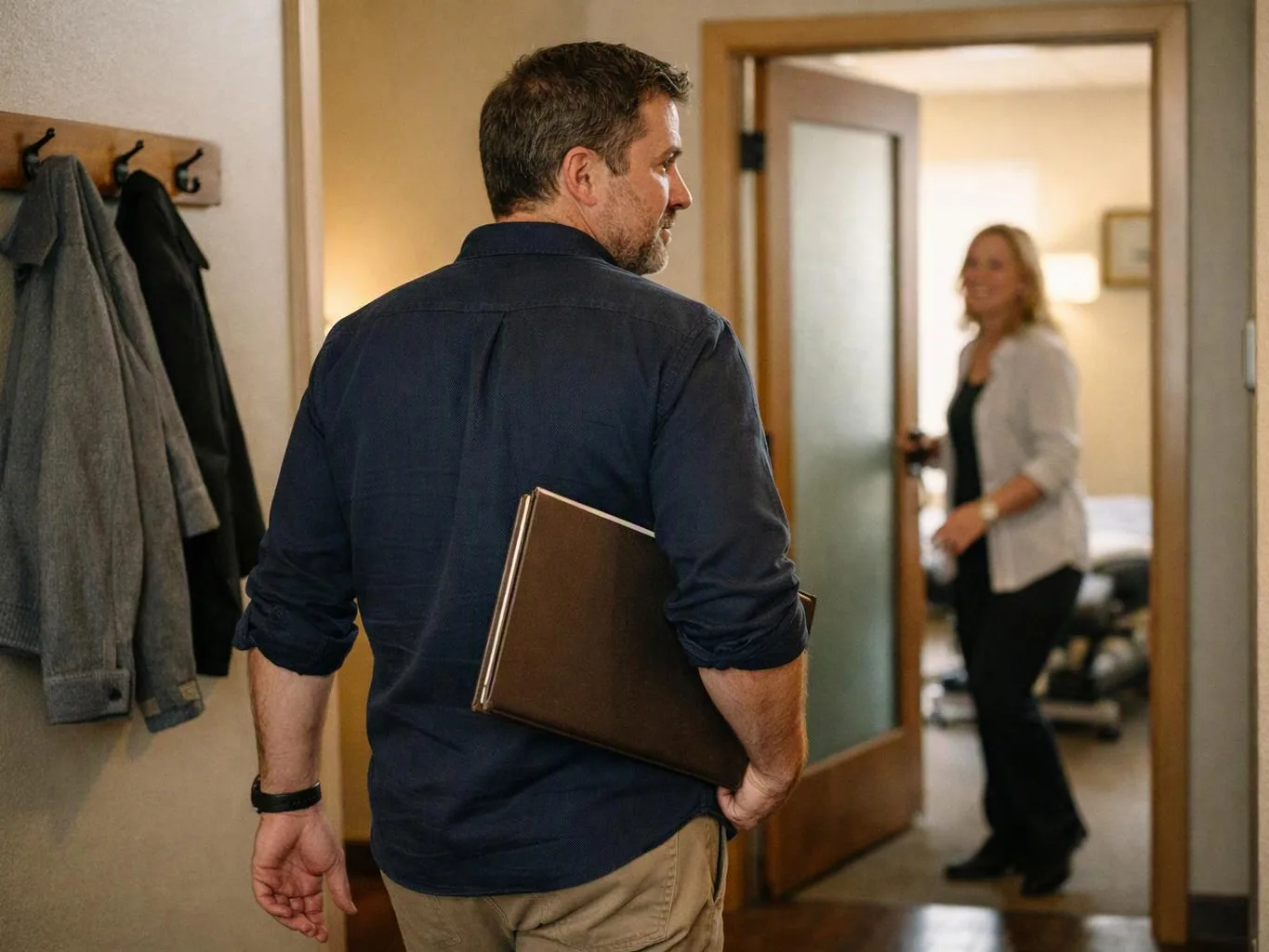
Your injury history, symptom changes, current medicines, and prior records should be ready before the first visit. These details help our team understand the problem and plan the exam. Wear clothing that allows comfortable movement, and bring questions about work, sport, sleep, or other activities affected by pain.
Which exercises may support recovery after an injury?
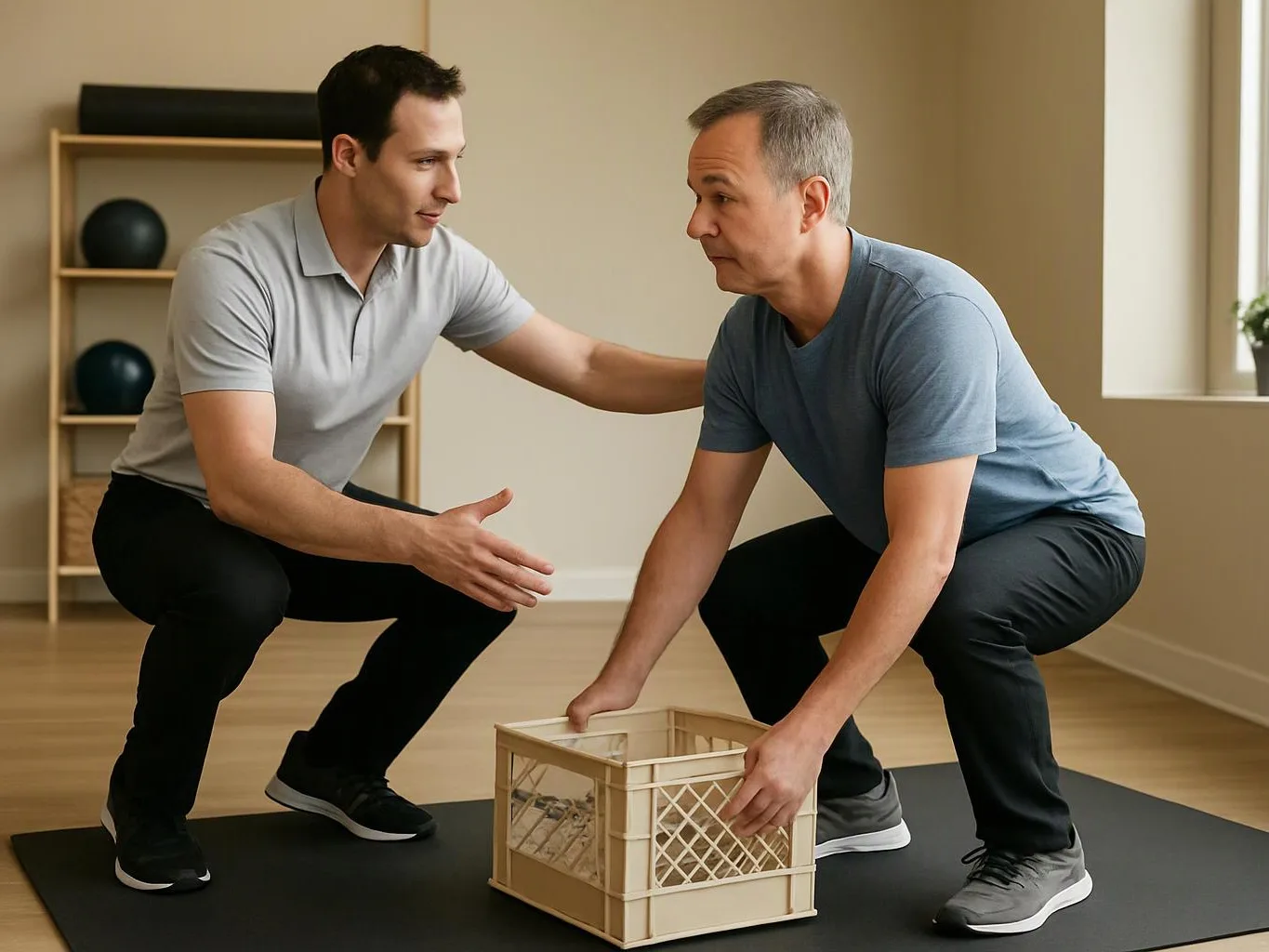
Therapeutic exercises, mobility drills, and core strengthening may support recovery after an injury. We select movements based on your exam findings and activity limits. Exercises should feel controlled and appropriate for your plan, so tell our team when a movement increases symptoms or does not match your daily needs.
When should I ask about a progress re-examination?
A progress re-examination is appropriate when your symptoms, mobility, or daily function need a fresh review. Our team compares current findings with the care plan and discusses the next step. The plan may continue, change, or move toward maintenance based on your response and goals.
Why might pain continue after an accident?
Pain may continue when joints, muscles, movement patterns, or activity demands still affect the injured area. Our assessment looks at these factors instead of focusing on symptoms alone. We then discuss suitable care, home movement guidance, and whether another type of medical evaluation should be considered.
What should I ask before agreeing to treatment?
Ask which findings support the proposed treatment and how progress will be reviewed. Also ask what exercises or activity changes fit your plan and which symptoms should be reported. Our team explains the options, expected steps, and reasons for each recommendation before care begins.