How can muscle activation improve my movement?
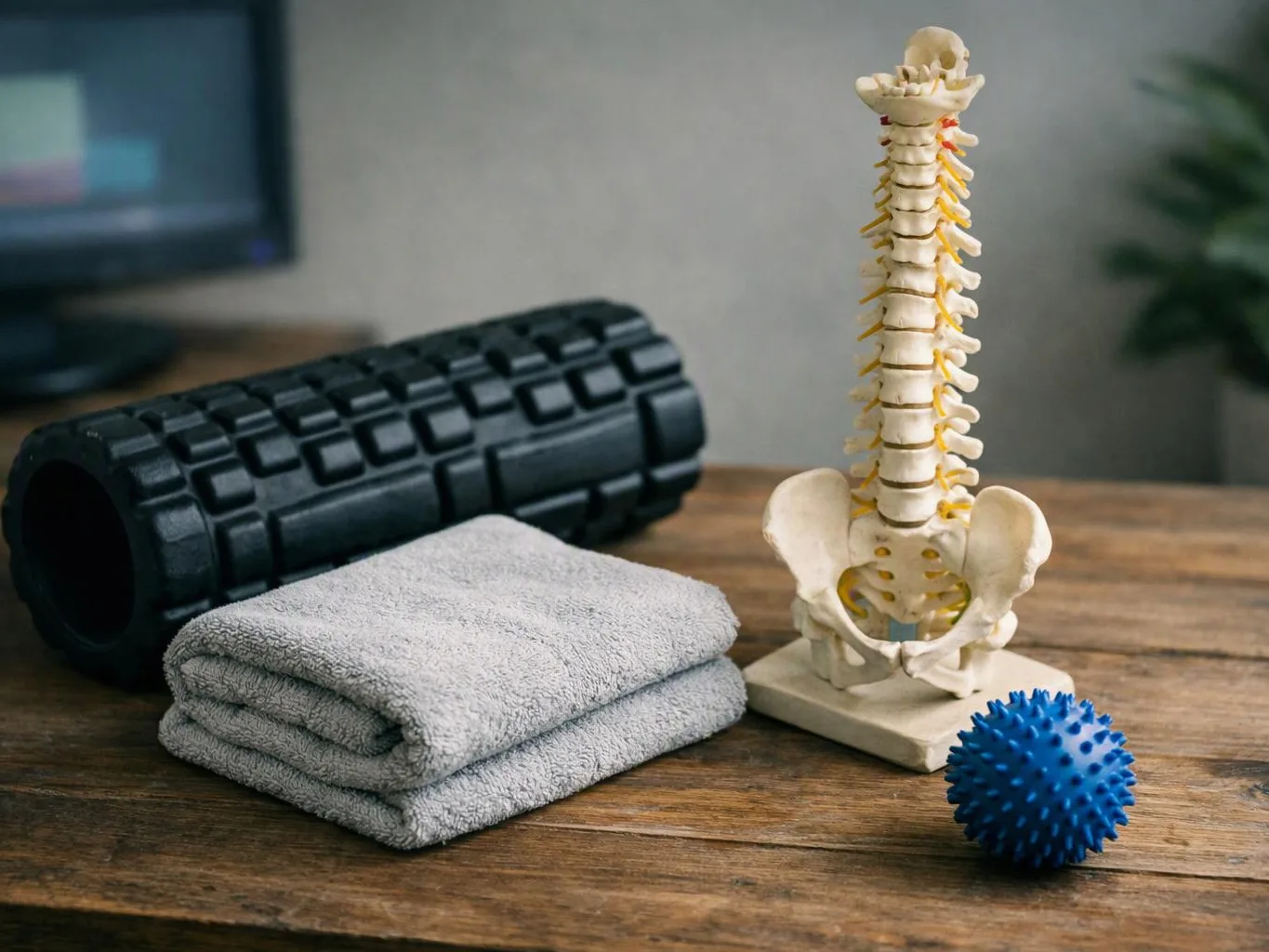
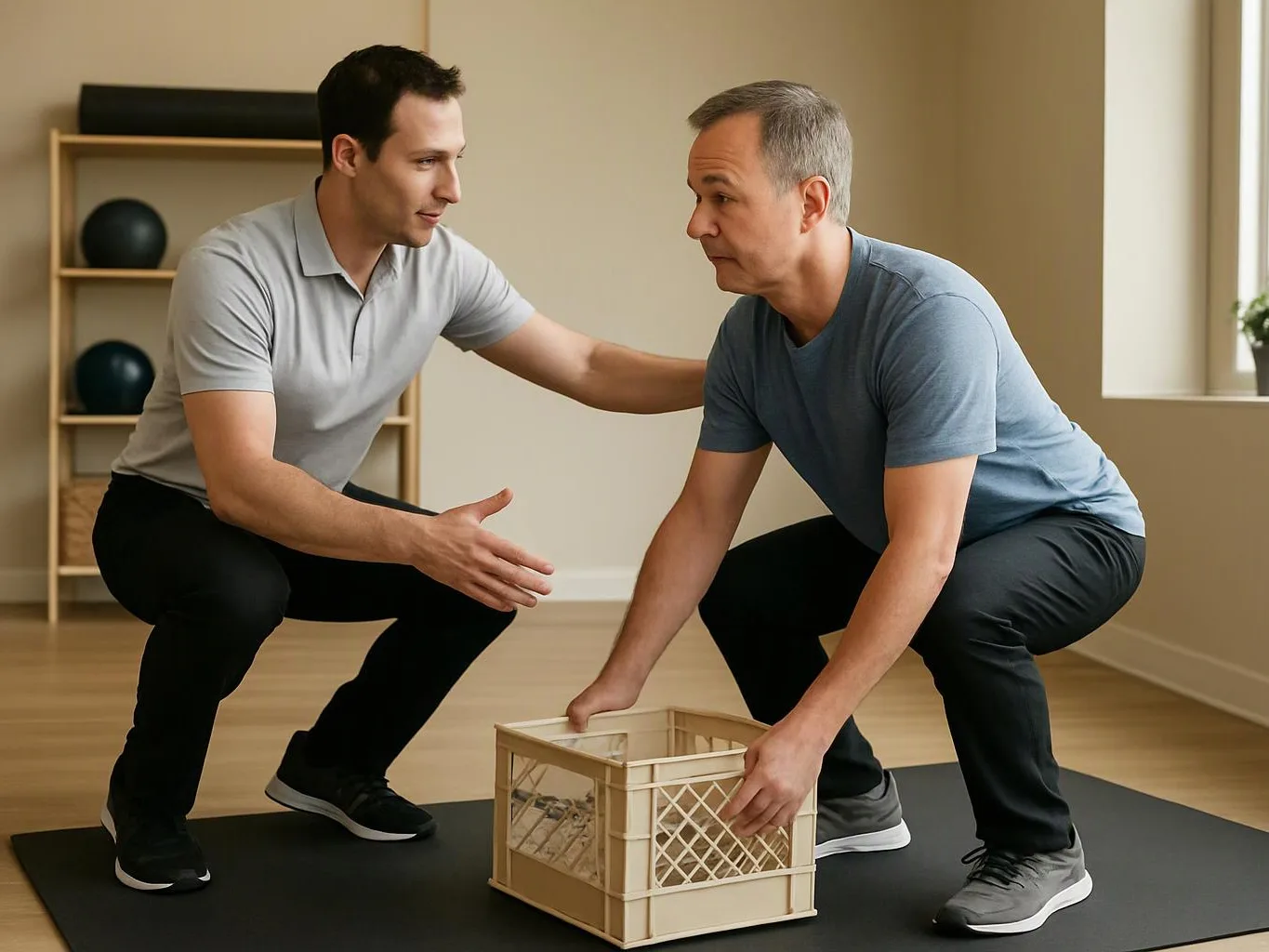
Muscle activation can improve movement by helping weak or guarded muscles work during daily tasks. Advanced Injury Care Clinic checks movement control during the exam and adds corrective exercises when they fit. Your plan may also include spinal adjustments, soft-tissue therapy, and posture guidance. Individual response differs, so exercises are adjusted to your symptoms and tolerance.
What happens during the first visit?
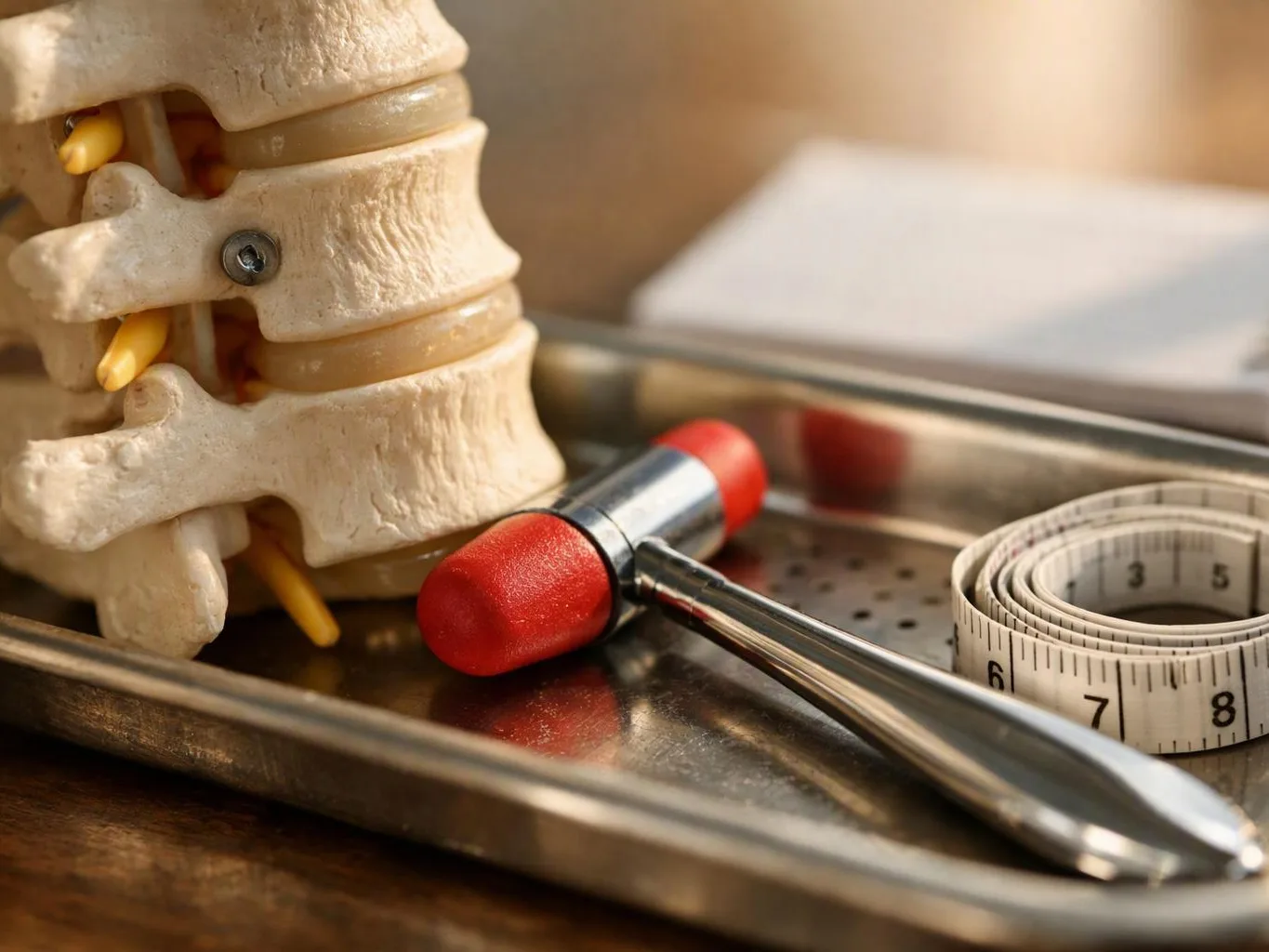
The first visit includes a new patient intake, health history review, and physical exam. We discuss your symptoms, injury history, movement limits, and daily goals. The exam may include posture and joint-motion checks, with X-rays if clinically indicated. We then explain the findings and discuss a personalized treatment plan.
Which part of my condition decides the treatment scope?
Your symptoms, movement limits, joint mobility, and health history help decide treatment scope. The exam also considers whether pain follows an accident, sports injury, workplace incident, or ongoing strain. Those findings guide the balance of adjustments, exercise, soft-tissue care, and practical activity guidance.
When should I seek care after an automobile accident?
Seek an assessment when pain, stiffness, headaches, or limited movement continues after an automobile accident. Accident details help us understand the mechanism of injury and choose safe examination steps. Bring available medical records and describe any symptoms that are new, worsening, or affecting daily activity.
Why might posture correction be part of my plan?
Posture correction may help when sustained positions add strain or limit comfortable movement. We review how you sit, stand, work, and move during the exam. Guidance may include exercise, activity changes, and soft-tissue care. Posture work supports the larger plan but does not replace evaluation of pain or injury.
How does a visit move from the first call to the last step?
A visit moves from intake and examination to findings, treatment planning, and progress review. We first gather your history and movement concerns. Next, we discuss suitable care and begin the agreed plan. Later reviews help assess movement and decide whether the plan needs adjustment.
Can chiropractic rehabilitation fit chronic back pain?
Chiropractic rehabilitation may fit chronic back pain when an examination links symptoms with movement, joint mobility, or muscle control. We review your history and daily limits before recommending care. The plan may include adjustments, corrective exercise, soft-tissue techniques, and guidance for activity. Changing or severe symptoms may need medical evaluation.