Skip to content

Corrective Exercise Therapy in Berry Hill, Tennessee

Joint stability work supports recovery for Berry Hill patients who need better movement control. We build exercises around your exam and daily needs.

Upfront, Transparent PricingServing 18 CommunitiesMon-Fri: 9 am–7 pm, Sat: 9 am–2 pm, Sun: ClosedFast Scheduling

Quick Summary: Guided Exercise Therapy in Berry Hill, Tennessee

Corrective Exercise Therapy in Berry Hill is provided by Advanced Injury Care Clinic for patients who need guided exercise for movement control, muscle activation, and functional strength. We serve Berry Hill, Brentwood, Williamson County, and nearby Nashville-area communities through personalized chiropractic care.

  • What we do: Advanced Injury Care Clinic provides Corrective Exercise Therapy for Berry Hill, Tennessee, with guided exercises that support movement control and functional strength.
  • What is included: Evaluation, corrective exercises, muscle activation work, movement coaching, soft-tissue techniques, and practical recovery guidance.
  • What you get: The patient receives a personalized exercise plan that supports safer movement and daily function.

Why does joint stability keep affecting my recovery?

Joint stability may remain limited when weak muscles, poor movement control, or pain change how you move. A chiropractic evaluation can identify the movement pattern and guide safer exercises.

Corrective Exercise Therapy in Berry Hill, Tennessee for Joint Stability

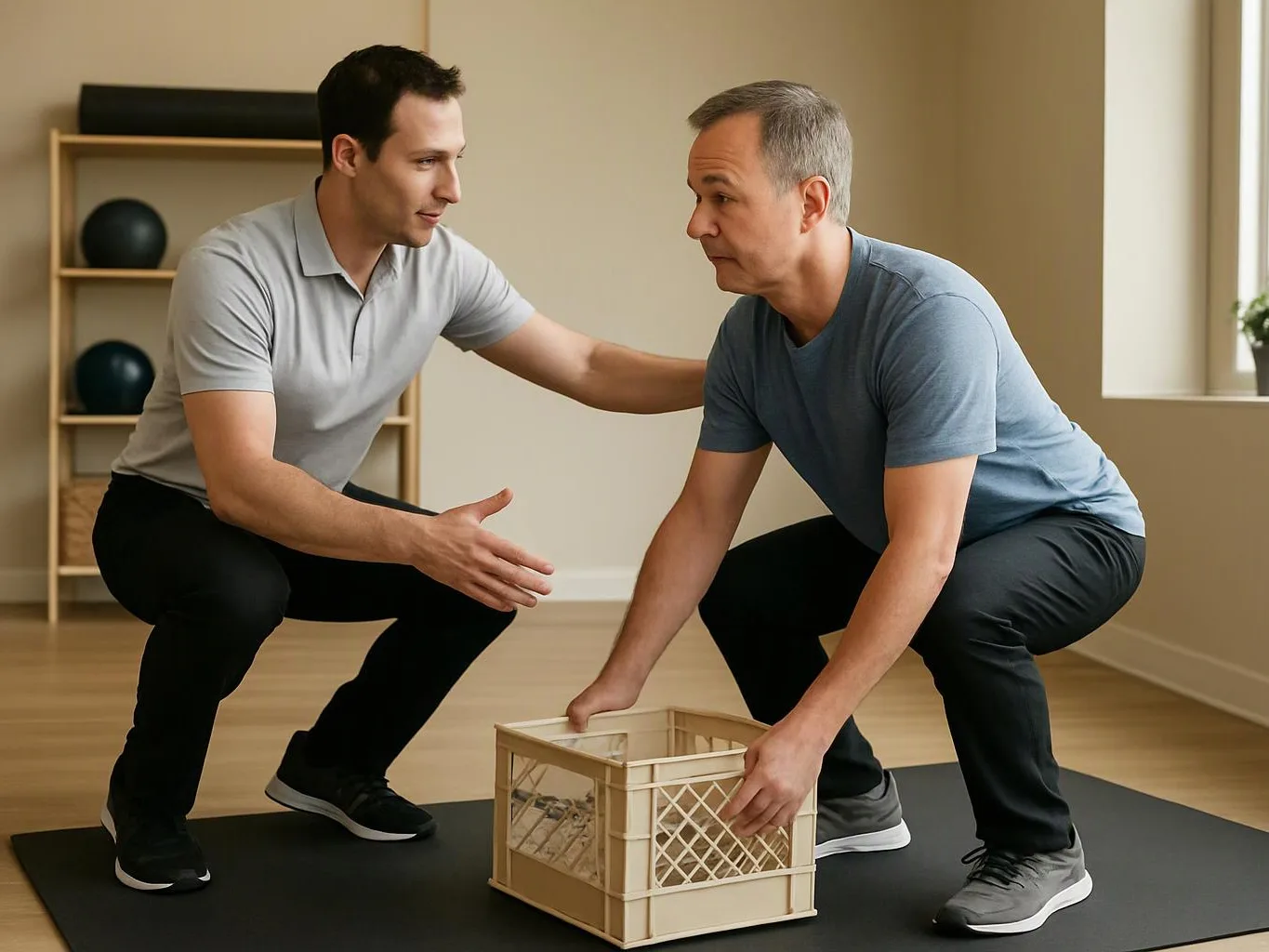
Corrective exercise therapy is for patients whose pain, weakness, or injury changes how they move. The work focuses on the body’s active support system, including muscle activation, movement control, and functional strength.

The key decision is fit. This service may support recovery when you can take part in guided movement, but it isn't the right first step for every symptom. Severe or changing symptoms need medical assessment before exercise begins.

Advanced Injury Care Clinic combines evaluation with chiropractic care, corrective exercises, soft-tissue techniques, and practical guidance. The goal is to help you understand which movements support your recovery and which habits may add strain.

  • Identify movements that cause pain, weakness, or poor control.
  • Check how muscle activation affects posture and daily movement.
  • Choose exercises that match the patient’s current tolerance.
  • Review how home movement supports the care plan.
  • Recheck progress and adjust exercises as needs change.
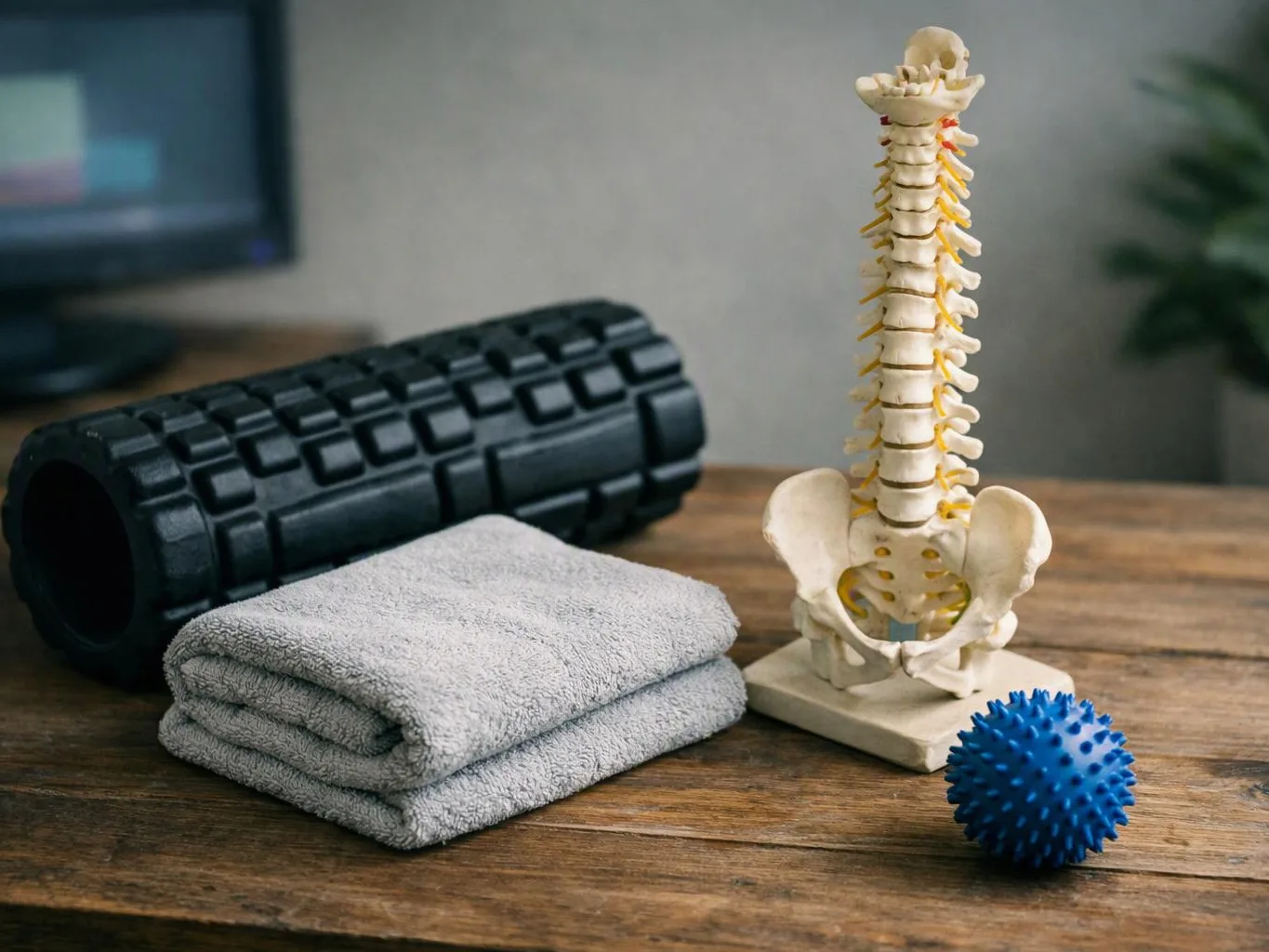
A spine model, foam roller, folded towel, and blue massage ball sit on a wooden table

Service Overview

Corrective Exercise Therapy is a guided exercise service that improves movement control, muscle use, and functional strength.

  • It differs from spinal adjustments because exercise builds active control, while adjustments address joint movement through hands-on care.
  • Advanced Injury Care Clinic provides this care for Berry Hill patients and nearby communities.

A situation this service fits

A Berry Hill patient may seek care after an accident or ongoing strain that makes work, driving, or household tasks uncomfortable. We assess the movement pattern, check whether exercise is suitable, and build guidance around the activity that matters most.

How We Approach Guided Movement Care

Start with the movement problem

The first visit looks at pain, strength, balance, and movement control. We use those findings to choose exercises that fit your needs. This service is the wrong fit when a symptom needs urgent medical evaluation before exercise.

Match exercises to daily function

Exercises should connect with the task that feels hard, such as bending, reaching, walking, or turning. Our team explains the purpose of each movement so you can follow the plan with confidence.

Adjust the plan as you progress

Your response to movement guides the next step. We may change exercise form, resistance, or range of motion when your needs change.

Process

How We Build and Review an Exercise Plan

1

Complete the health history and exam

We discuss the injury, symptoms, daily limits, and treatment goals. The exam reviews movement, strength, and areas that may affect exercise choice.

2

Identify the movement pattern

Pain or weakness can change how you brace, bend, reach, or walk. We observe those actions and connect them with the exam findings.

3

Choose guided corrective exercises

Exercises address muscle activation, movement control, or functional strength. We explain form and the reason for each selected movement.

4

Add supportive treatment when suitable

Spinal adjustments, soft-tissue techniques, and therapeutic modalities may support the plan when they fit your condition.

5

Review progress and update care

A progress re-examination helps us review your response and adjust the personalized treatment plan.

What Exercise-Based Care Can Change

Guided movement may improve comfort during daily tasks.

Muscle activation work helps you notice how the body supports a joint.

Movement control exercises may reduce strain from poor habits.

Functional strength training connects treatment with work, walking, and other routine activities.

A personalized plan gives you clear guidance at each stage of recovery.

What Guided Exercise Care Includes

Advanced Injury Care Clinic provides comprehensive Corrective Exercise Therapy in Berry Hill. Here's what you get:

  • A health history and exam help us understand pain, weakness, and movement limits.
  • Corrective exercises target muscle activation and controlled movement.
  • Functional strength work connects exercises to daily activities.
  • Soft-tissue techniques may address areas that limit comfortable movement.
  • Practical guidance explains how to support recovery between visits.
  • A progress re-examination helps us review the treatment plan.

Choosing the Right Part of Your Care Plan

These care elements address different parts of movement and may work together after assessment.

Care elementMain focusWhen it may fit
Guided corrective exercisesActive muscle control and movement practiceWhen weakness or poor movement affects daily tasks
Spinal adjustmentsHands-on care for joint movementWhen examination findings support an adjustment
Soft-tissue techniquesMuscle and soft-tissue comfortWhen tight or sensitive tissue limits movement

The Advanced Injury Care Clinic Standard

  • Individualized Care
  • Thorough Assessments
  • Clear Communication
  • Comfortable Techniques

Questions About Guided Exercise Care

How can corrective exercise therapy support recovery?

Joint stability work can support recovery by improving muscle activation, movement control, and functional strength. Advanced Injury Care Clinic begins with an exam and connects exercises to your symptoms and daily tasks. Individual response differs, so the plan changes when movement or comfort changes. The service may also include soft-tissue techniques or spinal adjustments when those options fit your care plan.

What should I bring to my first appointment?

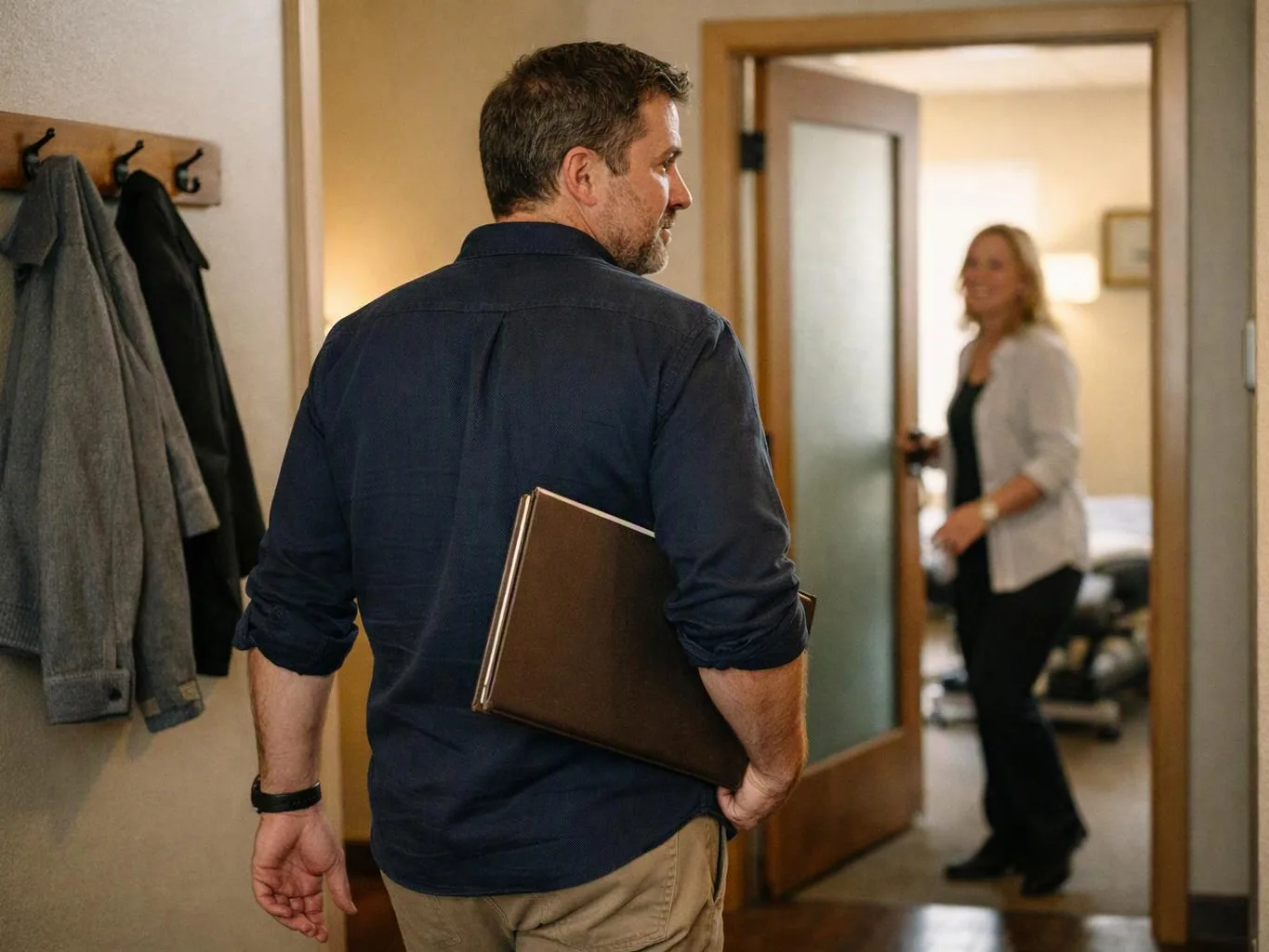
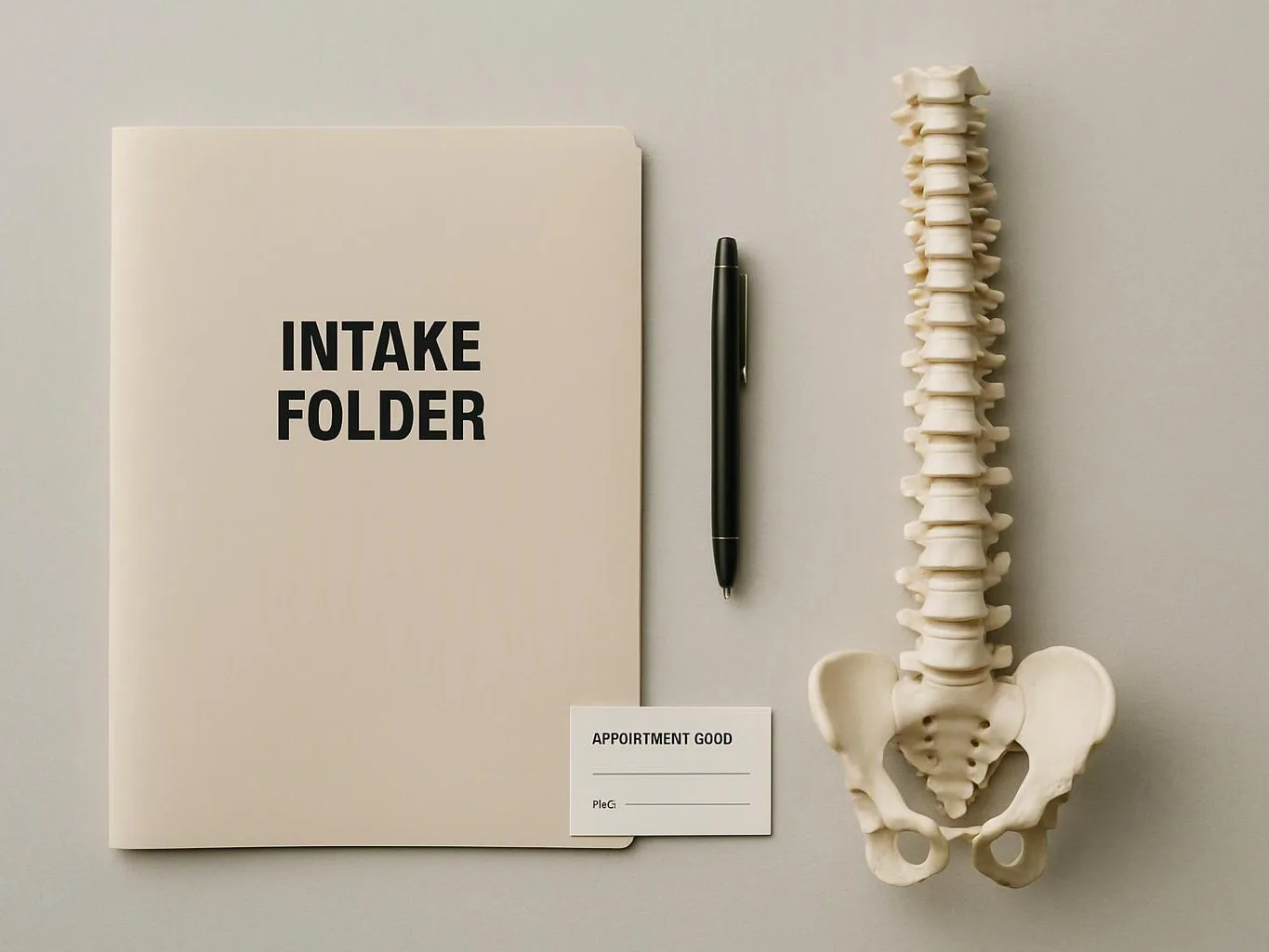
Your symptom history, injury details, current concerns, and list of medicines can help us plan the first visit. Bring any records that explain prior care or imaging, if you have them. Tell our team which movements cause trouble and which daily tasks you want to manage more easily. We use that information with the health history and exam.

Which part of the body decides the exercise scope?

The affected joint, nearby muscles, and movement pattern help decide the exercise scope. We check strength, range of motion, balance, and pain during useful tasks. A back or neck concern may need a different plan from a hip, knee, or shoulder concern. The exam helps us choose safe movements and decide whether added chiropractic care fits.

Which material changes how long exercise care takes?

The main time factor is the patient’s condition, not an exercise material. Pain level, muscle control, injury history, and response to movement shape the pace of care. TheraBand or other resistance tools may support an exercise, but the tool does not set a fixed schedule. We review form and response before changing the plan.

How does a visit move from the first call to the last step?

A visit moves from consultation to examination, exercise selection, guided practice, and progress review. Advanced Injury Care Clinic first discusses your concerns and health history. The exam then guides movement choices, and our team explains how each exercise supports the plan. Follow-up care reviews your response and updates the exercises when needed.

Why might exercise be paused after an injury?

Exercise may be paused when symptoms need further medical assessment or movement increases concern. Severe, changing, or unexplained symptoms should be discussed before starting active exercise. Our team reviews the health history and exam, then decides whether guided movement fits. We may focus on other chiropractic care until exercise becomes suitable.

What is the difference between exercise therapy and spinal adjustments?

Exercise therapy builds active muscle control, while spinal adjustments use hands-on care to address joint movement. Corrective exercises ask you to control a movement and repeat it with guidance. An adjustment does not replace that active work. Advanced Injury Care Clinic may combine both when the examination supports that plan.
Contact

Discuss Guided Exercise Care in Berry Hill

Begin with a consultation and assessment of the movement problem affecting your recovery. Advanced Injury Care Clinic can discuss corrective exercise therapy in Berry Hill and explain the next step for your care plan.

A smiling woman in dark scrubs stands beside a massage table in a calm treatment room

Corrective Exercise Therapy in Other Areas

The health and wellness information on this website is for general informational purposes only and is not medical advice. It does not create a provider-patient relationship. Always consult a qualified licensed provider in Brentwood, Tennessee, United States about your specific condition before making care decisions. Individual results vary.

(615) 265-0412