Skip to content

Corrective Exercise Therapy in Lakewood, Tennessee

Safety comes first when joint stability is the goal in Lakewood. We build exercise plans around your exam, symptoms, and movement needs.

Upfront, Transparent PricingServing 18 CommunitiesMon-Fri: 9 am–7 pm, Sat: 9 am–2 pm, Sun: ClosedFast Scheduling

Quick Summary: Corrective Exercise Therapy in Lakewood, Tennessee

Corrective Exercise Therapy in Lakewood is provided by Advanced Injury Care Clinic for patients who need guided exercises for movement control, strength, and recovery. We serve Lakewood and surrounding communities, with care plans shaped by each patient’s exam and daily goals.

  • What we do: Advanced Injury Care Clinic provides Corrective Exercise Therapy in Lakewood, Tennessee, with guided exercises for muscle activation, movement control, and functional strength.
  • What is included: We assess movement, match exercises to patient needs, and provide practical guidance alongside chiropractic care.
  • What you get: The patient receives a clear exercise plan that supports safer movement, stronger muscles, and better daily function.

How can corrective exercise therapy support recovery from pain or injury?

Joint stability improves when corrective exercises build muscle control around a painful or weak area. The plan also addresses movement habits, strength, and daily tasks so recovery work matches the patient’s needs.

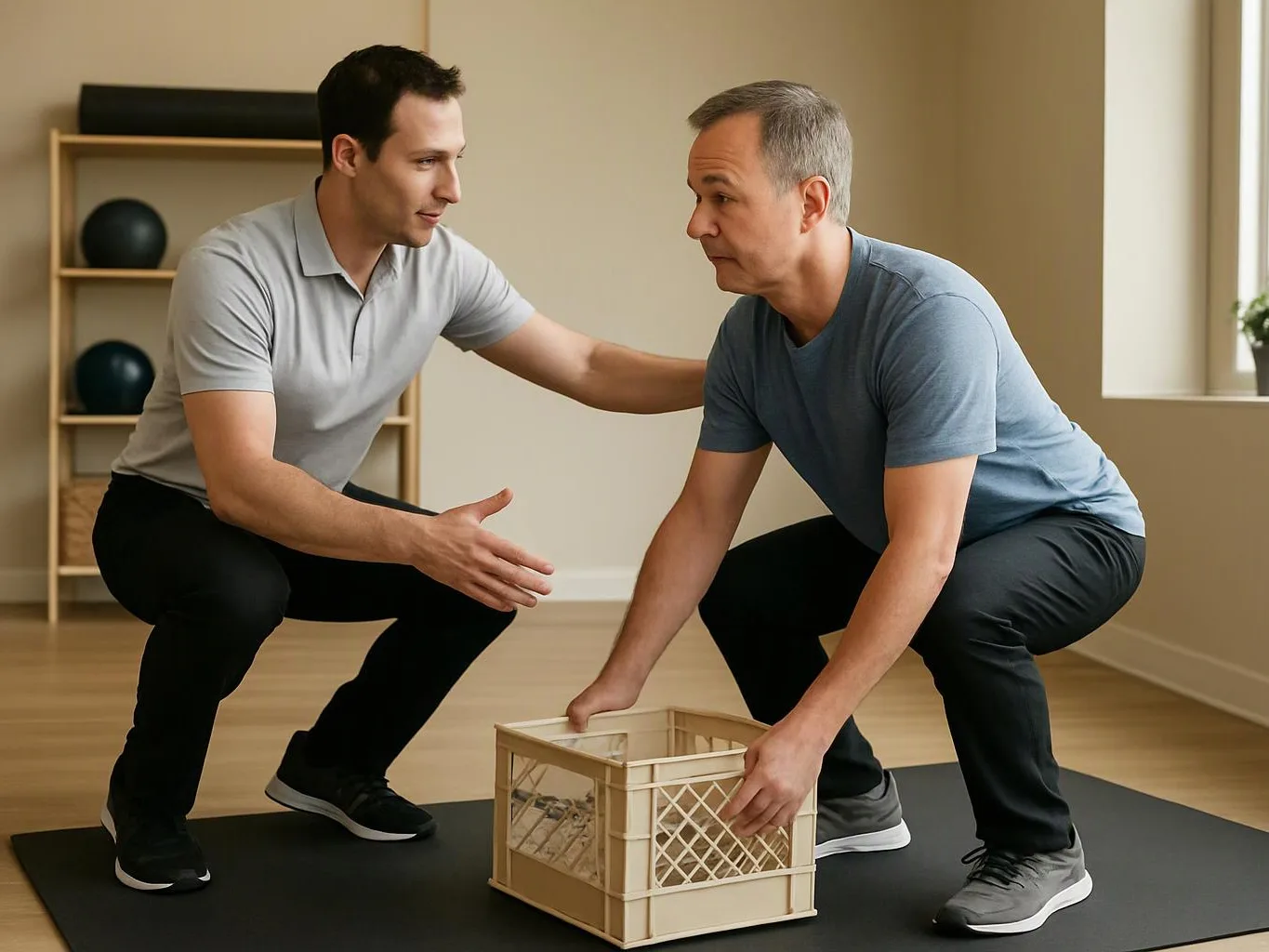
Corrective Exercise Therapy for Movement Control in Lakewood

Corrective exercise therapy is a focused service for patients whose pain or weakness affects daily movement. It may suit people recovering from an automobile accident, sports injury, workplace incident, or ongoing strain.

The main decision is whether guided exercise fits your current condition. Our team checks your health history, symptoms, range of motion, and movement patterns before selecting exercises. We adjust the plan when a movement causes pain or does not match your goals.

This service has limits. It does not replace medical care for symptoms that need urgent evaluation, and it is not the right fit for every condition. We explain the findings and treatment options before care begins.

  • Share when the pain began and which movements make it worse.
  • Bring details about an accident, sports injury, workplace incident, or ongoing strain.
  • Ask how each exercise supports your daily tasks.
  • Tell us if an exercise increases pain, numbness, or weakness.
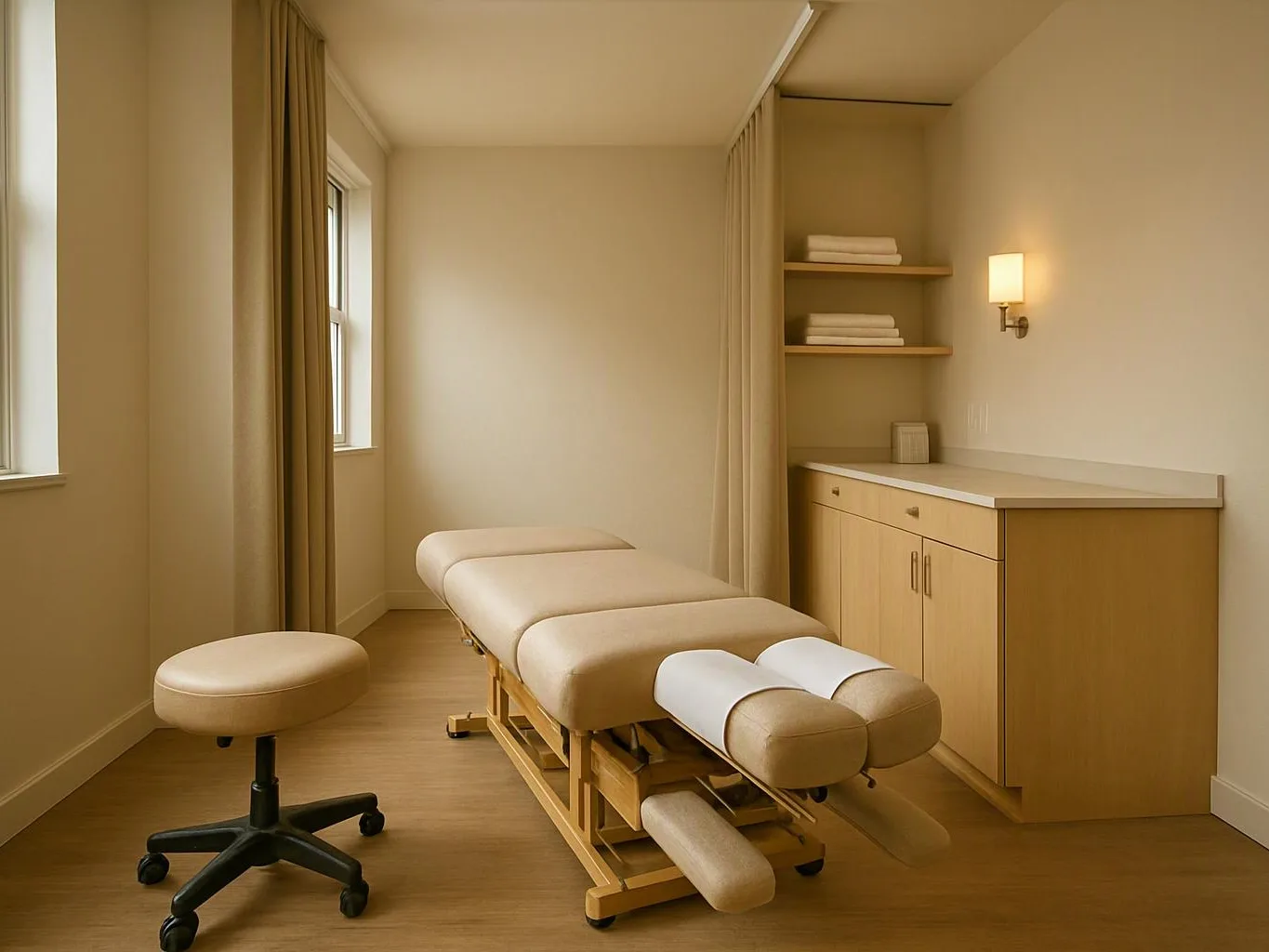
A massage table and stool sit in a quiet beige treatment room with shelves and a wall lamp

Service Overview

Corrective Exercise Therapy is a guided form of exercise that improves muscle activation, movement control, and functional strength.

  • Corrective exercise therapy differs from spinal adjustments because it trains how you move between appointments, while adjustments address joint motion.
  • Advanced Injury Care Clinic provides this care for patients in Lakewood and surrounding communities.

What Corrective Exercise Therapy Includes for Your Recovery

Advanced Injury Care Clinic provides comprehensive Corrective Exercise Therapy in Lakewood. Here's what you get:

  • We complete a health history and movement exam before choosing exercises.
  • We identify muscle activation and movement control needs linked to your symptoms.
  • We teach exercises that support functional strength and daily movement.
  • We explain how to perform each exercise with safe form.
  • We provide practical guidance that supports your recovery plan.
  • We review progress and adjust exercises as your needs change.

How We Match Exercises to Your Actual Needs

Movement findings guide the plan

The first plan follows your exam, symptoms, and daily goals. We do not use the same exercise list for every patient.

Exercises connect to daily tasks

We link movement drills to activities such as walking, work tasks, lifting, or sport. That helps you understand why each exercise matters.

The service has a clear limit

Corrective exercise therapy is not the right service for every symptom. We discuss other care needs when an exam shows that guided exercise should not lead the plan.

Process

How We Build and Check Your Exercise Plan

1

Review your health history

We discuss your symptoms, injury details, daily demands, and treatment goals.

2

Check movement and muscle use

The exam looks at range of motion, muscle activation, balance, and movements that bring on symptoms.

3

Choose guided exercises

We select exercises for movement control, functional strength, and the tasks you want to perform.

4

Practice safe form

We show each exercise and explain what you should feel during the movement.

5

Review your response

We discuss comfort, control, and progress so the plan can change when your needs change.

What Guided Exercise Can Change for Daily Movement

Better muscle activation can help you control movement around a painful area.

Functional strength work supports tasks such as walking, lifting, reaching, and sitting.

A guided plan gives you clear steps for practice between appointments.

Movement control work may improve comfort when individual response supports it.

Regular maintenance may help you keep useful movement habits after active care.

How Exercise-Based Care Differs From Other Chiropractic Services

These services can address different parts of a personalized care plan.

ServiceMain focusWhat the patient receives
Corrective exercise therapyMuscle use and movement controlGuided exercises and practical movement instruction
Spinal adjustmentsJoint motionChiropractic care directed by examination findings
Soft-tissue therapyMuscle and surrounding soft tissueHands-on treatment when it fits the care plan

The Advanced Injury Care Clinic Standard

  • Individualized Care
  • Thorough Assessments
  • Clear Communication
  • Comfortable Techniques

Questions About Guided Corrective Exercise

How can corrective exercise therapy support joint stability during recovery?

Joint stability improves when guided exercises strengthen control around a weak or painful area. Advanced Injury Care Clinic matches exercises to your exam and daily goals. The plan may include muscle activation, balance work, and functional strength. Individual response differs, so we review how each movement feels and adjust the plan when needed.

What should I ask before agreeing to corrective exercise therapy?

The best questions cover the goal, exercise form, warning signs, and how the plan connects to daily tasks. Ask which movement problem the exercise addresses and what you should report. Our team explains the reason for each exercise before you begin. You should also share past injuries, current symptoms, and any exercise that increases discomfort.

Which condition changes the time needed for corrective exercise therapy?

The condition that most changes the plan is the patient’s current movement control and tolerance for exercise. Pain, weakness, limited range of motion, and an accident history all affect the work. An exam gives us the information needed to select safe progressions. We do not assign a fixed schedule without reviewing those findings.

When should I choose guided exercises after an injury?

Guided exercises fit when an exam shows that movement control or strength needs focused work. They may support recovery after an automobile accident, sports injury, workplace incident, or ongoing strain. Severe or changing symptoms may require another form of evaluation first. Tell us what happened and which movements remain difficult.

Why does exercise form matter during recovery?

Exercise form matters because poor control can place stress on the wrong area. We watch alignment, breathing, range of motion, and muscle use during each movement. Small changes can make an exercise more suitable for your condition. Stop and report sharp pain, new numbness, or increased weakness during practice.

How is corrective exercise therapy matched to my needs before treatment starts?

Your health history and movement exam guide the exercise selection before treatment starts. We look at symptoms, range of motion, muscle activation, and daily demands. A patient with work-related lifting needs may need a different plan from someone returning to sport. The findings shape the exercises and the guidance we provide.
Contact

Discuss Corrective Exercise Therapy in Lakewood

Advanced Injury Care Clinic offers Free Consultations for patients who want to discuss movement, strength, and recovery needs in Lakewood. Schedule a visit to review your symptoms and care options.

A smiling man in a dark shirt sits on a bench beside a water bottle near a large window

The health and wellness information on this website is for general informational purposes only and is not medical advice. It does not create a provider-patient relationship. Always consult a qualified licensed provider in Brentwood, Tennessee, United States about your specific condition before making care decisions. Individual results vary.

(615) 265-0412