Skip to content

Postural Correction in Pegram, Tennessee

Shoulder stretches need to match your movement needs in Pegram. We pair safe mobility work with core strengthening and hands-on chiropractic care.

Upfront, Transparent PricingServing 18 CommunitiesMon-Fri: 9 am–7 pm, Sat: 9 am–2 pm, Sun: ClosedFast Scheduling

Quick Summary: Postural Care in Pegram, Tennessee

Postural Correction in Pegram is provided by Advanced Injury Care Clinic for posture concerns, restricted movement, and related musculoskeletal pain. Care may include evaluations, spinal adjustments, corrective exercises, soft-tissue techniques, and practical guidance for patients in Williamson County and nearby Nashville-area communities.

  • What we do: Advanced Injury Care Clinic provides Postural Correction in Pegram through evaluations, spinal adjustments, corrective exercises, and soft-tissue care.
  • What is included: Key capabilities include health history review, movement checks, core strengthening, hip mobility, balance training, and personalized treatment planning.
  • What you get: Postural correction gives you a clearer plan for supporting movement, comfort, and daily activity.

Why do my shoulders keep feeling tight during posture exercises?

Shoulder tightness can continue when mobility limits, muscle control, or spinal movement have not been checked together. A chiropractic evaluation helps connect the symptom with your movement pattern. We then choose exercises and treatment that match your needs.
Postural Correction for Movement Concerns in Pegram

Postural correction focuses on how your spine, shoulders, hips, and feet work together during daily movement. It may fit people with neck pain, back pain, headaches, shoulder tightness, or strain from work, sports, accidents, or repeated habits.

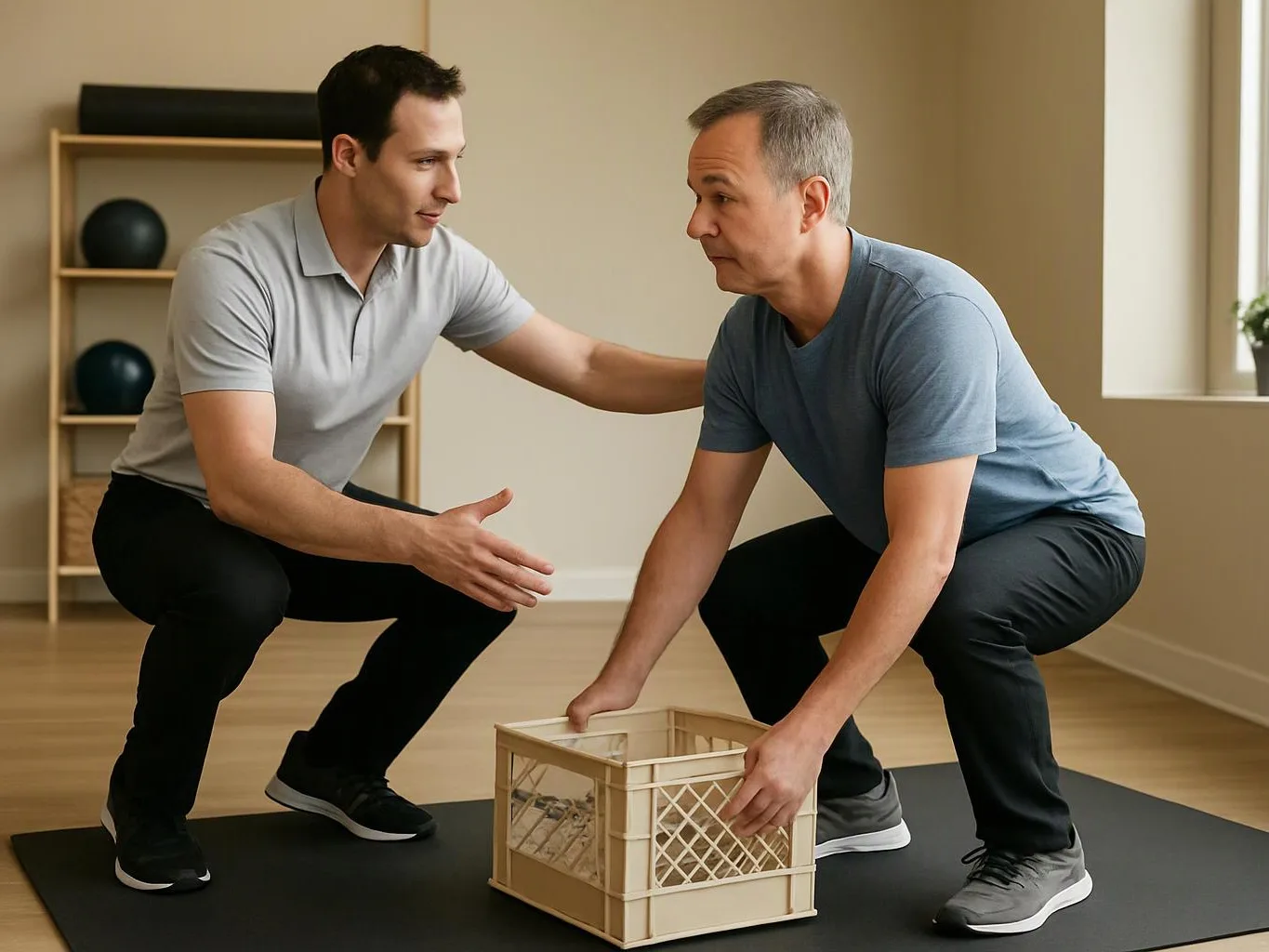
The page-specific focus is exercise support for posture, not a promise of a fixed result. We check how you move before choosing corrective exercises, because the right exercise depends on your symptoms, mobility, strength, and health history.

A chiropractic plan may combine spinal adjustments with soft-tissue therapy and home guidance. The goal is to help you understand what to practice and when to ask for a progress re-examination.

  • Discuss the symptoms and daily activities that affect your posture.
  • Check shoulder, spine, hip, and balance movement during the evaluation.
  • Match corrective exercises to your current mobility and strength.
  • Review safe home practice and signs that call for follow-up.
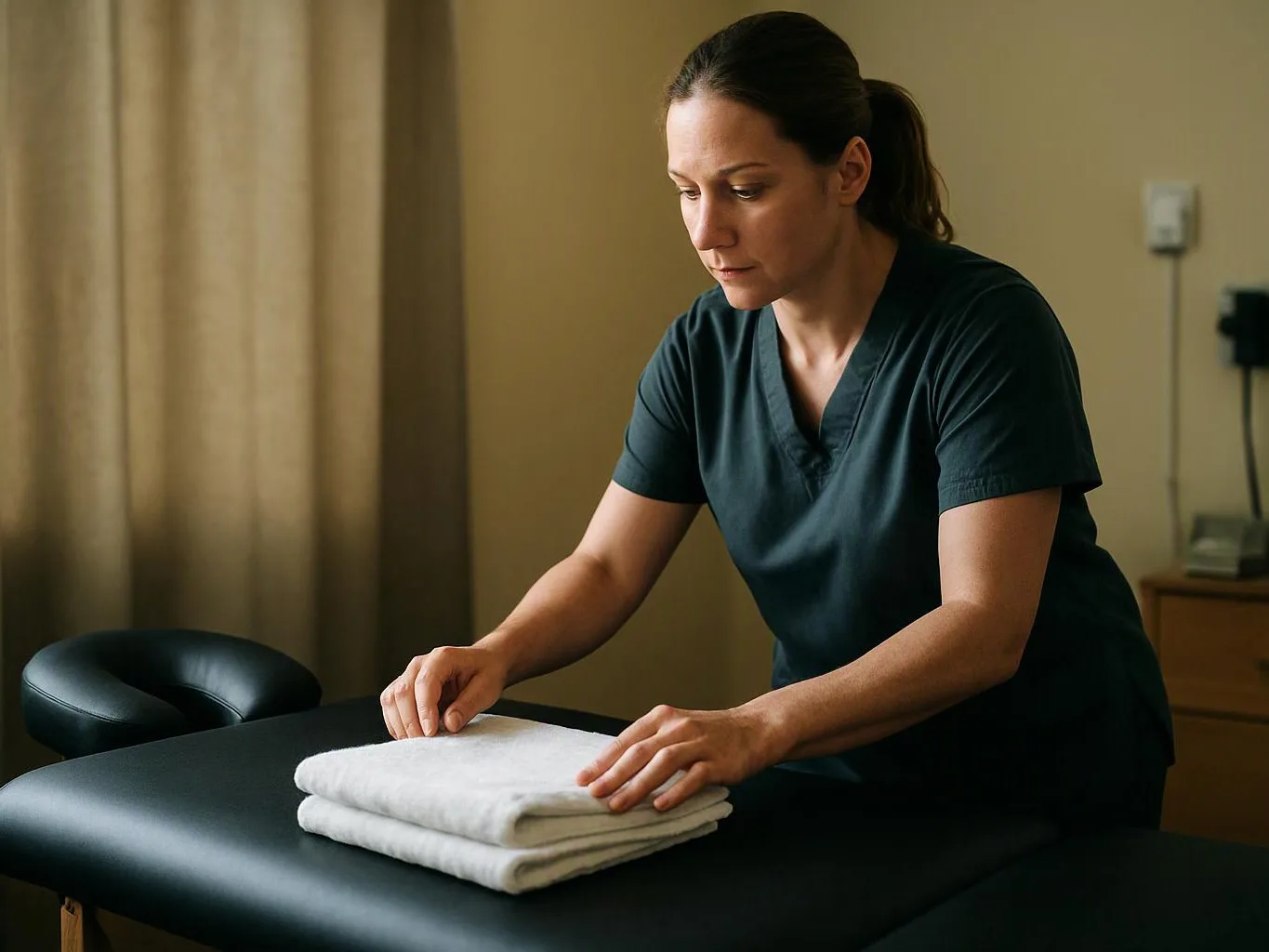
A woman in dark scrubs folds white towels on a black treatment table in a quiet room

Service Overview

Postural correction is a care approach that improves body alignment, movement control, and muscle support.

  • It differs from general stretching because the plan connects mobility work with an exam and corrective exercises.
  • Advanced Injury Care Clinic provides this care for patients in Pegram and surrounding communities.
Process

How We Build a Postural Care Plan

1

Review Your Health History

We discuss symptoms, prior injuries, daily activities, and the movement goals that matter to you.

2

Check Movement and Mobility

The evaluation considers spinal motion, shoulder mobility, hip movement, muscle support, and balance.

3

Choose Suitable Treatment

We may combine spinal adjustments, soft-tissue techniques, therapeutic modalities, and corrective exercises.

4

Practice the Planned Exercises

We explain safe movement patterns and show how home exercises support the broader care plan.

5

Review Your Progress

A progress re-examination helps us discuss how your symptoms and movement are responding to care.

A client scenario this service addresses

A person in Pegram may seek care after long hours at work, an accident, sports activity, or repeated strain causes shoulder tightness and back discomfort. We check movement and health history before choosing exercises, then explain which changes belong in the care plan.

What You Get From This Care Plan

A plan based on your movement

Your care begins with an evaluation, so exercises match your symptoms and current ability. We do not treat every posture concern with the same routine.

Guidance you can use at home

Corrective exercises work best when you understand the position, pace, and purpose. We explain how each exercise supports your care plan.

Care that includes a clear limit

Postural correction is not the right fit for every symptom. Severe or unexplained symptoms need medical assessment, and we guide you toward the appropriate next step when needed.

What Better Posture Support Can Change

A tailored exercise plan can help you understand which movements support your posture.

Improved mobility may make daily tasks more comfortable when stiffness limits movement.

Core and balance work can build better control during standing, walking, and routine activities.

Hands-on care may support comfort when muscle tension contributes to restricted movement.

Regular maintenance may help you keep using the movement habits discussed during care.

What Postural Correction Includes for Your Visit

Advanced Injury Care Clinic provides comprehensive Postural Correction in Pegram. Here's what you get:

  • We review your health history, symptoms, and movement goals during the new patient intake.
  • We complete a physical evaluation that considers spinal, shoulder, hip, and balance movement.
  • We may provide spinal adjustments when they fit your care plan.
  • We use corrective exercises such as core strengthening, back extensions, hip mobility, and balance training when appropriate.
  • We may add soft-tissue techniques or therapeutic modalities to support comfort and movement.
  • We give practical guidance for safe practice between appointments.

How Posture Care Methods Differ

These methods address different parts of movement, and a care plan may use more than one.

MethodMain focusHow we use it
Mobility exercisesMovement through a comfortable rangeWe use them when stiffness limits posture or daily motion.
Core strengtheningMuscle support for the trunkWe add it when strength and control affect standing or movement.
Balance trainingControl during standing and movementWe consider it when balance affects safe posture practice.

The Advanced Injury Care Clinic Standard

  • Individualized Care
  • Thorough Assessments
  • Clear Communication
  • Comfortable Techniques

Questions About Postural Correction and Exercise

What exercises support postural correction?

Shoulder stretches support mobility, while core strengthening, back extensions, hip mobility, and balance training support movement control. We choose exercises after checking your symptoms and range of motion. The plan should match your current ability. We also explain safe form and how to adjust an exercise if it increases discomfort.

How does a postural correction visit move from the first call to the last step?

The visit moves from intake and examination to treatment planning, exercise guidance, and progress review. We first discuss your health history and movement goals. Then we assess mobility and may provide spinal adjustments or soft-tissue care. Your plan ends with practical home guidance and a later review when appropriate.

Which part of posture work decides the treatment scope?

The movement pattern and symptoms decide the treatment scope. We look at shoulder mobility, spinal motion, hip movement, balance, and muscle control. Your health history also matters, especially after an accident or workplace injury. Those findings guide the mix of adjustments, exercises, and soft-tissue techniques.

Which material changes how long posture exercises take?

Exercise equipment is not the main factor that sets treatment time. Your mobility, strength, symptoms, and ability to perform each movement safely matter more. We may use simple tools such as a TheraBand when they fit the plan. We explain the exercise setup during the visit.

When should I ask about posture care after an injury?

You should ask about posture care when pain, stiffness, or uneven movement continues after an injury. An evaluation helps determine whether corrective exercises fit your condition. We review the injury history and check movement before treatment. Severe or unexplained symptoms may require medical assessment first.

Why might stretching alone fail to improve posture?

Stretching alone may not address weak support muscles, limited hip movement, or poor balance. Our evaluation looks at those factors before we set exercises. Core work, back extensions, or balance training may support the mobility work when suitable. Results vary, so we adjust guidance to your response.
Contact

Discuss Postural Correction in Pegram

Advanced Injury Care Clinic offers free consultations for people who want to discuss posture, movement, or related pain. During the first days after reaching out, you can share your concerns, review the consultation process, and decide whether an evaluation fits your needs.

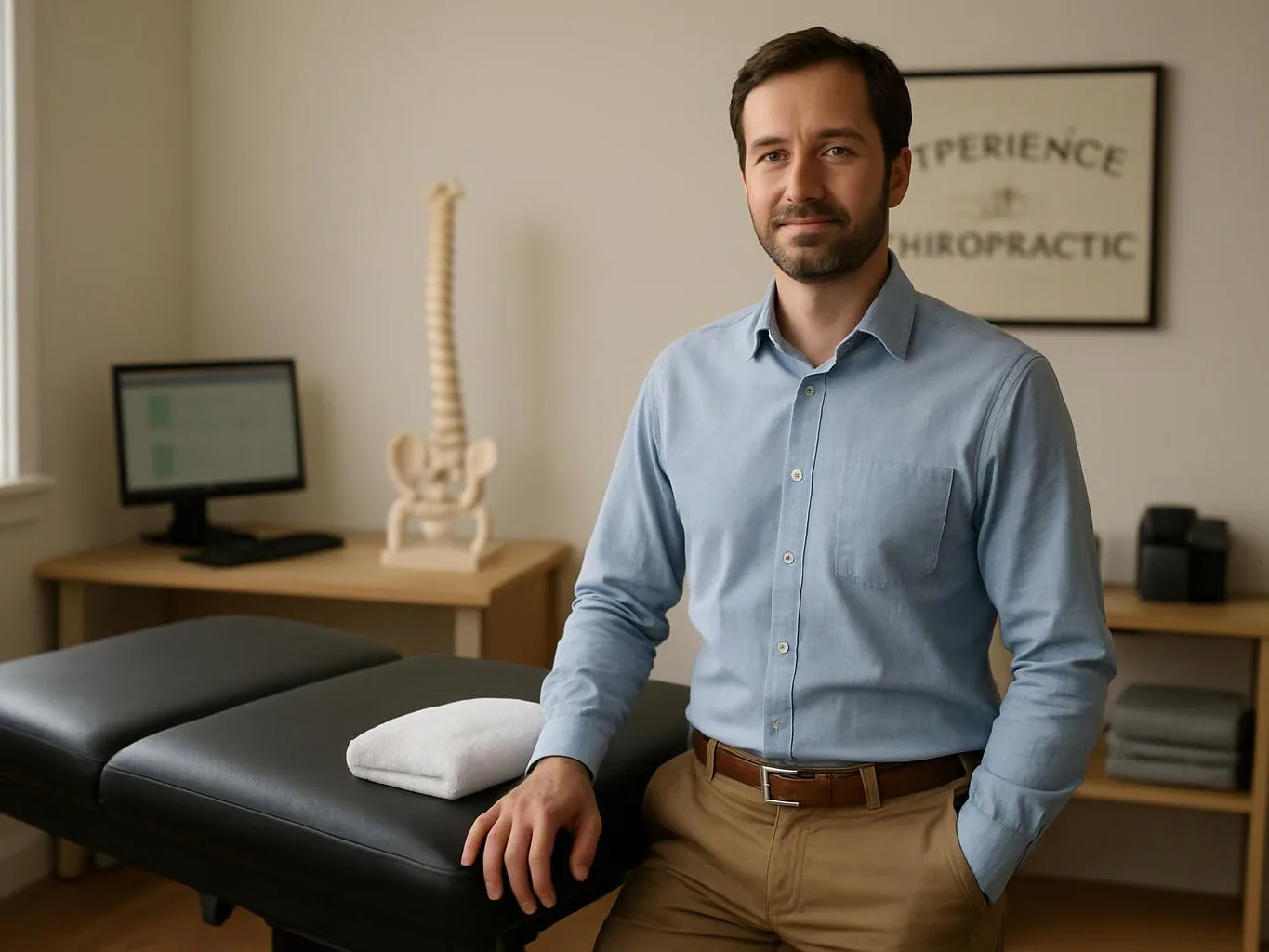
A man stands beside a black massage table in a clinic room with a spine model and a blurred wall sign

ZIP Codes We Serve in Pegram, Tennessee

37143

The health and wellness information on this website is for general informational purposes only and is not medical advice. It does not create a provider-patient relationship. Always consult a qualified licensed provider in Brentwood, Tennessee, United States about your specific condition before making care decisions. Individual results vary.

(615) 265-0412