What injuries can result from a slip and fall?
Sprains, strains, joint pain, and spinal misalignment can result from a slip and fall. Neck pain, back pain, headaches, and sciatica may also appear after impact. Our team reviews the fall and examines movement before discussing care. Severe symptoms, suspected fractures, or loss of consciousness require prompt medical attention.
Who is a good fit for fall injury relief, and who needs a different service?
Patients with musculoskeletal pain and movement limits may fit chiropractic fall injury care. Our assessment reviews joint motion, muscle tenderness, spinal movement, and related symptoms. Suspected fractures, severe bleeding, loss of consciousness, or urgent neurological symptoms need medical evaluation. We explain the appropriate next step after the examination.
What does the crew look at first after a fall?
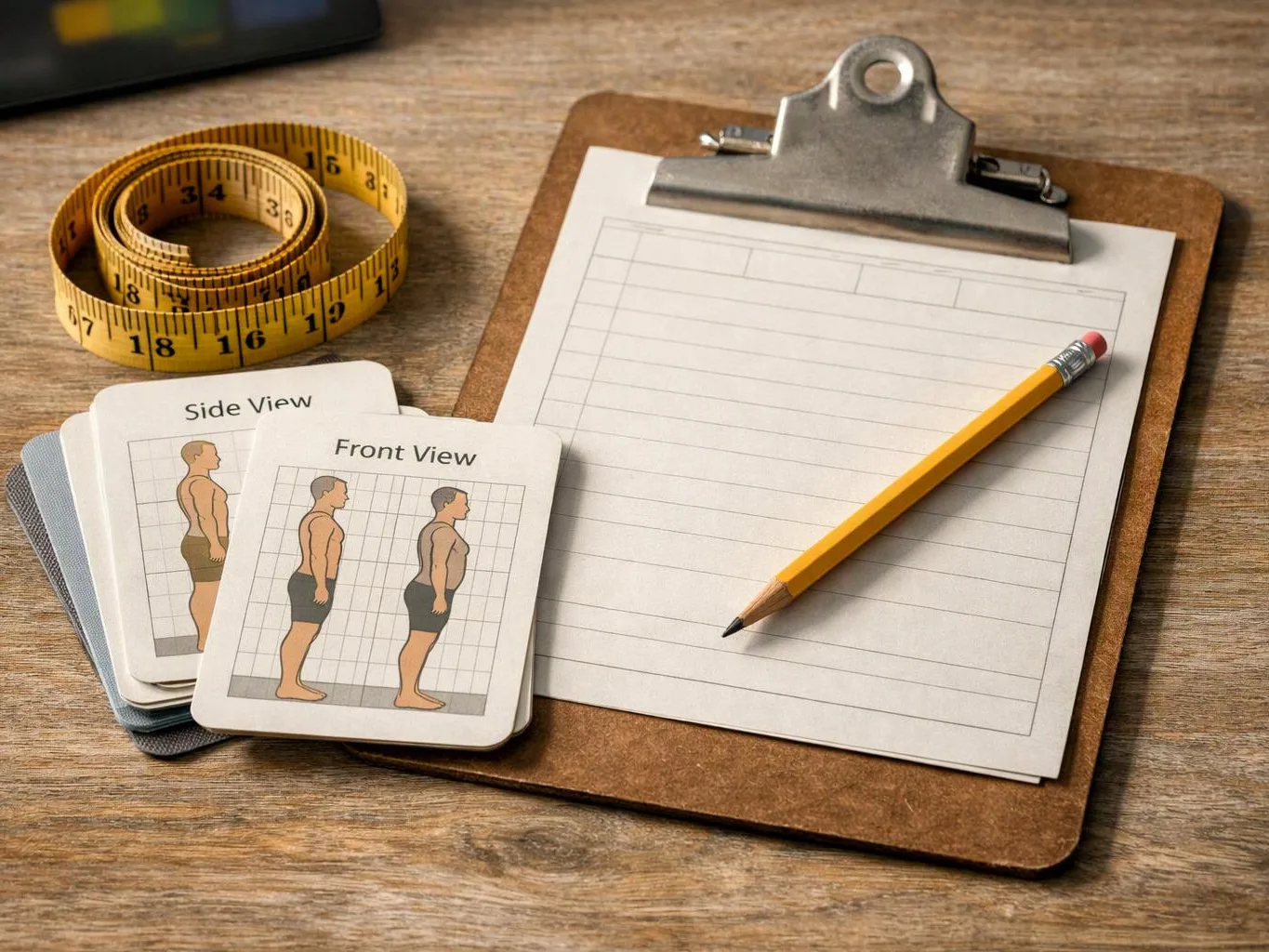
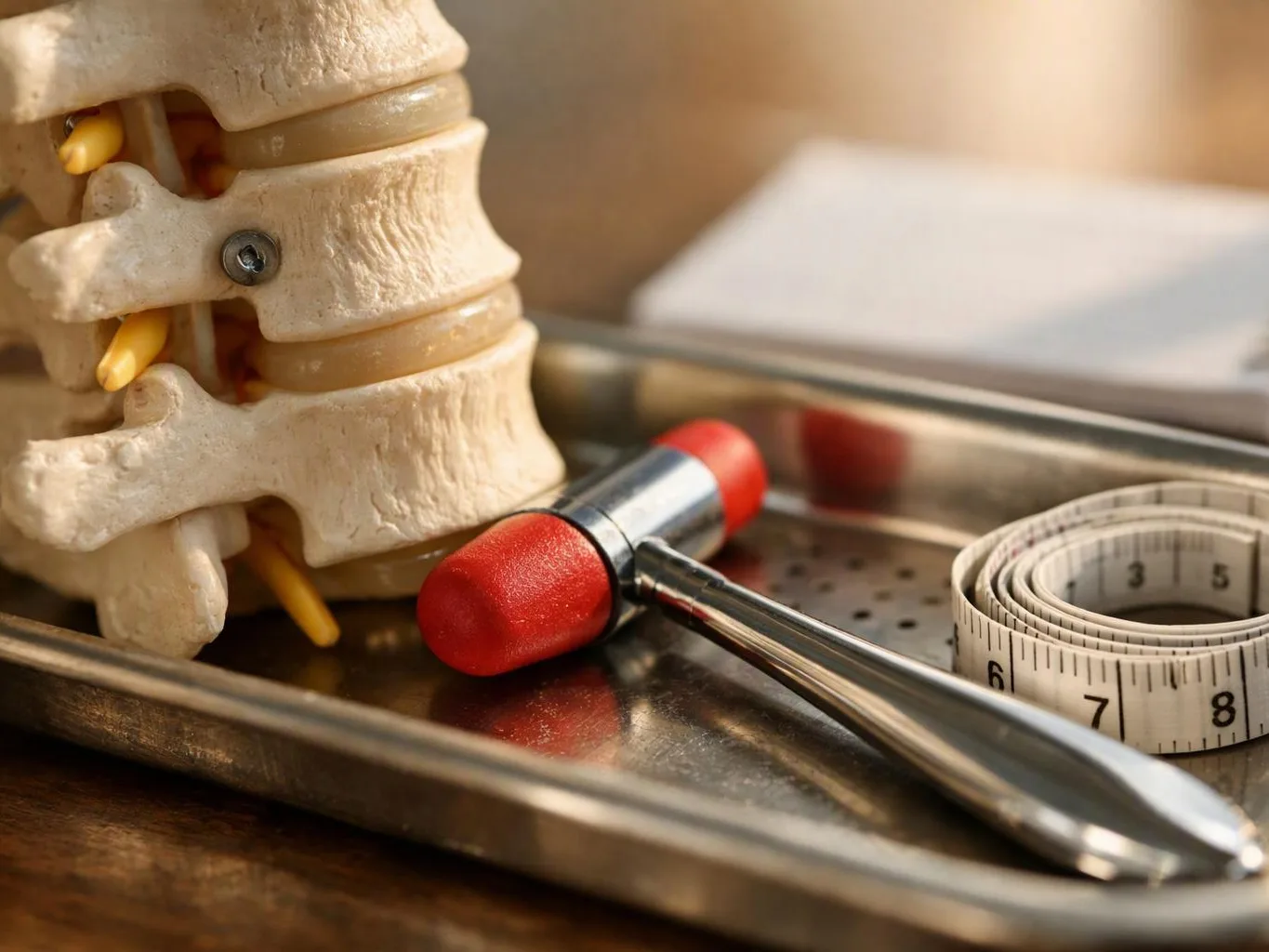
The first assessment reviews the fall, health history, pain pattern, and changes in movement. The exam then checks tenderness, range of motion, and related neck or back symptoms. X-rays are considered if clinically indicated. These findings guide the discussion about adjustments, soft tissue therapy, exercises, and other care.
How does each stage of fall injury care work?
Fall injury care starts with intake, continues through examination and treatment planning, and includes progress review.
- The health history records the fall and symptoms.
- The exam checks movement and affected areas.
- The care plan explains suitable methods.
- Follow-up reviews comfort, mobility, and daily activity.
When should I seek medical care instead of chiropractic treatment?
Medical care should come first for loss of consciousness, severe bleeding, suspected fractures, or urgent neurological symptoms. Chiropractic care focuses on musculoskeletal concerns after the assessment. If symptoms point outside that scope, our team can explain why medical evaluation is the safer next step.
Why can a joint hurt after the main bruise fades?
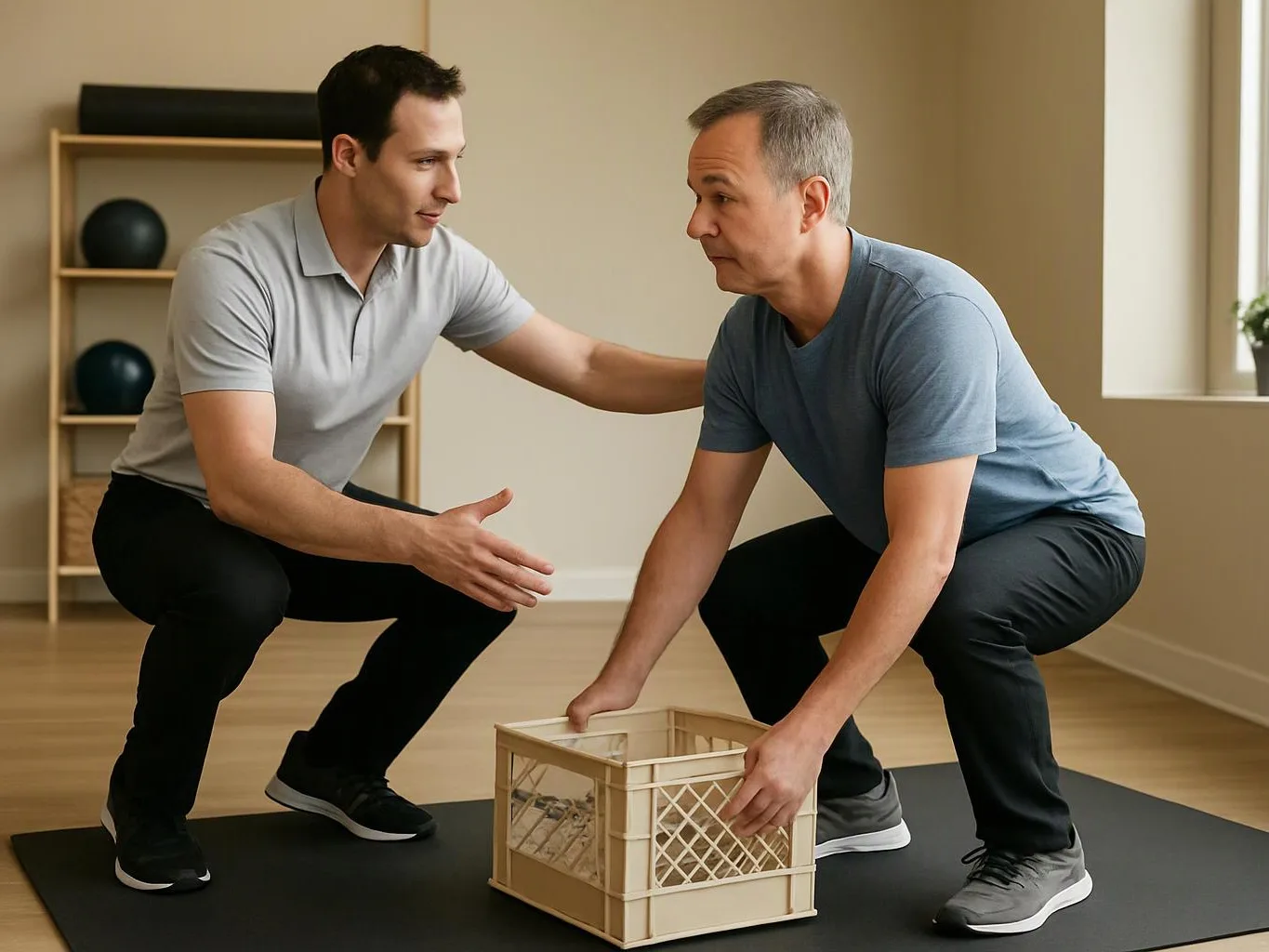
Joint pain can continue because a fall may affect nearby muscles, ligaments, or movement patterns. The exam checks the joint, surrounding soft tissue, and related spinal motion. Our team then discusses care options that match the findings, such as soft tissue therapy, corrective exercises, or suitable adjustments.
Which information should I bring to the first appointment?
Your symptom history, current medicines, relevant medical records, and details about the fall help guide the first visit. Include when pain began and which movements make it worse. This information supports the health history and helps our team discuss an appropriate personalized care plan.