

Describe the fall and symptoms
We review the impact, pain location, symptom changes, and tasks that now feel difficult. This gives the exam a clear starting point.
A fall can strain the neck, back, joints, or soft tissue. We build care around your exam findings and daily recovery goals.
A focused assessment connects the fall, symptoms, and movement limits.
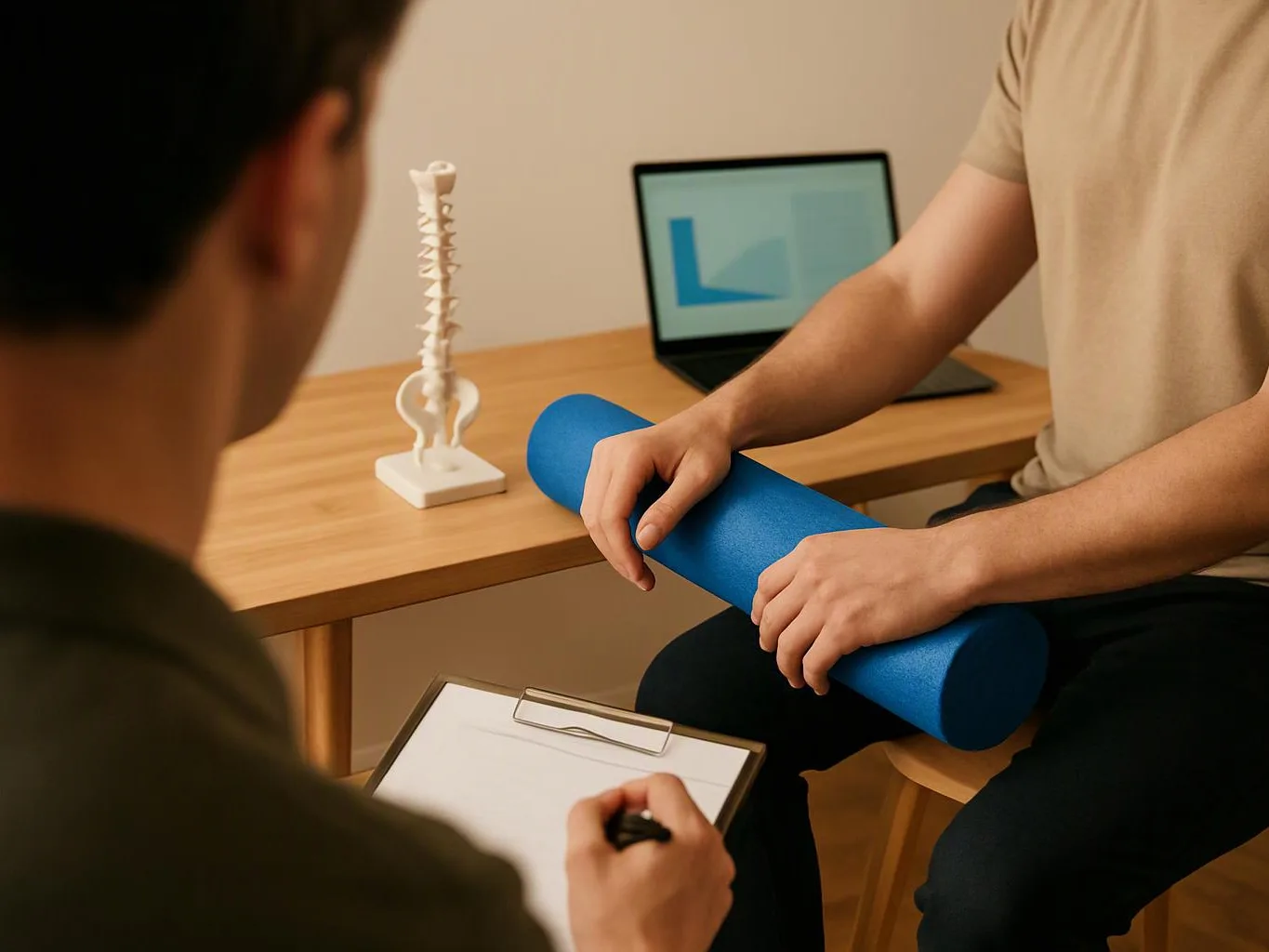
Corrective exercises give you active steps to support mobility between visits.
Soft-tissue care and spinal adjustments may improve comfort when they fit your findings.
Progress checks help keep treatment aligned with changing symptoms and daily goals.
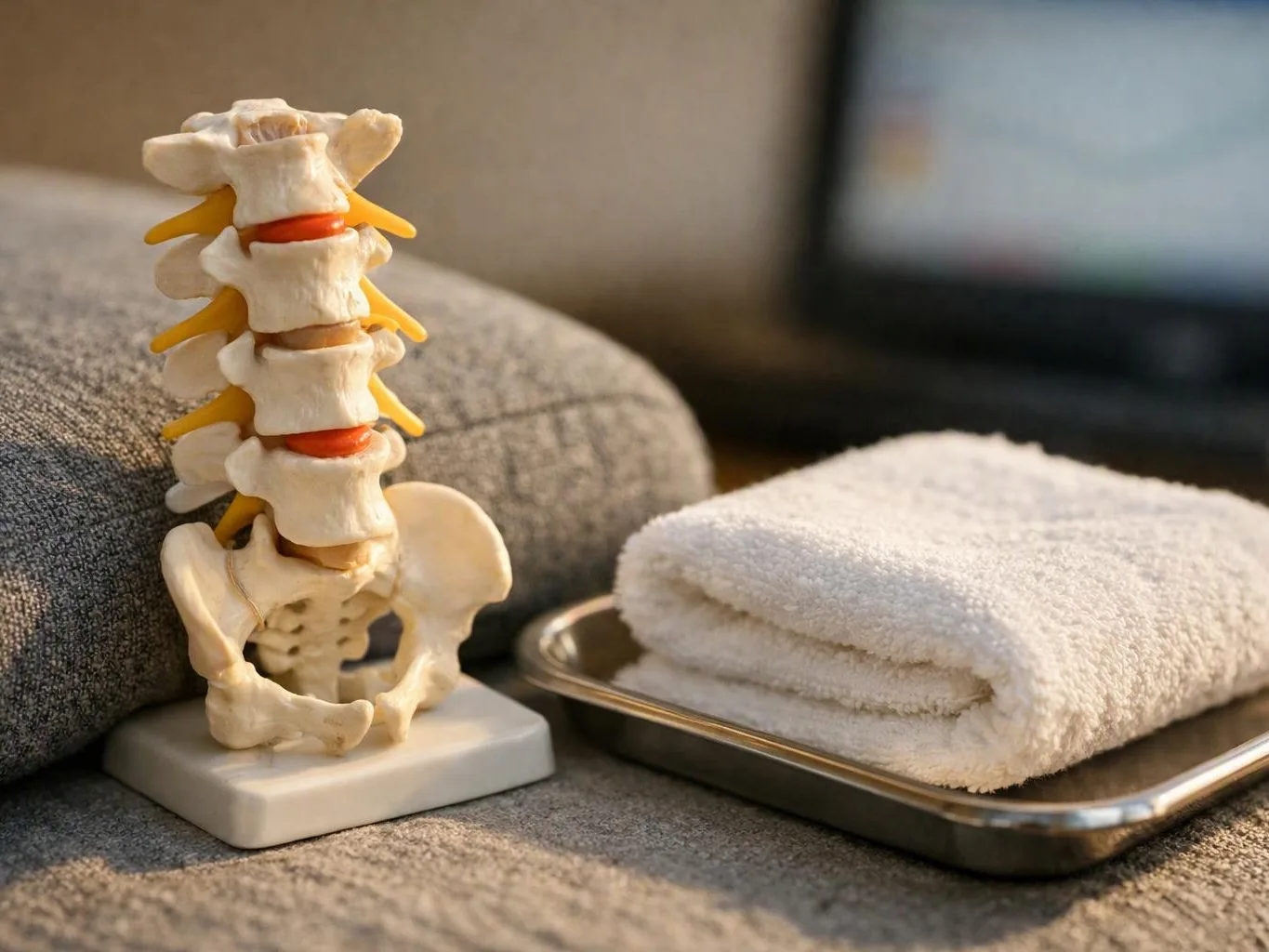
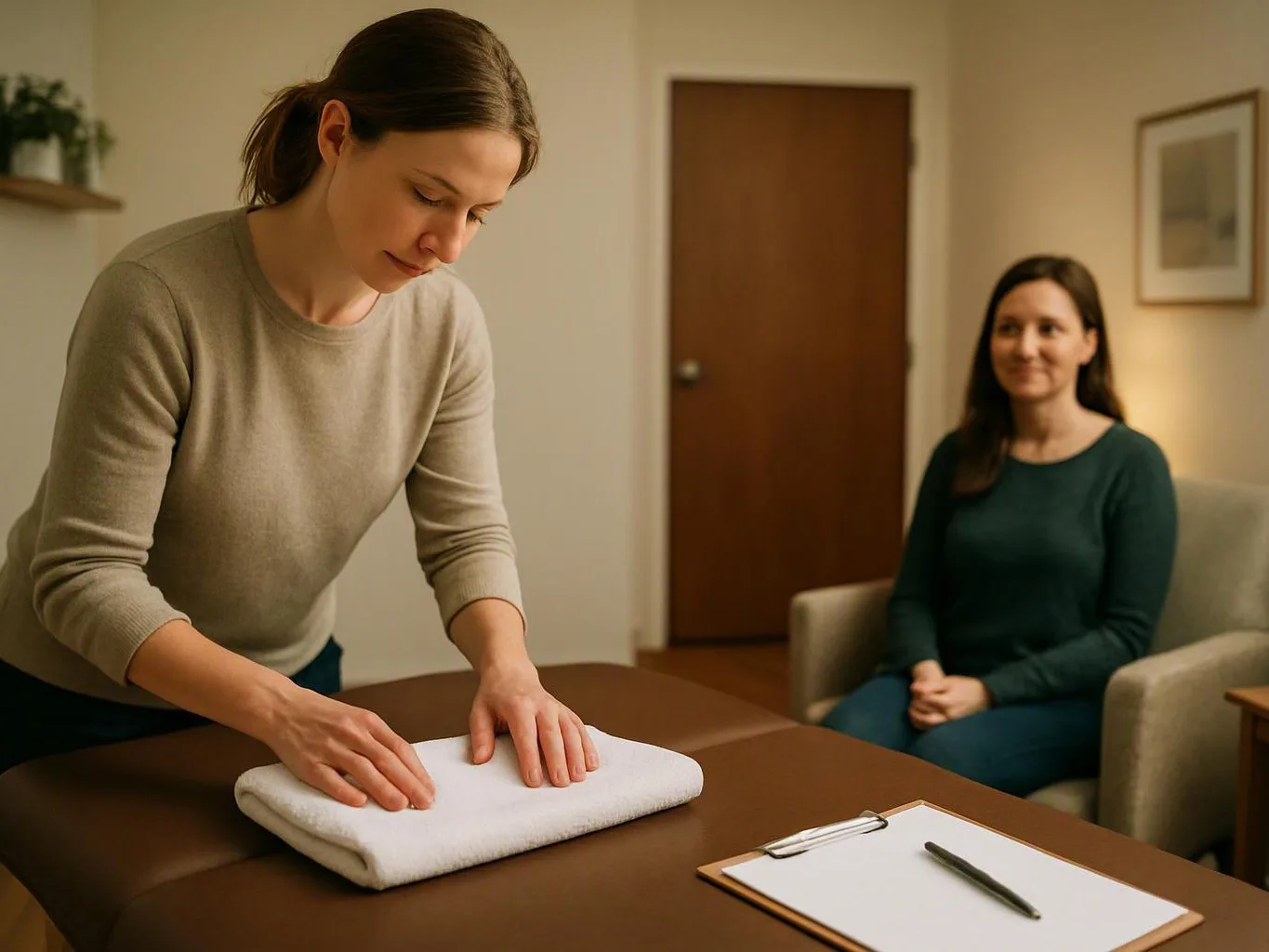
Slip and Fall Injury Relief begins with a new patient intake, health history, and physical exam. We ask how the fall happened, where you landed, and which movements now cause trouble. Our care may include spinal adjustments, soft-tissue therapy, corrective exercises, and therapeutic modalities. X-rays may be considered when clinically indicated. We explain the findings and outline a personalized treatment plan. A useful care plan connects symptoms with daily tasks. For example, difficulty turning your head, rising from a chair, or walking can shape the exercises and follow-up checks we use. Individual response differs, so we monitor progress and adjust care as your needs change.
Slip and Fall Injury Relief is a chiropractic service that assesses fall-related pain and supports safer movement through tailored care.
We review the impact, pain location, symptom changes, and tasks that now feel difficult. This gives the exam a clear starting point.
We assess movement, tenderness, and musculoskeletal function. X-rays may be considered if clinically indicated.
We explain what the assessment shows and answer questions about available care options before treatment begins.
Care may include spinal adjustments, soft-tissue techniques, corrective exercises, or therapeutic modalities suited to your needs.
We check how symptoms and movement change over time, then update the plan when your needs change.
A few details can help us understand the fall and plan your first visit.
We assess the fall history, affected areas, movement limits, and related symptoms before recommending treatment.
We review symptom and movement changes during care, then adjust exercises or treatment choices when patient needs change.
Start with a consultation and injury-focused assessment from Advanced Injury Care Clinic. We’ll review your symptoms, movement limits, and care options close to home.
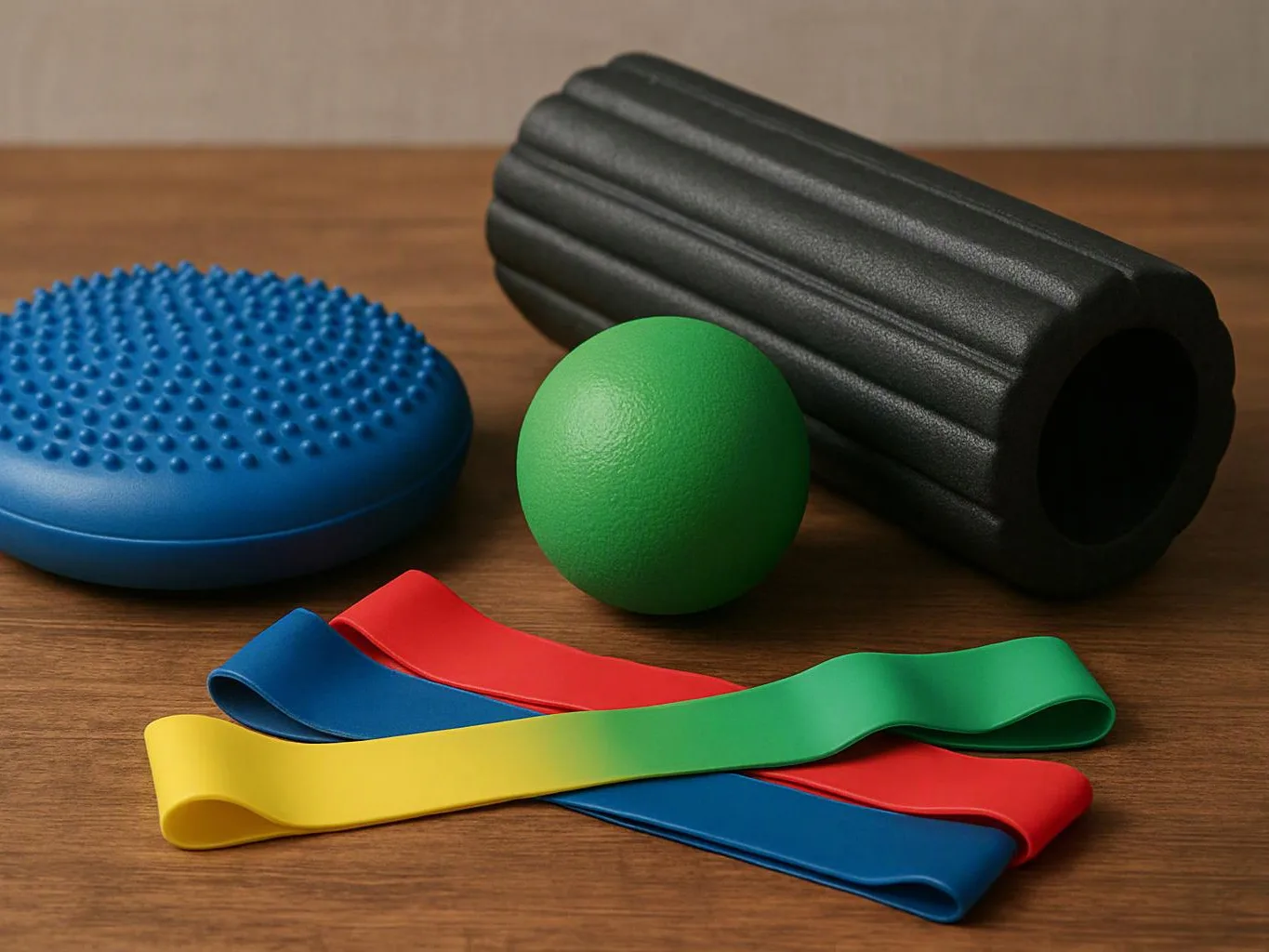
A fall at home can leave neck or back pain that appears during normal tasks. The way you landed and the movements that now hurt matter during the assessment. Write down those changes before your visit, then bring any related records so we can connect the injury history with your current function and plan suitable care.
Some patients notice headaches after a fall, especially when neck movement also feels limited. We review when the headaches began and check related neck symptoms during the exam. Keep a brief note of triggers and changes, then share it at your appointment so treatment choices match the full pattern rather than one symptom.
Hip, knee, or back pain can make walking and standing harder after a fall. The care plan needs to address both the painful area and the movement task that has changed. Tell us which daily actions feel difficult, and bring questions about exercises or hands-on care that may support comfort and mobility.

The health and wellness information on this website is for general informational purposes only and is not medical advice. It does not create a provider-patient relationship. Always consult a qualified licensed provider in Brentwood, Tennessee, United States about your specific condition before making care decisions. Individual results vary.
(615) 265-0412