Glossary

What is Chiropractic Biophysics?

Chiropractic Biophysics is a science-based approach to chiropractic care that combines spinal alignment, posture correction. And rehabilitation exercises. It uses precise measurements, X-rays. And mirror-image adjustments to restore the spine’s natural shape and improve nerve function, aiming to reduce pain and enhance overall health.

Reviewed by Advanced Injury Care ClinicSources reviewed: Chiropractic Biophysics Official Website, Journal of Chiropractic Medicine

Quick Facts About Chiropractic Biophysics

Category

Chiropractic technique

Used for

Spinal alignment, posture correction, chronic pain relief

Common confusion

Often mistaken for general chiropractic adjustments without measurement

Also called

CBP, Spinal Biophysics

Often discussed with

Back Pain Treatment, Work Injury Treatment

Key Takeaways About Chiropractic Biophysics

Understanding Chiropractic Biophysics

Chiropractic Biophysics in Chiropractor—Brentwood

Chiropractic Biophysics (CBP) is a specialized branch of chiropractic care that applies principles of physics, biomechanics. And geometry to diagnose and treat spinal misalignments. Unlike traditional chiropractic methods that focus mainly on relieving pain, CBP aims to correct the underlying structure of the spine. This approach uses detailed measurements, such as X-rays, to identify deviations from the spine’s ideal alignment. By understanding how gravity and posture affect spinal health, CBP practitioners create personalized treatment plans to restore balance and function.

Related glossary terms: Chiropractic Adjustment, Spinal Subluxation, X-Ray.

At its core, CBP is based on the idea that the spine’s shape directly impacts overall health. A spine with abnormal curves—such as a flat back or excessive swayback—can lead to chronic pain, nerve compression. And even organ dysfunction. CBP techniques are designed to gradually reshape the spine into its optimal form, which is believed to improve nerve flow, reduce stress on muscles and ligaments. And boost mobility. This method is particularly useful for patients with long-standing spinal issues that haven’t responded to other treatments.

How Chiropractic Biophysics Works?

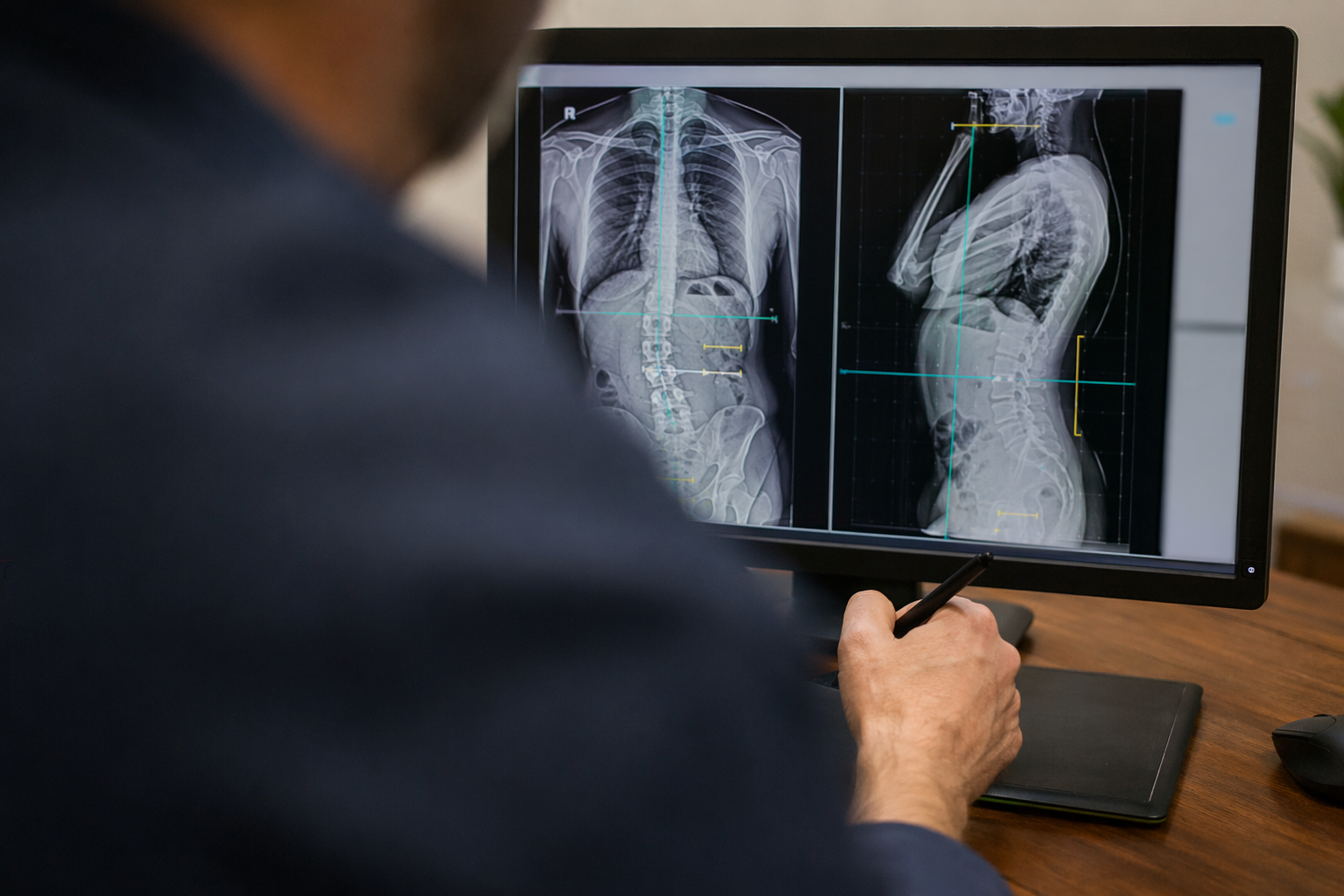
Chiropractic Biophysics begins with a thorough assessment, including a physical exam and imaging studies like X-rays. These images help the chiropractor measure spinal curves, angles. And alignment against established norms. For example, the neck should have a gentle forward curve. While the lower back should curve inward. If these curves are too flat or too pronounced, CBP techniques are used to correct them. The treatment plan often includes a combination of spinal adjustments, traction. And specific exercises custom to the patient’s needs.

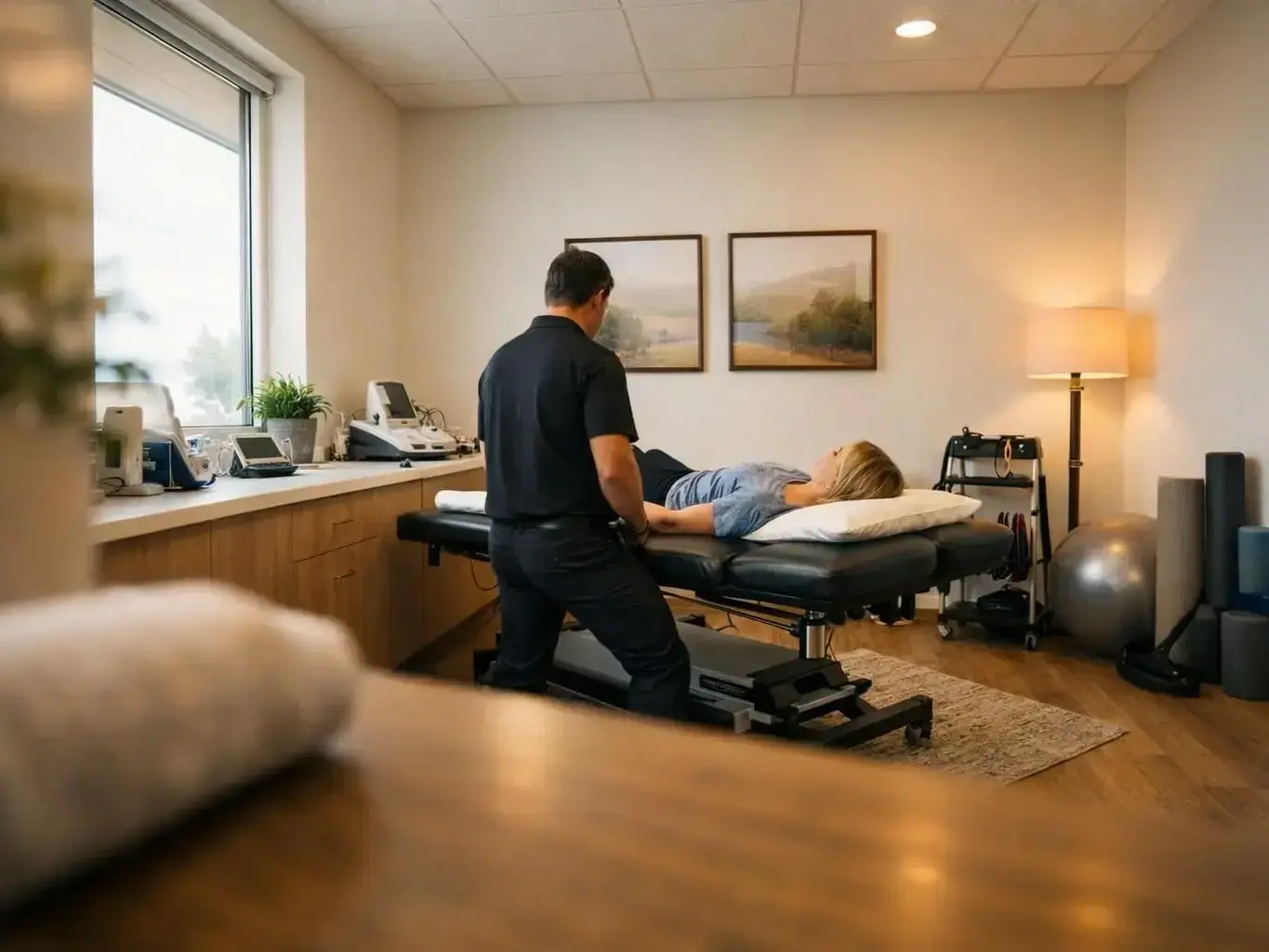
One key tool in CBP is the use of mirror-image adjustments. This technique involves positioning the patient in the opposite direction of their spinal misalignment to gradually retrain the spine into a healthier shape. For instance, if a patient has a forward head posture, the chiropractor might use exercises and adjustments that encourage the head to move backward. Over time, this helps the spine return to its natural alignment. Traction devices, such as specialized tables or harnesses, may also be used to stretch and decompress the spine, further supporting the correction process.

Why Chiropractic Biophysics Matters?

Chiropractic Biophysics matters because it addresses the root cause of spinal problems rather than just masking symptoms. Many patients seek chiropractic care for pain relief. But without correcting the spine’s structure, the pain often returns. CBP offers a long-term solution by improving posture, reducing wear and tear on joints. And enhancing nervous system function. This can lead to better mobility, reduced risk of injury. And improved quality of life, especially for those with chronic conditions like scoliosis or degenerative disc disease.

Another important benefit of CBP is its focus on evidence-based care. The techniques used in CBP are supported by clinical research and studies that demonstrate their effectiveness. For example, studies have shown that CBP can significantly improve spinal alignment and reduce pain in patients with conditions like chronic lower back pain or forward head posture. By relying on measurable outcomes, CBP provides a clear way to track progress and adjust treatment as needed.

When Chiropractic Biophysics Matters Most?

Chiropractic Biophysics is most beneficial for individuals with chronic spinal issues that haven’t improved with traditional chiropractic care or physical therapy. It's particularly useful for patients with conditions like scoliosis, hyperkyphosis (hunchback). Or abnormal spinal curves caused by poor posture, injuries. Or aging. CBP is also helpful for those recovering from car accidents, sports injuries. Or work-related strain, where spinal misalignment may contribute to ongoing pain or dysfunction.

Many projects start with And CBP can be valuable for people who spend long hours sitting, such as office workers or drivers, as prolonged sitting often leads to postural imbalances. By addressing these imbalances early, CBP can prevent more serious problems from developing later. Patients who are committed to following their treatment plan—including at-home exercises and lifestyle changes - tend to see the best results with CBP. But it’s important to note that CBP may not be suitable for everyone, such as those with severe osteoporosis or certain spinal fractures. So a thorough evaluation is always necessary.

How to Evaluate Chiropractic Biophysics?

Related Concepts Compared

Chiropractic Biophysics vs. Traditional Chiropractic Adjustment

Traditional chiropractic adjustments focus on relieving pain through manual spinal manipulations. While Chiropractic Biophysics uses measurements and physics to correct spinal structure for long-term health.

Chiropractic Biophysics vs. Physical Therapy

Physical therapy often emphasizes strengthening muscles and improving mobility. While Chiropractic Biophysics targets spinal alignment and posture using precise adjustments and traction.

Expert Note

Chiropractic Biophysics requires patience and consistency, as reshaping the spine takes time. Unlike quick-fix adjustments, CBP aims for lasting structural change, which can lead to better overall health and fewer recurring issues.

Common Mistakes or Myths About Chiropractic Biophysics

  • Assuming Chiropractic Biophysics is the same as regular chiropractic care without measurements.
  • Expecting immediate results; CBP requires time to reshape the spine.
  • Skipping at-home exercises, which are essential for long-term success.
  • Choosing a chiropractor without CBP training for this specific technique.

Chiropractic Biophysics in Practice: A Real-World Example

A patient with chronic lower back pain undergoes Chiropractic Biophysics treatment. After X-rays reveal a flattened lumbar curve, the chiropractor uses mirror-image adjustments and traction to restore the spine’s natural shape. Over several months, the patient’s pain decreases. And follow-up X-rays show improved alignment.

Sources & Further Reading on Chiropractic Biophysics

Related Services

Related Terms

Chiropractic Adjustment

Chiropractic Adjustment is a precise manual procedure where a licensed chiropractor applies controlled force to a specific joint in the spine or other body area. The goal is to improve alignment, reduce nerve irritation. And restore normal movement. Adjustments are often accompanied by a popping sound caused by gas releasing from the joint.

Spinal Subluxation

Spinal subluxation is a partial dislocation or misalignment of one or more vertebrae in the spine, which may interfere with nerve function, reduce mobility. And cause pain or discomfort. Chiropractors identify and correct subluxations to help restore proper spinal alignment and support overall nervous system health.

X-Ray

X-Ray is x-Rays are a type of electromagnetic radiation that creates images of the inside of the body, especially bones. X-Rays pass through soft tissues but are absorbed by denser materials like bones, producing clear pictures that help doctors and chiropractors diagnose fractures, infections. Or spinal misalignments without surgery.

Functional Rehabilitation

Functional Rehabilitation is a goal-oriented treatment approach that helps injured individuals regain everyday movement, strength. And endurance by focusing on real-world activities rather than isolated exercises. It combines physical therapy, chiropractic care. And targeted exercises to restore function, reduce pain. And prevent future injuries after accidents, surgeries.

Decompression Therapy

Decompression Therapy is a non-surgical treatment designed to relieve pressure on the spine and affected nerves. It involves gentle stretching of the spine using a motorized table or device to create negative pressure within spinal discs, promoting retraction of herniated or bulging discs and improving nutrient flow to the area.

Advanced Injury Care Clinic

Have Questions About Chiropractic Biophysics?

Contact Advanced Injury Care Clinic for practical guidance on Chiropractic Biophysics and related chiropractor work in Brentwood.

+1 615-777-0624