
Skip to content

Whiplash Injury Treatment in Brentwood, Tennessee

Neck pain, stiffness, headaches, and reduced motion can follow a sudden impact. We build care around your exam findings and comfort.

Upfront, Transparent PricingServing 18 CommunitiesMon-Fri: 9 am–7 pm, Sat: 9 am–2 pm, Sun: ClosedFast Scheduling
Whiplash Injury Treatment from Advanced Injury Care Clinic supports people in Brentwood with neck pain after an automobile accident, sports injury, workplace incident, or ongoing strain. We begin with a thorough assessment, then discuss care options that may include spinal adjustments, soft-tissue therapy, corrective exercises, and practical guidance.

What changes when neck movement starts limiting your day

You receive a plan tied to your neck symptoms and movement findings.

Guided exercises can support neck and upper-body mobility between visits.

Soft-tissue work may address muscle tension that adds to discomfort.

Progress checks help us adjust care as your needs change.

What Whiplash Injury Treatment Covers

Whiplash Injury Treatment is a chiropractic service that assesses neck-related symptoms after sudden head and neck movement.
  • Whiplash care differs from general wellness care because it focuses on injury history, current symptoms, movement, and recovery needs.
  • Patients in Brentwood can receive this service at our clinic, which also serves Williamson County and nearby Nashville-area communities.
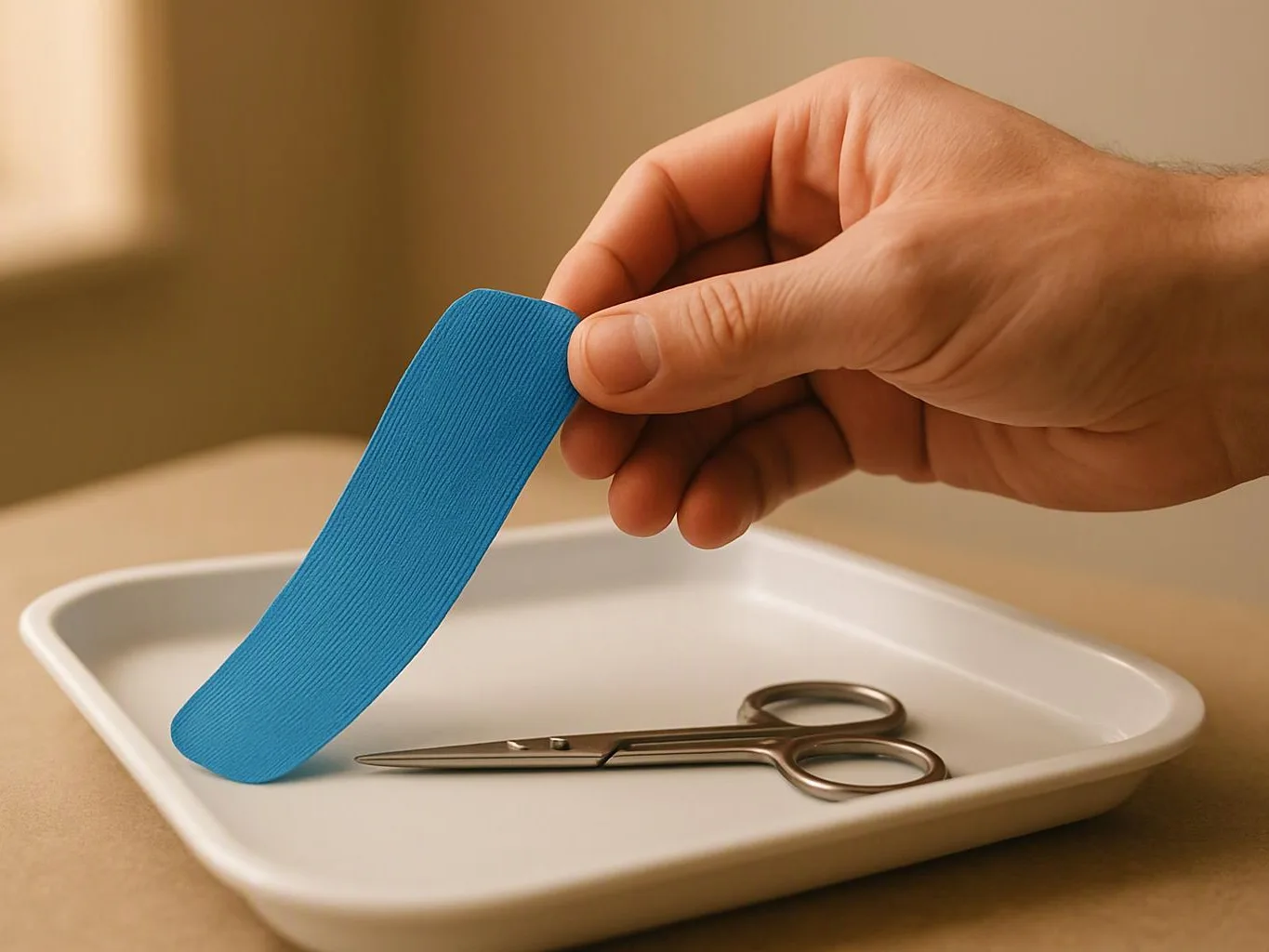
A hand holds a blue adhesive strip above a tray with small scissors on a table
About

What whiplash care covers after an impact

Whiplash injury treatment starts with the event that caused the symptoms and the way your body feels now. We review neck pain, headaches, stiffness, shoulder discomfort, and changes in movement. Our team may use spinal adjustments, soft-tissue techniques, corrective exercises, and therapeutic modalities. The right mix depends on your assessment and goals, so we don't apply one fixed plan to every patient. Cost can change when the assessment is more involved or when several treatment methods are appropriate. Extra visits, corrective exercises, and therapeutic modalities can also affect the total. We explain the care options and what each step addresses before treatment begins. We don't recommend chasing every available technique. A focused plan tied to your symptoms is usually more useful than adding care that does not answer a clear clinical need.

Process

How whiplash care moves from assessment to treatment

1

Share the impact and symptom history

We ask about the accident, sports injury, workplace incident, or strain, then record when symptoms began and what makes them worse.

2

Complete a focused examination

We assess movement, tenderness, posture, and related neck or upper-body findings before recommending treatment.

3

Review the care options

We explain whether spinal adjustments, soft-tissue therapy, corrective exercises, or therapeutic modalities fit your findings.

4

Start the selected treatment

We use comfortable hands-on techniques and guided exercises that match your condition and stated goals.

5

Monitor progress and adjust care

We review changes in comfort and mobility, then update the care plan when your needs shift.

What to prepare before a whiplash visit

Bring details that help us connect the injury event with your current symptoms.

  • Write down when the neck pain, headache, or stiffness began.
  • Bring any accident, workplace, or sports injury information you have.
  • Note movements that worsen symptoms and tasks that feel harder.
  • List current medicines, prior injuries, and relevant health concerns.
  • Bring questions about adjustments, exercises, soft-tissue therapy, and follow-up.

The Advanced Injury Care Clinic Standard

Individualized Care

We shape each whiplash care plan around the patient’s symptoms, examination findings, comfort, and recovery goals.

Thorough Assessments

We assess injury history, neck movement, related symptoms, and daily limits before recommending chiropractic treatment.

Progress Monitoring

We review changes in comfort and mobility, then adjust whiplash care when the patient’s needs change.

Questions about care after whiplash

Who provides whiplash injury treatment in Brentwood?

Advanced Injury Care Clinic provides whiplash injury treatment in Brentwood. We assess accident-related neck pain, stiffness, headaches, and movement limits before recommending care. Treatment may include spinal adjustments, soft-tissue therapy, corrective exercises, or therapeutic modalities. Our team explains the options and monitors how your symptoms change.

What happens during the first visit after a car accident?

The first visit includes a health history and focused examination of symptoms, movement, and related neck or upper-body findings. We discuss the accident, symptom timing, and daily limits. X-rays may be considered if clinically indicated. The next step is a care discussion based on the assessment.

What changes the cost of whiplash care?

Assessment needs, treatment methods, and the amount of follow-up care influence the cost. A plan using adjustments alone differs from one that also includes soft-tissue therapy, exercises, or therapeutic modalities. We explain what each recommended step addresses and how to request an exact quote from our clinic.

Do I need an X-ray before seeing you?

No, you don't need to obtain an X-ray before the first visit. We complete a health history and examination first, then consider imaging if clinically indicated. Bring any relevant records you already have. Our assessment helps determine which information is useful for your care plan.

Should I see a chiropractor or a physical therapist for whiplash?

A chiropractor may fit patients seeking spinal assessment, adjustments, soft-tissue care, and guided exercises. A physical therapist may focus on rehabilitation within a different clinical plan. Your symptoms, examination findings, and goals should guide the choice. We can discuss the chiropractic options that match your assessment.

Can I use home exercises instead of an appointment?

Home exercises may support recovery, but they don't replace an assessment when neck pain, headaches, or limited motion continue. Exercise choice should match your symptoms and movement findings. We can review corrective exercises and explain how they fit with hands-on care.

Does whiplash care include massage therapy?

Whiplash care may include soft-tissue therapy when muscle tension contributes to symptoms. Soft-tissue work is different from a general massage session because we select it within an injury-focused care plan. We first assess your neck and upper-body findings, then explain whether this approach fits.

Key Points About Whiplash Injury Treatment

  • Whiplash can affect neck motion, headaches, and nearby upper-body muscles.
  • A health history and examination guide the treatment choices.
  • Adjustments, soft-tissue therapy, exercises, and modalities serve different roles.
  • A focused plan helps avoid care that lacks a clear purpose.
  • Progress checks help match treatment to changing symptoms.
Contact

Discuss whiplash care in Brentwood

Advanced Injury Care Clinic can review your injury history, symptoms, and treatment options after you reach out. We’re open Monday through Friday from 9 am to 7 pm, Saturday from 9 am to 2 pm, and closed Sunday.

Scenarios

When Customers Call Us About Whiplash Injury Treatment

1

Neck stiffness after a car accident

Neck stiffness can appear after an automobile accident, even when the first concern seems minor. The exam should connect the impact, current motion, headaches, and upper-body symptoms before care begins. Bring the accident details and symptom timeline to an appointment, then discuss whether adjustments, soft-tissue work, or corrective exercises fit your findings.

2

Headaches with reduced neck motion

Headaches and limited neck motion can make work, driving, and daily tasks harder after sudden movement. The key decision is whether the symptoms involve the neck and nearby muscles, which we assess through history and examination. Schedule a visit to review the pattern, movement limits, and treatment options.

3

Ongoing pain after initial self-care

Home stretching may not address every factor behind ongoing neck or shoulder discomfort. A focused assessment can show which movements are restricted and whether soft-tissue therapy, spinal adjustments, or guided exercises suit the condition. Write down what you tried and what changed before discussing a personalized plan with our team.

Our Other Services

Massage TherapyTight muscles after training, desk work, or daily strain can make movement uncomfortable. Massage therapy uses myofascial release and trigger-point work to ease muscle tension and improve flexibility around painful areas.
Chiropractic AdjustmentPatients with stiff joints or restricted movement can receive a careful chiropractic adjustment focused on the affected area. Spinal manipulation and range-of-motion checks help reduce joint pressure and make everyday movement more comfortable.
Spinal Decompression TherapyPersistent leg symptoms or pressure in the lower back may call for spinal decompression therapy. Controlled traction addresses spinal loading around compressed discs and can support easier sitting, standing, and walking.
Auto Accident Injury TreatmentAfter a collision, soreness may develop in the neck, shoulders, or lower back days later. We assess seat-belt injuries, crash-related stiffness, and changing symptoms, then build care around safer movement and return to normal activities.
Prenatal Chiropractic CarePregnancy-related pelvic pressure and sacroiliac discomfort can make sleep, walking, and daily tasks harder. Prenatal chiropractic care uses pregnancy-appropriate positioning and gentle adjustments to support mobility while your body changes.
Pediatric Chiropractic CareChildren with posture concerns or activity-related muscle tension need age-appropriate care and clear explanations. Pediatric chiropractic evaluations focus on spinal alignment, movement patterns, and gentle techniques suited to the child’s comfort.

The health and wellness information on this website is for general informational purposes only and is not medical advice. It does not create a provider-patient relationship. Always consult a qualified licensed provider in Brentwood, Tennessee, United States about your specific condition before making care decisions. Individual results vary.

(615) 265-0412