Understanding Chiropractic License
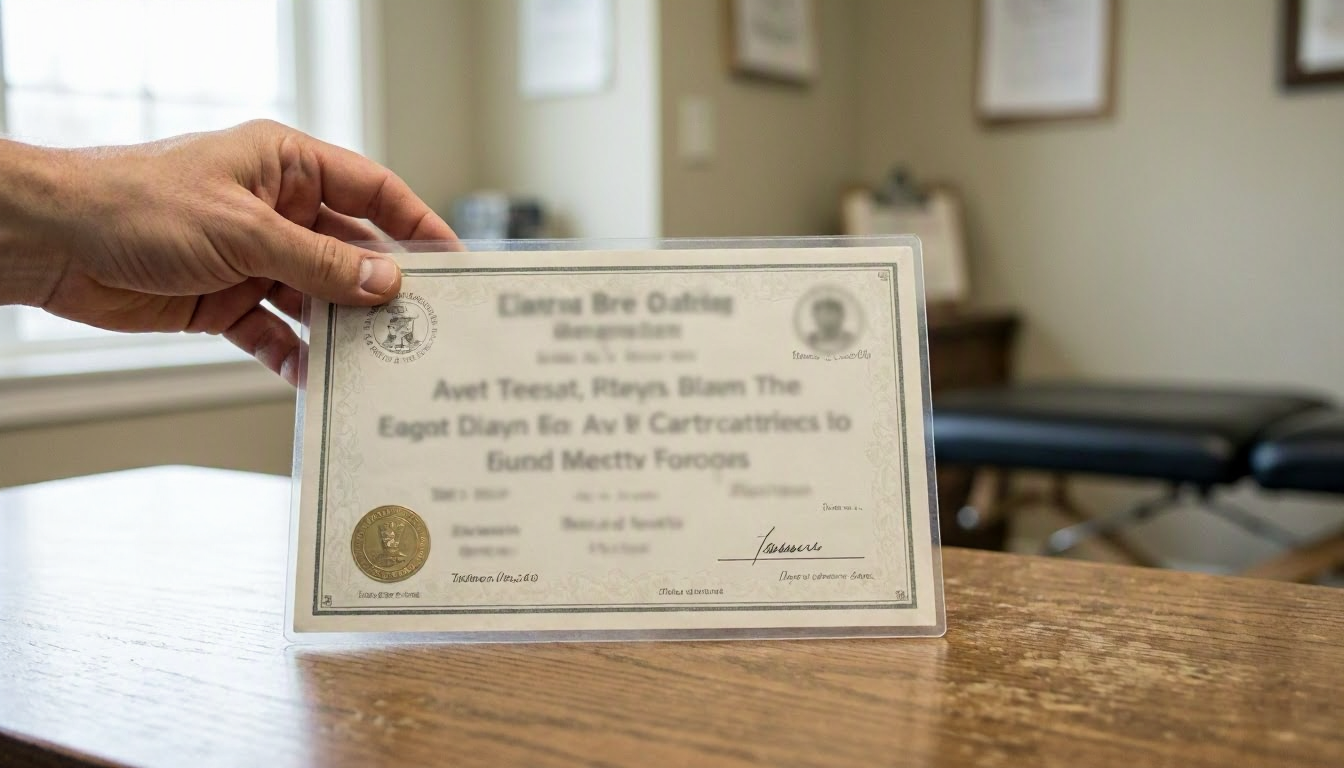
A chiropractic license is a legal permit. It lets a Doctor of Chiropractic (DC) work. The state gives this license.
This license shows the DC met rules. They had to study and train a lot. They also passed tests.
Chiropractic care helps with muscle and bone problems. It uses spine fixes and hands-on help. Without a license, a DC can't treat patients.
How Chiropractic License Works, Is Measured. Or Is Used?
Each state has its own chiropractic board. The board gives out licenses. It sets the rules for schools, training. And behavior.
To get a license, you must finish chiropractic school. The school must be approved. You must pass big tests too.
Many states also make you take a law test. This test is about state rules. It makes sure you know them.
The license process starts with a DC degree. The school must be approved by the CCE (a group that checks schools).
After school, you take NBCE (national) tests. These tests check science and doctor skills. Some states add their own tests too.
Licenses must be renewed every year or two. You must take classes to renew. These classes are called continuing education (CE) credits.
CE credits help DCs learn new things. They learn about new ways to help patients. Each state says how many credits you need.
If you don't meet the rules, you can lose your license. Then you can't work as a DC. That's why it's so important.
A chiropractic license says what a DC can do. This is called the scope of practice. Most states let DCs fix spines and use hands-on help.
Some states let DCs do more. They can give food advice or therapy. DCs must follow their state's rules.
Why Chiropractic License Matters?
A chiropractic license keeps patients safe. It makes sure DCs know how to help. They must pass tests to prove they're ready.
Licenses set rules for schools and behavior. They also help if a DC does something wrong. The state board can check and punish them.
A license is a must for DCs. It lets them work and get paid. Insurance won't pay without one.
Most health plans need a license. This includes Medicare and workers' comp. Without a license, a DC can't bill them.
When Chiropractic License Matters Most?
A chiropractic license is key for patients. It's very important for back or neck pain. It's also needed after accidents.
Patients should check a DC's license. They can look on the state board's website. This makes sure the DC can work.
Licenses matter for insurance too. If a DC isn't licensed, insurance won't pay. Always check before you go.
DCs need a license to keep working. It's the law in every state. Moving or joining a clinic often needs proof of it.
For injury or workers' comp cases, a license is a must. It lets DCs give records in court. Without it, the records don't count.
In Brentwood, TN, DCs must have a license. It must be from Tennessee. The state board watches over them.
The board makes sure DCs follow rules. This includes taking classes to stay updated. Patients can check licenses online.
This helps everyone get safe care. It makes sure DCs know what they're doing. Always pick a licensed DC.