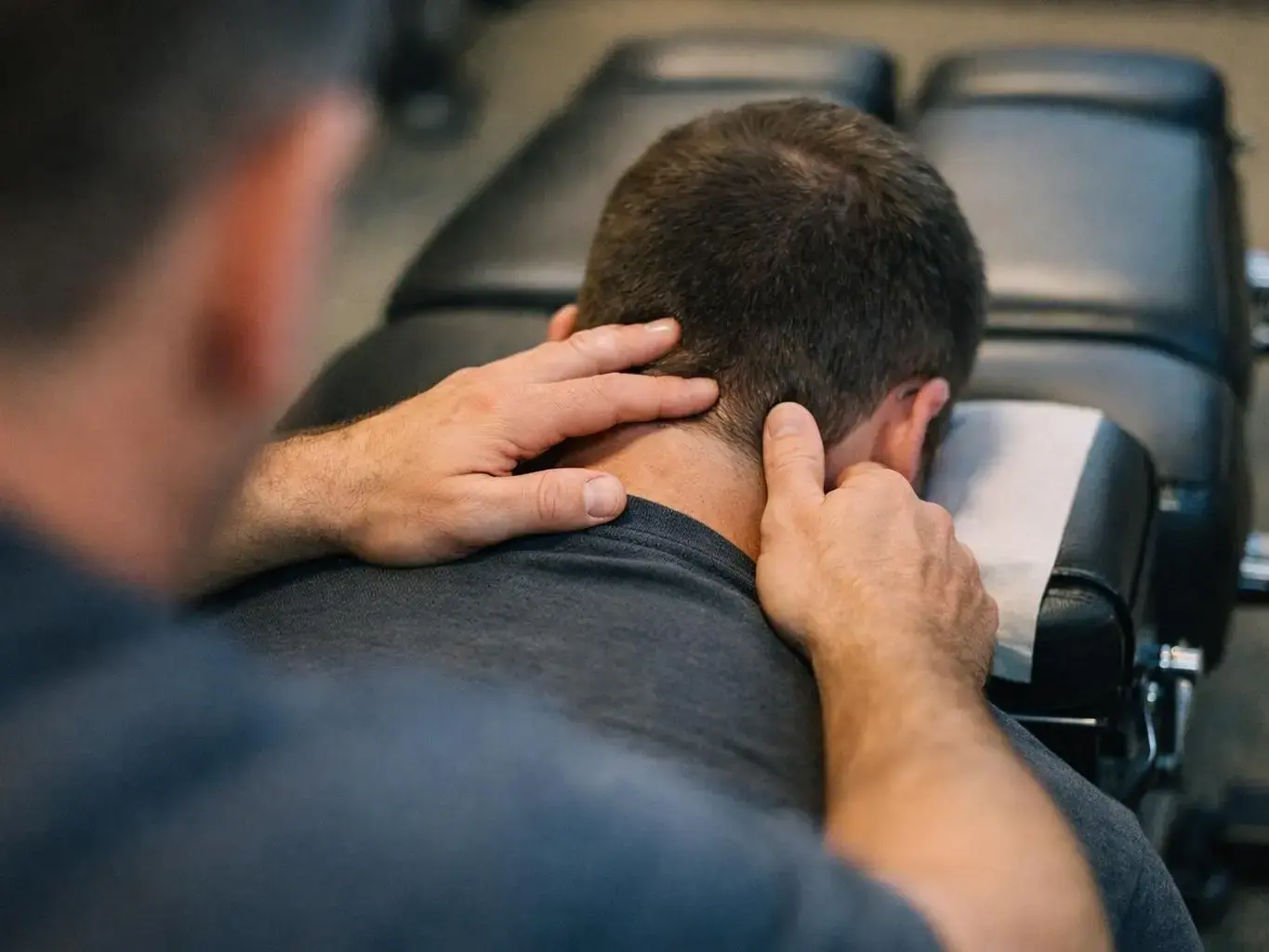
Understanding Functional Rehabilitation
Functional Rehabilitation is a structured way to help people recover from injuries, surgeries. Or long-term pain by teaching the body to move safely and efficiently in daily life. Unlike traditional rehab that may focus on single muscles or joints, functional rehab looks at how the whole body works together. For example, someone recovering from a back injury might practice bending to pick up a child or lifting a grocery bag—movements they actually need to do at home or work. The goal isn’t just to reduce pain but to rebuild confidence and independence in everyday tasks.
This approach is common after car accidents, sports injuries. Or surgeries like knee replacements. It’s also used for chronic conditions such as arthritis or repetitive strain injuries. Functional Rehabilitation is personalized, meaning the exercises and treatments match the person’s specific job, hobbies. Or lifestyle. A construction worker might focus on lifting and carrying. While an office worker might work on posture and sitting tolerance. The process often starts with an assessment of movement patterns, strength. And flexibility to identify areas that need improvement.
How Functional Rehabilitation Works?
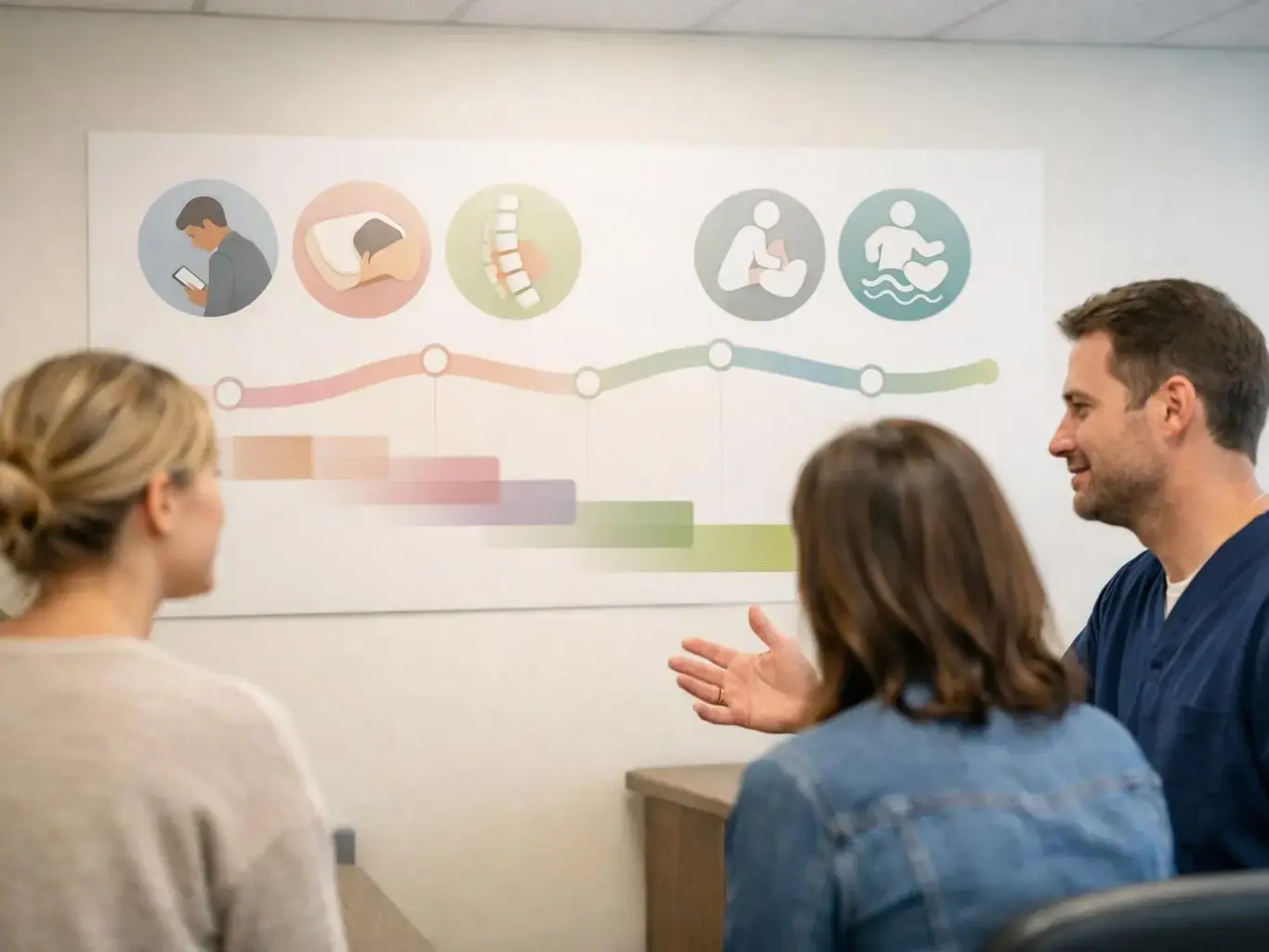
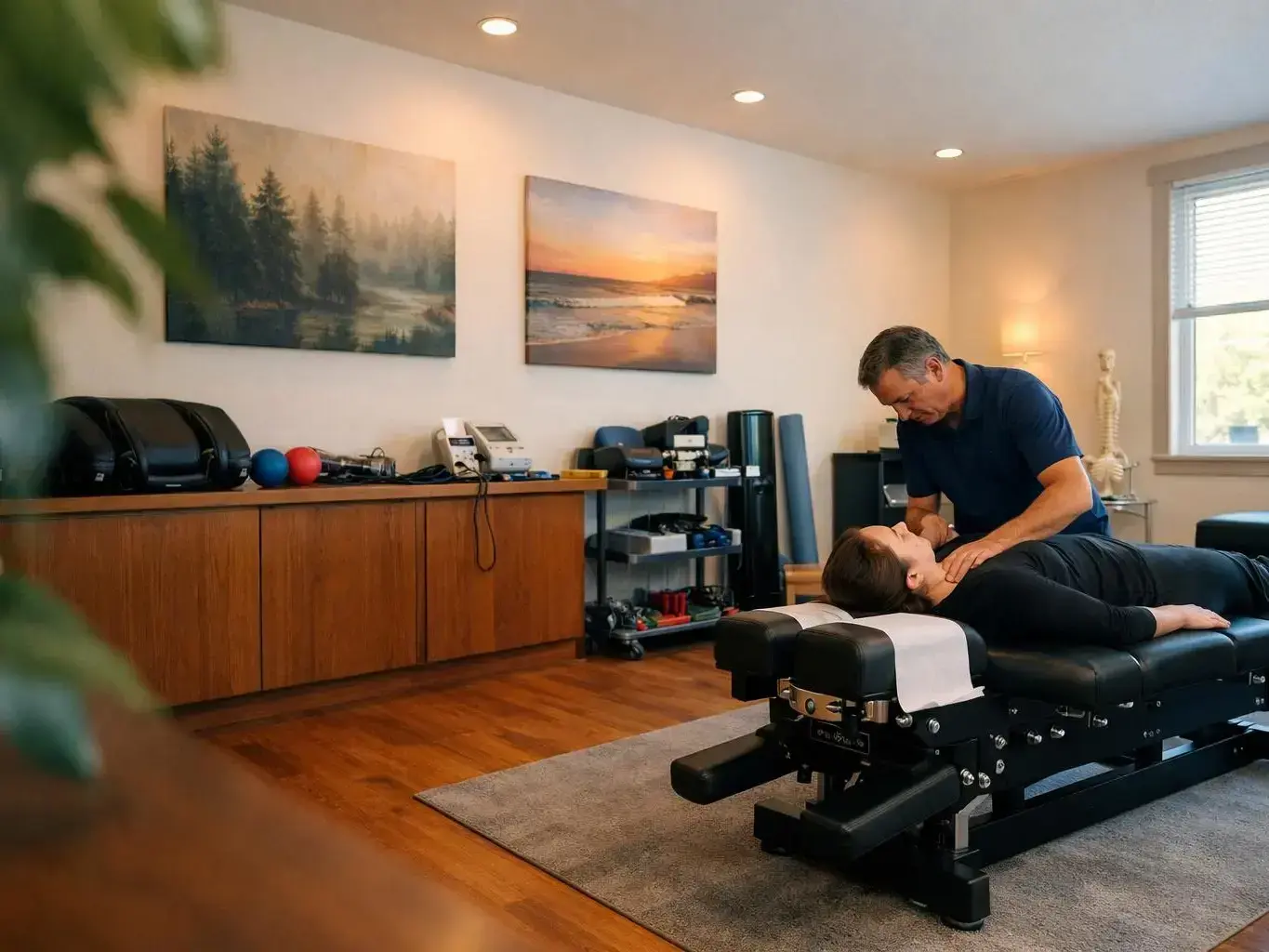
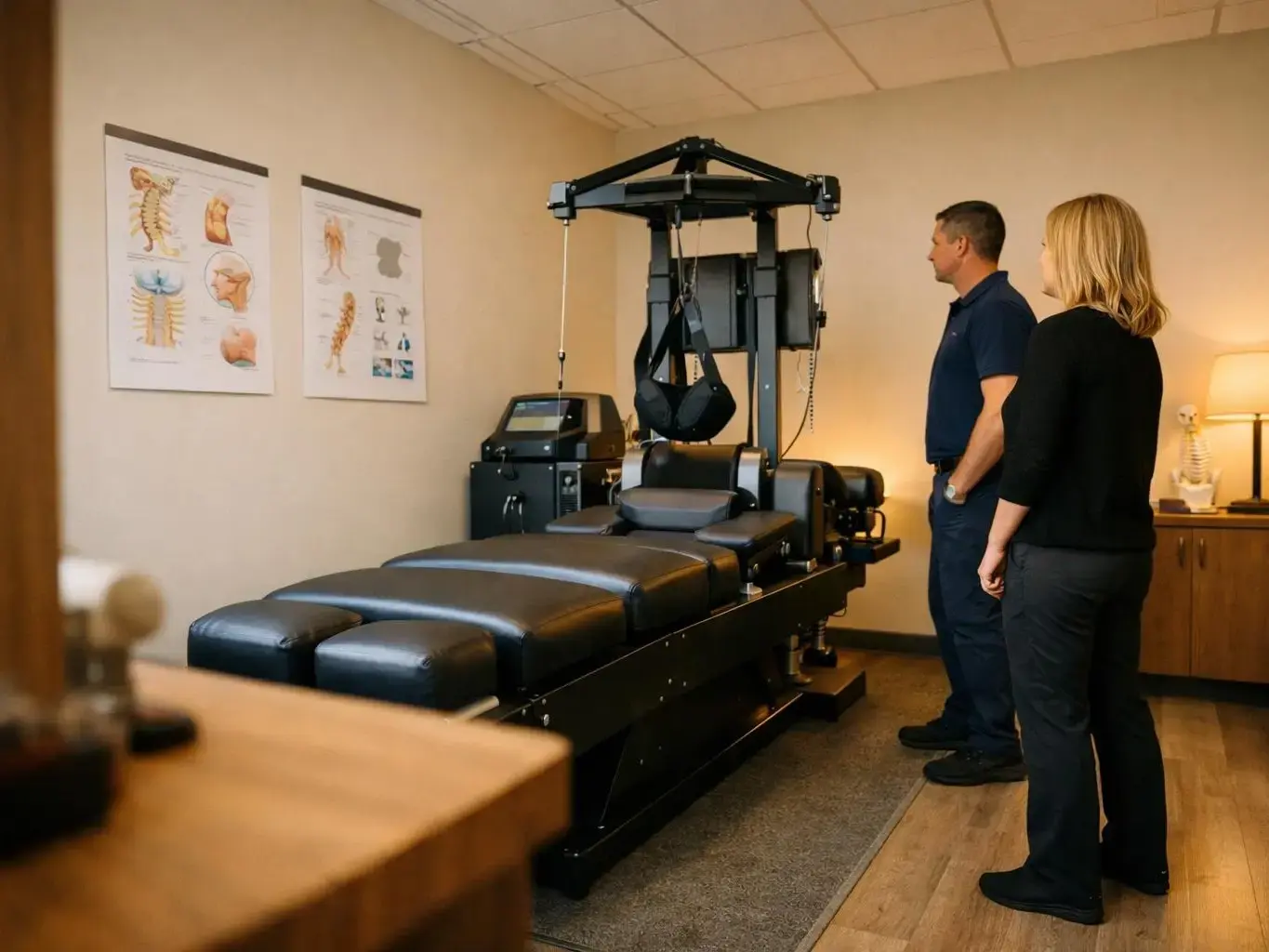
Functional Rehabilitation follows a step-by-step plan that usually begins with pain management and basic mobility. A chiropractor or physical therapist might use hands-on techniques like adjustments, soft tissue work. Or modalities like electrical stimulation to reduce pain and swelling. Once pain is under control, the focus shifts to rebuilding movement patterns. This might include exercises that mimic daily activities, such as squatting to simulate sitting in a chair or stepping up onto a platform to practice climbing stairs.
A common issue is Strength and endurance training come next, often using bodyweight, resistance bands. Or light weights. The exercises are designed to be progressive, meaning they start simple and become more challenging as the person improves. Balance and coordination training are also key, especially for older adults or those recovering from nerve-related injuries. Here is why. For example, standing on one leg or walking on uneven surfaces can help prevent falls. Throughout the process, the therapist monitors progress and adjusts the plan as needed to ensure the person is moving safely and effectively.
Functional Rehabilitation isn’t just about exercises—it also includes education. Patients learn proper body mechanics, ergonomics. And strategies to avoid re-injury. For instance, someone with a history of back pain might learn how to lift heavy objects without straining their spine or how to set up their workspace to reduce tension. The process typically ends when the person can perform their daily activities without pain or limitations. Though some may continue with maintenance exercises to stay strong and flexible.
Why Functional Rehabilitation Matters?
Functional Rehabilitation matters because it addresses the root cause of pain and movement problems, not just the symptoms. Many people who rely on pain medication or passive treatments like massage find that their relief is temporary. Functional rehab, on the other hand, teaches the body to move correctly, which can lead to long-term improvements. It also reduces the risk of re-injury by strengthening muscles, improving joint stability. And correcting poor movement habits that may have contributed to the original problem.
Another key benefit's its focus on real-world function. Someone recovering from a knee injury might be able to do leg presses at the gym but still struggle to climb stairs or get in and out of a car. Functional Rehabilitation bridges that gap by training the body for the activities that matter most. This is especially important for athletes, laborers. Or anyone whose job or hobbies require specific physical demands. Without functional rehab, people may return to their normal activities too soon, increasing the risk of setbacks or chronic issues.
When Functional Rehabilitation Matters Most?
Functional Rehabilitation is most important for people who need to return to physically demanding jobs, sports. Or daily activities after an injury or surgery. For example, a construction worker with a shoulder injury may need rehab to safely lift tools and materials. While a runner recovering from a knee surgery may need to rebuild strength and balance to avoid reinjuring themselves. It’s also critical for older adults who want to maintain independence, as it can help prevent falls and improve mobility for tasks like getting dressed or carrying groceries.
This approach is also valuable for people with chronic conditions like arthritis or back pain. Instead of just managing symptoms, functional rehab helps them adapt their movement patterns to reduce strain on painful areas. For instance, someone with arthritis in their hands might learn new ways to grip objects or use adaptive tools to make daily tasks easier. Functional Rehabilitation is also often recommended after car accidents or workplace injuries, where insurance or workers’ compensation may cover the cost of treatment. In these cases, it’s not just about recovery—it’s about proving that the person can safely return to work or normal activities.
In Brentwood, TN, Functional Rehabilitation is commonly used for patients recovering from auto accidents, sports injuries. Or work-related strains. The region’s active lifestyle - whether from outdoor activities, manual labor jobs. Or youth sports - means many residents need rehab that goes beyond basic pain relief. Local chiropractors and therapists often tailor programs to address these specific demands, helping patients get back to their routines with confidence.