Understanding Herniated Disc

A herniated disc is also called a slipped disc. It can also be called a ruptured disc. This happens when the soft gel inside a disc leaks out.
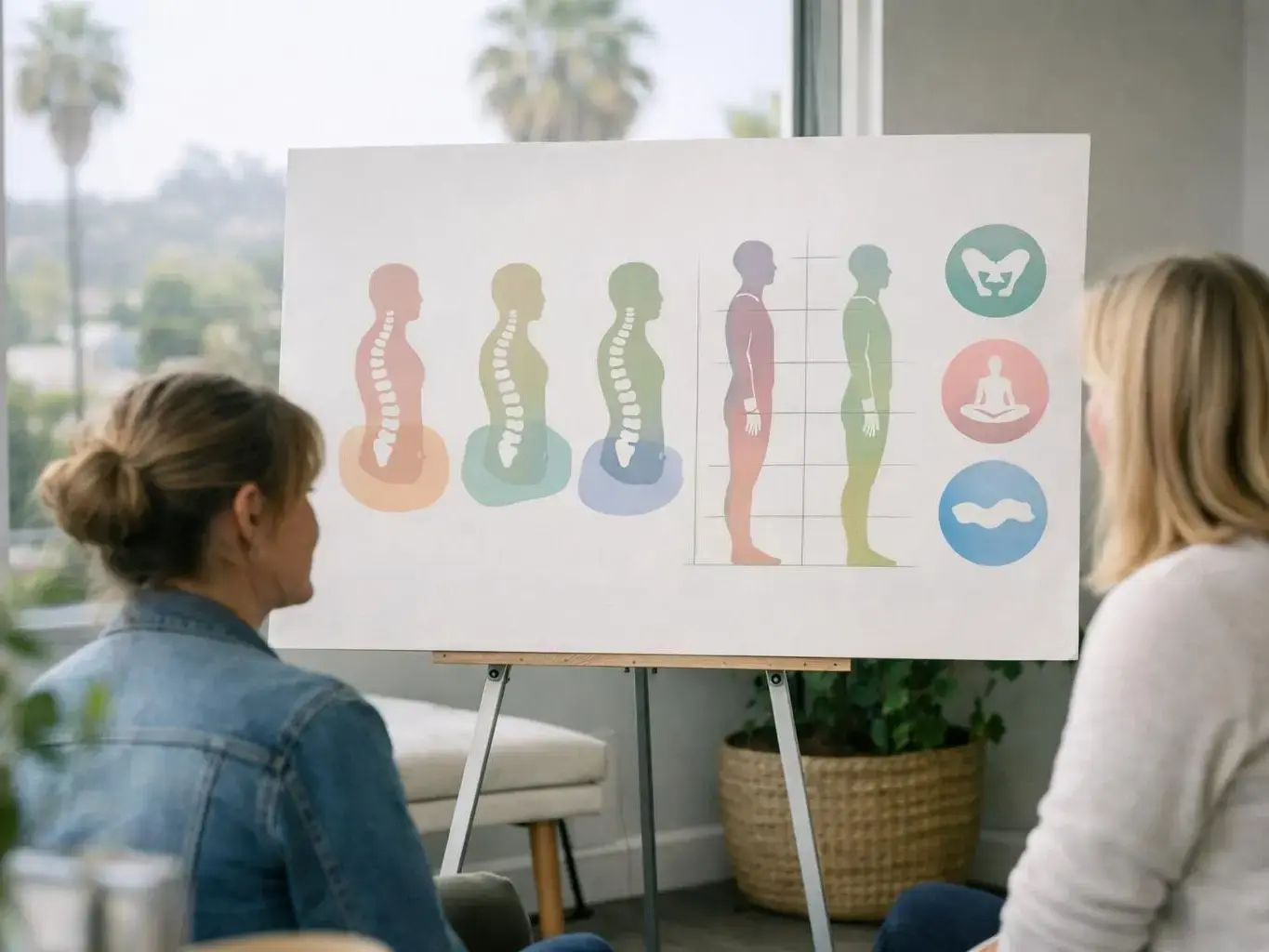
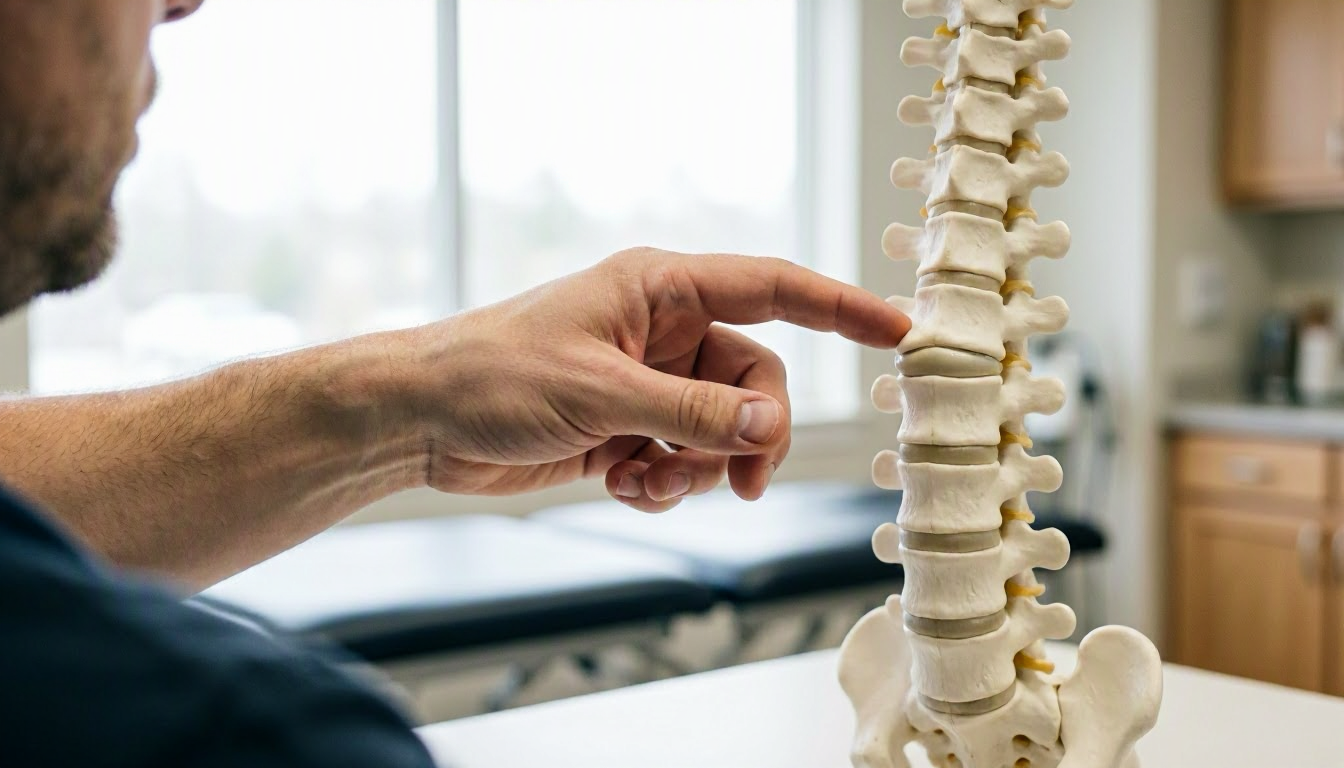
The spine has bones called vertebrae. Discs sit between them like cushions. These discs act as shock absorbers.
When a disc gets hurt, the gel can leak. This gel may press on nearby nerves. It can cause pain, tingling. Or weak muscles.
Most herniated discs happen in the lower back. They also happen in the neck. These areas are called the lumbar spine and cervical spine.
This problem often starts slowly. It happens because of wear and tear. This is called disc degeneration.
As people get older, discs lose water. They become less flexible. They tear more easily.
Sudden injuries can also cause a disc to slip. Lifting heavy things wrong can do this. Twisting the spine can too.
Some people have no symptoms. Others feel sharp pain. They may feel numb or weak in the area the nerve serves.
How Herniated Disc Works?
A herniated disc can press on spinal nerves. This disrupts how the spine works. Nerves can get irritated too.
The spinal cord runs through the vertebrae. Nerves branch out from it. They go to different parts of the body.
When disc material leaks, it can press on nerves. This sends pain signals to the brain. Pain can travel to other areas.
A herniated disc in the lower back may cause sciatica. Sciatica is a sharp pain. It goes down the leg.
A herniated disc in the neck can cause pain. It can cause numbness too. This may happen in the shoulder, arm. Or hand.
Doctors diagnose a herniated disc with tests. They do a physical exam. They may use MRI or CT scans.
During the exam, doctors check reflexes. They test muscle strength. They look for painful areas.
Scans show where the disc is hurt. They show how bad it is. This helps plan treatment.
Treatment depends on symptoms. It may include rest. Pain medicine can help too.
Physical therapy is another option. Chiropractic care can help. Some people need surgery to fix it.
Why Herniated Disc Matters?
A herniated disc can hurt daily life. It can cause pain that doesn't go away. This is called chronic pain.
It can limit how much you move. Simple things may hurt. Sitting, standing. Or walking can be hard.
If not treated, it can cause nerve damage. Muscles may get weak. You may lose feeling in some areas.
Early treatment can help. It can prevent worse problems. It can also help you heal faster.
Knowing what causes herniated discs helps. So does knowing the signs. This helps you prevent them.
Lift things the right way. Stay at a healthy weight. Stay active too.
If you have symptoms, get help. A doctor can manage pain. They can help you move better without surgery.
When Herniated Disc Matters Most?
A herniated disc matters most when it hurts daily life. It may get worse over time. Some signs need attention fast.
Back or neck pain that won’t go away is one sign. So is numbness or tingling. Weak muscles matter too.
People with hard jobs are at risk. So are athletes. Those with past back problems should watch for signs.
Some problems are very serious. Loss of bladder or bowel control is one. This needs help right away.
Most people don’t need surgery. Chiropractic care can help. So can physical therapy or medicine.
Know when to get help. This can stop long-term damage. It can help you heal better too.