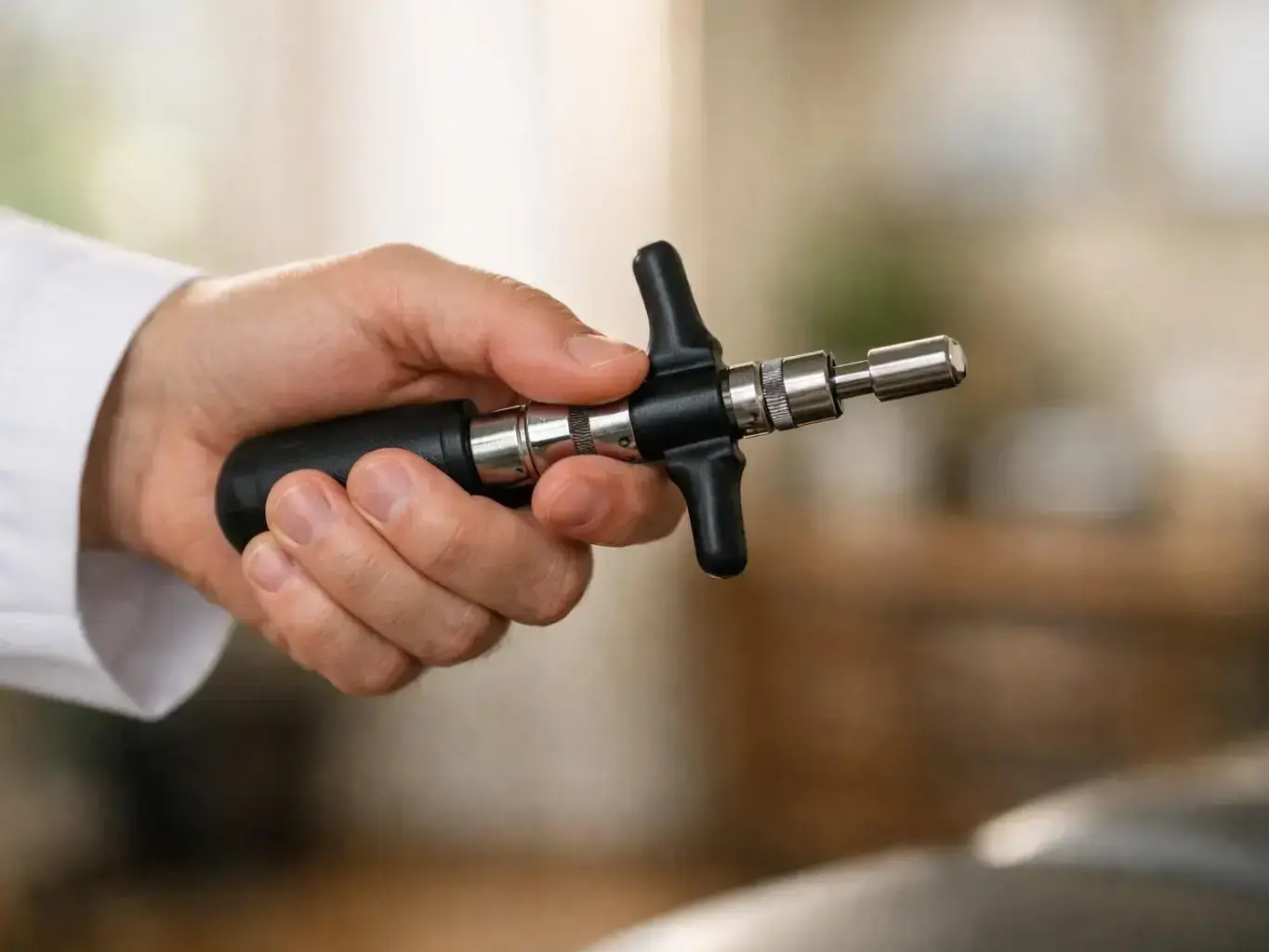
Understanding Intersegmental Traction
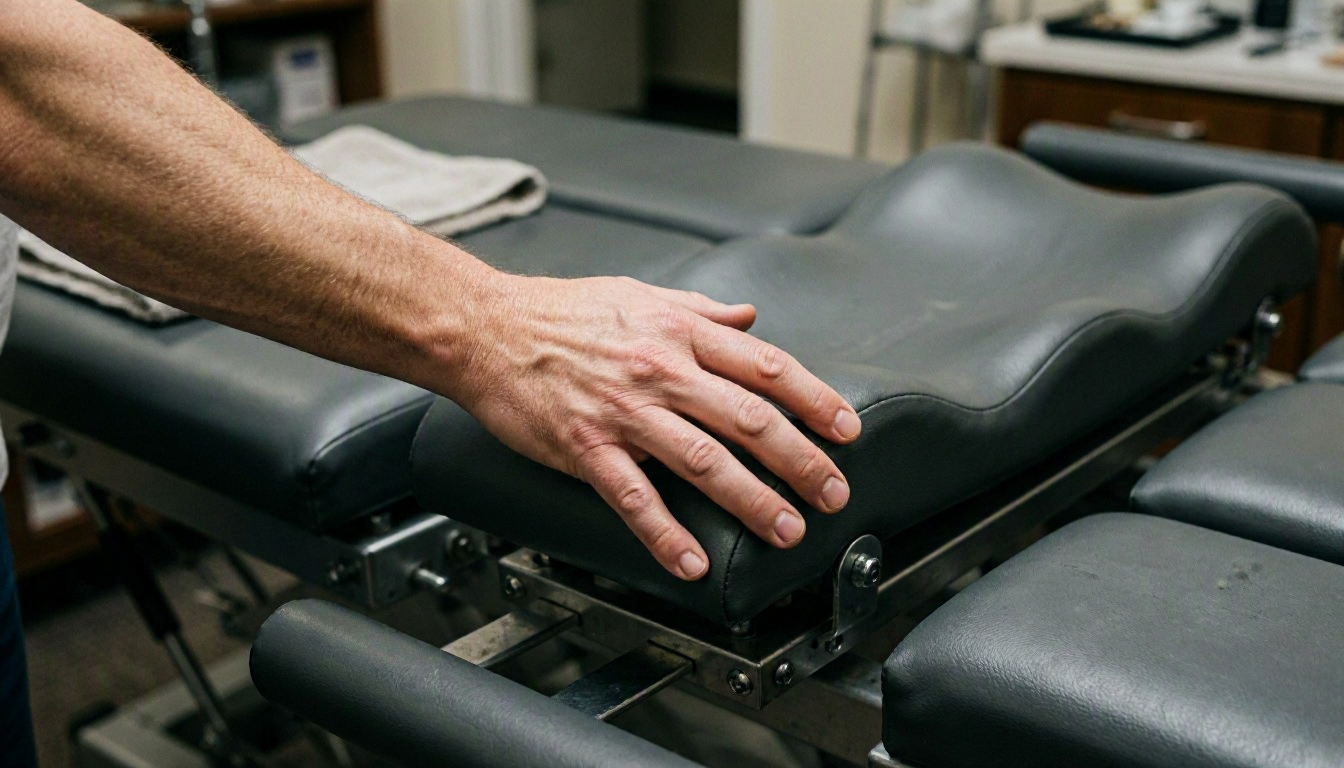
Intersegmental Traction helps your spine move better. It also cuts down on pain. Chiropractors (doctors for your back) use this method.
It uses a special table. The table has rollers. These rollers move slowly along your spine. They pull gently on each part.
This helps your back bones move like they should. Bones can get stuck from injuries. Bad posture or too much work can also cause this.
Many people say it feels relaxing. The rolling helps tight muscles and ligaments loosen up. You lie on your back while the rollers move.
This creates a stretch that feels like a rhythm. It can help if you feel stiff after sitting too long. It also helps after hard work or small back problems.
It doesn't replace hands-on fixes. But it gets your spine ready for other treatments.
How Intersegmental Traction Works?
The table has rollers that move by a motor. They go from your neck to your lower back. The rollers lift each bone a little.
This makes space between the bones. It takes pressure off nerves and discs. It also helps blood flow to the area.
The motion wakes up tiny sensors in your joints. These sensors help with balance and moving smoothly. Each session lasts 10 to 20 minutes.
The rollers change pressure as they move. They work on your neck and lower back. Most people feel a gentle stretch.
It feels like a massage. It eases tight muscles. You don't have to do anything.
This makes it good for people with pain or trouble moving. Chiropractors often suggest this treatment. It helps after injuries or for stiff backs.
They might use it with other treatments. These include back fixes, cold laser (a painless light treatment). Or exercises. It helps get better results.
It is usually safe. But some people should not use it. This includes people with very weak bones or broken backs.
People with swelling problems should also avoid it. A doctor should check you first.
Why Intersegmental Traction Matters?
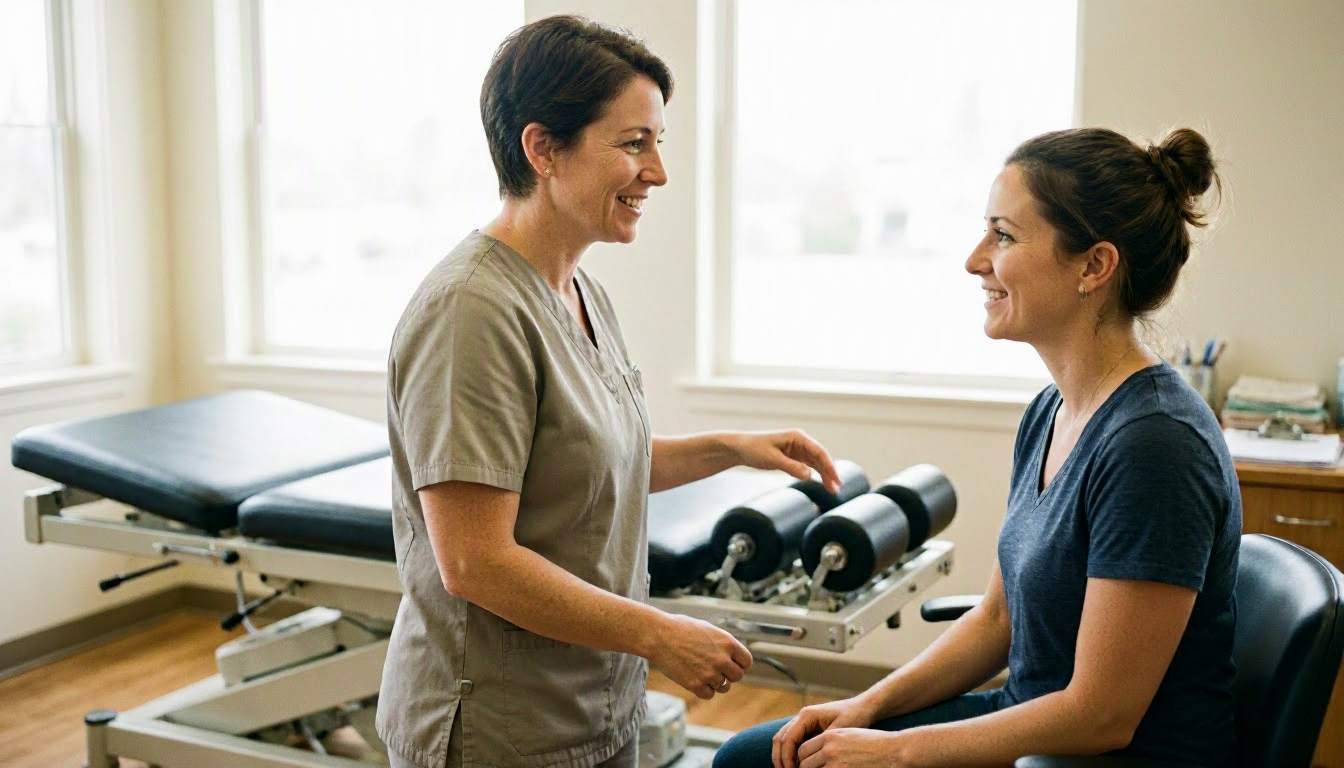
Your spine needs to move well. This helps you do daily tasks. It also keeps you healthy for a long time.
If bones get stiff, they hurt. They can also wear out faster. This treatment helps bones move right again.
It cuts down on pain. It helps you work better. People healing from injuries like car accidents get better faster.
It helps blood flow. It also stops muscles from guarding (tightening up too much). Your spine holds your spinal cord.
This cord sends messages from your brain. If bones press on nerves, you might feel tingles or numbness. You might also feel pain in other areas.
This treatment helps nerves work better. Your body works more smoothly. Many people feel relaxed after.
This lowers stress. It helps you feel good overall.
When Intersegmental Traction Matters Most?
This treatment helps many people. It works well for stiff spines. If your back doesn't move right, try this.
People who sit a lot get tight backs. Office workers and drivers often feel this. This treatment stretches the spine gently.
It helps blood flow. Athletes and workers who do the same moves over and over also benefit. Regular sessions keep them flexible.
This stops injuries. People hurt in car accidents or falls can use this too. These accidents can misalign (move out of place) bones.
They can also cause muscle spasms (sudden tightness). This treatment helps them heal faster. It gets them back to normal activities sooner.
Older adults with spine changes can use this. It helps them stay mobile. It cuts down on stiffness that comes with age.
But remember, it's not a cure for everything. It works best with other treatments. Always talk to your chiropractor about what's right for you.