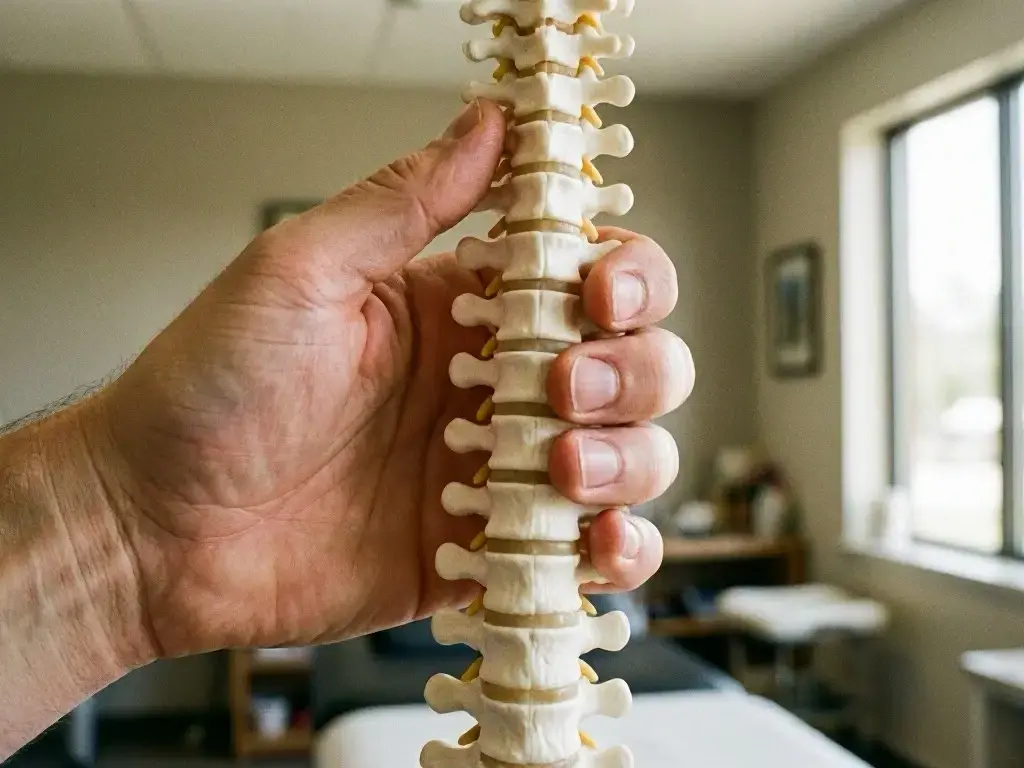
Understanding Ligament Sprain
Ligaments are tough bands. They connect bones at joints. They stretch like elastic.
Sometimes ligaments stretch too far. They can even tear. This is called a sprain.
A sprain happens from sudden force. Twists, falls. Or hits can cause it. It's common in sports.
Everyday actions can sprain ligaments too. Stepping off a curb wrong can do it.
Sprains have three grades. Grade 1 is mild. It causes little pain and swelling.
Grade 2 sprains are worse. They involve partial tears. Pain, bruising. And joint looseness happen.
Grade 3 sprains are the worst. They are full tears. Pain and swelling are severe.
You can't use the joint normally. Sprains hurt soft tissue. Fractures break bones instead.
How Ligament Sprains Happen and Are Diagnosed?
Sprains happen during odd joint moves. Landing on uneven ground can twist an ankle.
This stretches ligaments too far. Sudden stops or turns can strain knees.
Basketball players often get knee sprains. Falling on your hand can sprain your wrist.
A doctor checks for sprains. They look for swelling and bruising.
They move the joint gently. This tests its stability.
X-rays rule out broken bones. MRI scans show ligament damage.
Most sprains don't need surgery. Grade 3 tears may need it.
Surgery repairs the joint. This helps it work right again.
Why Ligament Sprains Matter?
Even small sprains hurt. They can limit your movement. Daily life gets harder.
Without care, sprains may not heal. The joint can stay loose. You might get hurt again.
Athletes risk more sprains. Bad sprains can damage joints. Cartilage can wear down.
Arthritis may develop over time.
Good treatment prevents problems. Too much rest can cause stiffness.
Muscles can get weak. This makes recovery harder.
Early rehab helps. Gentle exercises restore strength. They also help flexibility.
This lowers the chance of getting hurt again.
When Ligament Sprains Matter Most?
Some jobs need strong joints. Athletes must heal fully. This prevents more injuries.
Workers who lift or climb need care. Construction workers and nurses are examples.
They may need lighter duties. This helps them heal.
Car crashes can cause sprains. Whiplash strains neck ligaments.
Untreated whiplash can hurt for a long time. Falls can cause many injuries.
Brentwood, TN has many outdoor activities. Hiking and sports are popular.
Knowing about sprains helps. Residents can stay active safely.
They can get help fast when hurt.