Understanding Manipulation Under Anesthesia
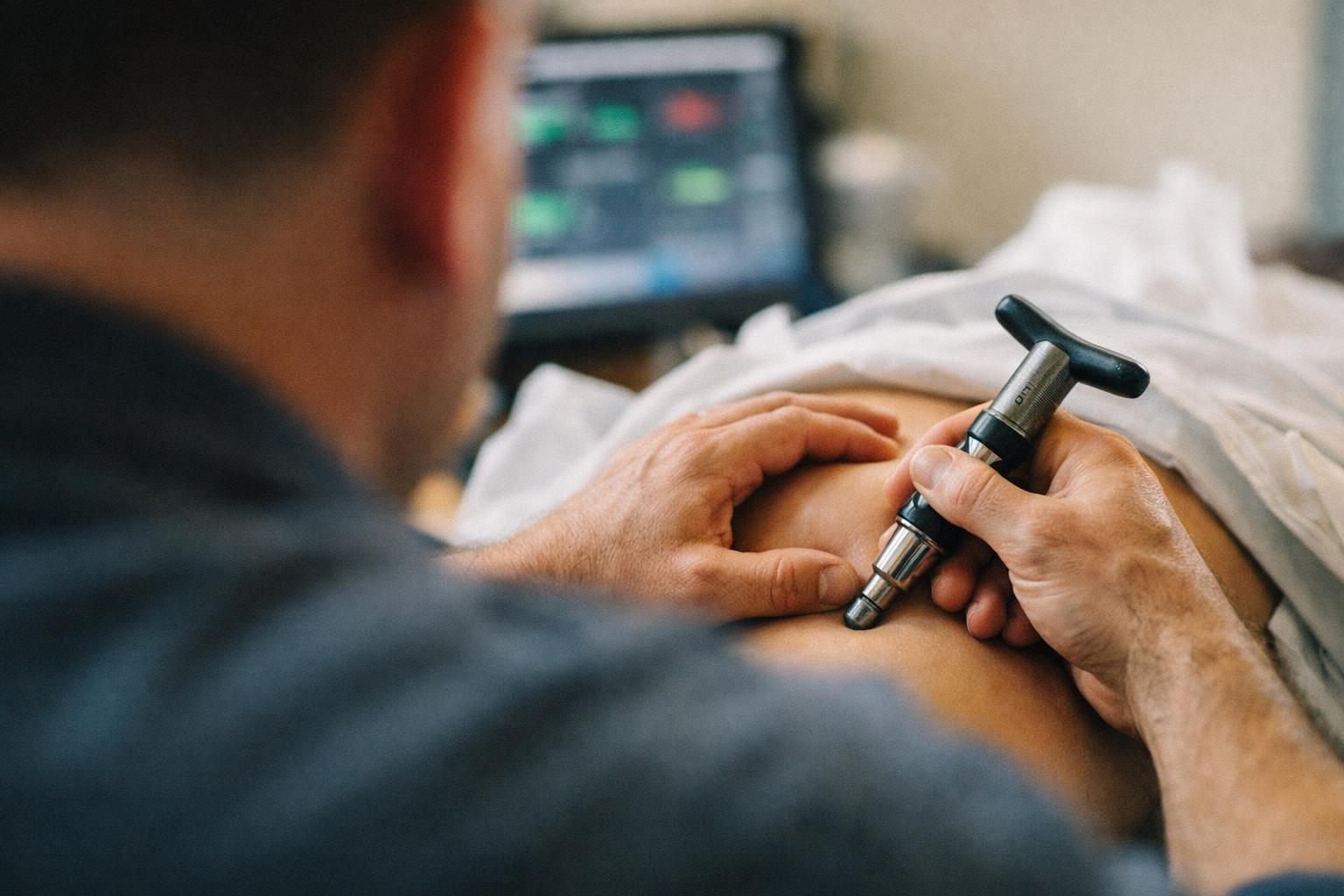
Manipulation Under Anesthesia (MUA) is a specialized medical procedure designed for patients who experience severe joint or spinal stiffness that doesn't improve with standard chiropractic adjustments or physical therapy. During MUA, the patient receives light sedation, which relaxes muscles and reduces pain, allowing the chiropractor or physician to perform gentle adjustments that might otherwise be too painful or difficult. This procedure is not a substitute for surgery but is used when other conservative treatments have not provided relief.
The sedation used in MUA is carefully controlled and monitored by a medical team, including an anesthesiologist or nurse anesthetist. The goal is to achieve a level of relaxation that enables the chiropractor to move joints through a wider range of motion than would be possible in a typical office visit. Because the patient is sedated, they don't feel the discomfort that might accompany such movements when fully conscious. This makes MUA particularly useful for patients with conditions like frozen shoulder, chronic back pain. Or joint stiffness caused by injury or surgery.
How Manipulation Under Anesthesia Works?
The MUA procedure typically takes place in a hospital or outpatient surgical center, where medical staff can closely monitor the patient’s vital signs and response to sedation. Before the procedure, the patient undergoes a thorough evaluation, including medical history, physical examination. And sometimes imaging tests like X-rays or MRI scans. That way that MUA is appropriate for their condition and that Common options include no underlying risks, such as fractures or severe nerve damage, that could worsen with manipulation.
On the day of the procedure, the patient is given intravenous (IV) sedation to induce a relaxed, pain-free state. The chiropractor or physician then performs a series of gentle adjustments, focusing on the areas of stiffness or restriction. These adjustments may include stretching tight muscles, mobilizing joints. Or applying controlled pressure to specific points. The sedation allows the chiropractor to work more effectively, as the patient’s muscles are not resisting the movements. The entire procedure usually lasts between 15 and 30 minutes. Though the patient may remain under observation for a few hours afterward to ensure a smooth recovery.
After MUA, patients often receive follow-up care, such as physical therapy or additional chiropractic adjustments, to maintain the improvements achieved during the procedure. This post-procedure care is critical, as it helps reinforce the mobility gained and prevents the stiffness from returning. Patients are typically advised to avoid strenuous activities for a few days and to follow their provider’s instructions for at-home exercises or stretches.
Why Manipulation Under Anesthesia Matters?
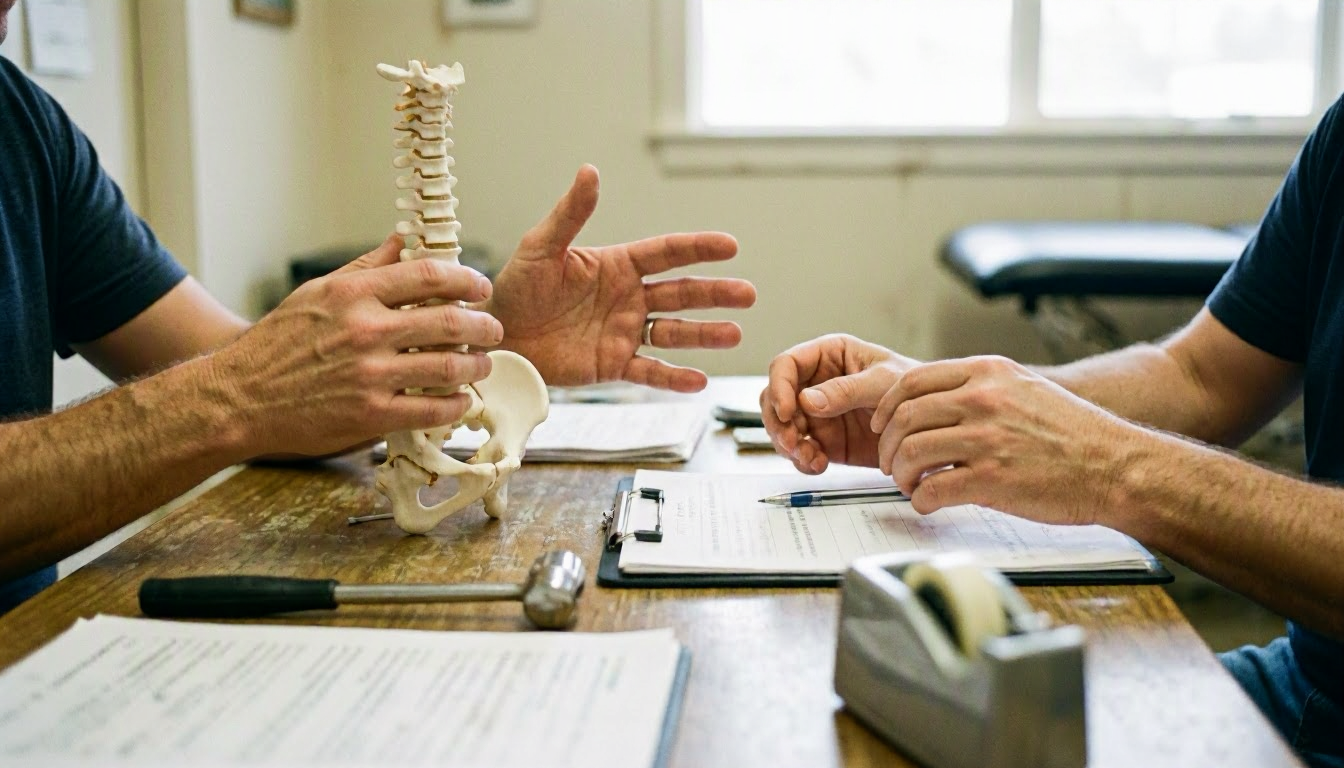
Manipulation Under Anesthesia matters because it offers a non-surgical option for patients who have not found relief through standard treatments. For individuals with chronic pain or stiffness, MUA can restore mobility, reduce discomfort. And improve quality of life without the risks or recovery time associated with surgery. This procedure is particularly valuable for patients who have tried other therapies, such as physical therapy, medications. Or traditional chiropractic care, without success. By addressing the root cause of stiffness or pain, MUA can help patients return to daily activities with greater ease and less reliance on pain medications.
Another important aspect of MUA is its potential to prevent further complications. Chronic joint or spinal stiffness can lead to compensatory movements, where the body adapts by overusing other muscles or joints. Over time, this can cause additional pain, inflammation. Or even injury. By restoring proper movement through MUA, patients can avoid these secondary issues and maintain better overall function. And improved mobility can boost the effectiveness of other treatments, such as physical therapy or exercise, making them more beneficial in the long term.
When Manipulation Under Anesthesia Matters Most?
Manipulation Under Anesthesia is most relevant for patients who have exhausted other conservative treatments and continue to experience significant pain or stiffness. Common conditions that may benefit from MUA include frozen shoulder, chronic back pain, joint stiffness following injury or surgery. And certain types of spinal disc issues. Patients who have undergone previous surgeries, such as spinal fusion or joint replacement, may also find MUA helpful if scar tissue or adhesions are limiting their mobility. But MUA is not suitable for everyone. And a thorough evaluation is necessary to determine if the procedure is appropriate.
A common issue is MUA is also considered when patients face limitations in their daily lives due to pain or stiffness. For example, individuals who struggle with activities like dressing, driving. Or even sitting for extended periods may find relief through MUA. The procedure can also be beneficial for athletes or active individuals who need to restore full range of motion to return to their sport or exercise routine. In some cases, MUA is used as part of a larger treatment plan, such as workers' compensation or personal injury recovery, where restoring function is critical for returning to work or resuming normal activities.
In Brentwood, TN, where chiropractic care is a common option for managing pain and injury, Manipulation Under Anesthesia may be recommended for patients whose conditions have not improved with standard treatments. Local chiropractors and medical providers collaborate to ensure that patients receive full care, including evaluations to determine if MUA is the right choice. This procedure is typically performed in partnership with anesthesiologists and other medical professionals to ensure safety and effectiveness.