Understanding Nerve Compression

Nerves get squeezed by other body parts. This is called nerve compression.
Nerves work like wires. They send signals from your brain to your body.
When nerves are squeezed, signals get mixed up. This can cause pain, tingling. Or weakness.
Compression can happen anywhere. It's most common in tight spots like the spine, wrists. Or elbows.
This can start fast after an injury. It can also happen slowly over time.
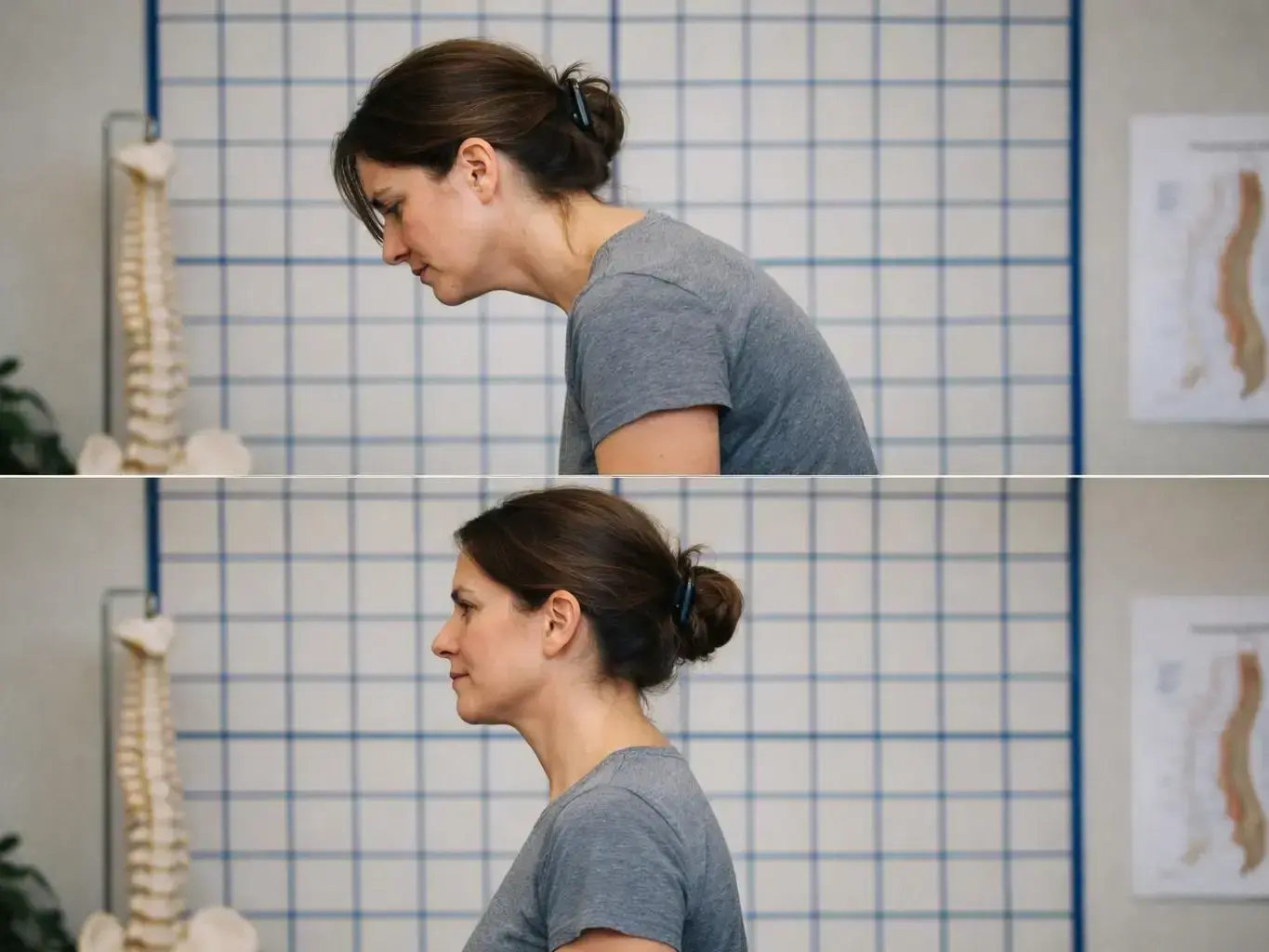
Bad posture or doing the same motion again and again can cause it.
Sitting at a desk too long can squeeze neck or back nerves.
Typing or using tools can squeeze wrist nerves. This causes carpal tunnel syndrome.
Knowing the cause helps you find relief. It also helps stop more damage.
How Nerve Compression Works?
Nerves have protective layers. One layer is called the myelin sheath.
This layer helps signals move fast. Compression can damage this layer.
Damage slows or stops signals. Pressure can also cause swelling.
Swelling makes the nerve hurt more. If not fixed, it can cause lasting damage.
Lasting damage can mean constant pain. It can also mean weak muscles.
Doctors check your body to diagnose it. They may do tests like nerve conduction studies.
They may also use X-rays or MRIs. These tests show where and how bad the squeeze is.
A herniated disc can press on a nerve. This causes pain down the leg.
This is called sciatica. In the wrist, the median nerve gets squeezed.
This causes carpal tunnel syndrome. It makes hands and fingers tingle or go numb.
- Spinal compression: Herniated discs, spinal stenosis, or crooked bones can cause it.
- Peripheral compression: Happens in arms or legs. Examples are carpal tunnel in the wrist or cubital tunnel in the elbow.
- Soft tissue compression: Swollen muscles, tendons, or ligaments can press on nerves.
Why Nerve Compression Matters?
Nerve compression is more than just pain. It can mess up your day.
Squeezed nerves send wrong signals. They can cause burning, shocks. Or numbness.
These feelings make simple tasks hard. Holding things, walking. Or sleeping can be tough.
If not treated, muscles can get weak. They can shrink because nerves don't work right.
Nerve compression can also hurt your mind. Long-term pain and trouble moving can make you sad.
You might feel worried or upset. Getting help early stops lasting damage.
It also makes life better. Treatments like chiropractic care or therapy can help.
Changing your desk or chair can also help. These changes take pressure off nerves.
When Nerve Compression Matters Most?
Some signs mean you need help fast. Bad pain, weak muscles. Or trouble peeing are examples.
These can mean cauda equina syndrome. This is an emergency.
Other warning signs include pain at night. Pain when bending or lifting is also a sign.
People with certain jobs or hobbies need to be careful. Office workers, athletes. And musicians are at risk.
So are people who do manual work. They may need to change how they do things.
A construction worker with numb hands might need to adjust their grip.
They might also need to take breaks. This stops the problem from getting worse.
In Brentwood, TN, many people are active. Many also work at desks.
Spotting nerve compression early helps. It keeps people healthy and working well.
- Workplace injuries: Doing the same motion can squeeze nerves.
- Sports injuries: Athletes can get compression from overuse or hits.
- Aging: Arthritis and other changes can make nerve paths smaller.
- Pregnancy: Swelling and weight gain can squeeze nerves in wrists and back.