Understanding Personal Injury Protection
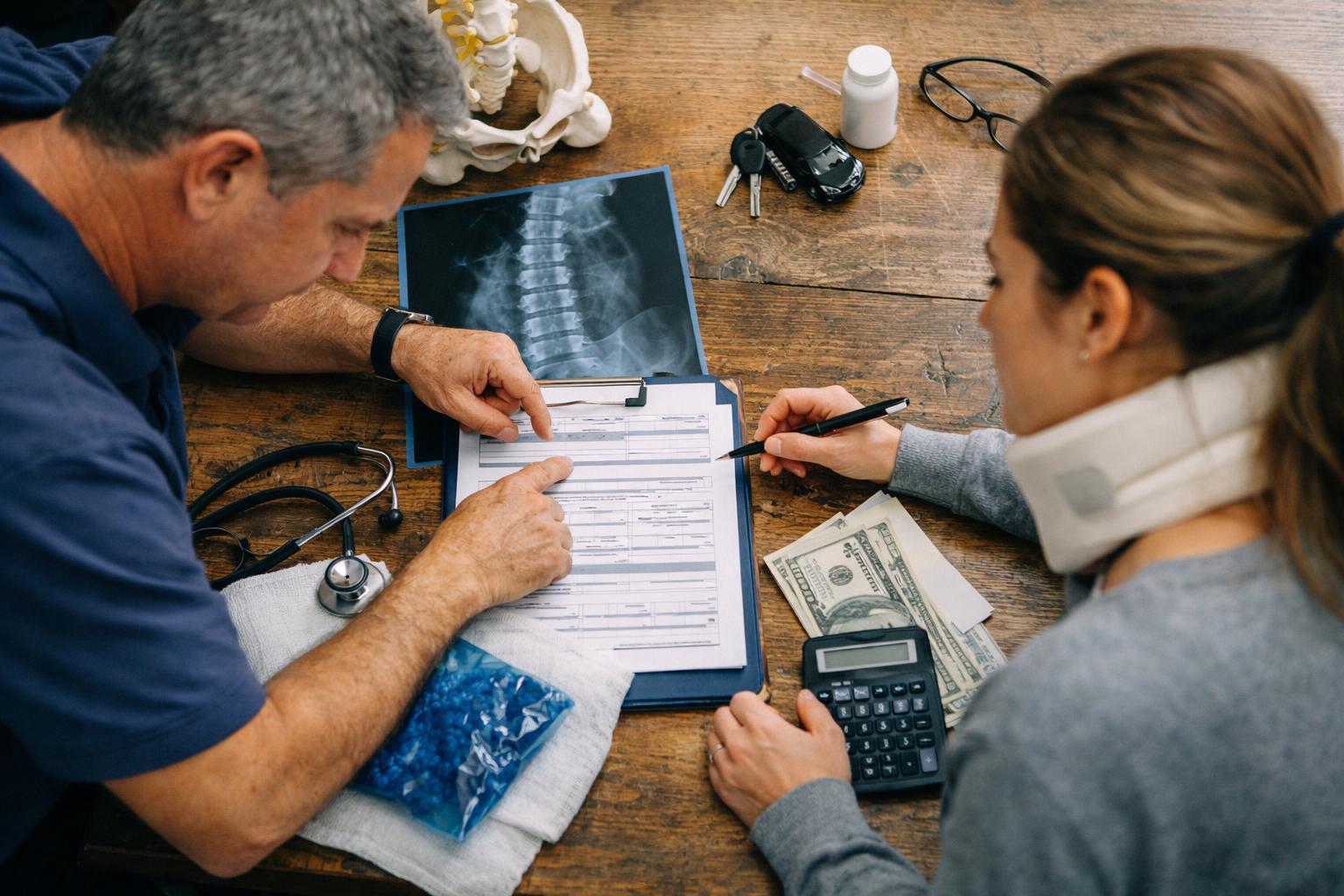
Personal Injury Protection, often called PIP, is a part of car insurance that helps pay for medical care, lost wages. And other costs after a vehicle accident. Unlike liability insurance, which pays for injuries the policyholder causes to others, PIP covers the policyholder and their passengers, no matter who caused the crash. This is why it's also known as 'no-fault' coverage. PIP is required in some states and optional in others, including Tennessee.
PIP is designed to reduce the need for lawsuits after minor accidents by ensuring that medical bills and lost income are covered quickly. It can pay for hospital visits, doctor appointments, surgery, physical therapy. And even funeral costs if needed. It may also cover expenses like childcare or household help while the injured person recovers. The coverage applies to the policyholder, their family members. And passengers in the insured vehicle.
How Personal Injury Protection Works?
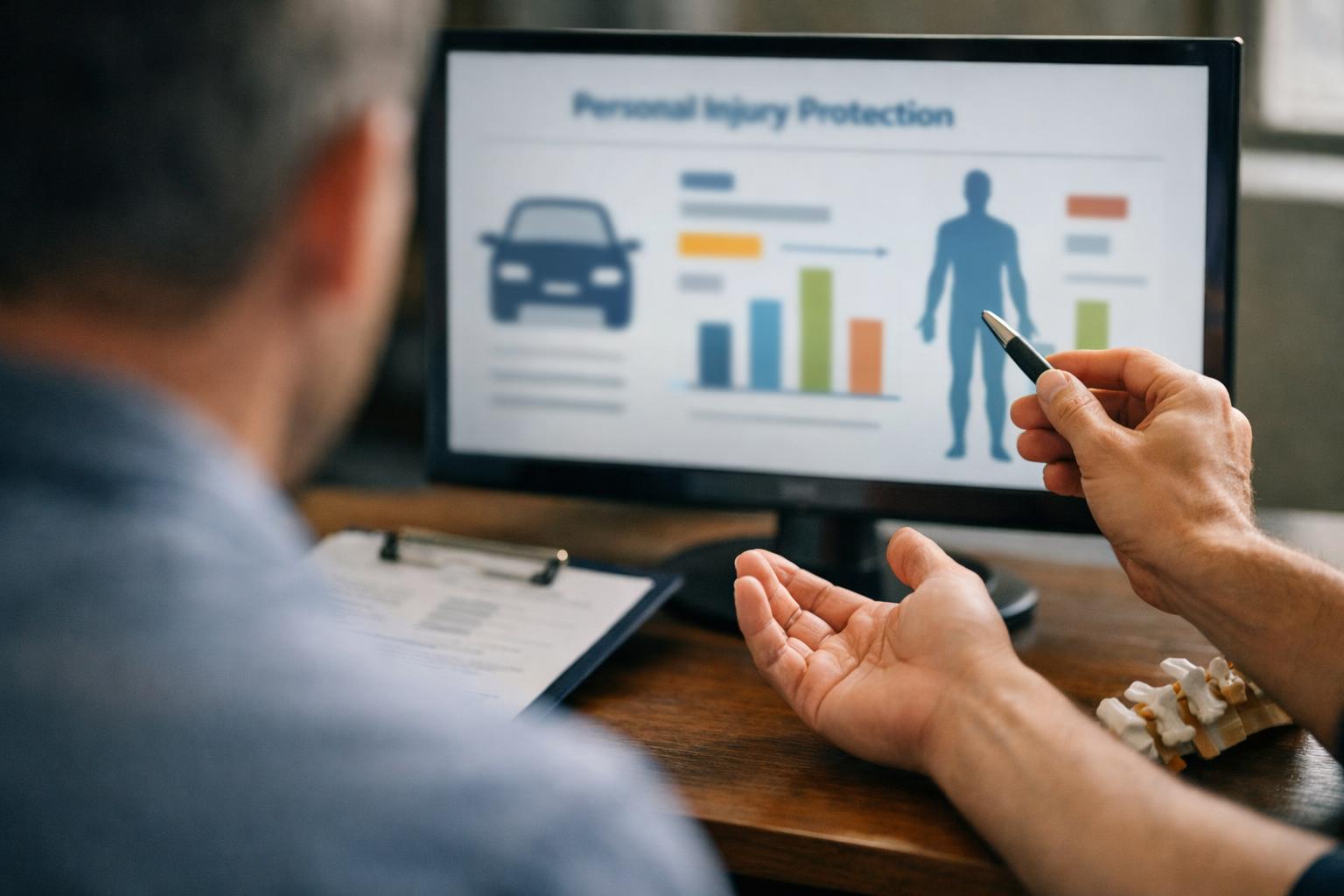
When an accident happens, the policyholder or their passengers file a claim with their own insurance company under the PIP portion of their policy. The insurance company reviews the medical bills and other expenses, then pays up to the policy limit. Limits vary by state and policy but typically range from A common issue is PIP usually has a deductible, which is the amount the policyholder pays before coverage starts. After the deductible is met, PIP covers a percentage of the remaining costs, often 80% of medical bills and 60% of lost wages. The policyholder is responsible for the rest unless they have additional coverage. PIP also pays quickly, often within 30 days of filing a claim, which helps injured people get treatment without waiting for a lawsuit to settle. In Tennessee, PIP is optional. But drivers can add it to their policy for extra protection. It works alongside other insurance types, like health insurance or medical payments coverage. But PIP is broader because it covers more than just medical bills. For example, if a driver misses work because of accident injuries, PIP can help replace some of their lost pay. While health insurance would not. PIP matters because it provides quick financial help after an accident, reducing stress and allowing injured people to focus on recovery. Without PIP, accident victims might have to pay medical bills out of pocket or wait for a lawsuit to settle, which can take months or years. This is especially important for people who don't have health insurance or who have high-deductible health plans, as PIP can cover costs that health insurance might not. PIP also matters because it covers more than just the driver. Passengers, pedestrians. And cyclists injured in an accident involving the insured vehicle may also be covered. This broad protection can help families and friends who ride together, ensuring they have access to medical care without worrying about who caused the crash. And PIP can cover services like transportation to doctor appointments, which health insurance typically doesn't. PIP matters most after a car accident, especially if injuries require immediate medical attention. It is also important for people who rely on their income to pay bills, as PIP can replace lost wages while they recover. For example, if a driver breaks their arm in a crash and can't work for six weeks, PIP can help cover part of their lost pay, reducing financial strain. PIP is also valuable in states with 'no-fault' insurance laws, where drivers must first use their own insurance for medical bills before filing a lawsuit. Even in states like Tennessee, where PIP is optional, it can be useful for drivers who want extra protection beyond health insurance. For instance, if a driver’s health insurance has a high deductible, PIP can help pay medical bills until the health insurance coverage kicks in. Finally, PIP matters for chiropractic care after an accident. Many accident injuries, like whiplash or back pain, require ongoing treatment from a chiropractor. PIP can cover these visits, allowing patients to get the care they need without worrying about out-of-pocket costs. This is especially relevant in Brentwood, TN, where chiropractors often treat accident-related injuries using PIP coverage.Why Personal Injury Protection Matters?
When Personal Injury Protection Matters Most?