Understanding Spinal Decompression
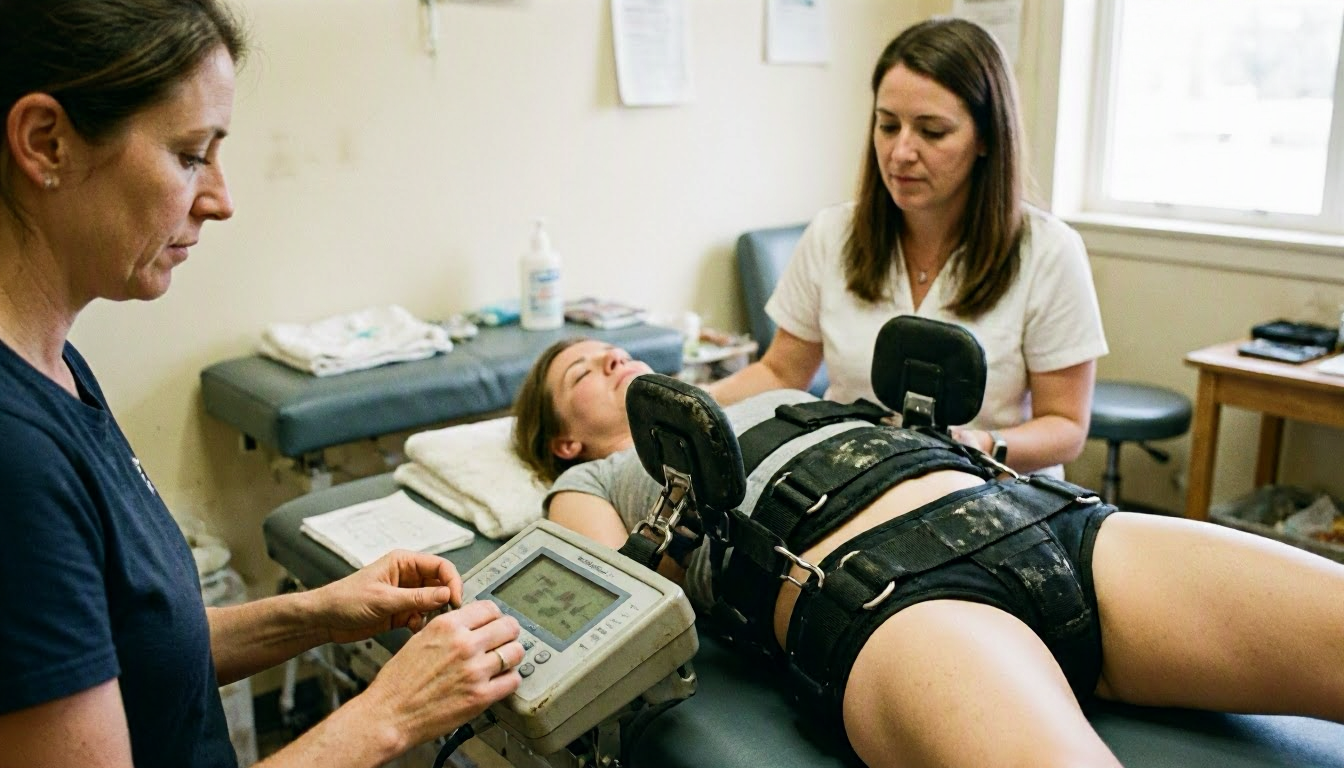
Spinal Decompression helps ease pain. The pain comes from pressure on the spine. The spine holds up your body. It also protects your spinal cord.
Injuries, aging. Or bad posture can squeeze spinal discs. This squeeze causes pain, numbness. Or weakness. Spinal Decompression gently stretches the spine. It uses a traction table or similar device.
This stretch makes space between bones. It lowers pressure on discs and nerves. A computer controls the stretch. This makes it safer than old ways.
Doctors use it for problems like herniated discs. It also helps with sciatica and spinal stenosis. It doesn't need surgery or needles. Patients lie on a table with a harness.
The table moves slowly to stretch the spine. Many people feel better after a few visits. But results depend on how bad the problem is. It’s not a quick fix.
It’s part of a bigger plan. That plan may include exercise and fixing posture. Other therapies can help too.
How Spinal Decompression Works?
Spinal Decompression makes negative pressure in discs. The stretch opens space between bones. This lets bulging discs pull back in.
Less pressure on nerves means less pain. It also eases tingling or numbness. The stretch helps discs get nutrients and oxygen. This helps them heal.
The stretch is slow and controlled. Sudden moves could hurt you.
During a session, you lie on a table. A device gently pulls your spine. The pull is based on your comfort and condition.
Sessions last 30 to 45 minutes. You may need 15 to 30 sessions. The computer keeps the pull steady. This is better than doing it by hand.
You may feel a gentle stretch. It should not hurt. If it does, the session can stop.
Not everyone can use this treatment. People with bad osteoporosis should avoid it. So should those with spinal fractures or tumors.
Pregnant women can’t use it. Neither can people with metal in their spine. A doctor will check your health first.
It works best with other treatments. These may include chiropractic care or physical therapy. Cold laser therapy can help too.
Why Spinal Decompression Matters?
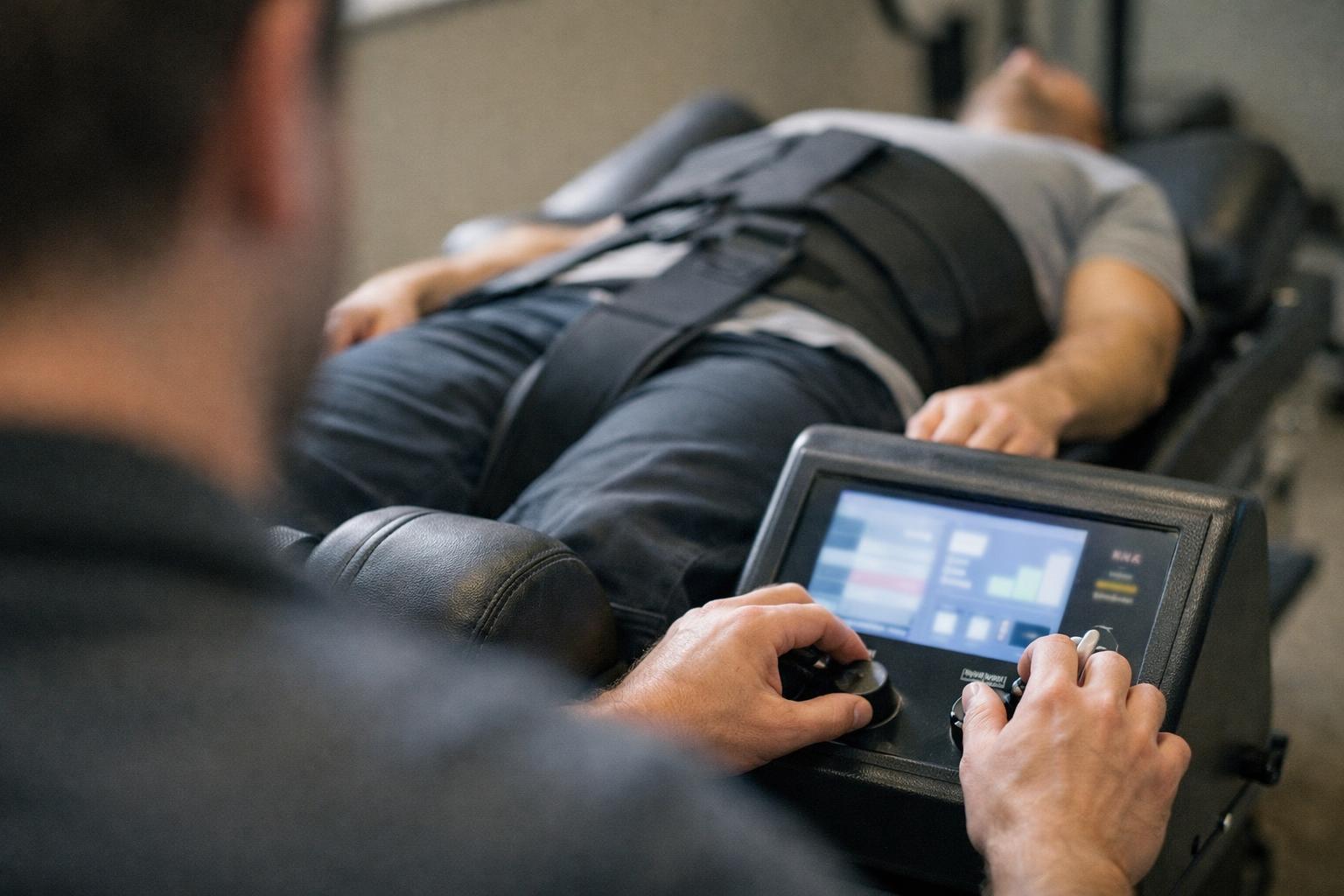
Spinal Decompression helps without surgery. Many people want to avoid surgery. It has risks and takes time to heal.
It can help when medicine or therapy don’t work. It eases pressure on nerves and discs. This can help you move better and hurt less.
For some, it may mean no surgery at all. That’s a big deal.
This treatment doesn’t use drugs. Many people don’t want to take pain pills. Pills can cause side effects or addiction.
Spinal Decompression fixes the real problem. It doesn’t just hide pain. It helps herniated discs heal.
But it’s not magic. Results depend on your condition and habits.
When Spinal Decompression Matters Most?
Spinal Decompression helps people who tried other treatments. These may include medicine, therapy. Or rest. If pain lasts for weeks, this may help.
It works for problems like herniated discs. It also helps sciatica and spinal stenosis. If your arms or legs feel numb, it may help.
It’s good for people who can’t have surgery. Or those who don’t want it.
Timing matters. Early help can stop problems from getting worse. But it’s not the first choice.
Most people try exercise or chiropractic care first. Insurance may not cover it. Cost can be a problem.
In Brentwood, TN, people often try it after accidents. Work injuries or aging can cause spine problems. A doctor can help decide if it’s right for you.