Posture-Related Pain: Signs It May Be Time to Get Help
A chiropractor for posture problems can help when pain, stiffness, weakness, or limited movement keeps returning or affects daily activities. Advanced Injury Care Clinic checks how posture and movement relate to symptoms, then guides posture correction and corrective exercise therapy.
Request an EstimateWhat Are the Warning Signs That Posture Is Affecting You?
Posture-related pain needs attention when discomfort, stiffness, or movement changes keep returning or interfere with daily activities. These signs can show that your movement habits are placing repeated stress on the body.
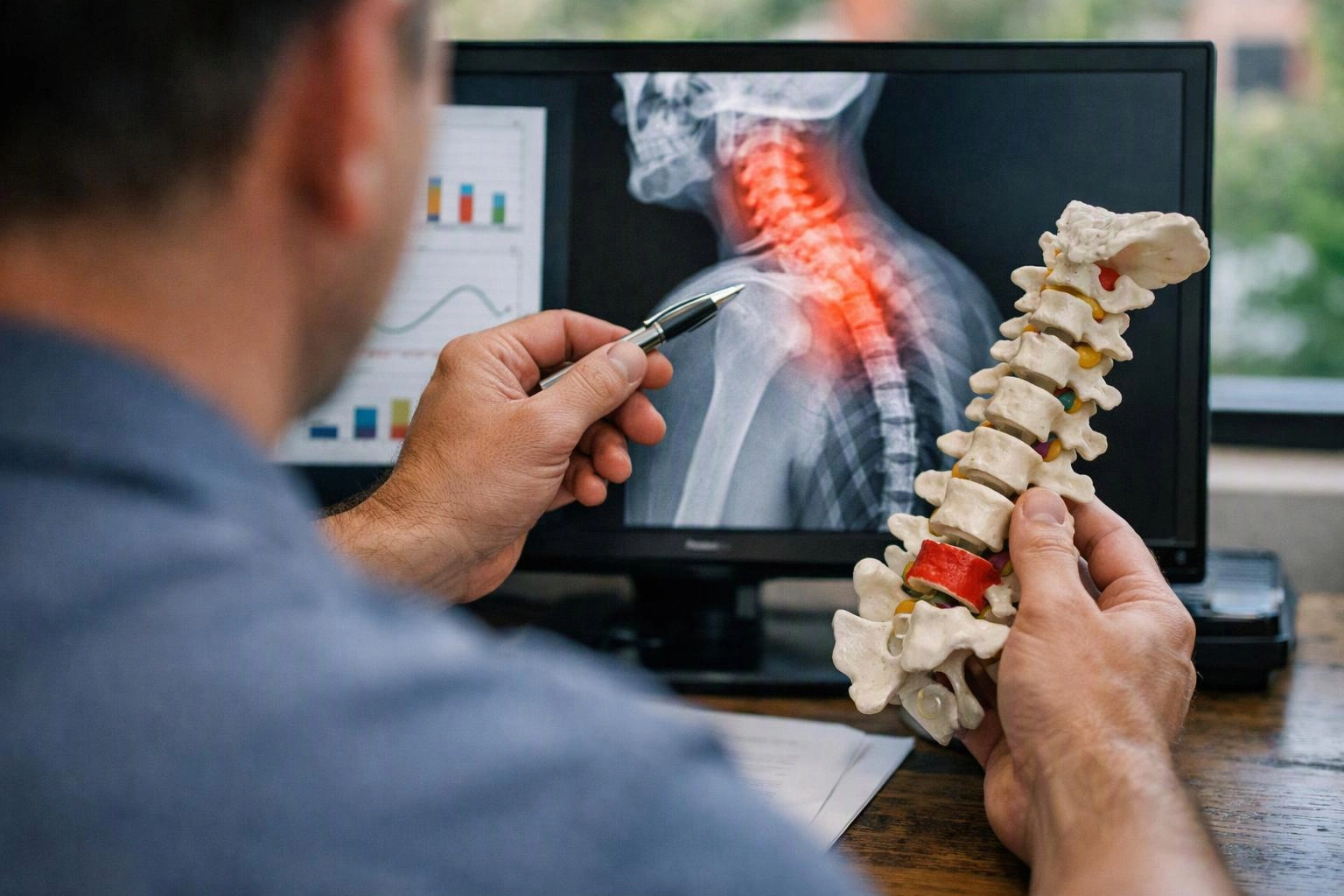
Persistent symptoms deserve more attention than occasional discomfort that settles with gentle movement. We can connect the symptoms with your posture, movement patterns, and daily demands.
Can Poor Posture Cause Neck or Back Pain?
Yes, poor posture can contribute to neck or back pain by placing repeated stress on muscles, joints, and supporting tissues.
Slouched sitting, rounded shoulders, and forward head posture can change spinal alignment. These positions may increase muscle strain when you work, drive, use a device, or rest.
Movement habits also matter. We assess how your neck, shoulders, upper back, lower back, hips, and spine work together during functional movement.
Posture doesn’t always explain every symptom. Our Posture Correction approach helps us identify whether posture is linked to your pain.
How Can Corrective Exercises Help Posture-Related Discomfort?
Corrective exercise therapy can improve posture-related discomfort by building movement control, strength, and flexibility that support better alignment.
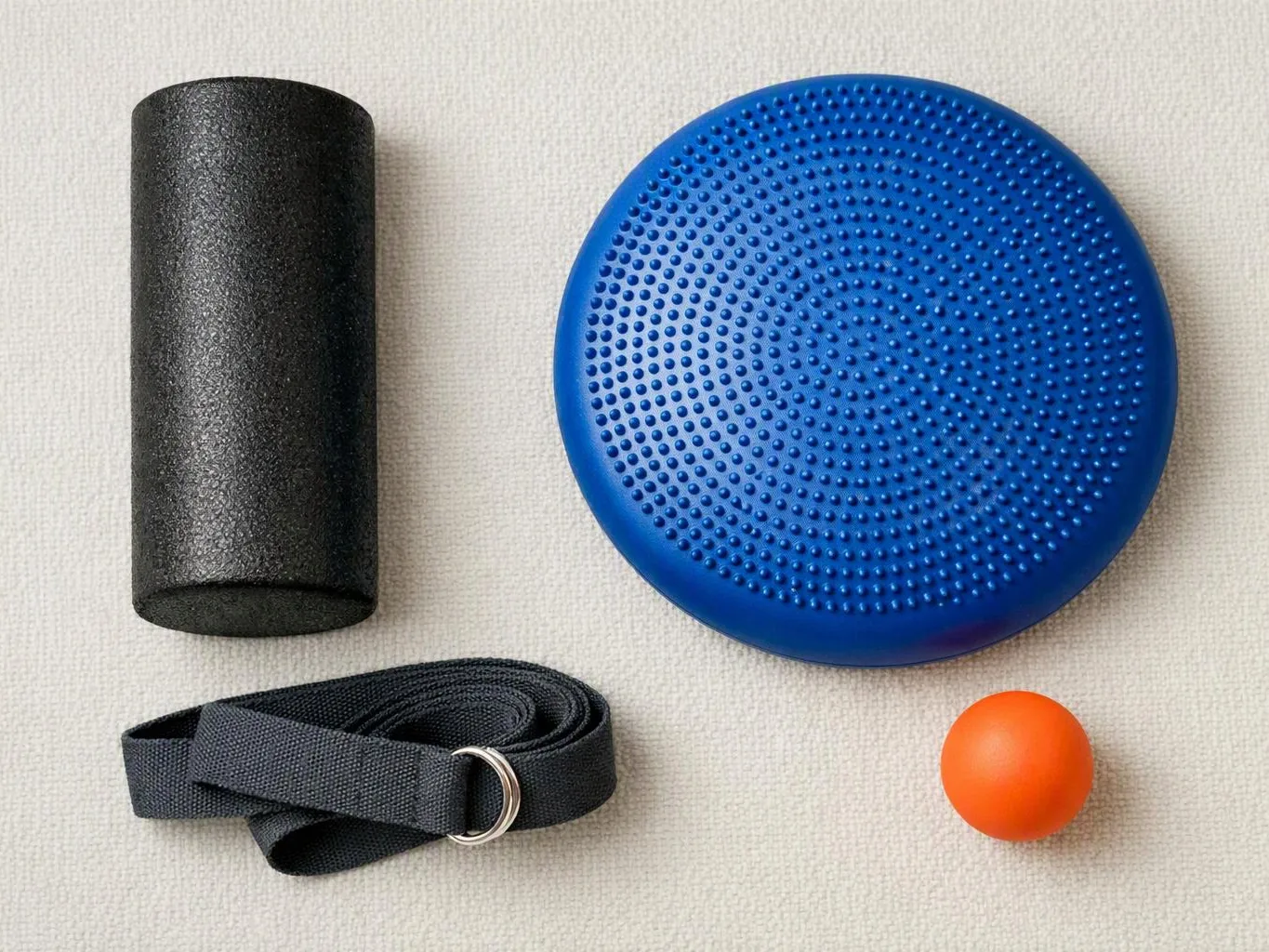
Exercises may target core strength and the postural muscles that support your spine and shoulders. Flexibility work can also help you move with less tension.
We choose exercises based on your symptoms, movement quality, and functional goals. Our team also explains how to perform home exercises safely and how to fit them into daily routines.
Exercise therapy works best when it addresses the habits that keep causing strain. We may adjust sitting, standing, lifting, or device-use habits as your movement improves.
When Should You Seek Help for Posture-Related Pain?
You should seek help when posture-related pain persists, worsens, limits movement, or returns despite reasonable self-care.
Contact us when pain affects sleep, work, exercise, driving, or other daily activities. Limited range of motion can also make a pain assessment useful.
Recurring discomfort may point to a movement problem that needs more than habit changes. We review your symptoms and decide whether chiropractic care and corrective exercise therapy fit your needs.
Seek urgent medical care for severe or sudden symptoms, major injury, new loss of strength, or changes in bladder or bowel control.
What Can You Do Yourself, and When Should You Call Us?
You can try gentle movement and habit changes for mild symptoms, while we assess recurring pain, movement limits, and posture-related patterns.
Self-care may help when symptoms are mild and improve with movement. Use the comparison below to choose a reasonable next step.
| Factor | What you can do yourself | What we do |
|---|---|---|
| Mild stiffness | Take gentle movement breaks and avoid staying in one position. | We review the pattern if stiffness keeps returning. |
| Work setup | Adjust your chair, screen, desk, and device position for better ergonomics. | We connect work habits with posture and movement findings. |
| Recurring pain | Track which activities increase symptoms and stop movements that worsen pain. | We complete a posture assessment and pain assessment. |
| Movement limits | Avoid forcing painful stretches or exercises. | We check mobility and guide posture correction and corrective exercise therapy. |
Self-care can support comfort, but it may not correct the movement pattern behind recurring symptoms. Call us when pain or stiffness continues to affect daily activities.
How We Assess Posture-Related Pain
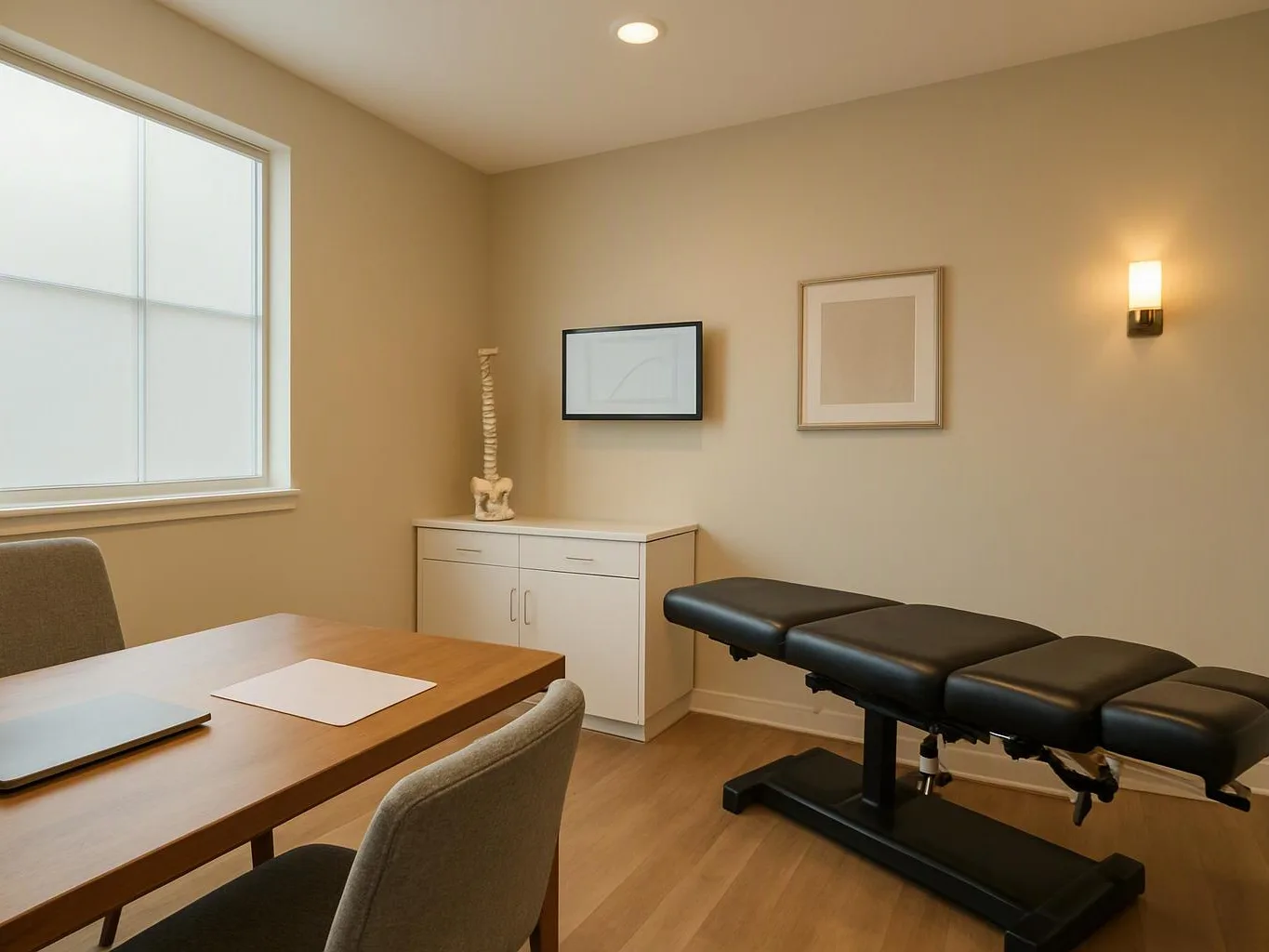
We assess posture-related pain by reviewing symptoms, observing posture, checking movement, and connecting findings to daily activities.
Our chiropractic assessment starts with your symptom history and functional goals. We ask when pain appears, what changes it, and which activities are harder.
We then observe posture and check range of motion. We look for changes in alignment, muscle tension, balance, and movement control.
Movement patterns can reveal how different body areas share load. We use those findings to explain your symptoms and plan practical care.
What Does a Posture Correction Plan Include?
A posture correction plan may combine movement education, corrective exercises, activity changes, and care matched to the findings.
We explain which positions and habits may be adding strain. Our team then teaches movement strategies that fit your work, rest, and exercise needs.
Corrective exercise therapy may focus on core strength, flexibility, postural muscles, and controlled movement. Home care guidance helps you practice the plan between visits.
Service planning changes when symptoms, mobility, or functional goals change. We review your response and adjust the plan when needed.
Questions About Posture-Related Pain
Can bad posture cause headaches?
Yes, bad posture can contribute to headaches when neck tension and altered movement place stress on surrounding muscles. Advanced Injury Care Clinic reviews headache patterns, posture, and neck movement to decide whether posture may be involved.
Is posture-related pain a sign of a larger movement problem?
Posture-related pain can be a sign of a larger movement problem when symptoms keep returning or affect several activities. We assess mobility, strength, flexibility, and movement patterns before choosing care.
What should I bring to a posture assessment?
Bring a list of your symptoms, activities that increase pain, and any questions about daily movement. Clothing that allows comfortable movement can also help us observe posture and range of motion.
Can posture problems return after treatment?
Yes, posture problems can return when the habits or activities that caused strain continue. We provide movement education and home care guidance to help you maintain better control during daily activities.
Take the Next Step for Posture-Related Pain
Advanced Injury Care Clinic can assess recurring posture-related pain, limited mobility, and movement changes. Contact us to discuss your symptoms and request an appointment.
Contact Advanced Injury Care ClinicRelated Resources
Chiropractic Payment Plans vs Pay-Per-Visit Care
Compared ToA Chiropractic Care Plan vs Visit-by-Visit Care: What to Clarify First
Brand vs BrandSports Chiropractor vs General Chiropractor: What to Compare Before Choosing
What Goes With ItHow Chiropractic Care and Corrective Exercise Can Work Together