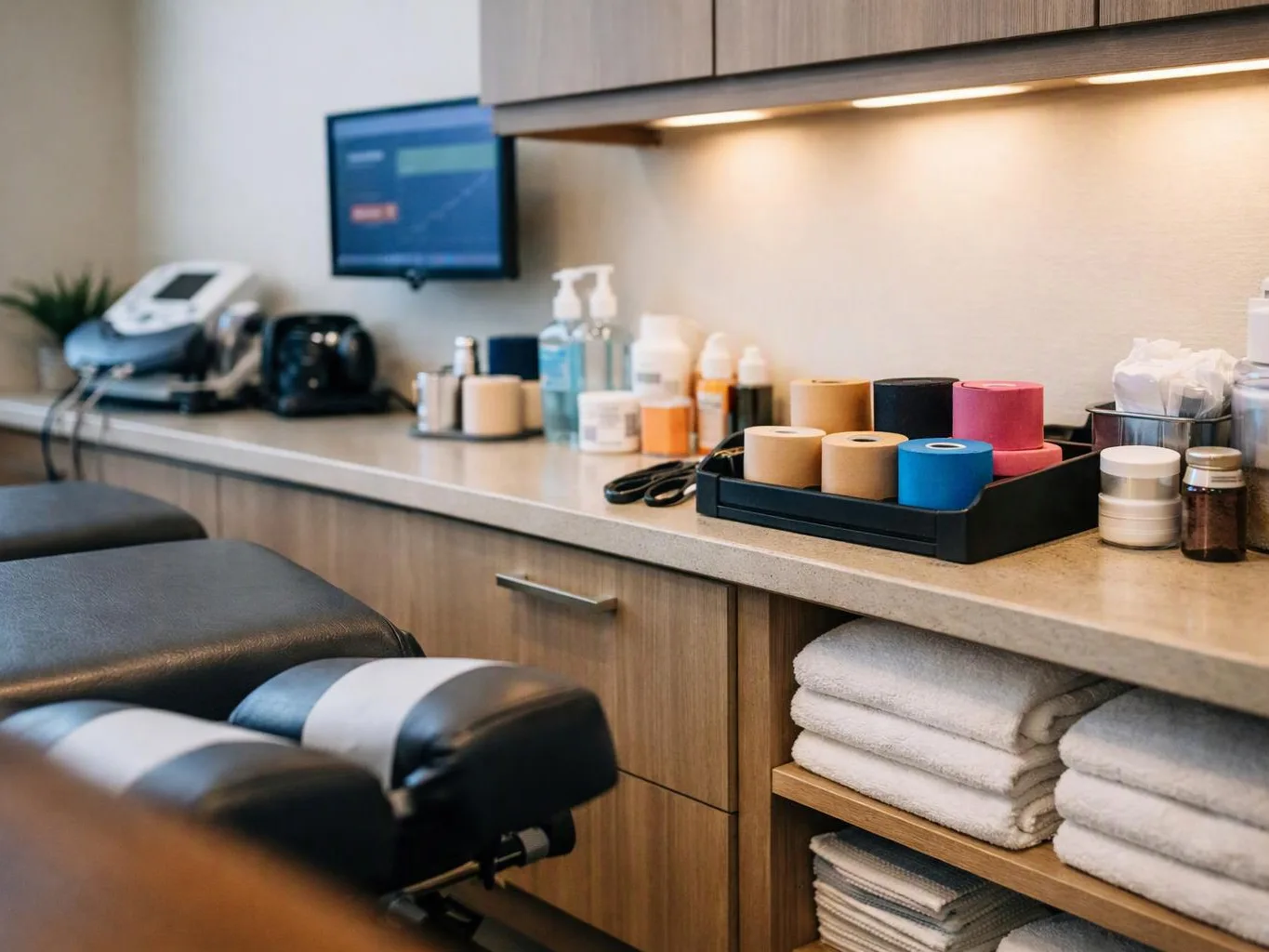
Kinesiology Taping: Application, Preparation, and Care Questions
Kinesiology taping questions should cover skin preparation, tape placement, movement expectations, bathing and activity care, removal, and warning signs; Advanced Injury Care Clinic explains what we check and how we guide aftercare.
Request an EstimateWhat Should You Ask Before Kinesiology Tape Is Applied?
Kinesiology taping questions should confirm the treatment goal, skin suitability, tape location, expected sensation, and care instructions before application. Our team uses a chiropractic assessment to connect the taping plan with your symptoms and movement needs.
Ask why tape is being recommended and what area it will support. Discuss allergies, sensitive skin, open areas, rashes, and any past reaction to adhesive. We also explain how tape placement may relate to your range of motion, muscle support, or joint movement.
Advanced Injury Care Clinic checks the skin condition and treatment goal before we begin. We then describe the expected feel of the tape and the signs that mean you should contact us.
How Should You Prepare for a Kinesiology Taping Appointment?
Skin preparation starts with clean and dry skin and a clear discussion of your health history. Tell our team about skin sensitivity, allergies, current symptoms, and relevant treatment history before tape application.
We review the area before applying tape and adjust the plan when your skin or symptoms call for a different approach. Preparation helps us assess the skin clearly and apply the tape with better control.
What Happens When Kinesiology Tape Is Applied?
Tape application follows an assessment of the affected area, movement pattern, skin condition, and intended support. Advanced Injury Care Clinic observes range of motion and joint movement so we can match the application with the treatment goal.
Our team may assess how the muscles move during a selected activity. We then choose the tape direction and tape tension that fit the planned muscle support or movement-focused taping approach.
The skin may feel supported, gently pulled, or more aware of the taped area. We check the skin response after application and explain what to monitor during showering, exercise, clothing changes, and daily movement.
How Do You Care for Kinesiology Tape After Application?
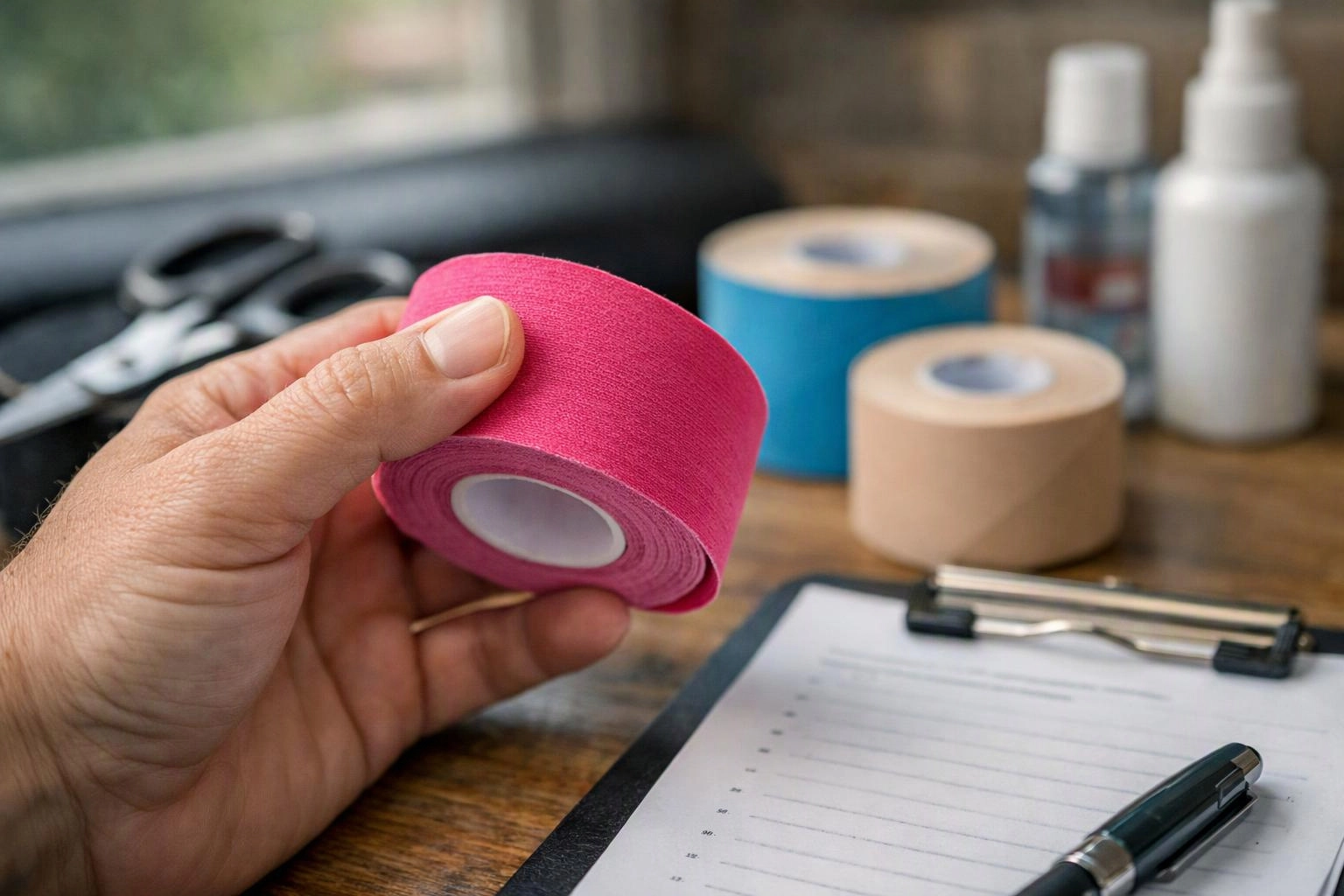
Tape aftercare focuses on keeping the tape secure, reducing unnecessary friction, and monitoring the skin while the tape remains in place. Our care instructions explain how to manage bathing, drying, activity, and clothing around the adhesive.
Showering and exercise may be possible with kinesiology tape when the tape remains comfortable and secure. Avoid rubbing the tape or pulling at its edges, and pat the area dry so friction does not loosen the adhesive.
| Time period | Required actions |
|---|---|
| Immediate | Keep the tape undisturbed, check how the skin feels, and report concerning irritation to Advanced Injury Care Clinic. |
| First Week | Follow our bathing, drying, activity, and clothing guidance while checking the tape edges and the skin beneath them. |
| First Month | Discuss repeated taping, changing symptoms, and skin tolerance with Advanced Injury Care Clinic before continuing a taping routine. |
| Ongoing | Use kinesiology taping only as part of an appropriate chiropractic care plan and seek reassessment when symptoms or skin reactions change. |
Our team can reassess the tape edges, skin response, and changing symptoms before you continue a taping routine. Skin tolerance matters as much as the intended support.
What Are Warning Signs After Kinesiology Tape Is Applied?
Skin irritation that becomes concerning means the tape should be removed and the area assessed. Contact Advanced Injury Care Clinic when a skin reaction or symptom change does not remain mild and manageable.
Do not ignore increased pain, swelling, numbness, or a rapidly changing rash. We use the reported symptoms and the skin assessment to decide whether further care or reassessment is needed.
How Should Kinesiology Tape Be Removed?
Tape removal should be slow and controlled while you support the skin. Pulling quickly can increase discomfort and may worsen skin irritation around the adhesive.
Begin at an edge and ease the tape back in the direction that feels most comfortable for the skin. Use care around sensitive areas, and stop when removal causes significant pain or irritation.
Inspect the skin after removal for redness, rash, swelling, blistering, or areas that feel unusually tender. Advanced Injury Care Clinic can guide removal and review the skin response when symptoms do not settle.
When Should You Ask Advanced Injury Care Clinic About Kinesiology Taping?
Advanced Injury Care Clinic can help when you need guidance with kinesiology taping consultation, preparation, application, aftercare, removal, or a changing skin or symptom response.
Ask our team about taping when the treatment goal is unclear, the tape does not feel right, or your movement and symptoms change after application. We connect the taping plan with your broader chiropractic care plan.
Contact us when you need a skin assessment, help with tape removal, or reassessment before continuing repeated taping. We explain the next step based on your symptoms and skin response.
Contact Advanced Injury Care Clinic