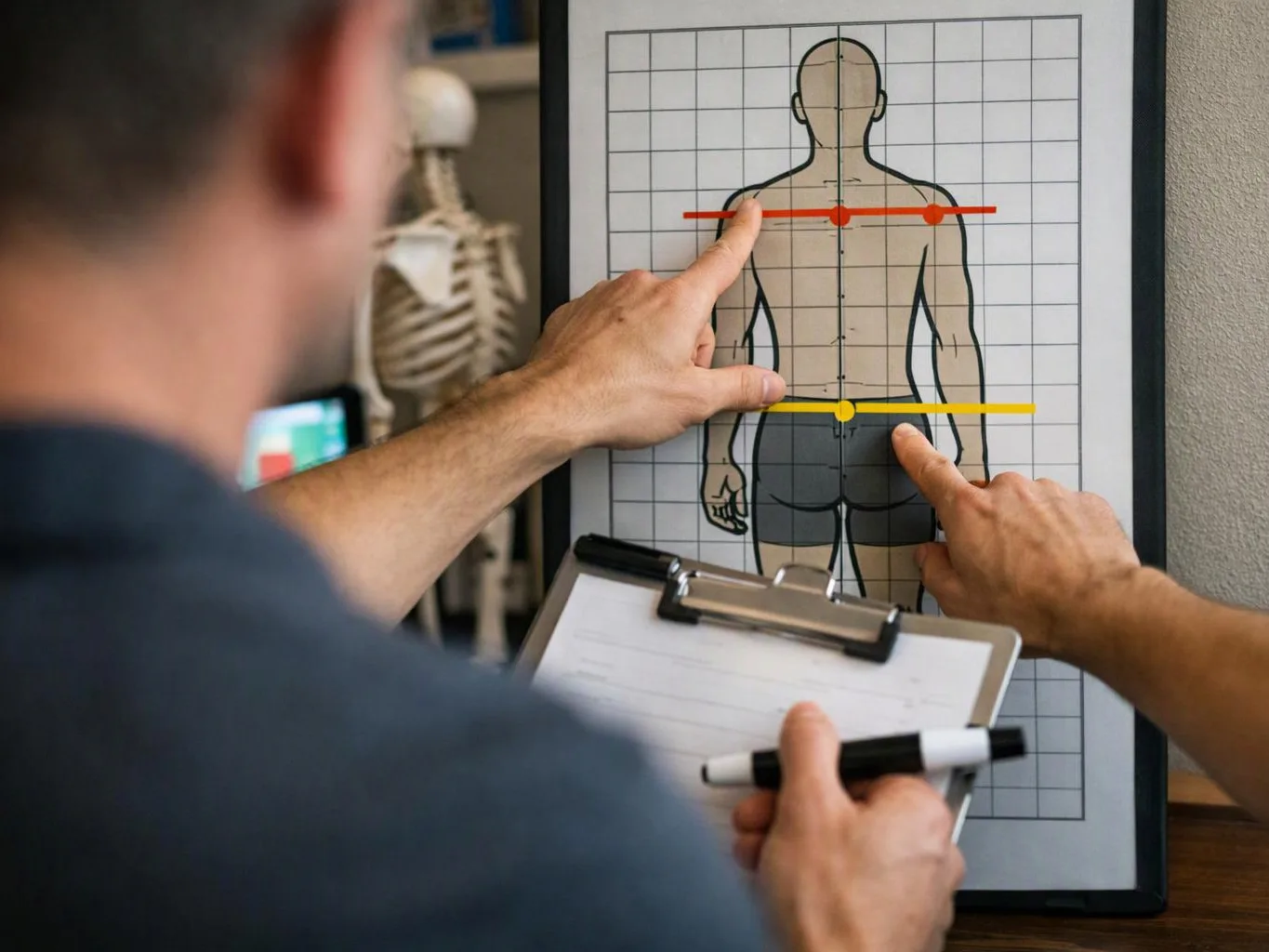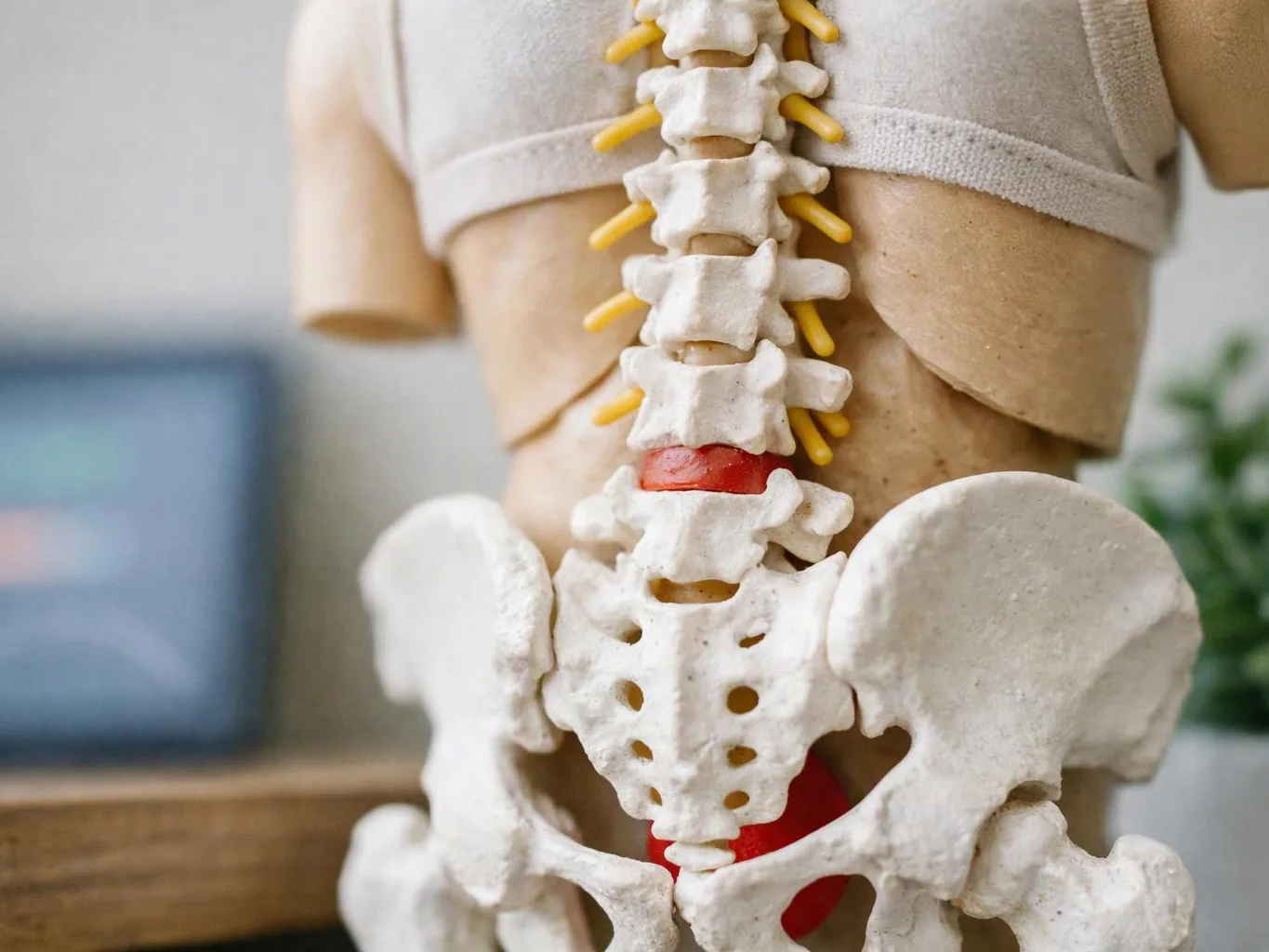
Skip to content

Kinesiology Taping in Brentwood, Tennessee

We apply kinesiology tape as part of personalized chiropractic care for Brentwood patients with pain, strain, or limited movement. Your plan starts with an assessment.

Upfront, Transparent PricingServing 18 CommunitiesMon-Fri: 9 am–7 pm, Sat: 9 am–2 pm, Sun: ClosedFast Scheduling
Advanced Injury Care Clinic provides kinesiology taping for patients in Brentwood and nearby communities. We assess the area causing discomfort, prepare the skin, and place kinesiology tape to support movement during daily activity. Neck pain, shoulder pain, back pain, and sports strain can affect how you move. We review your symptoms and combine taping with suitable chiropractic care when it fits your needs.

What taped support can change during daily movement

Tape may help you feel more supported during selected movements.

Placement gives our team a visible way to discuss movement and symptom changes.

A taping plan can complement soft-tissue techniques or corrective exercises when suitable.
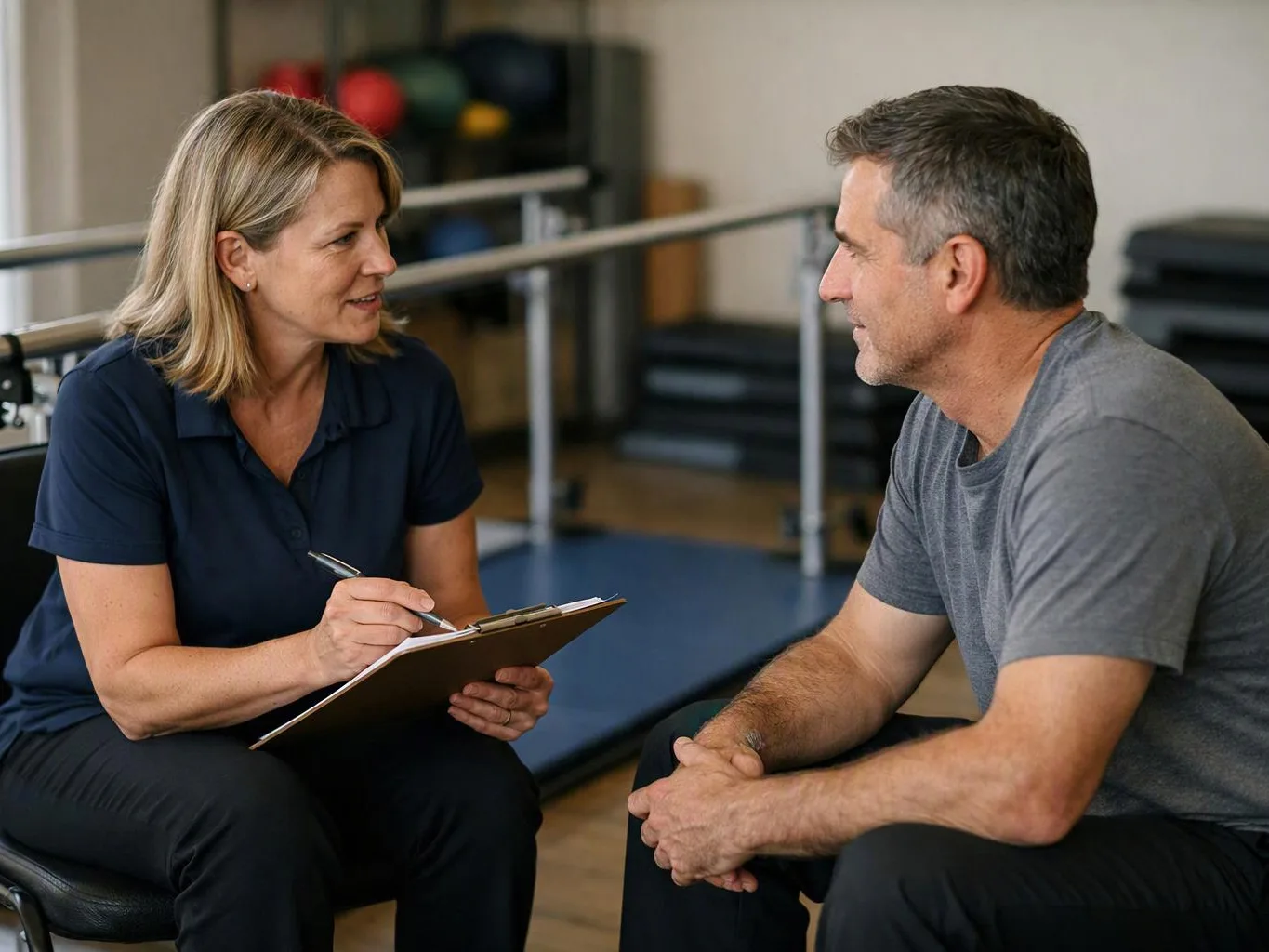
A woman writes on a clipboard while talking with a seated man in a gym studio
About

How kinesiology taping supports movement

Kinesiology taping uses elastic tape placed over or near an area affected by strain, discomfort, or reduced movement. The tape does not replace an examination, spinal adjustment, corrective exercise, or medical care when those services are needed. Our team first considers the patient’s symptoms, skin condition, and movement pattern. We then select a placement approach that fits the area and the patient’s goals. Individual response differs, so we monitor comfort and movement during follow-up care. The tape is a practical item you can keep in place as directed by our team. Skin moisture, friction, hair, and sensitivity can affect how well it stays in place. We explain care steps before you leave.

What Kinesiology Taping Covers

Kinesiology taping is a supportive treatment that places elastic tape on the skin to assist movement around an affected area.

  • Kinesiology taping differs from a spinal adjustment because it supports movement through tape placement while an adjustment addresses spinal or joint mechanics.
  • The service has the same clinical scope in Brentwood as in nearby communities, and we tailor placement to each patient’s condition and goals.
Process

What happens during a taping visit

1

Review the affected area

We discuss pain, strain, activity, and movement limits, then assess the area before selecting tape placement.

2

Prepare the skin

We check the skin and prepare a clean, suitable surface so the tape can sit properly.

3

Apply the tape

We place elastic kinesiology tape around the affected area with an approach suited to your movement and comfort.

4

Explain home care

We explain how to watch the taped area, when to remove the tape, and which skin changes should prompt a call.

5

Review the response

We ask about comfort and movement at follow-up visits, then adjust the care plan as your needs change.

What to prepare before kinesiology taping

A few details help us choose a safe and useful taping approach.

  • Wear clothing that lets us reach the affected area.
  • Tell us about skin sensitivity, rash, or past tape reactions.
  • Share when the discomfort began and which movements change it.
  • Bring relevant accident or injury details when the symptoms followed an incident.

The Advanced Injury Care Clinic Standard

Individualized Care

We match tape placement to each patient’s condition, movement needs, and stated care goals.

Thorough Assessments

We assess symptoms, skin condition, and movement before recommending taping for the affected area.

Progress Monitoring

We review comfort, skin response, and movement changes so the taping plan can change with patient needs.

Questions about kinesiology taping

Who provides kinesiology taping in Brentwood?

Advanced Injury Care Clinic provides kinesiology taping in Brentwood as part of individualized chiropractic care. We assess the affected area, skin condition, and movement before applying elastic tape. Our team also explains aftercare and checks how the taped area responds during follow-up care.

What does kinesiology taping help with?

Kinesiology taping supports selected movements around areas affected by strain, discomfort, or reduced mobility. It may help you feel more supported while you move, but results vary. We assess the underlying concern and decide whether tape fits your personalized care plan.

What decides the cost of kinesiology taping?

The affected area, assessment needs, and related treatment choices help determine the cost. We explain the care options and provide pricing details during the consultation. Tape material, skin preparation, and placement are part of the service discussion.

Can kinesiology tape cause skin problems?

Skin sensitivity can cause itching, redness, or burning under kinesiology tape. We check the skin before placement and explain what changes to watch for. Remove the tape as directed if irritation develops, then tell our team before another application.

Should I sleep with kinesiology tape on?

Sleeping with kinesiology tape depends on your skin response and the instructions we give you. The tape should not stay on when it causes burning, marked itching, or worsening redness. We explain removal and skin-care steps for your specific application.

Does kinesiology taping reduce swelling after an injury?

Kinesiology taping may support comfort around an injured area, but it does not replace an injury assessment. We review swelling, skin condition, movement, and the injury history before recommending tape. Worsening symptoms need prompt medical attention.

What should I bring to a taping appointment?

Your injury details, symptom changes, and information about skin sensitivity help us plan the visit. Wear clothing that gives access to the affected area. You don't need to bring an X-ray unless another clinician has given you one for this concern.

Key Points About Kinesiology Taping

  • Tape placement begins with an assessment of skin, symptoms, and movement.
  • Elastic kinesiology tape supports selected movements around an affected area.
  • Skin irritation needs attention before another tape application.
  • Tape may complement adjustments, soft-tissue work, or corrective exercises.
  • Individual response differs, so follow-up helps guide the care plan.
Contact

Ask about kinesiology taping in Brentwood

Advanced Injury Care Clinic can review how pain or strain affects your movement and discuss whether kinesiology taping fits your care plan. Book an appointment at our Brentwood clinic.
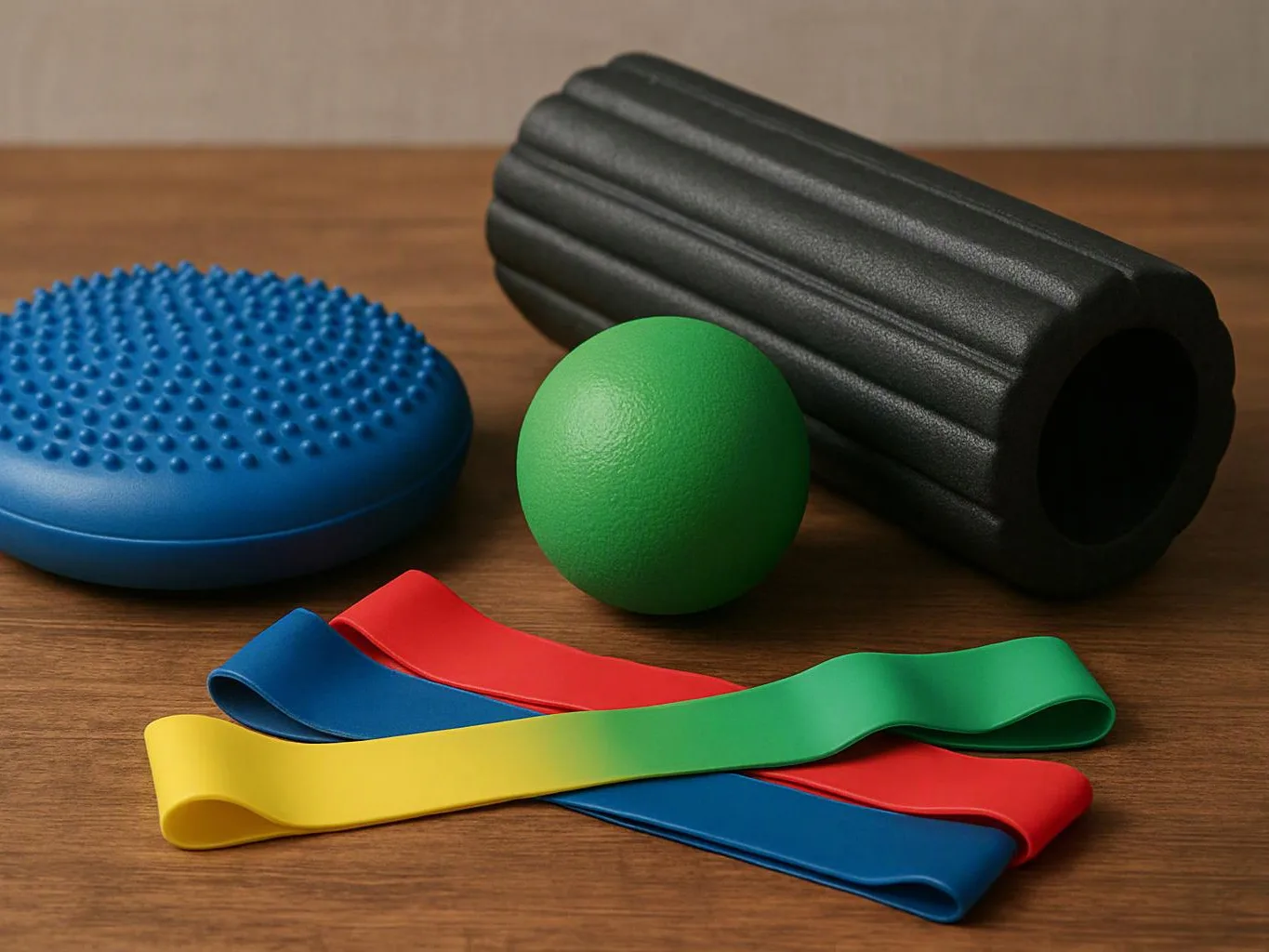
Exercise tools sit on a wooden table, including a blue balance disc, foam roller, ball, and resistance bands
Scenarios

When Customers Call Us About Kinesiology Taping

1

Shoulder Pain During Daily Reaching

Shoulder pain can make reaching, lifting, or dressing feel guarded. Tape placement must match the movement that causes trouble, and the skin must tolerate the material. At an appointment, we assess the shoulder and explain whether taping fits your care plan before applying it.

2

Strain After Sports Activity

A sports strain may feel manageable at rest but change during practice or exercise. Kinesiology taping can support selected movements, but it doesn't replace an assessment of the affected joint or soft tissue. We review the injury history, check movement, and discuss care steps for activity at home.

3

Skin Reaction After Tape Use

Itching, burning, or redness under tape needs attention, even when the original pain feels better. Skin condition, adhesive contact, and wear instructions all matter. Remove the tape as directed, note the skin change, and ask our team to review the area before another application.


Our Other Services

Massage TherapyTight muscles after training, desk work, or daily strain can make movement uncomfortable. Massage therapy uses myofascial release and trigger-point work to ease muscle tension and improve flexibility around painful areas.
Chiropractic AdjustmentPatients with stiff joints or restricted movement can receive a careful chiropractic adjustment focused on the affected area. Spinal manipulation and range-of-motion checks help reduce joint pressure and make everyday movement more comfortable.
Spinal Decompression TherapyPersistent leg symptoms or pressure in the lower back may call for spinal decompression therapy. Controlled traction addresses spinal loading around compressed discs and can support easier sitting, standing, and walking.
Auto Accident Injury TreatmentAfter a collision, soreness may develop in the neck, shoulders, or lower back days later. We assess seat-belt injuries, crash-related stiffness, and changing symptoms, then build care around safer movement and return to normal activities.
Prenatal Chiropractic CarePregnancy-related pelvic pressure and sacroiliac discomfort can make sleep, walking, and daily tasks harder. Prenatal chiropractic care uses pregnancy-appropriate positioning and gentle adjustments to support mobility while your body changes.
Pediatric Chiropractic CareChildren with posture concerns or activity-related muscle tension need age-appropriate care and clear explanations. Pediatric chiropractic evaluations focus on spinal alignment, movement patterns, and gentle techniques suited to the child’s comfort.

The health and wellness information on this website is for general informational purposes only and is not medical advice. It does not create a provider-patient relationship. Always consult a qualified licensed provider in Brentwood, Tennessee, United States about your specific condition before making care decisions. Individual results vary.

(615) 265-0412