How does treatment frequency change during rehabilitation?
Treatment frequency changes when injury severity, recovery goals, or progress monitoring show that the plan needs review. A health history and exam guide the starting approach. Follow-up checks help our team decide whether to continue, adjust, or change the focus of care. Individual response differs, so we don't promise a fixed schedule.
What does the team look at first during rehabilitation?
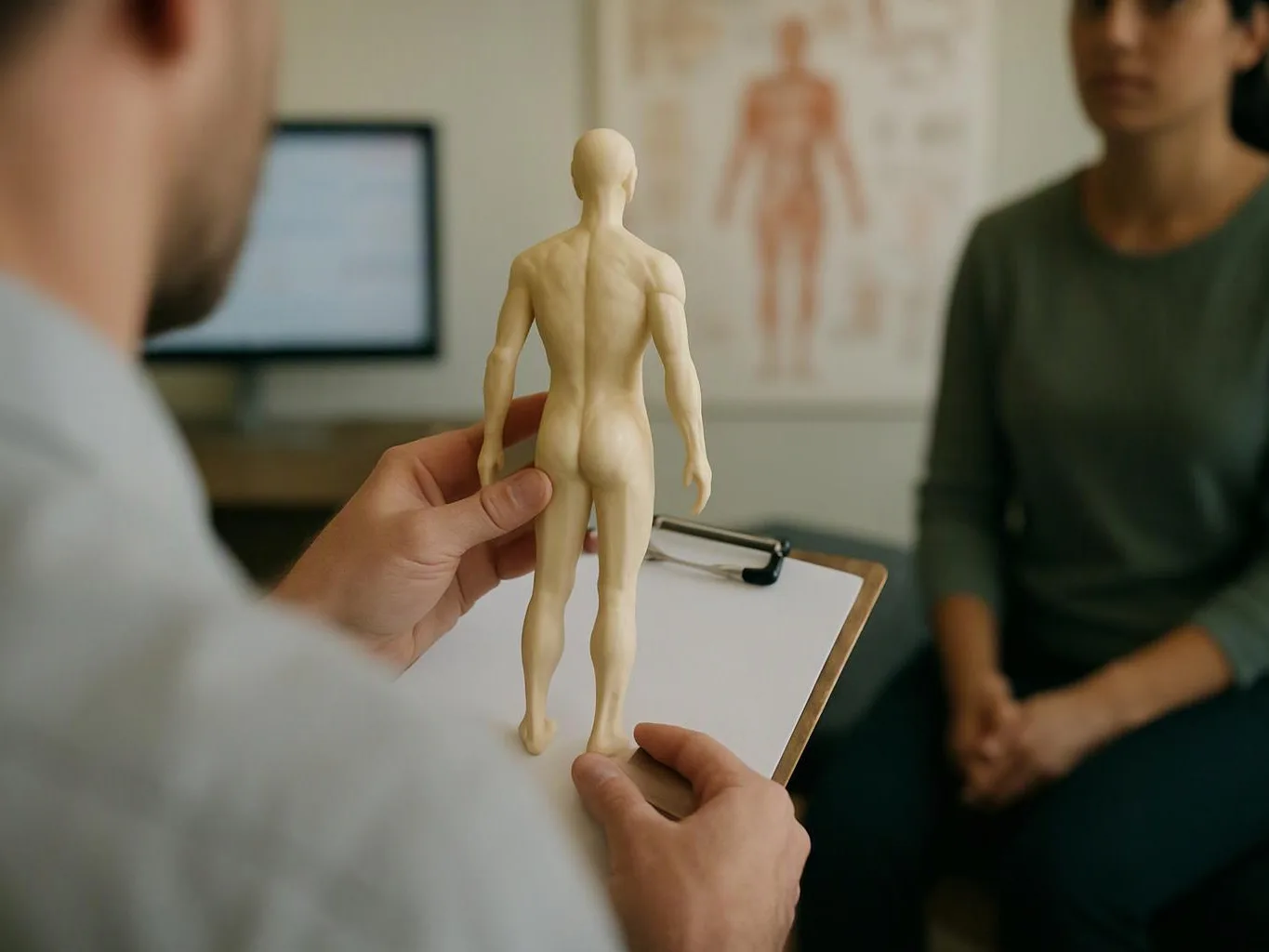
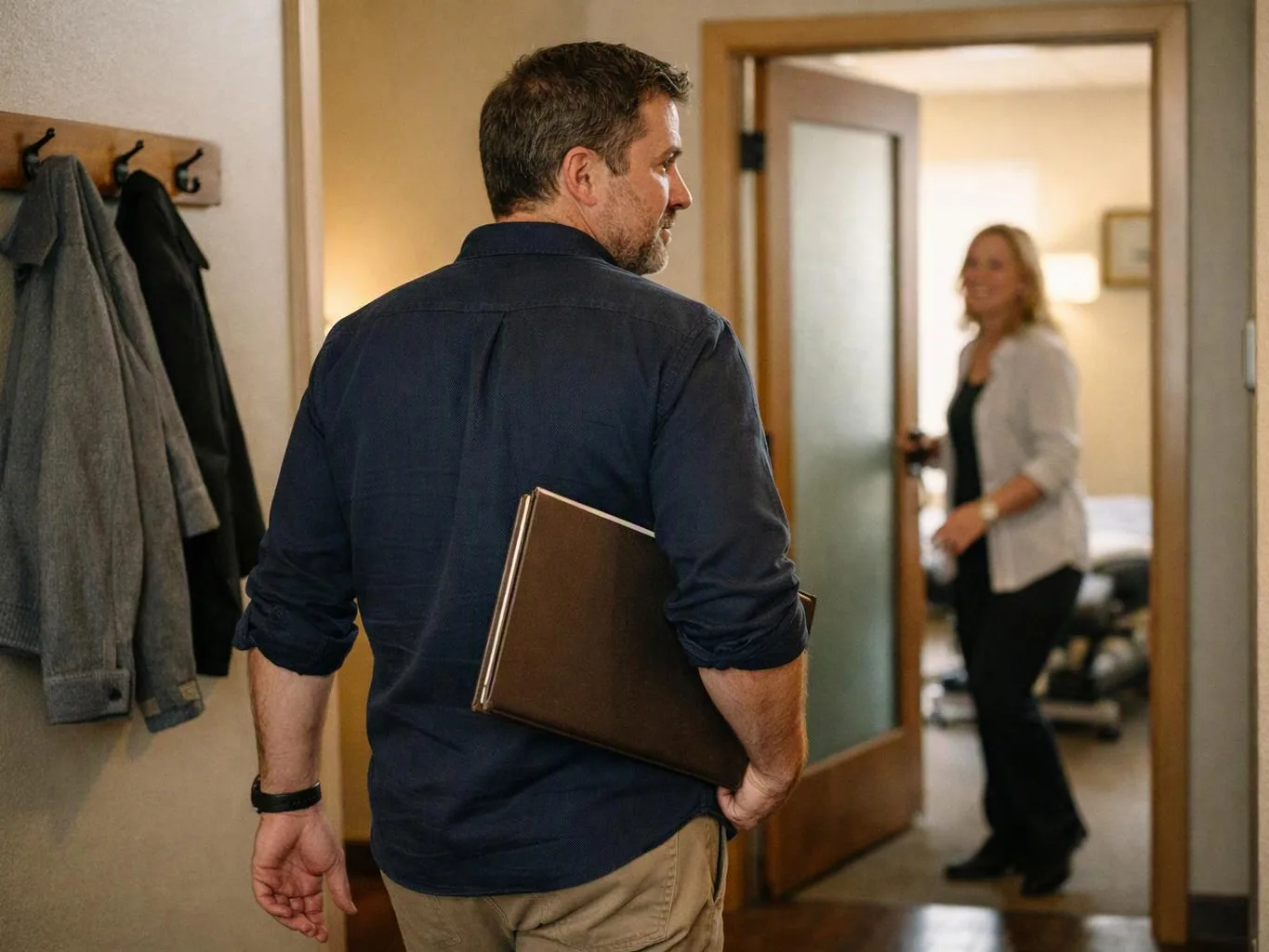
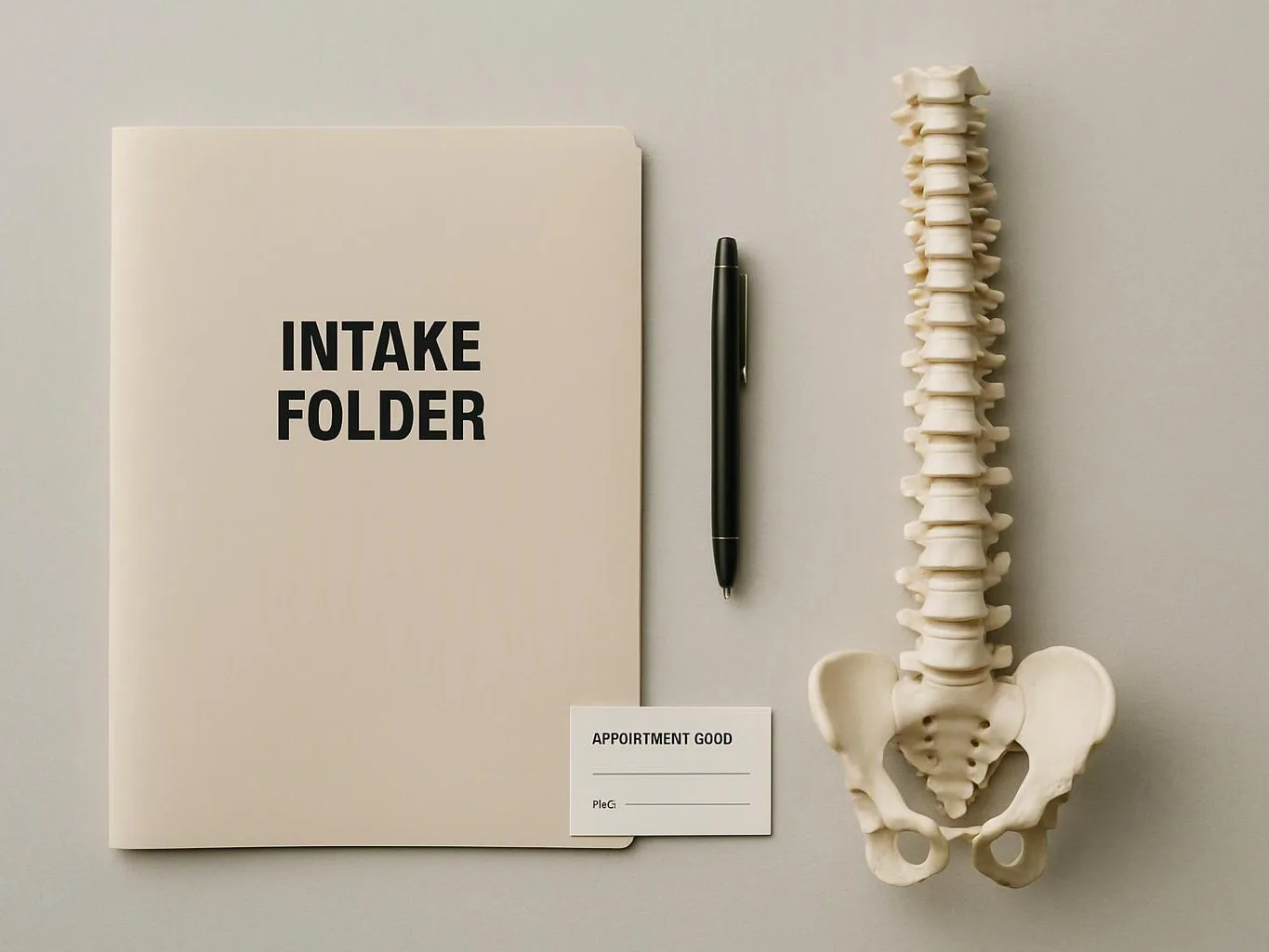
The first review covers your health history, symptoms, injury details, and movement. The new patient intake gives our team useful context before the exam. We then connect the findings to daily activities and recovery goals. That information guides the treatment plan.
What should be checked before care is scheduled?
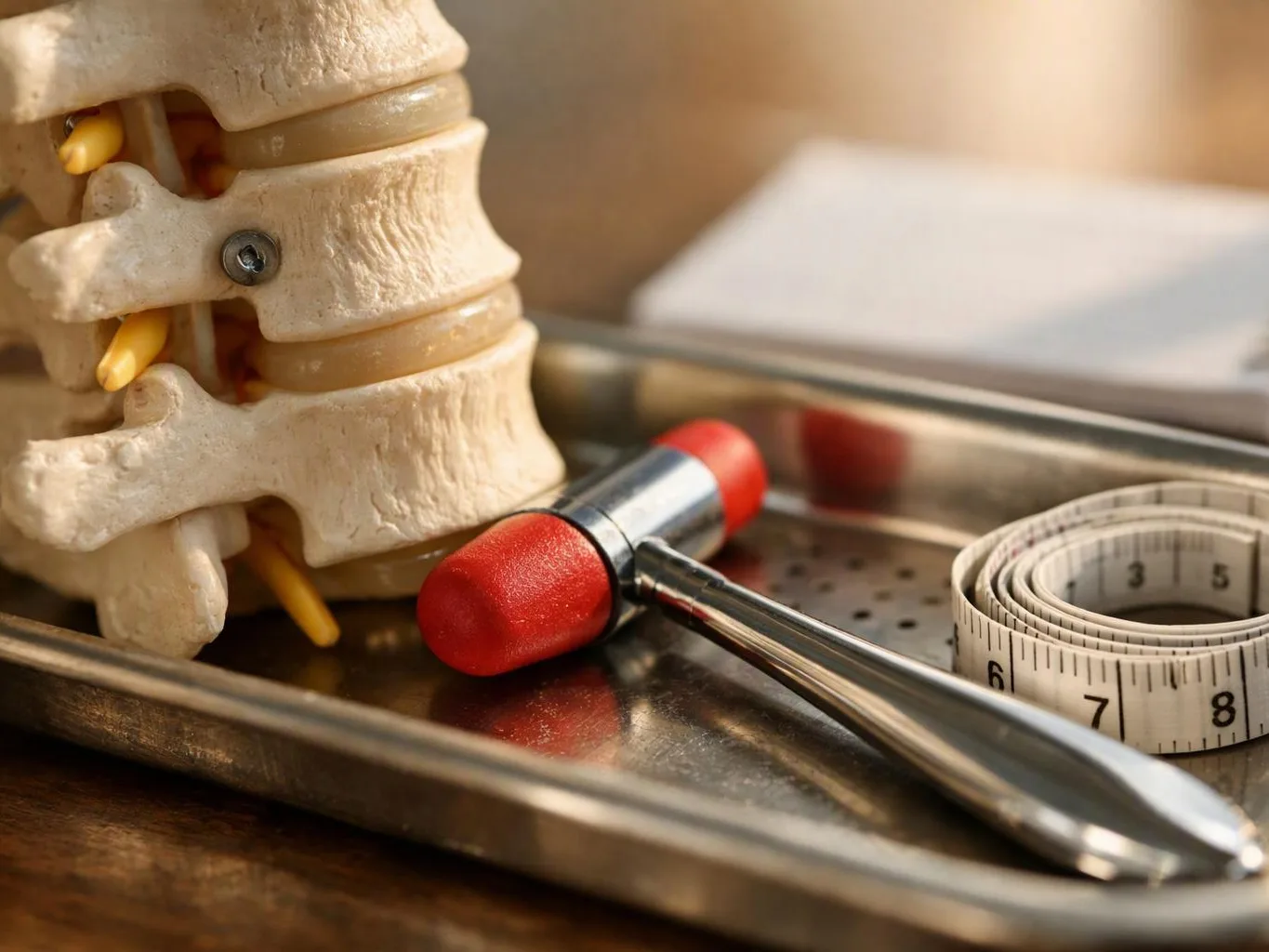
A health history and exam should be checked before care is scheduled. These steps help identify the nature of the musculoskeletal concern and whether chiropractic treatment fits. Patients should share accident details, current symptoms, prior care, and health information that could affect treatment.
Who is a good fit for chiropractic rehabilitation?
Patients with accident injuries, neck pain, back pain, headaches, or other musculoskeletal concerns may fit this care. The assessment decides whether treatment is suitable. Severe or unrelated medical concerns may need another service, and our team will guide that decision.
Which treatments may be part of the care plan?
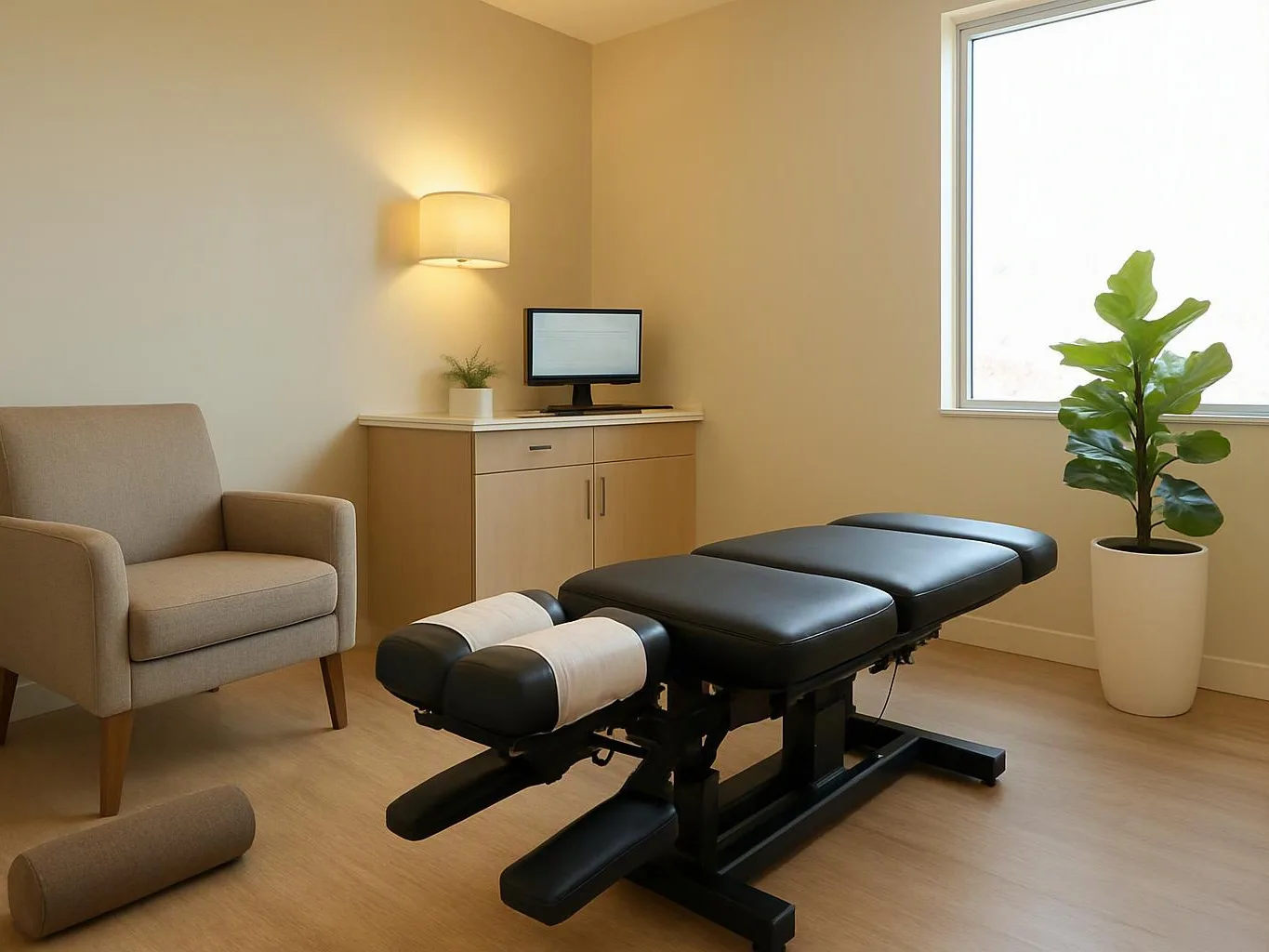
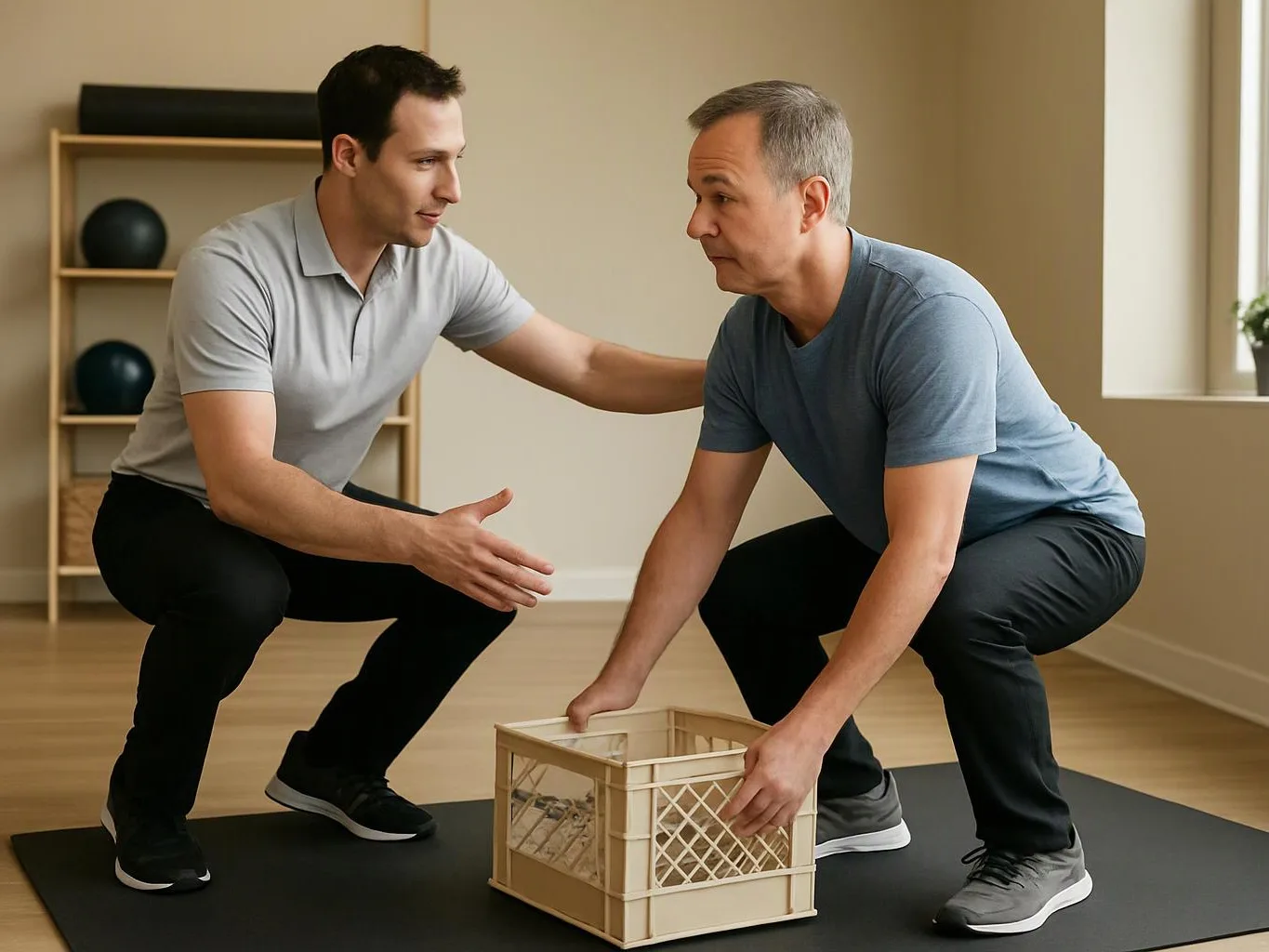
Spinal adjustments, corrective exercises, soft-tissue techniques, and therapeutic modalities may be part of the care plan. The exam determines which options fit the patient’s condition. We explain the purpose of selected treatments and review progress as care continues.
Can rehabilitation help after an automobile accident?
Rehabilitation may support recovery after an automobile accident when the assessment shows a suitable musculoskeletal concern. Our team reviews neck pain, back pain, headaches, movement limits, and injury details. The plan may include adjustments, exercises, soft-tissue work, and guidance for daily activity.
Why might progress monitoring change the plan?
Progress monitoring can change the plan when symptoms, movement, or recovery goals change. Follow-up checks help our team see whether the selected exercises or hands-on care remain useful. Individual response differs, so we adjust the approach when the findings call for it.