Skip to content

Spinal Decompression Therapy in Rural Hill, Tennessee

Treatment limitations receive a careful suitability check for patients in Rural Hill. We match spinal decompression therapy with your symptoms, exam findings, and care goals.

Upfront, Transparent PricingServing 18 CommunitiesMon-Fri: 9 am–7 pm, Sat: 9 am–2 pm, Sun: ClosedFast Scheduling

Quick Summary: Spinal decompression care in Rural Hill, Tennessee

Spinal Decompression Therapy in Rural Hill is provided by Advanced Injury Care Clinic for patients with back pain, neck pain, sciatica, and related musculoskeletal concerns. Care includes an evaluation, treatment planning, and guidance across Brentwood, Williamson County, and nearby Nashville-area communities.

  • What we do: Advanced Injury Care Clinic provides Spinal Decompression Therapy for patients in Rural Hill, Tennessee, after a health history and clinical exam.
  • What is included: Clinical evaluation, treatment planning, spinal decompression, spinal adjustments, corrective exercises, and soft-tissue techniques.
  • What you get: Patients receive a clear care plan that addresses comfort, movement, and treatment suitability.

What are common concerns with spinal decompression therapy?

Treatment limitations should be reviewed before care begins. Some patients report treatment discomfort, muscle soreness, or changes in symptoms. A health history and exam help identify medical concerns that need another form of care or further evaluation. Individual response differs, so we explain the plan and warning signs during consultation.

Spinal decompression therapy for Rural Hill treatment decisions

Spinal decompression therapy gives patients another treatment option when back pain, neck pain, sciatica, or disc-related symptoms affect daily movement. The decision starts with a new patient intake, health history, and exam. X-rays may be considered if clinically indicated.

This page focuses on treatment limitations and symptom changes. Mild soreness can occur after physical treatment, but new or worsening symptoms need prompt discussion with our team. We do not promise one result for every patient. Our job is to explain the findings, set a personalized treatment plan, and review progress as care continues.

The main buyer decision is fit. Some patients may benefit from table-based decompression, while others need a different approach, medical evaluation, or referral. We also provide spinal adjustments, corrective exercises, therapeutic modalities, and soft-tissue techniques when they suit the care plan.

  • Ask how treatment discomfort or muscle soreness will be monitored.
  • Share changes in numbness, weakness, pain, or movement before treatment.
  • Review health history and current care with the clinic.
  • Confirm whether spinal decompression fits the planned treatment approach.
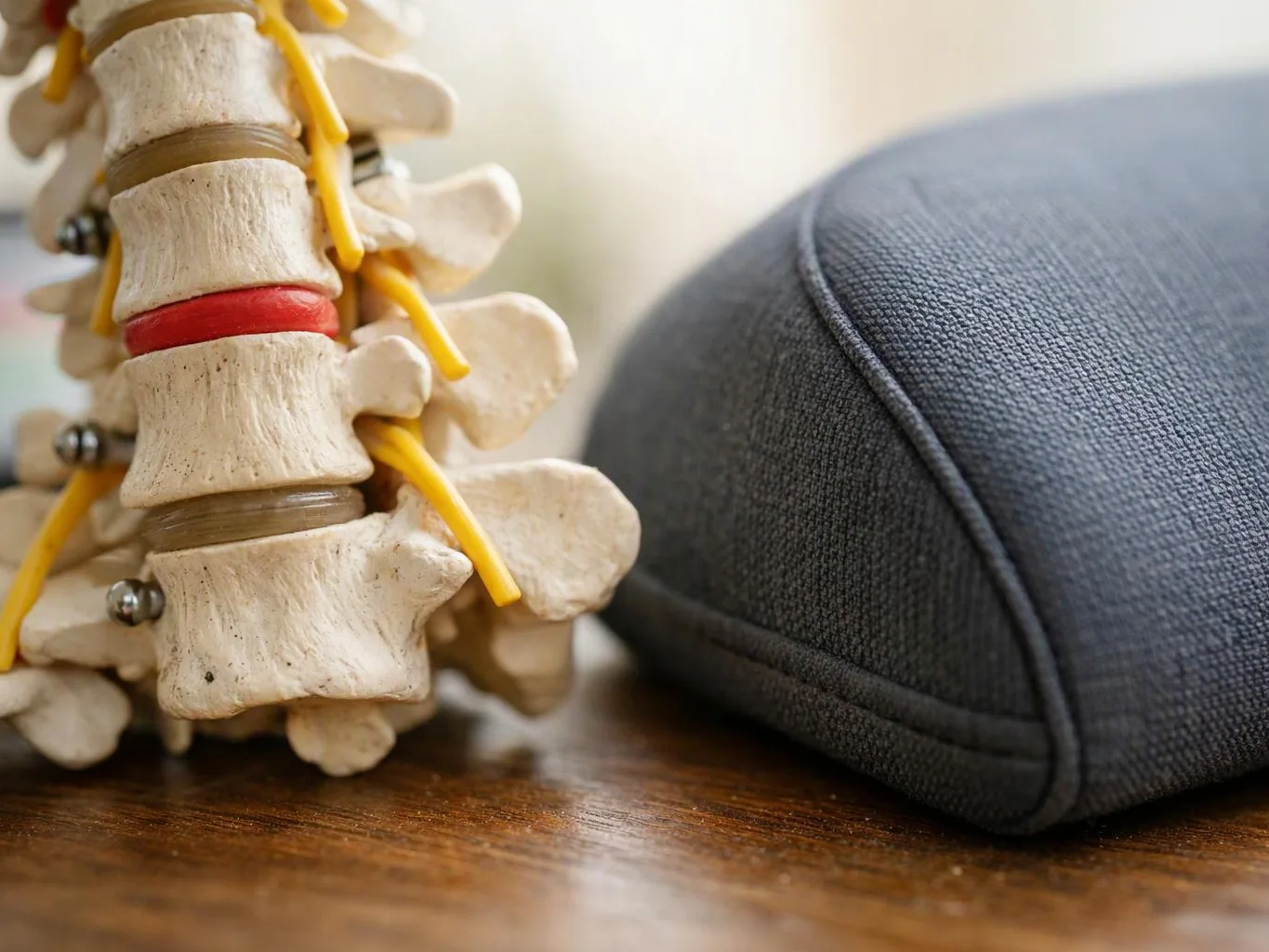
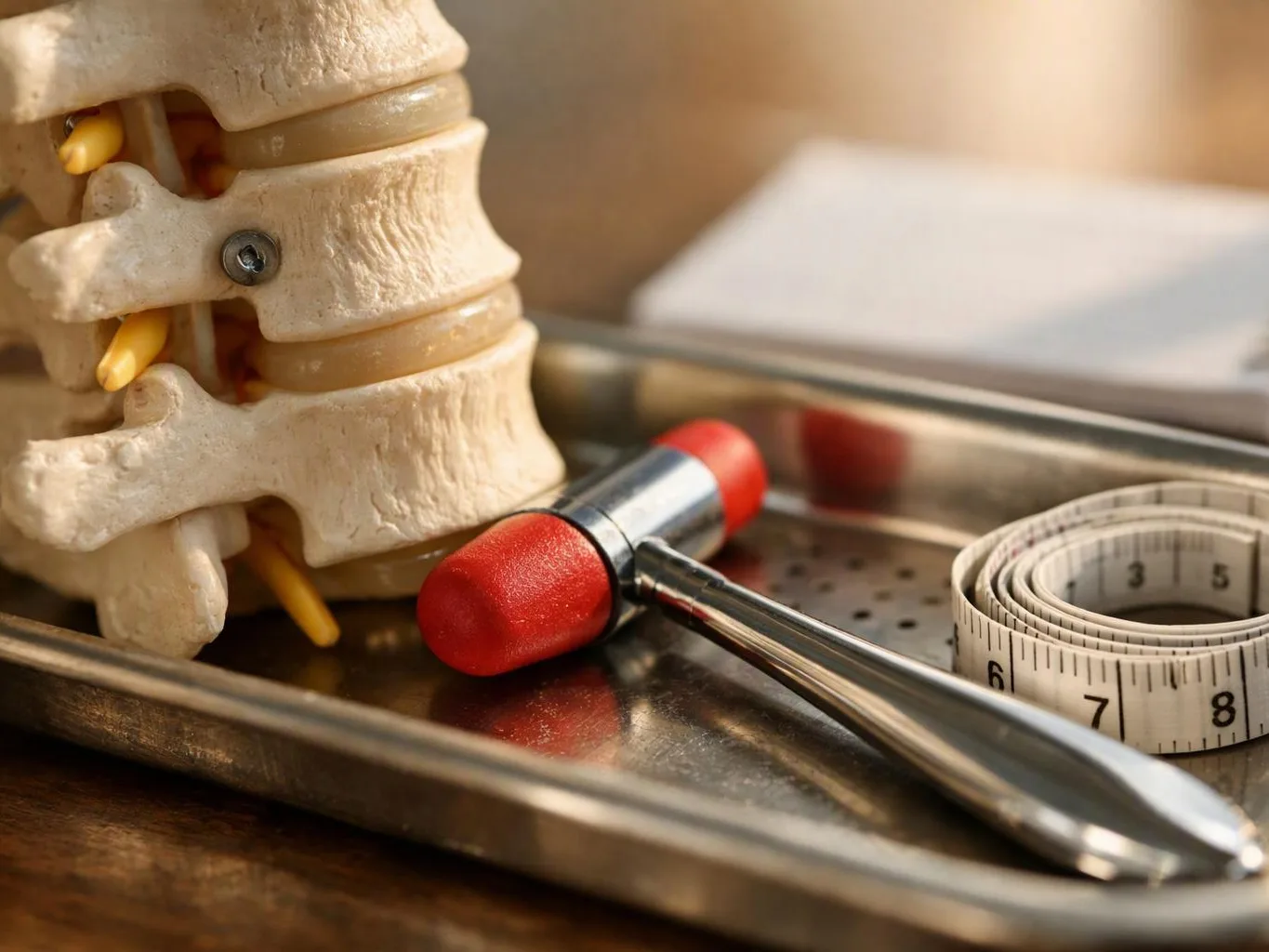
A close-up shows a spine model beside a reflex hammer and rolled measuring tape on a metal tray

Service Overview

Spinal decompression therapy is a non-surgical treatment approach that uses controlled table movement to reduce loading through targeted areas of the spine.

  • Spinal decompression differs from spinal adjustments because it uses table-based traction, while adjustments apply a focused manual force to a joint.
  • Advanced Injury Care Clinic provides this care for patients in Rural Hill and surrounding Williamson County communities.

What patients gain from a careful decompression plan

A suitability check helps prevent treatment from being chosen without reviewing the full clinical picture.

Clear guidance helps you recognize expected soreness and report concerning symptom changes.

A personalized care plan connects table-based treatment with exercises or other methods when appropriate.

Spinal decompression may help improve comfort and mobility for some patients, but individual response differs.

Care close to home gives Rural Hill patients a local setting for discussing ongoing back or neck concerns.

What spinal decompression therapy includes for your visit

Advanced Injury Care Clinic provides comprehensive Spinal Decompression Therapy in Rural Hill. Here's what you get:

  • A health history and clinical evaluation help us understand your symptoms and treatment goals.
  • We review whether table-based spinal decompression fits your condition and current care needs.
  • Your plan may include spinal decompression alongside spinal adjustments, corrective exercises, or soft-tissue therapy.
  • We explain possible treatment discomfort, muscle soreness, and symptom changes before care begins.
  • We provide practical guidance that supports movement and daily activity during recovery.
  • Progress re-examination helps us review your response and adjust the care plan.

What your decompression decision should include

A fit check before treatment

The first decision is suitability, not the table setting. We review your history, symptoms, and exam findings before selecting spinal decompression.

Plain guidance about soreness

Muscle soreness or treatment discomfort can affect some patients. We explain what to watch for and ask you to report changes that concern you.

A wider care plan

Spinal decompression may be paired with adjustments, corrective exercises, therapeutic modalities, or soft-tissue work when those methods fit your needs.

When another approach fits better

This service may be the wrong choice when symptoms or medical concerns call for another evaluation, a different treatment method, or care outside chiropractic treatment.

Process

How we plan and deliver spinal decompression care

1

Review your health history

We discuss your symptoms, prior injuries, current care, and daily limits during the new patient intake.

2

Complete the clinical exam

The exam checks movement, pain patterns, and related findings. X-rays may be considered if clinically indicated.

3

Check treatment suitability

We review medical concerns, treatment limitations, and symptom changes before choosing table-based decompression.

4

Set the personalized plan

Your plan may combine spinal decompression with adjustments, corrective exercises, therapeutic modalities, or soft-tissue techniques.

5

Review your response

We discuss comfort, soreness, movement, and symptom changes so the treatment plan can be reviewed as needed.

Spinal decompression and related treatment methods

These methods differ in how they apply treatment and when they may fit a care plan.

Treatment methodHow it is appliedWhat decides its use
Spinal decompressionControlled table movement supports targeted spinal treatment.Exam findings, symptoms, and medical concerns guide suitability.
Spinal adjustmentA focused manual technique addresses selected joints.Movement findings and the personalized care plan guide selection.
Corrective exercisePlanned movements support strength, control, and daily function.Your movement limits and treatment goals guide the exercises.

The Advanced Injury Care Clinic Standard

  • Individualized Care
  • Thorough Assessments
  • Clear Communication
  • Comfortable Techniques

Questions about spinal decompression therapy and treatment limits

How can I tell whether spinal decompression fits my symptoms?

Suitability comes from the health history, clinical exam, and symptom pattern. Our team checks movement limits, pain location, related symptoms, and medical concerns before recommending table-based care. A consultation also gives you time to discuss prior treatment, current medicines, and changes that affect your daily activities.

Which part of the evaluation decides the treatment plan?

The clinical exam guides the treatment plan after we review your health history. Findings from movement, pain patterns, and related symptoms help us choose spinal decompression, adjustments, exercises, or another option. X-rays may be considered if clinically indicated, but they are not automatically needed for every patient.

What should I report after a decompression visit?

New or worsening symptoms should be reported before another treatment visit. Tell our team about increased pain, new numbness, weakness, or a meaningful change in movement. Muscle soreness can occur after physical treatment, but the timing and pattern matter when we review your response.

When is spinal decompression the wrong treatment choice?

Spinal decompression is the wrong choice when the exam identifies a concern that needs another form of care. We may discuss a different chiropractic method or further medical evaluation. Severe symptom changes, new weakness, or other warning signs require prompt attention instead of proceeding without review.

Which treatment changes the plan when decompression is not enough?

Corrective exercises, spinal adjustments, soft-tissue therapy, or therapeutic modalities may change the plan when decompression alone does not fit the findings. Our team selects those methods after evaluation. We also review progress so the plan reflects your symptoms, movement, and response to care.
Contact

Discuss spinal decompression therapy in Rural Hill

A consultation gives you a clear treatment decision, including what will be checked and which symptoms should guide follow-up. Contact Advanced Injury Care Clinic to discuss spinal decompression therapy in Rural Hill and request a Free Consultation.

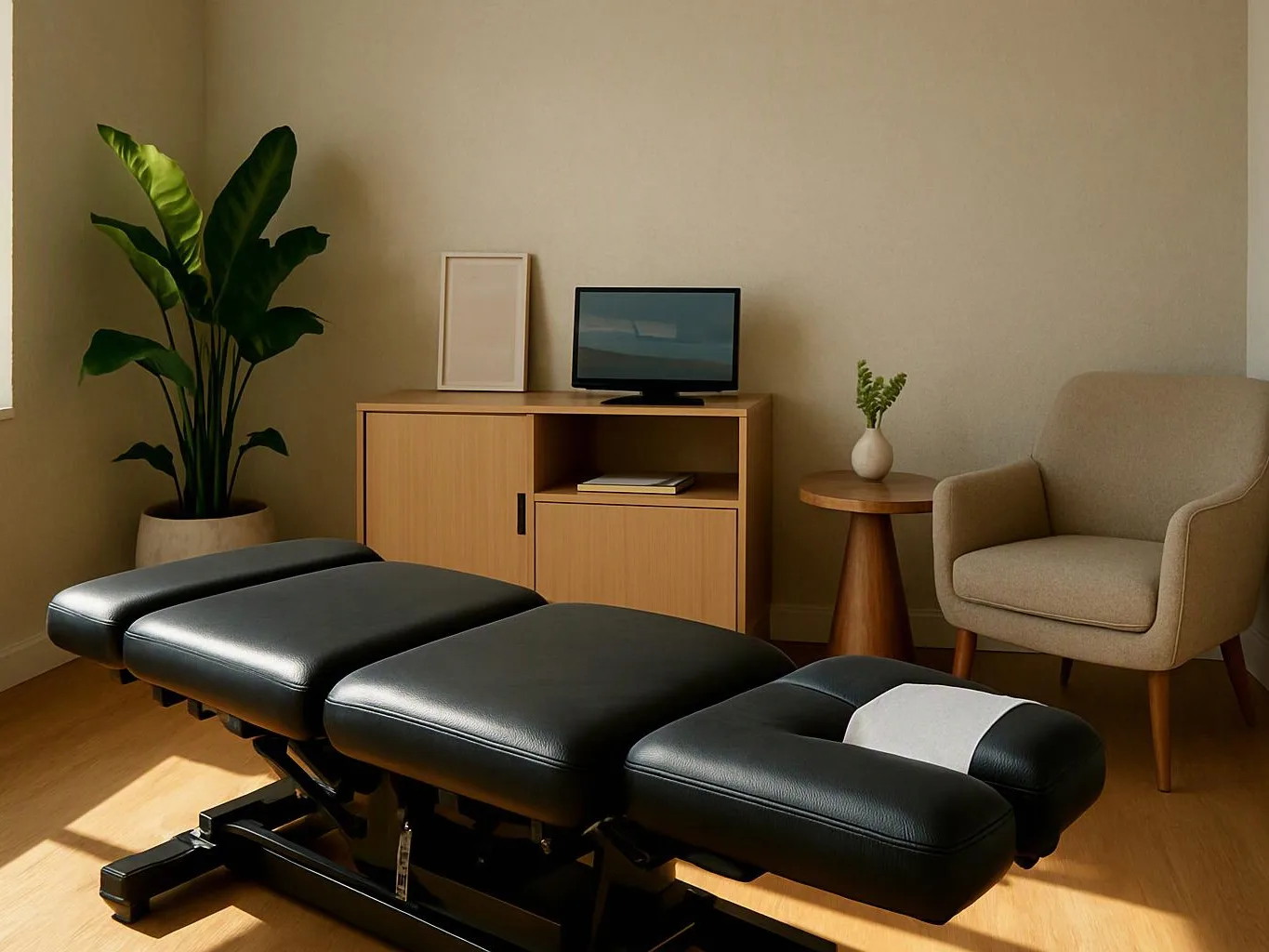
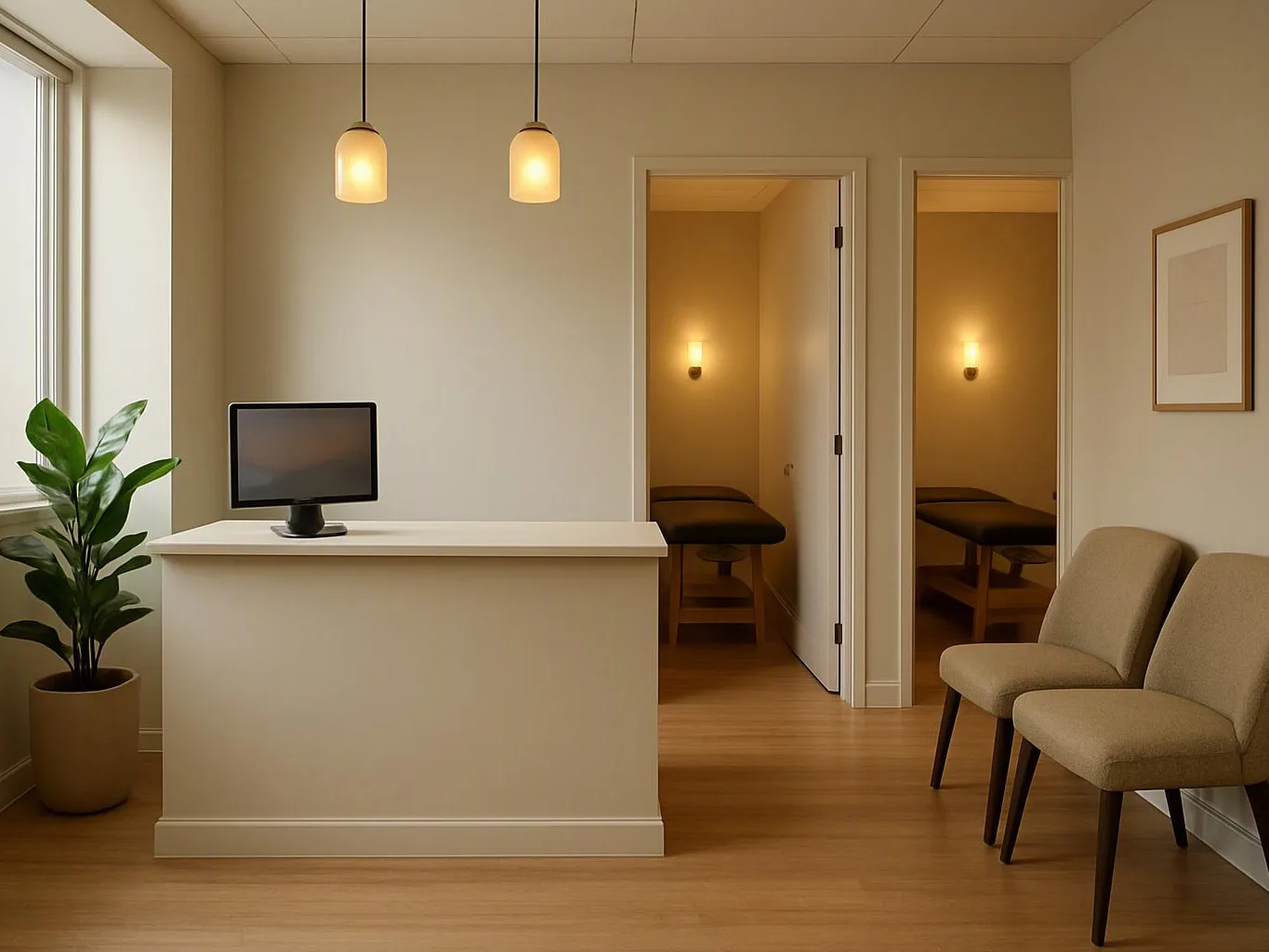
A quiet room shows three yoga mats, a potted plant, a small table with a screen, and a doorway to a treatment area

Spinal Decompression Therapy in Other Areas

The health and wellness information on this website is for general informational purposes only and is not medical advice. It does not create a provider-patient relationship. Always consult a qualified licensed provider in Brentwood, Tennessee, United States about your specific condition before making care decisions. Individual results vary.

(615) 265-0412