Skip to content

Corrective Exercise Therapy in Oak Hill, Tennessee

Joint stability is a key recovery choice for patients in Oak Hill. Our corrective exercise therapy supports safer movement through guided practice and clear care plans.

Upfront, Transparent PricingServing 18 CommunitiesMon-Fri: 9 am–7 pm, Sat: 9 am–2 pm, Sun: ClosedFast Scheduling

Quick Summary: Corrective exercise therapy in Oak Hill, Tennessee

Corrective Exercise Therapy in Oak Hill is provided by Advanced Injury Care Clinic for patients who need guided movement work after injury or strain. The service includes corrective exercises, movement review, and practical guidance within personalized chiropractic care across Brentwood, Williamson County, and nearby Nashville-area communities.

  • What we do: Advanced Injury Care Clinic provides Corrective Exercise Therapy for patients in Oak Hill, Tennessee, with movement review and guided exercise.
  • What is included: Exercise selection, muscle activation, movement control, functional strength, and recovery guidance.
  • What you get: Patients receive a clear exercise plan that supports safer movement, comfort, and daily activity.

Why does joint stability keep affecting movement after an injury?

Joint stability can remain limited when pain, weakness, or poor movement control changes how the body moves. Corrective exercise therapy addresses those patterns through guided exercises matched to the patient’s exam.


Corrective Exercise Therapy for joint stability and recovery

Corrective exercise therapy focuses on how your body moves during daily tasks. We assess muscle activation, movement control, and functional strength before choosing exercises.

Patients may seek this care after an automobile accident, sports injury, workplace incident, or ongoing strain. The goal is to support recovery while respecting the limits shown during the exam.

This page helps you decide whether guided exercise fits your needs. A hands-on treatment alone may not address movement habits that continue to stress a painful area, while exercise may not suit an unassessed acute problem.

  • Discuss the injury, symptoms, and daily movements that feel difficult.
  • Review muscle activation and movement control during the exam.
  • Match exercises to current function and treatment goals.
  • Ask how home practice fits with the broader care plan.
A teal strap, orange ball, metal bottle, and black textured foam roller rest on a light surface

Service Overview

Corrective Exercise Therapy is a guided movement service that addresses weakness, poor control, and limited function.

  • It differs from a spinal adjustment because exercise builds active control, while an adjustment uses a hands-on technique.
  • Advanced Injury Care Clinic provides this service for Oak Hill patients within its wider Brentwood-area coverage.

What patients should weigh before choosing this care

Exercise matched to your exam

The exercise plan starts with your symptoms, movement, and goals. Patients who need joint stability work receive guidance suited to their present ability, not a generic routine.

Active work between visits

Corrective exercises give you a practical role in your recovery. Results vary, and consistent practice does not replace a new assessment when symptoms change.

Know when another service fits

Corrective exercise therapy is not the right first step for every concern. Severe or unexplained symptoms need clinical assessment before exercise selection.

Process

How we plan and guide your exercise work

1

Review your symptoms and goals

We begin with a new patient intake and health history. You describe the injury, strain, daily limits, and recovery goals.

2

Assess movement and muscle use

Our team observes movement control, muscle activation, mobility, and functional limits during the exam.

3

Choose the exercise focus

We build a personalized treatment plan around the findings. The plan may address muscle activation, movement control, or functional strength.

4

Practice each movement

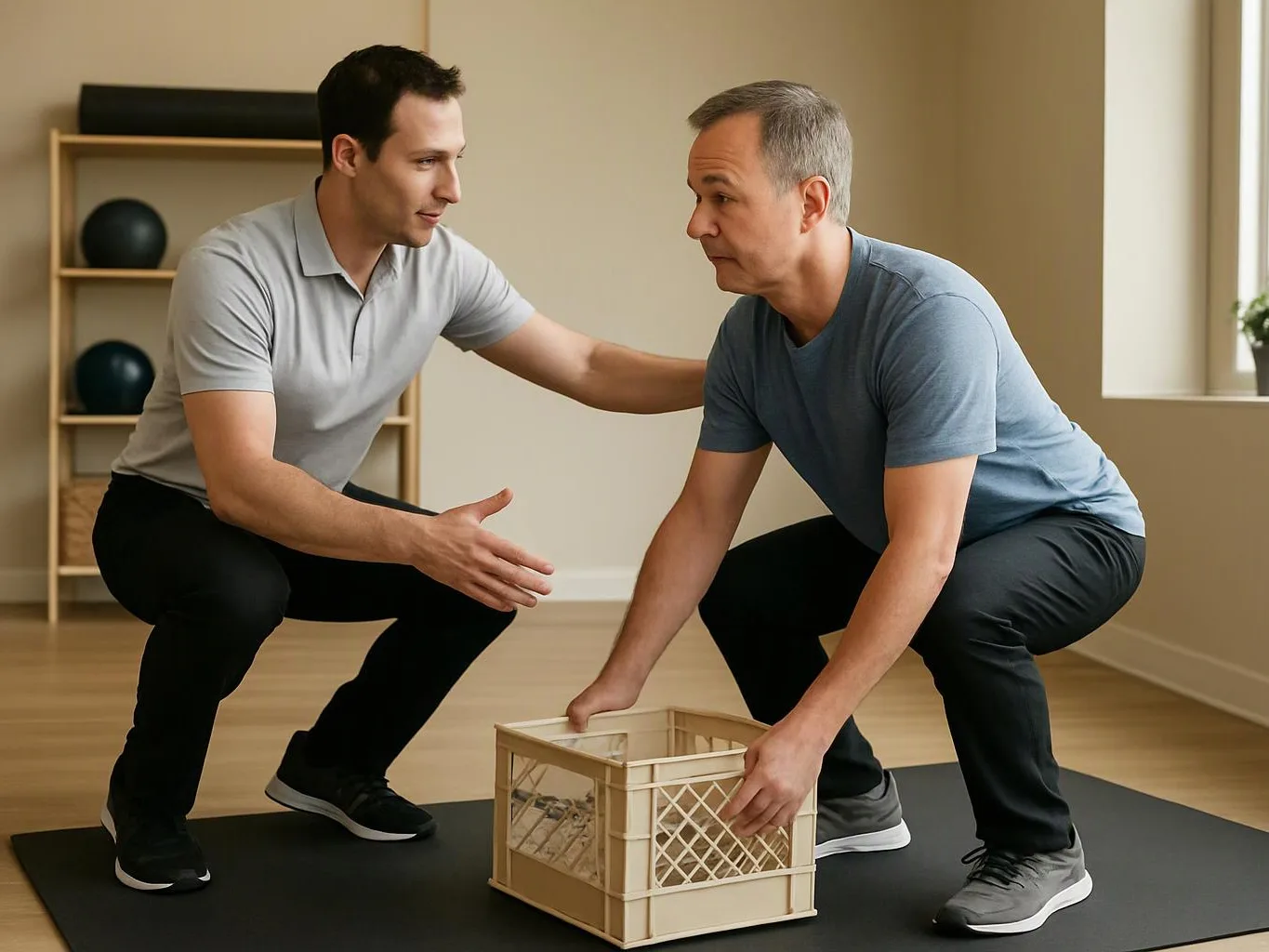
We explain form and guide the exercise so you understand the intended motion and your own limits.

5

Review progress and next steps

Follow-up care checks how your movement responds. We adjust the plan when your symptoms, function, or goals change.

What guided exercise work can change

Guided practice may improve movement control during daily activities.

Focused muscle activation can support better use of weaker areas.

Functional strength work may help you move with greater confidence.

A personalized plan gives you clear steps between appointments.

Regular maintenance may help you keep useful movement habits after symptoms improve.

What corrective exercise therapy includes for your recovery

Advanced Injury Care Clinic provides comprehensive Corrective Exercise Therapy in Oak Hill. Here's what you get:

  • We review your health history, symptoms, and movement concerns.
  • We assess how muscle activation affects control during selected movements.
  • We choose corrective exercises that match your current ability.
  • We explain how to perform each exercise with safe form.
  • We connect exercise work with adjustments, soft-tissue techniques, or other care when appropriate.
  • We provide practical guidance to support mobility and daily activities.

How exercise care differs from hands-on chiropractic care

These services can address different parts of a recovery plan and may be used together.

Care focusWhat the patient receivesWhen it may fit
Corrective exercise therapyGuided active movementMuscle activation, movement control, and functional strength
Spinal adjustmentsHands-on chiropractic techniqueCare directed at spinal movement and related findings
Soft-tissue therapyHands-on work with soft tissueCare directed at muscle and other soft-tissue concerns

The Advanced Injury Care Clinic Standard

  • Individualized Care
  • Thorough Assessments
  • Clear Communication
  • Comfortable Techniques

Questions patients ask about guided exercise care

How can corrective exercise therapy support recovery?

Joint stability can support recovery when pain or weakness has changed movement control. Advanced Injury Care Clinic checks muscle activation and functional movement, then guides exercises that fit the patient’s goals. The plan may work alongside spinal adjustments, soft-tissue techniques, or other chiropractic care. Individual response differs, so follow-up helps guide changes.

What should I ask before agreeing to corrective exercise therapy?

The treatment plan should explain the exercise goal, the movement being checked, and how progress will be reviewed. Ask which symptom or activity the exercise addresses. Also ask how the exercise fits with adjustments or soft-tissue therapy. Clear answers help you understand the plan before you begin.

Which condition changes the time needed for exercise planning?

The patient’s movement control and symptom response can change the time needed for exercise planning. Pain, weakness, limited mobility, and the demands of daily tasks all guide the assessment. Our team adjusts the plan when an exercise causes concern or no longer matches your function.

How is corrective exercise therapy matched to my needs before work starts?

The clinical assessment matches corrective exercise therapy to your symptoms, movement, and recovery goals. We review your health history, observe selected movements, and check muscle activation. Your plan then focuses on the areas that limit daily function. Exercises are changed when your findings or goals change.

What happens during the first assessment for exercise care?

The first assessment reviews your health history, symptoms, movement concerns, and treatment goals. Our team may examine mobility, muscle activation, and functional movement. The findings guide a personalized treatment plan. You receive practical guidance about the exercises selected for your needs.

Can exercise therapy help after a sports or workplace injury?

Corrective exercise therapy may support recovery after a sports or workplace injury when the assessment shows a movement or strength need. We consider the affected area, daily demands, and symptom response. The plan may include exercise with other chiropractic services. Results vary by patient and injury.

When should I stop an exercise and ask for guidance?

New or worsening pain, unusual weakness, or a change in function is a reason to stop and ask for guidance. Do not push through a symptom you cannot explain. Our team can review the movement and decide whether the exercise needs adjustment or further assessment.
Contact

Discuss corrective exercise therapy in Oak Hill

Your first deliverable is a consultation and movement assessment that clarifies whether guided exercise fits your goals. Schedule a visit with Advanced Injury Care Clinic to discuss your symptoms and care options.

A wooden mannequin stands on a table beside a measuring tape, blue block, and blank cards

The health and wellness information on this website is for general informational purposes only and is not medical advice. It does not create a provider-patient relationship. Always consult a qualified licensed provider in Brentwood, Tennessee, United States about your specific condition before making care decisions. Individual results vary.

(615) 265-0412