Skip to content

Corrective Exercise Therapy in Thompson's Station, Tennessee

How does joint stability affect movement in Thompson's Station? Our corrective exercise therapy uses movement checks and guided exercises to support recovery. Free Consultations are available.

Upfront, Transparent PricingServing 18 CommunitiesMon-Fri: 9 am–7 pm, Sat: 9 am–2 pm, Sun: ClosedFast Scheduling

Quick Summary: Corrective Exercise Therapy in Thompson's Station, Tennessee

Corrective Exercise Therapy in Thompson's Station is provided by Advanced Injury Care Clinic for movement control, muscle activation, joint stability, and functional strength. We serve Williamson County and nearby Nashville-area communities, with plans tailored to each patient's needs.

  • What we do: Advanced Injury Care Clinic provides Corrective Exercise Therapy in Thompson's Station, Tennessee, with movement checks and guided exercises that support recovery.
  • What is included: Movement assessment, corrective exercises, muscle activation, functional strength work, and practical recovery guidance.
  • What you get: The patient leaves with a personalized exercise plan that supports safer movement and improved comfort.

Why does poor joint stability keep causing pain during movement?

Poor joint stability can shift stress to nearby muscles and joints. Corrective exercise therapy checks movement control and muscle activation, then targets the weak or poorly timed parts of the pattern. Ongoing pain, numbness, weakness, or pain after an accident needs a full clinical evaluation before exercise begins.


Corrective Exercise Therapy for Movement Recovery in Thompson's Station, Tennessee

Corrective exercise therapy focuses on how the body moves, not only where discomfort appears. We review posture, range of motion, balance, muscle activation, and the way joints handle basic tasks.

This service fits patients who need help rebuilding movement after an accident, sports injury, workplace incident, or ongoing strain. The main decision is whether guided exercise fits the current condition and recovery stage. Severe or worsening symptoms may require further medical evaluation before exercise work begins.

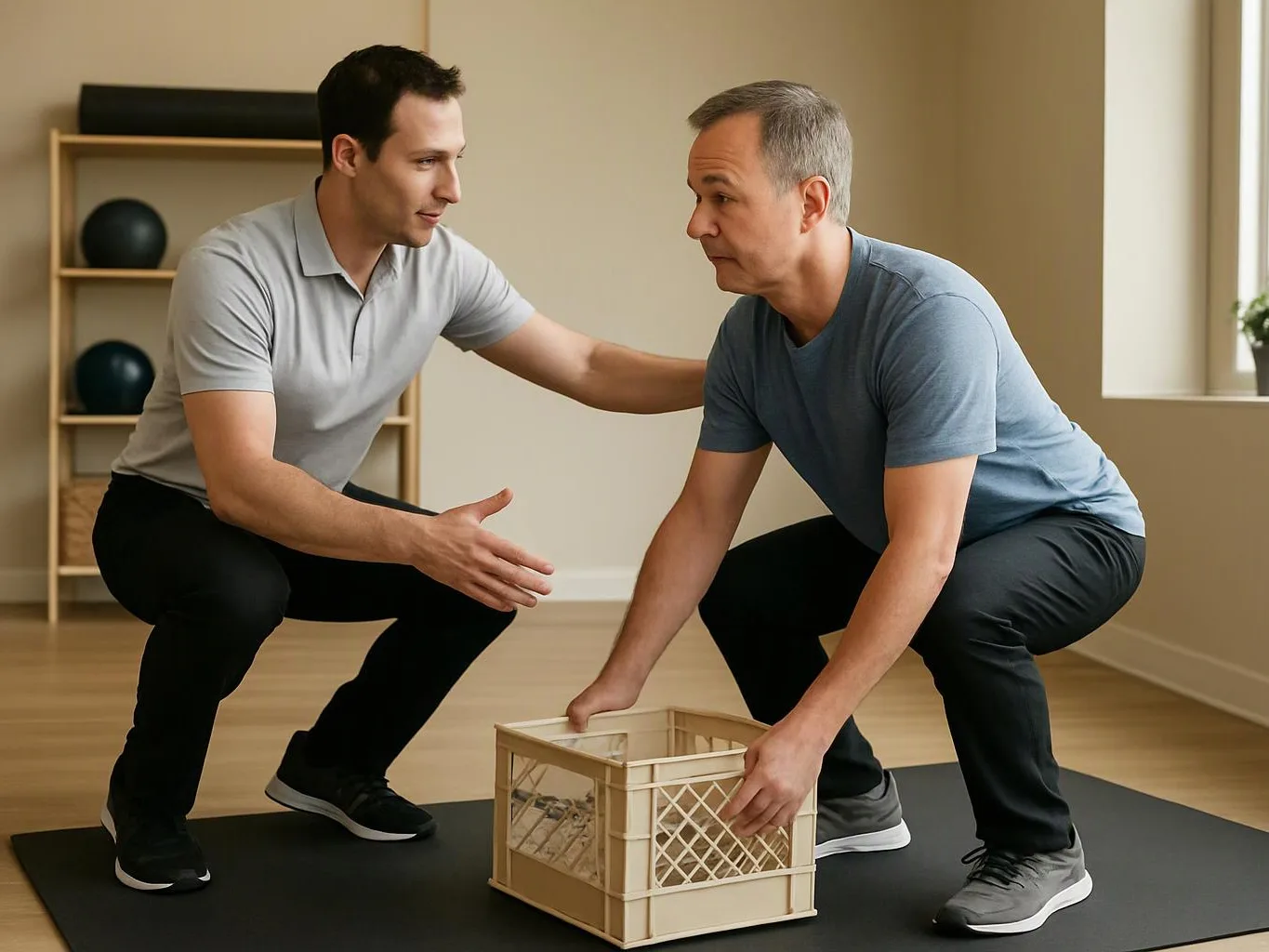
Our team connects exercise choices with the patient's care plan. A simple movement pattern, such as a squat or reach, can show where control breaks down. We then adjust the exercise level and explain how regular maintenance may support progress.

  • Review the movement that causes discomfort or feels unstable.
  • Check range of motion, balance, muscle activation, and movement control.
  • Match exercises to the patient's current condition and care plan.
  • Discuss home practice and follow-up needs in plain language.
A person holds a lotion bottle beside folded towels, candles, and a neatly made bed in a calm bedroom

Service Overview

Corrective Exercise Therapy is a guided movement service that improves muscle activation, movement control, and functional strength.

  • It differs from spinal adjustments because exercises help you practice controlled movement between treatment visits.
  • Advanced Injury Care Clinic provides this care for patients in Thompson's Station and surrounding communities.

How Guided Exercise Supports Better Movement

Controlled exercises may help improve muscle activation during daily movement.

Movement practice can support balance, coordination, and functional strength.

A personalized plan gives you clear steps for active recovery between visits.

Regular maintenance may help you keep practicing safer movement patterns.

Guided exercise can support comfort and mobility when it fits your broader treatment plan.

Process

How We Build a Corrective Exercise Plan

1

Review the health history

We discuss the injury, symptoms, daily activities, and treatment goals during the new patient intake.

2

Check movement and muscle control

The health history and exam guide checks of range of motion, balance, muscle activation, and functional movement.

3

Choose suitable exercises

We select controlled exercises that match the patient's mobility, strength, symptoms, and current care plan.

4

Teach safe home practice

We explain each exercise, show the needed movement, and discuss how to practice without pushing through concerning symptoms.

5

Review progress and adjust

A progress re-examination helps us decide whether the exercise plan needs changes or added support.

6

Discuss the consultation cost

Free Consultations give patients a chance to discuss their needs and the next assessment step before treatment planning.

What Patients Should Consider Before Starting Guided Exercise

Movement checks shape the plan

The assessment looks at how you move, not just where you feel pain. This helps us choose exercises that fit your current control and strength.

Exercise works with broader care

Corrective exercises may be paired with spinal adjustments, soft-tissue techniques, or therapeutic modalities when those services fit the care plan.

Some symptoms need another first step

Corrective exercise therapy is not the right first service for every problem. Severe symptoms, new neurological changes, or suspected serious injury need clinical evaluation before exercise selection.

What Corrective Exercise Therapy Includes for Your Recovery

Advanced Injury Care Clinic provides comprehensive Corrective Exercise Therapy in Thompson's Station. Here's what you get:

  • We complete a health history and movement assessment before selecting exercises.
  • We check how muscles activate during basic movements and daily tasks.
  • We teach controlled exercises that support movement quality and functional strength.
  • We adjust exercise choices around pain, mobility limits, and the current care plan.
  • We provide practical guidance for safe home practice and regular maintenance.
  • We review progress and update the plan when your movement needs change.

Choosing the Right Movement Support

These options differ by the main task they address and how they fit into a broader care plan.

Care focusMain purposeWhen it may fit
Corrective exercise therapyPractice controlled movement and build functional strengthMovement limits, poor muscle control, or recovery needs
Spinal adjustmentsAddress spinal movement within chiropractic careSpinal findings that fit the treatment plan
Soft-tissue techniquesAddress muscle and soft-tissue tensionSoft-tissue concerns that affect comfort or movement

The Advanced Injury Care Clinic Standard

  • Individualized Care
  • Thorough Assessments
  • Clear Communication
  • Comfortable Techniques

Questions About Guided Exercise and Recovery

How can corrective exercise therapy support recovery?

Joint stability supports recovery by helping muscles control movement around a painful or weak area. Advanced Injury Care Clinic checks movement control, muscle activation, and functional strength before choosing exercises. The plan may support comfort and mobility, but individual response differs. Ongoing symptoms receive further review before the exercise plan changes.

Who is a good fit for corrective exercise therapy, and who needs a different service?

Patients with movement limits, reduced strength, or poor muscle control may fit guided corrective exercise. The initial exam helps us decide whether exercise belongs in the care plan. Severe pain, new numbness, marked weakness, or suspected serious injury may need medical evaluation before exercise work begins.

What happens at each stage of corrective exercise therapy?

The process starts with a health history and movement exam, then moves into exercise selection and follow-up review.

  1. We discuss symptoms and goals.
  2. We check movement, balance, mobility, and muscle activation.
  3. We teach exercises that fit the current plan.
  4. We review progress and adjust the exercises when needed.

What does the care team look at first during corrective exercise therapy?

The first review looks at the patient's health history, current symptoms, and the movement that causes trouble. Range of motion, balance, muscle activation, and functional strength follow. X-rays may be considered if clinically indicated. These findings help us choose a safe starting point.

Which exercises may support muscle activation and movement control?

Muscle activation exercises may include controlled resistance work, balance practice, and task-based movement drills. A TheraBand can add resistance when it fits the plan. The exact exercise depends on symptoms, mobility, strength, and how the patient performs the movement during assessment.

Why might back pain return after exercise practice?

Back pain may return when the movement pattern, injury, workload, or muscle control has not improved enough. Our team reviews the task that brings symptoms and checks whether the exercise level still fits. Patients should report new, worsening, or spreading symptoms before continuing a changed routine.

What should I bring to my first appointment in Thompson's Station?

A patient should bring a list of symptoms, current medicines, relevant medical records, and accident or injury details. These details help Advanced Injury Care Clinic connect the health history with the movement exam. Bring any prior imaging reports that relate to the current concern.
Contact

Discuss Corrective Exercise Therapy in Thompson's Station

Are pain or movement limits affecting your daily tasks? Advanced Injury Care Clinic offers a free consultation to discuss your symptoms, goals, and possible next steps.

A green cushion, a spine model, folded white towels, and a blank card sit on a light surface

Corrective Exercise Therapy in Other Areas

The health and wellness information on this website is for general informational purposes only and is not medical advice. It does not create a provider-patient relationship. Always consult a qualified licensed provider in Brentwood, Tennessee, United States about your specific condition before making care decisions. Individual results vary.

(615) 265-0412