Skip to content

Spinal Decompression Therapy in Thompson's Station, Tennessee

Bulging discs can affect comfort and movement in Thompson's Station. We assess your symptoms before discussing spinal decompression therapy and related care.

Upfront, Transparent PricingServing 18 CommunitiesMon-Fri: 9 am–7 pm, Sat: 9 am–2 pm, Sun: ClosedFast Scheduling

Quick Summary: Spinal Decompression Care in Thompson's Station, Tennessee

Spinal Decompression Therapy in Thompson's Station is provided by Advanced Injury Care Clinic for patients with back pain, sciatica symptoms, and related musculoskeletal concerns. Care includes an evaluation and an individualized treatment plan, with service available through Williamson County coverage.

  • What we do: Advanced Injury Care Clinic provides Spinal Decompression Therapy for patients in Thompson's Station, Tennessee, after a health history and clinical evaluation.
  • What is included: Key capabilities include spinal decompression, chiropractic evaluation, spinal adjustments, corrective exercises, soft-tissue techniques, and therapeutic modalities.
  • What you get: The patient receives a treatment plan that addresses symptoms, movement limits, and the factors that may affect recovery.

Why do bulging discs keep causing back or leg symptoms?

Bulging discs may irritate nearby nerves and contribute to back pain, sciatica symptoms, or changes in movement. A clinical evaluation helps determine whether spinal decompression therapy fits the patient’s needs.

Spinal Decompression Therapy for Thompson's Station Patients

Spinal decompression therapy is considered for people with back pain, sciatica symptoms, nerve compression, or disc-related concerns. The main decision is whether the symptoms and exam findings support this type of care.

A spinal decompression table applies controlled movement while the patient remains positioned for treatment. The approach has limits, so our team reviews the health history, performs an exam, and explains other chiropractic options when they better fit the situation.

Patients in Thompson's Station can receive this care through our Williamson County coverage. The visit is focused on suitability, treatment planning, and practical steps that support comfort and mobility.

  • Share when the pain started and which movements make it worse.
  • Bring relevant medical records or imaging if you already have them.
  • Ask how spinal decompression fits with adjustments, exercises, or soft-tissue therapy.
  • Discuss any numbness, weakness, or changes in daily movement during the exam.
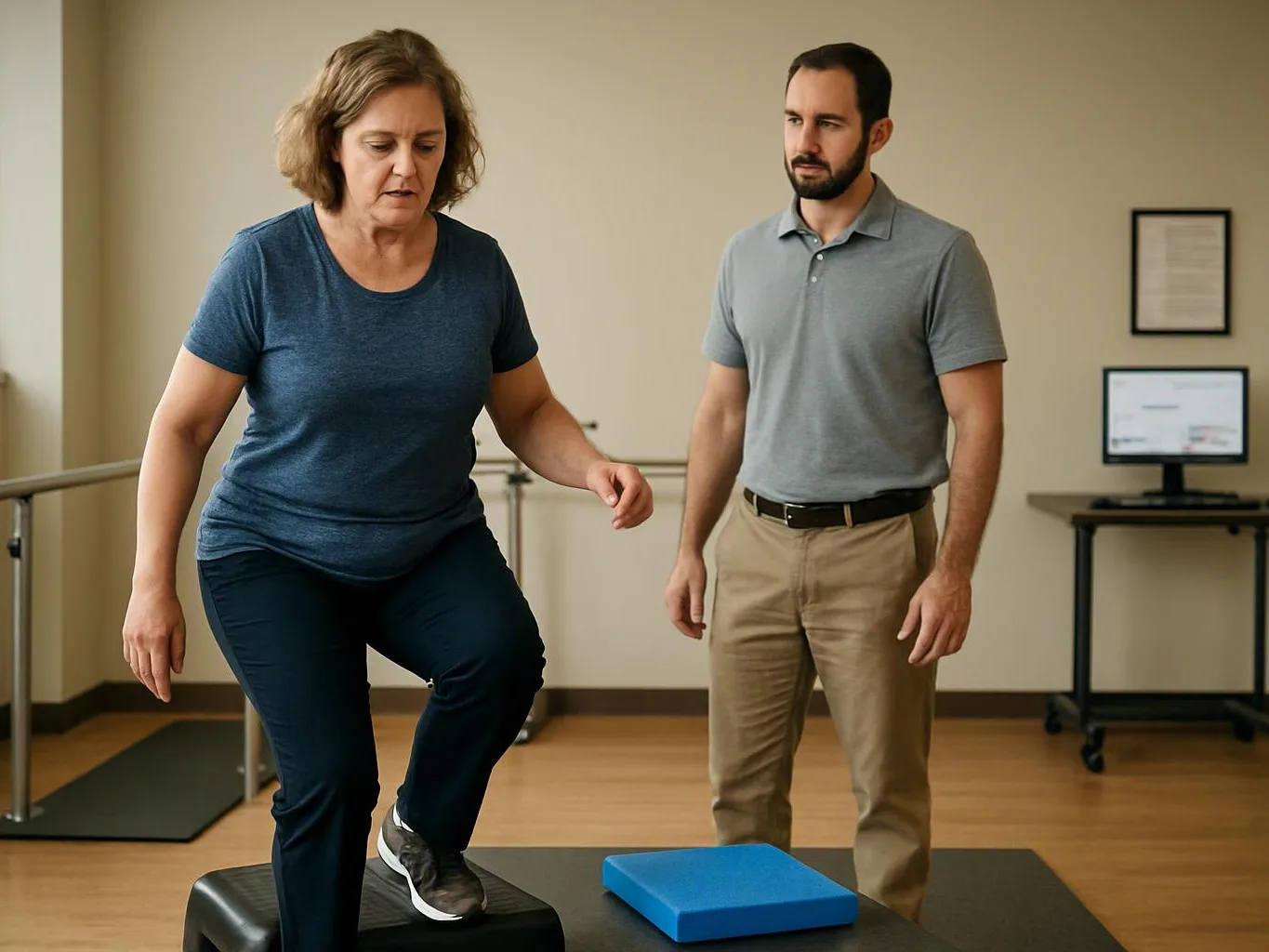
A woman steps onto a black exercise platform while a man watches in a therapy room

Service Overview

Spinal decompression therapy is a non-surgical treatment approach that uses controlled movement on a decompression table to address certain spine-related symptoms.

  • This approach differs from spinal adjustments, which use manual techniques to improve joint motion and support normal movement.
  • We provide this care for patients in Thompson's Station through our Williamson County service coverage.

What Patients Should Weigh Before Choosing This Care

A suitability check comes first

The exam helps match symptoms and movement limits with an appropriate treatment plan. Spinal decompression is the wrong fit when the evaluation points to a different type of care or needs medical attention outside chiropractic treatment.

Treatment can fit a wider plan

Disc-related symptoms may involve more than one source of discomfort. Our team may combine table-based decompression with adjustments, exercises, or soft-tissue work when those options suit the patient.

You receive practical guidance

A care plan explains the next treatment steps and useful movement habits. This helps patients make informed choices without relying on a single technique for every symptom.

Process

How We Plan and Deliver Spinal Decompression Care

1

Review the health history

We discuss your symptoms, past injuries, daily activities, and treatment goals during the new patient intake.

2

Assess spine movement

The exam looks at movement, tenderness, function, and symptoms that may relate to disc or nerve irritation.

3

Discuss treatment fit

Our team explains whether a spinal decompression table fits the findings and how other chiropractic methods may support the plan.

4

Set the care plan

You receive clear guidance about treatment options, corrective exercises, and practical steps that support recovery.

5

Review progress

Follow-up care checks how symptoms and movement are changing so the plan can be adjusted when needed.

What Spinal Decompression Care Includes

Advanced Injury Care Clinic provides comprehensive Spinal Decompression Therapy in Thompson's Station. Here's what you get:

  • A new patient intake and review of your health history.
  • A clinical evaluation of spine movement, symptoms, and functional limits.
  • A discussion of whether a spinal decompression table fits your condition.
  • A personalized treatment plan based on your needs and recovery goals.
  • Related chiropractic care such as spinal adjustments, corrective exercises, or soft-tissue techniques when appropriate.
  • Guidance on daily movement and self-care between visits.

What This Treatment May Help You Work Toward

Spinal decompression may help improve comfort when disc-related symptoms affect movement.

A planned care approach gives you clearer guidance about treatment choices.

Corrective exercises may support mobility as part of the wider plan.

Soft-tissue therapy and therapeutic modalities may address other factors that add to discomfort.

Regular maintenance may support continued movement after the main treatment concerns are addressed.

Spinal Decompression and Related Chiropractic Options

These options address different parts of a personalized chiropractic plan.

Treatment optionPrimary focusWhen it may be discussed
Spinal decompressionControlled movement on a spinal decompression tableDisc-related symptoms and selected spine concerns
Spinal adjustmentsManual techniques that support joint movementRestricted motion or joint-related discomfort
Corrective exercisesMovement, strength, and daily activity supportReduced mobility or habits that affect recovery

The Advanced Injury Care Clinic Standard

  • Individualized Care
  • Thorough Assessments
  • Clear Communication
  • Comfortable Techniques

Questions About Spinal Decompression Care

Who may benefit from spinal decompression therapy?

Advanced Injury Care Clinic may recommend spinal decompression therapy for patients with bulging discs, back pain, sciatica symptoms, or related nerve irritation when the exam supports it. The health history and movement assessment guide that decision. Individual results vary, and the treatment may not fit every spine condition.

What does the first visit include before treatment begins?

The first visit includes a new patient intake, health history, and clinical exam. The assessment may review spine movement, pain patterns, strength, and daily limits. X-rays may be considered if clinically indicated. We then explain the findings and discuss a personalized treatment plan.

Which part of a disc-related case changes the treatment plan?

The symptom pattern changes the treatment plan most when pain, numbness, weakness, or movement limits point to different needs. Our team also reviews prior injuries, health history, and daily activity. Those details help determine whether decompression, adjustments, exercises, or another option belongs in the plan.

How does a visit move from the first call to the last step?

A spinal decompression visit moves from scheduling and intake to an exam, treatment discussion, and progress review. The health history gives context for the symptoms. The exam guides suitability, and follow-up checks how the plan supports comfort and mobility.

Why might spinal decompression not fit a patient with sciatica symptoms?

Sciatica symptoms may need a different care approach when the exam shows a concern outside this treatment’s scope. Numbness, weakness, or changing symptoms should be discussed during the assessment. We review the full pattern before recommending decompression or related chiropractic care.

Can I receive spinal decompression with corrective exercises?

Corrective exercises may be included when they support the patient’s movement and recovery goals. The exercise plan depends on the exam and the activities that affect symptoms. Our team explains how exercises fit with table-based decompression, adjustments, or soft-tissue therapy.

How can a patient tell whether this treatment fits their symptoms?

A clinical assessment shows whether spinal decompression fits the symptoms, health history, and movement findings. Thompson's Station patients can discuss pain patterns, daily limits, and prior care during the evaluation. Imaging may be reviewed when clinically indicated, but treatment is not chosen from imaging alone.

Contact

Discuss Spinal Decompression Therapy in Thompson's Station

Advanced Injury Care Clinic offers free consultations for patients considering spinal decompression therapy in Thompson's Station. Schedule a visit to discuss your symptoms, assessment, and care options.

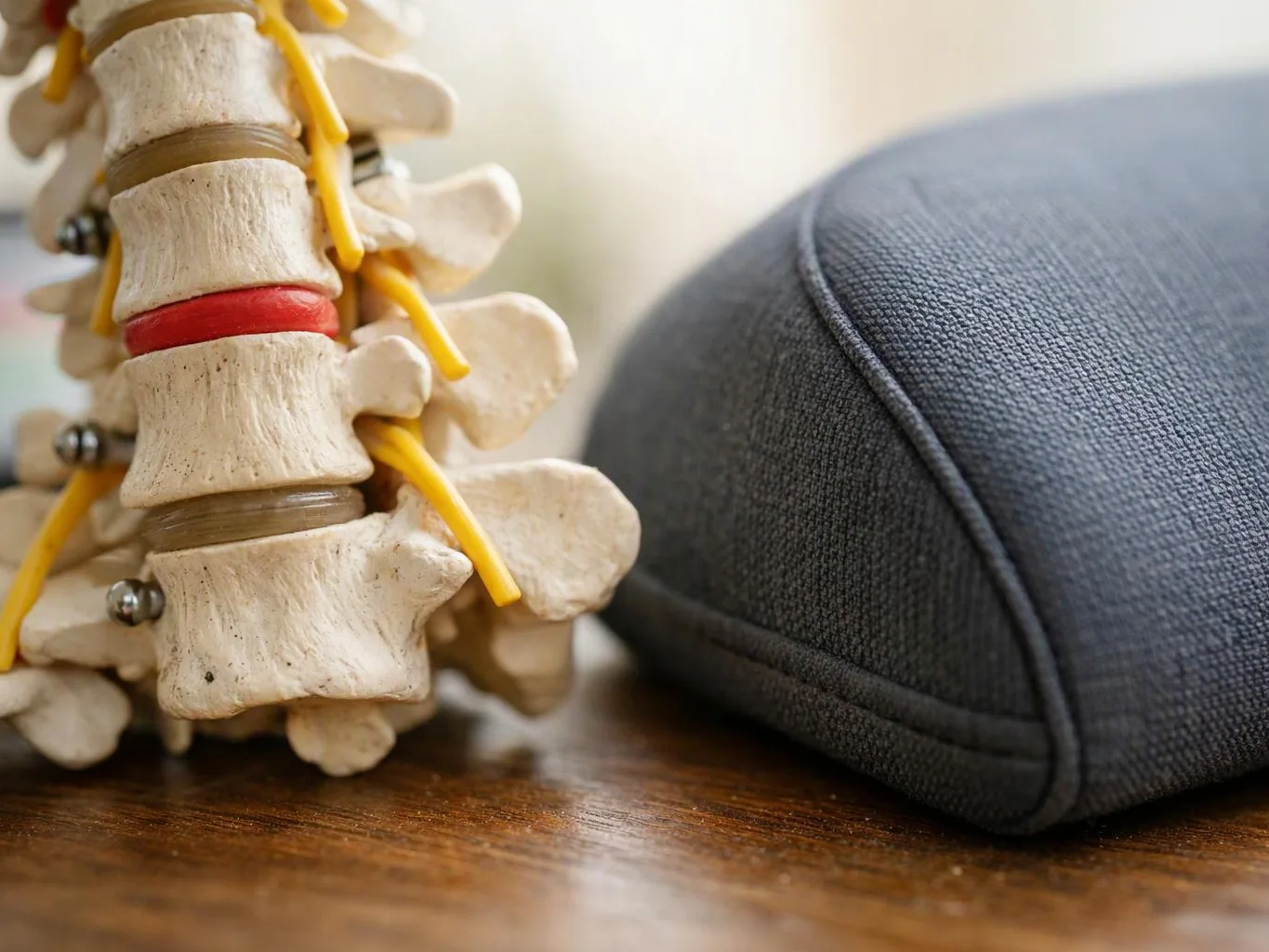
A black foam roller, massage ball, strap, and folded gray towel sit on a wooden table

Other Services in Thompson's Station

Spinal Decompression Therapy in Other Areas

The health and wellness information on this website is for general informational purposes only and is not medical advice. It does not create a provider-patient relationship. Always consult a qualified licensed provider in Brentwood, Tennessee, United States about your specific condition before making care decisions. Individual results vary.

(615) 265-0412