
Skip to content

Kinesiology Taping in Lakewood, Tennessee

Wear duration starts with a skin and safety check for each Lakewood appointment. Advanced Injury Care Clinic offers free consultations before care begins.

Upfront, Transparent PricingServing 18 CommunitiesMon-Fri: 9 am–7 pm, Sat: 9 am–2 pm, Sun: ClosedFast Scheduling

Quick Summary: kinesiology taping in Lakewood, Tennessee

Kinesiology Taping in Lakewood is provided by Advanced Injury Care Clinic for supportive care related to pain, strain, and movement concerns. We serve patients from Lakewood and surrounding communities, with free consultations available.

  • What we do: Advanced Injury Care Clinic provides Kinesiology Taping for Lakewood, Tennessee patients with soft-tissue and movement concerns.
  • What is included: Skin checks, tape placement, tension selection, symptom review, and care guidance.
  • What you get: Kinesiology Taping provides a carefully matched support option for the treated area.

Why does kinesiology tape keep coming loose after an appointment?

Tape may loosen when skin is damp, oily, irritated, or exposed to repeated rubbing. A skin check and careful preparation help guide the next application.

Kinesiology Taping in Lakewood for Wear Duration Planning

Kinesiology taping gives some patients added support between visits. The work may suit discomfort linked to muscle strain, shoulder pain, knee pain, or movement limits.

The key decision is whether the skin, symptoms, and treatment goal support taping. We check the area first, then explain placement, tension, and care instructions. The tape supports a broader plan, but it does not replace an evaluation or other treatment when those services are needed.

Wear duration depends on skin condition, tape placement, activity, and comfort. We focus on safe use and clear guidance, so you know when to remove the tape or ask about a change.

  • Discuss the symptom and movement goal before tape placement.
  • Check the skin for irritation, cuts, or sensitivity.
  • Match tape direction and tension to the treated area.
  • Review what to watch for after the appointment.
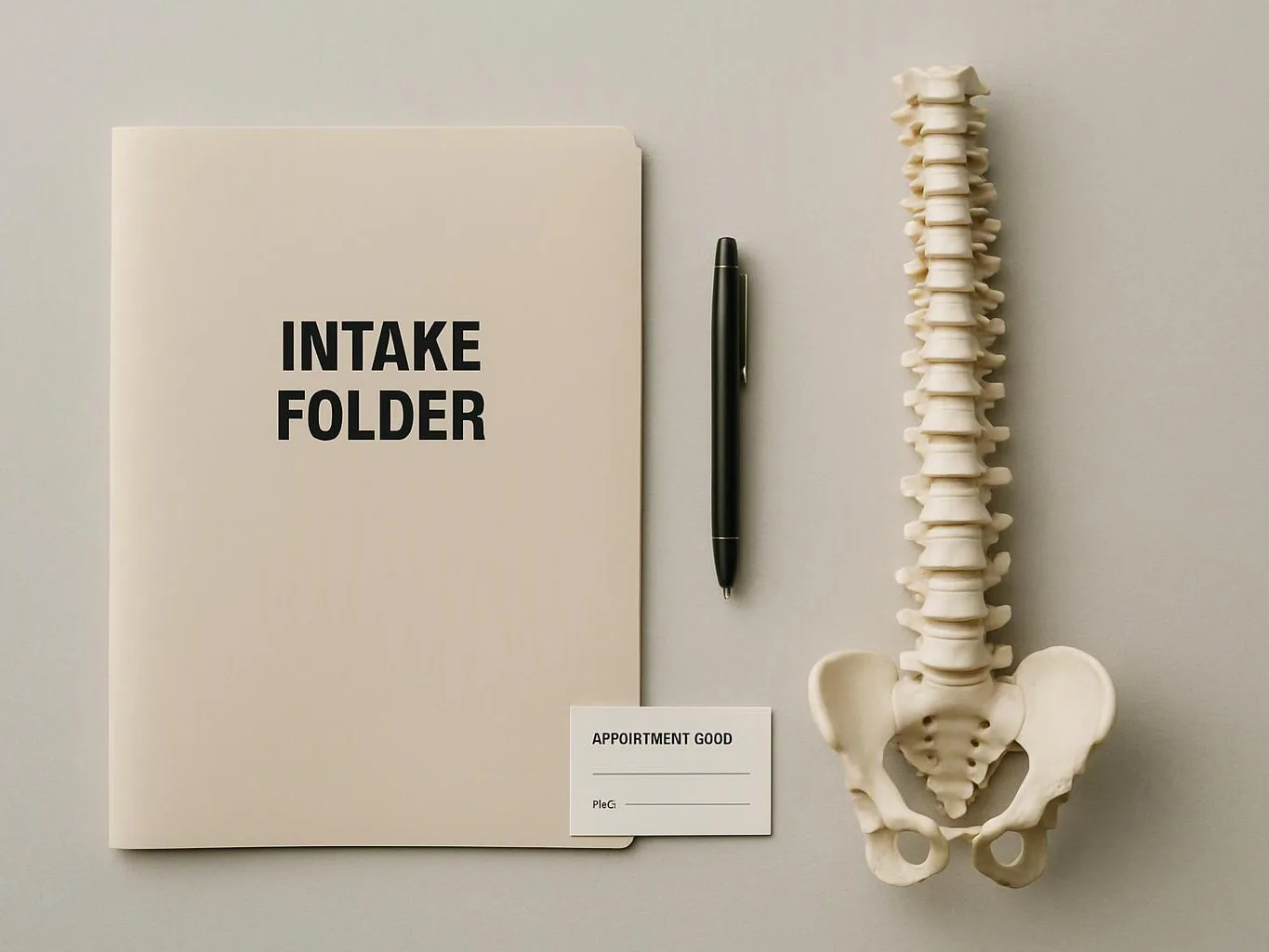
A beige intake folder, black pen, appointment card, and spine model sit neatly on a gray surface

Service Overview

Kinesiology Taping is a flexible tape application that supports movement and soft-tissue comfort.

  • It differs from spinal adjustments because it uses tape on the skin instead of hands-on joint care.
  • We provide this care for patients in Lakewood and surrounding communities.

What Your Kinesiology Taping Visit Includes

Advanced Injury Care Clinic provides comprehensive Kinesiology Taping in Lakewood. Here's what you get:

  • We review the symptom, affected area, and reason for requesting kinesiology taping.
  • We inspect the skin before applying kinesiology tape.
  • We prepare the skin so the tape can sit securely.
  • We place the tape with a selected direction and tension.
  • We explain basic care and signs that call for removal.
  • We discuss whether taping fits your wider chiropractic care plan.

A client scenario this service addresses

A Lakewood patient with shoulder discomfort may want support during daily activity before choosing a broader treatment plan. We review the skin, movement concern, and care goal, then explain whether taping is a sensible option.

What You Get From a Careful Taping Plan

Skin-first treatment choice

Skin condition guides whether taping is suitable that day. We do not apply tape over irritated, broken, or unsuitable skin.

Tension matched to the goal

Tape tension and direction relate to the area being treated and the support you need. We explain the choice in plain language.

A wider care plan

Taping may fit with corrective exercises, soft-tissue therapy, or spinal adjustments. It is the wrong service when a broader evaluation is needed first.

Process

How We Apply Kinesiology Tape

1

Review the movement concern

We discuss the symptom, affected area, activity needs, and reason you are considering tape.

2

Check and prepare the skin

We inspect the skin for irritation or other concerns, then prepare the area for application.

3

Choose tape direction

Tape direction follows the treated area and the support goal discussed during the visit.

4

Set the tape tension

We choose an appropriate tension and apply the tape with controlled contact.

5

Explain care after placement

We review comfort checks, skin changes, and when the tape should be removed or reassessed.

What Kinesiology Taping Can Change for You

Kinesiology tape may add support during daily movement.

The tape can give you a simple option between appointments.

A planned application may help you stay aware of the treated area.

Clear aftercare guidance helps you respond to skin changes early.

A consultation helps connect taping with exercises, soft-tissue therapy, or adjustments when appropriate.

Choosing Supportive Care for a Movement Concern

These options differ by how care is delivered and what the visit addresses.

Care optionWhat it involvesWhen it may fit
Kinesiology tapingFlexible tape placed on prepared skinWhen added support is part of the care goal
Soft-tissue therapyHands-on work directed at soft tissueWhen muscle or soft-tissue care needs review
Spinal adjustmentHands-on care directed at spinal jointsWhen an evaluation supports chiropractic adjustment

The Advanced Injury Care Clinic Standard

  • Individualized Care
  • Thorough Assessments
  • Clear Communication
  • Comfortable Techniques

Questions About Kinesiology Taping Visits

What should I expect during a kinesiology taping session?

Wear duration is discussed after we check your skin, symptoms, activity, and tape placement needs. The visit includes a brief review, skin preparation, tape application, and care guidance. Tape tension and direction depend on the treated area. Remove the tape if you develop strong discomfort or skin irritation, and ask our team about the next step.

How is kinesiology taping matched to my needs before work starts?

The treatment goal guides tape direction, tension, and placement. We review the affected area and the movement that causes concern. Skin condition also matters before application. Our team may connect taping with corrective exercises, soft-tissue therapy, or adjustments when those services fit the care plan.

Which skin condition changes the time needed for kinesiology taping?

Skin irritation, moisture, oil, cuts, or sensitivity can change the taping process. We inspect the area before applying tape and prepare the skin with care. If the skin is not suitable, we discuss another option or postpone tape placement until the area can be assessed safely.

What should I ask before agreeing to kinesiology taping?

Your questions should cover the treatment goal, tape placement, tension, skin care, and removal signs. Ask how taping fits your broader care plan and what symptoms need follow-up. A free consultation gives you space to discuss these points before choosing the service.

Why might kinesiology tape feel too tight after application?

Excessive tightness can signal that the tape is not comfortable for your skin or movement. Check for sharp discomfort, numbness, or irritation after placement. Remove the tape if those signs appear, then contact our team for guidance about reassessment and other care options.

Can I request taping with chiropractic treatment?

Kinesiology taping can be considered alongside chiropractic treatment when the assessment supports it. Our care plans may include spinal adjustments, corrective exercises, soft-tissue techniques, or therapeutic modalities. We choose services based on your symptoms and goals, so taping is not automatically added to every visit.
Contact

Discuss Kinesiology Taping in Lakewood

Advanced Injury Care Clinic can discuss your symptoms, skin concerns, and taping goals before treatment. Start with a free consultation, then review the next steps for your care plan.

A treatment room shows a black exam chair beside a counter with towels, bottles, and colorful tape rolls

The health and wellness information on this website is for general informational purposes only and is not medical advice. It does not create a provider-patient relationship. Always consult a qualified licensed provider in Brentwood, Tennessee, United States about your specific condition before making care decisions. Individual results vary.

(615) 265-0412