Skip to content

Kinesiology Taping in Nolensville, Tennessee

How do movement patterns affect pain and support needs in Nolensville? We use kinesiology taping as part of a chiropractic care plan after assessing your symptoms and movement.

Upfront, Transparent PricingServing 18 CommunitiesMon-Fri: 9 am–7 pm, Sat: 9 am–2 pm, Sun: ClosedFast Scheduling

Quick Summary: kinesiology taping in Nolensville, Tennessee

Kinesiology Taping in Nolensville is provided by Advanced Injury Care Clinic for patients who need support for muscle activity, joint stability, or movement comfort. We serve Nolensville, Brentwood, Williamson County, and nearby Nashville-area communities through personalized chiropractic care.

  • What we do: Advanced Injury Care Clinic provides Kinesiology Taping in Nolensville as part of chiropractic care for muscle support, joint stability, and movement comfort.
  • What is included: A movement check, skin review, elastic tape placement, and guidance that fits the patient’s care plan.
  • What you get: The treatment gives the patient a clear taping plan that supports movement and comfort during daily activity.

Why does pain keep changing when I move?

Movement patterns can change how muscles and joints share load. Kinesiology taping may give light support during movement, but an assessment helps decide whether taping fits your symptoms.

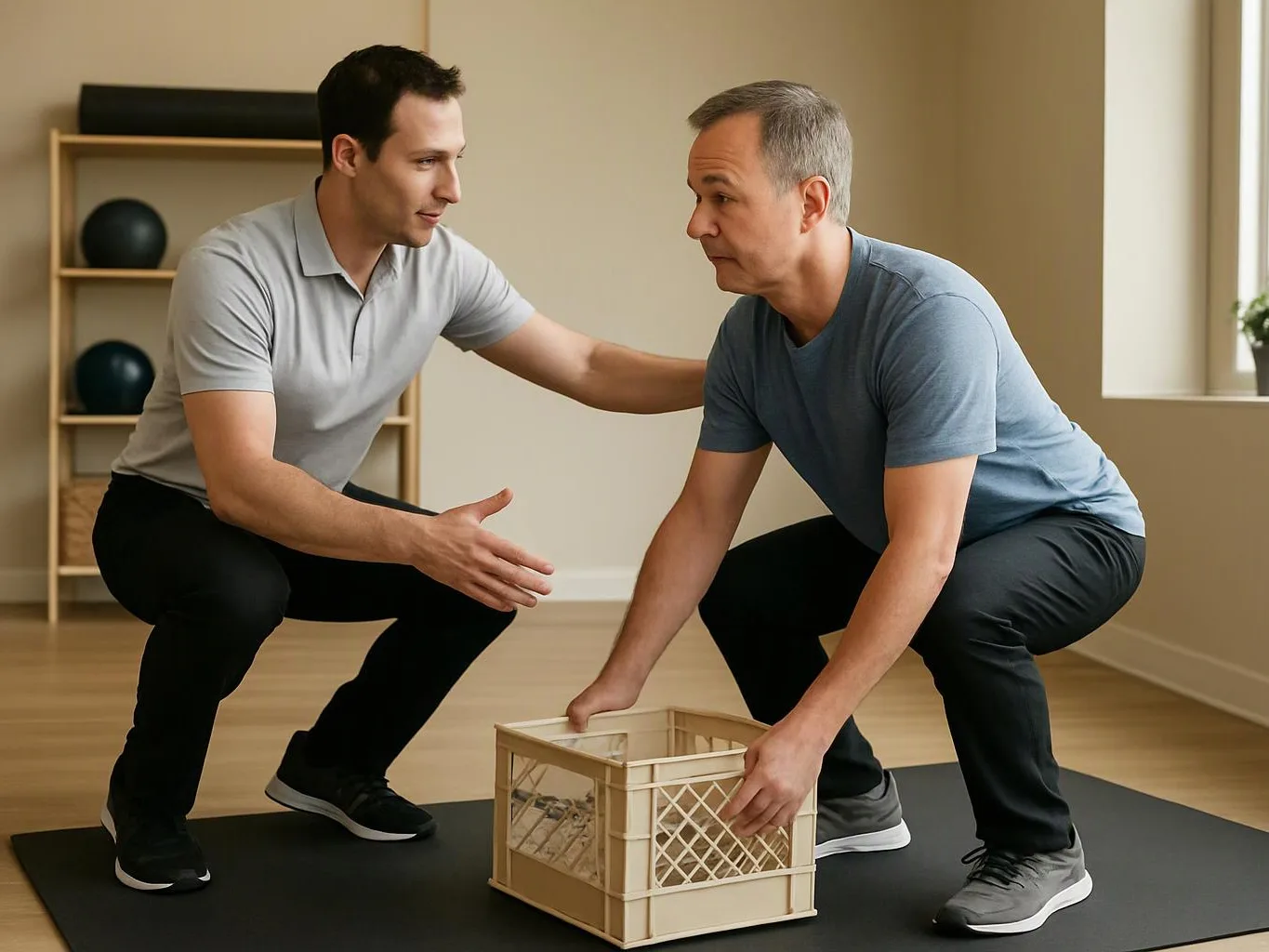
Kinesiology Taping in Nolensville, Tennessee for movement support

Kinesiology taping is useful when pain changes with motion, muscle use, or joint position. Our team looks at the area that hurts and how you move before choosing a taping approach.

Elastic tape may provide light input to the skin while you walk, work, exercise, or complete daily tasks. It does not correct every cause of pain, and it is not a substitute for care that requires a full exam or another treatment method.

The key decision is fit. Patients with back pain, neck pain, shoulder pain, knee pain, or strain may ask about taping during a broader chiropractic evaluation. We use the assessment to decide whether taping belongs in the personalized care plan.

  • Note where pain changes during walking, lifting, reaching, or other daily movement.
  • Tell us about skin sensitivity, tape reactions, and recent injuries.
  • Ask how taping fits with spinal adjustments, soft tissue therapy, or corrective exercises.
  • Follow the care guidance for wearing, removing, and checking the tape.
A minimalist treatment room shows a cushioned exam table, armchair, potted plant, and cabinet with a TV

Service Overview

Kinesiology Taping is a flexible support method that places elastic tape on the skin to assist muscle and joint movement.

  • Unlike a spinal adjustment, taping does not move a joint or replace an exam, exercise plan, or other chiropractic treatment.
  • Advanced Injury Care Clinic provides this care for patients in Nolensville and surrounding Williamson County communities.

What kinesiology taping includes for your care plan

Advanced Injury Care Clinic provides comprehensive Kinesiology Taping in Nolensville. Here's what you get:

  • We review the symptom area and the movement that brings on discomfort.
  • We check the skin before applying kinesiology tape.
  • We select a taping pattern that matches the muscle or joint support goal.
  • We apply elastic tape to support movement during the activities discussed.
  • We explain how to watch the taped area and when to remove the tape.
  • We connect taping with other suitable care, such as soft tissue therapy or corrective exercises.
Process

How we apply kinesiology tape

1

Review the movement concern

We ask which motion brings on pain or limits activity. The answer helps us focus the assessment.

2

Check the skin and support goal

The skin is checked before tape placement. We also decide whether the main goal involves muscle support, joint stability, or movement awareness.

3

Prepare the taping area

The area is prepared so elastic tape can sit on clean, suitable skin. We account for the body region and the movement being assessed.

4

Place the elastic tape

We apply the tape in a pattern that matches the selected support goal. Placement follows the area’s muscle and joint movement.

5

Explain care after placement

We explain what to watch for and how to remove the tape if the skin becomes uncomfortable. Follow-up care can address changes in movement or symptoms.

How we approach taping decisions

Start with the movement that hurts

The first decision comes from the motion that causes trouble, such as reaching, walking, or turning. Taping is the wrong job when symptoms need a different medical assessment or treatment.

Match tape to the support goal

Muscle support and joint stability call for different placement choices. We explain the goal before applying the tape, so you know what the treatment is meant to support.

Keep skin comfort in view

Skin condition matters because tape sits directly on the skin. We review sensitivity and irritation concerns before placement and give removal guidance after the visit.

What movement support can change for patients

Elastic tape may give the skin and nearby tissues light sensory input during movement.

Muscle support may help you feel more aware of a painful or weak movement.

Joint support can make certain daily motions feel more controlled.

A taping plan gives you a practical tool to discuss during follow-up care.

The approach may support comfort while you work through a broader recovery plan.

Taping and related chiropractic care

These options address different parts of movement and should be matched to the assessment.

Care optionMain focusWhat it involves
Kinesiology tapingSkin-based movement supportElastic tape placed for a stated muscle or joint goal
Soft tissue therapyMuscle and soft-tissue comfortHands-on work directed at suitable soft tissues
Corrective exercisesStrength and movement practiceGuided exercises that support changes in movement

The Advanced Injury Care Clinic Standard

  • Individualized Care
  • Thorough Assessments
  • Clear Communication
  • Comfortable Techniques

Questions patients ask about kinesiology taping

How does kinesiology taping help with pain and movement?

Movement patterns show how pain changes with muscle use and joint position. Advanced Injury Care Clinic uses that review to place elastic tape for light muscle or joint support. The tape may improve movement awareness and comfort, but individual response differs. Taping works best when its goal fits the findings from the wider chiropractic assessment.

What should be checked before elastic tape is placed?

Skin condition and the painful movement should be checked before tape placement. The assessment includes:

  • The motion that brings on discomfort.
  • The muscle or joint involved.
  • Skin sensitivity or past tape reactions.
  • The support goal for daily activity.

These details help our team choose whether taping fits the care plan.

Which part of the body decides the scope of taping?

The body area and the movement goal decide the scope of taping. Shoulder, knee, neck, and back concerns can involve different muscles, joints, and movement limits. Our team checks the area in context, then explains what taping can address and when another treatment should guide care.

Why might tape support muscle control but not fix the cause of pain?

Tape supports movement cues, but it does not diagnose or correct every cause of pain. A strained muscle, irritated joint, or ongoing spinal issue may need a broader assessment. We use taping as one part of care when the findings support it, and we discuss other suitable options when they fit the problem better.

When should someone ask about taping after an injury?

A patient should ask about taping when pain changes with movement and the skin is suitable for tape. Severe or changing symptoms need a full clinical assessment before taping. Our team reviews the injury history, movement limits, and activity goals so the service has a clear place in the recovery plan.

How does taping differ from a chiropractic adjustment?

Kinesiology taping supports movement through elastic tape on the skin, while an adjustment uses a hands-on technique to address joint motion. They serve different treatment purposes. We decide whether one approach, both approaches, or another method fits the patient’s findings and goals.

Which material changes how long taping takes?

The tape pattern and body area affect the work involved, not a single material choice. Larger or more complex areas may need more preparation and careful placement. We review the support goal first, then explain the taping approach during the consultation without promising a fixed timeframe.
Contact

Ask about kinesiology taping in Nolensville

Is pain changing the way you move? Contact Advanced Injury Care Clinic to discuss kinesiology taping, your symptoms, and the next assessment. Free Consultations are available.

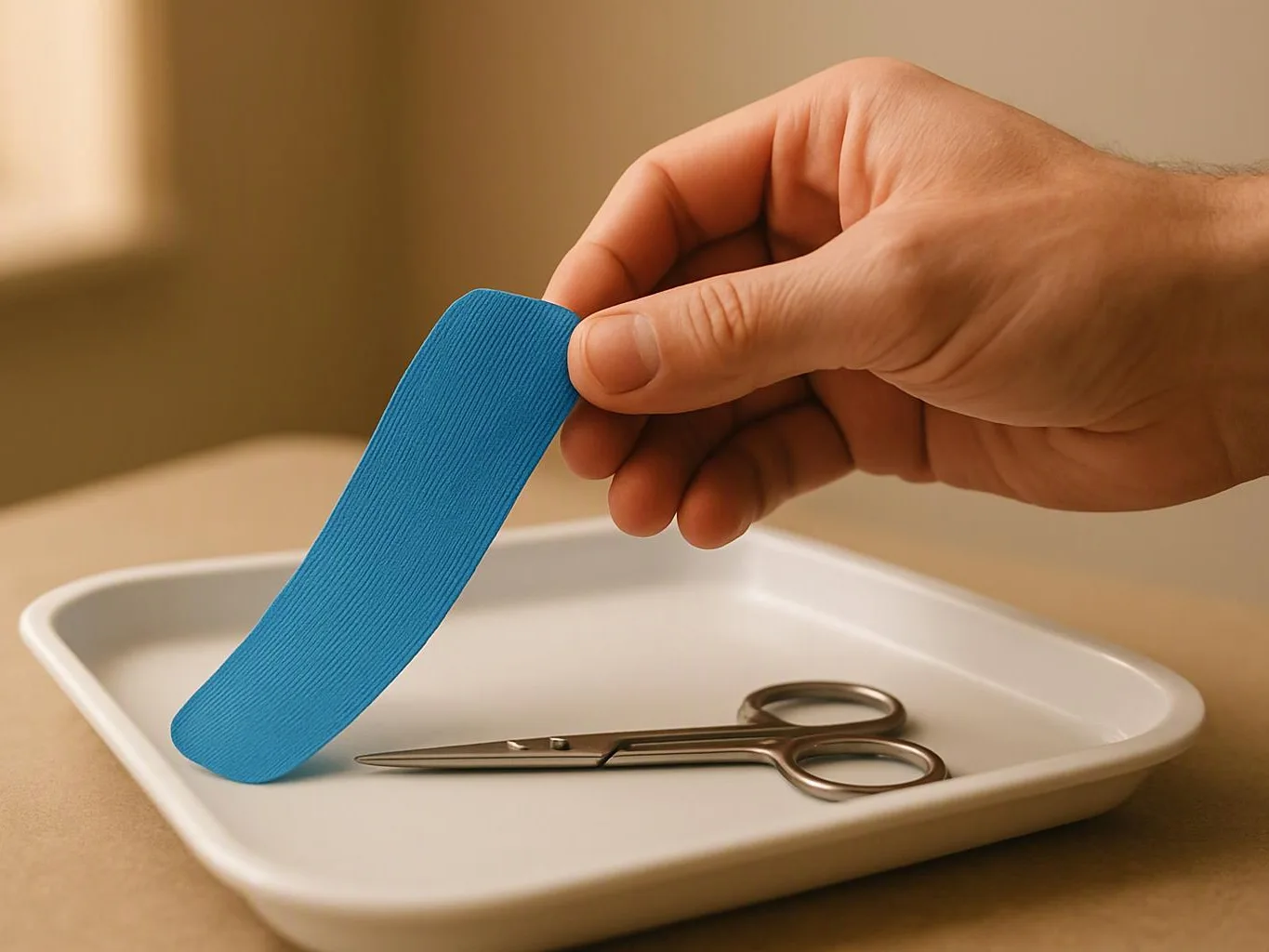
A hand holds a blue adhesive strip above a tray with small scissors on a table

ZIP Codes We Serve in Nolensville, Tennessee

37135

The health and wellness information on this website is for general informational purposes only and is not medical advice. It does not create a provider-patient relationship. Always consult a qualified licensed provider in Brentwood, Tennessee, United States about your specific condition before making care decisions. Individual results vary.

(615) 265-0412