Skip to content

Postural Correction in Lakewood, Tennessee

Gait analysis follows a safety-focused assessment process for patients in Lakewood. We pair movement checks with posture screening and a careful review of alignment.

Upfront, Transparent PricingServing 18 CommunitiesMon-Fri: 9 am–7 pm, Sat: 9 am–2 pm, Sun: ClosedFast Scheduling

Quick Summary: Postural Correction in Lakewood, Tennessee

Postural correction in Lakewood is provided by Advanced Injury Care Clinic for posture, movement, shoulder alignment, and pelvic alignment concerns. Our team serves patients in Brentwood, Williamson County, and nearby Nashville-area communities with evaluations, spinal adjustments, corrective exercises, and soft-tissue techniques.

  • What we do: Advanced Injury Care Clinic provides postural correction for Lakewood, Tennessee patients through posture screening, movement testing, spinal adjustments, and corrective exercises.
  • What is included: Key capabilities include health history review, physical assessment, alignment checks, soft-tissue therapy, therapeutic modalities, and personalized treatment planning.
  • What you get: Postural correction helps identify movement patterns and supports a care plan for improved comfort and mobility.

What assessments are used for postural correction in Lakewood, Tennessee?

Gait analysis, posture screening, movement testing, shoulder alignment checks, and pelvic alignment checks assess postural concerns. The findings help Advanced Injury Care Clinic shape care around your symptoms, health history, and daily activities.

Postural Correction in Lakewood for Movement and Alignment

Postural correction focuses on how your body holds and moves during daily tasks. The assessment may review standing posture, walking patterns, joint motion, muscle tension, and symptoms such as neck pain, back pain, headaches, or shoulder pain.

Patients in Lakewood may seek this service after an automobile accident, sports injury, workplace incident, or ongoing strain. Our team uses the assessment findings to decide whether chiropractic adjustments, corrective exercises, soft-tissue therapy, or therapeutic modalities fit your needs.

This page serves a focused buyer purpose. It helps you understand which assessments guide a postural care plan and what to ask before booking. Postural correction isn't a promise of a fixed outcome, and individual response differs. A medical concern outside chiropractic care may need another form of evaluation.

  • Ask which movement or alignment findings relate to your symptoms.
  • Share past injuries, current pain, and daily activities during the health history review.
  • Request an explanation of how adjustments, exercises, or soft-tissue work fit the plan.
  • Discuss progress re-examination when your care plan needs review.
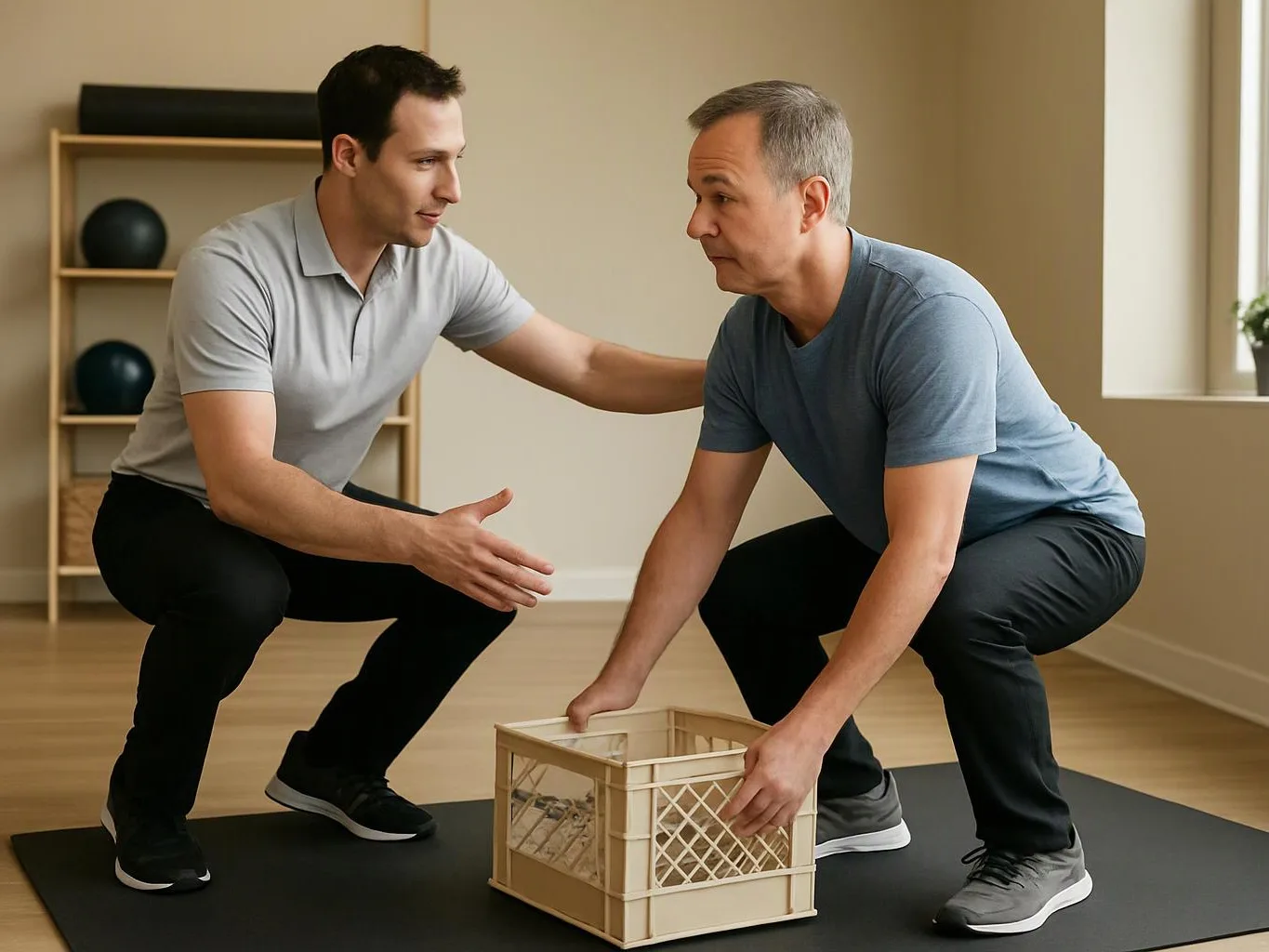
A man with a clipboard speaks to a woman standing beside a wall mirror in a bright room

Service Overview

Postural correction is a chiropractic service that assesses alignment and movement patterns to guide care.

  • It differs from general stretching because our team first checks posture, joint motion, and symptoms before choosing adjustments or exercises.
  • Advanced Injury Care Clinic provides this care for patients in Lakewood and surrounding communities.

What Better Alignment May Change for You

A focused assessment can connect daily movement habits with neck pain, back pain, or shoulder tension.

Clear findings help you understand why certain adjustments or exercises appear in your plan.

Corrective exercises may support movement control between visits.

Soft-tissue therapy may help address muscle tightness that affects comfortable movement.

Progress re-examination gives our team a point to review changes and adjust the plan.

Process

How We Complete a Postural Correction Assessment

1

Review your health history

We discuss your symptoms, past injuries, daily activities, and treatment concerns during the new patient intake.

2

Check posture and movement

Posture screening and movement testing help us review standing alignment, joint motion, shoulder position, pelvic position, and related discomfort.

3

Assess walking mechanics

Gait analysis reviews walking patterns when your symptoms or movement concerns make that check useful.

4

Explain the findings

We discuss what the assessment shows and answer questions about the connection between movement, symptoms, and alignment.

5

Build the care plan

The plan may include spinal adjustments, corrective exercises, soft-tissue techniques, or therapeutic modalities based on your needs.

6

Review progress

A progress re-examination helps our team review your response and decide whether the care plan needs an adjustment.

What You Get From This Alignment-Focused Care

Assessment before treatment

The first visit starts with your health history and exam, so the plan relates to your symptoms and movement needs. Postural correction is the wrong service for a condition that needs urgent medical care or a different specialist.

Care matched to your findings

Shoulder alignment, pelvic alignment, joint motion, and muscle tension can point toward different care choices. Our team explains why a technique or exercise belongs in your plan.

Guidance you can follow

We give practical direction about movement, exercises, and follow-up care. The goal is to support your recovery while helping you understand each decision.

Experienced chiropractic care team

Our experienced chiropractic care team provides patient-centered treatment plans and personalized care for every patient.

When this service is the right fit

A typical situation involves a patient who notices neck or back discomfort after work, exercise, an accident, or repeated daily strain. Our team checks posture, movement, and alignment before choosing care, and the patient receives a clear assessment and next-step discussion.

What Postural Correction Includes for Your Visit

Advanced Injury Care Clinic provides comprehensive Postural Correction in Lakewood. Here's what you get:

  • A new patient intake records your health history, symptoms, injuries, and daily movement concerns.
  • A posture screening reviews how your head, shoulders, spine, and pelvis align during standing.
  • Movement testing checks joint motion and how your body responds to basic movements.
  • Gait analysis reviews walking mechanics when movement patterns may relate to discomfort or imbalance.
  • The care plan may include spinal adjustments, corrective exercises, soft-tissue techniques, or therapeutic modalities.
  • Practical guidance supports safer movement and helps you understand the next step in care.

How Posture Assessments Differ

Each assessment looks at a different part of how your body stands or moves.

AssessmentWhat it checksWhy it may matter
Posture screeningStanding alignmentShows how the head, shoulders, spine, and pelvis position
Movement testingJoint motion and symptom responseShows which movements may relate to stiffness or discomfort
Gait analysisWalking mechanicsShows how walking patterns may relate to strain or imbalance
Alignment checksShoulder and pelvic positionAdds detail when uneven movement or related pain is a concern

The Advanced Injury Care Clinic Standard

  • Individualized Care
  • Thorough Assessments
  • Clear Communication
  • Comfortable Techniques

Questions About Posture Assessments and Care

What assessments are used for postural correction?

Gait analysis, posture screening, movement testing, shoulder alignment checks, and pelvic alignment checks assess postural concerns. Advanced Injury Care Clinic compares those findings with your health history and symptoms. The assessment may also include joint motion and muscle tension checks. Results help guide a personalized treatment plan.

How does a postural correction visit move from the first call to the last step?

The visit moves from health history and examination to findings, treatment planning, and progress review.

  1. We record symptoms and relevant injury details.
  2. We check posture, movement, and alignment.
  3. We explain suitable care options.
  4. We review progress and adjust the plan when needed.

Which part of the body decides the scope of postural correction?

The affected movement pattern helps decide the scope of postural correction. Shoulder position, pelvic alignment, spinal motion, walking mechanics, and symptom location can all guide the assessment. Our team links the findings to your daily activities before selecting adjustments, exercises, or soft-tissue care.

Which material changes how long postural correction takes?

No single material determines the care timeline because postural correction addresses movement and alignment, not a building material. Symptoms, injury history, examination findings, and response to care shape the plan. Our team discusses those factors during assessment and reviews progress as care continues.

Do I need an X-ray before a posture assessment?

An X-ray isn't required for every posture assessment. Our team reviews your history and performs an exam first, then considers imaging if clinically indicated. Share prior imaging and injury details during intake so the assessment can account for relevant information.

Should I choose chiropractic care or physical therapy for posture concerns?

The better choice depends on your symptoms, examination findings, and care needs. Chiropractic care may include spinal adjustments, soft-tissue therapy, and corrective exercises. Our team explains whether those methods fit your concern, and another type of care may be more suitable when the assessment shows a different need.

What should I bring to my first postural care appointment?

Bring a list of symptoms, past injuries, current treatments, and any available imaging or health records. Include details about work, exercise, walking, and movements that increase discomfort. Those details help our team connect your daily pattern with the posture and movement assessment.
Contact

Discuss Postural Correction in Lakewood

Get a focused review of posture, movement, and alignment, then discuss the care options that fit your needs. Advanced Injury Care Clinic offers Free Consultations for patients seeking postural correction in Lakewood.

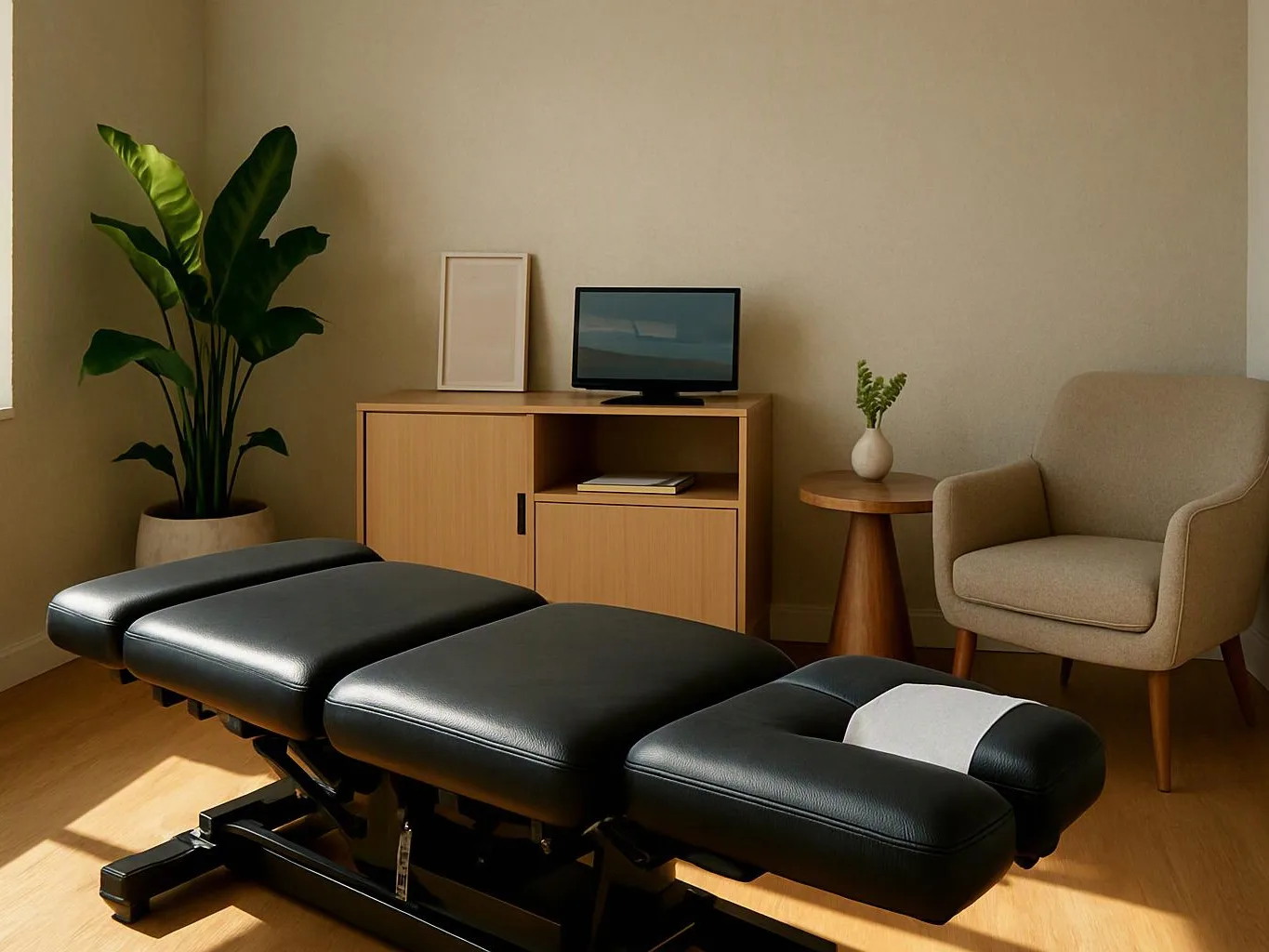
A black padded adjustment table sits in a bright room with a chair, plant, cabinet, and small TV aside

The health and wellness information on this website is for general informational purposes only and is not medical advice. It does not create a provider-patient relationship. Always consult a qualified licensed provider in Brentwood, Tennessee, United States about your specific condition before making care decisions. Individual results vary.

(615) 265-0412