What problems can interfere with postural correction?
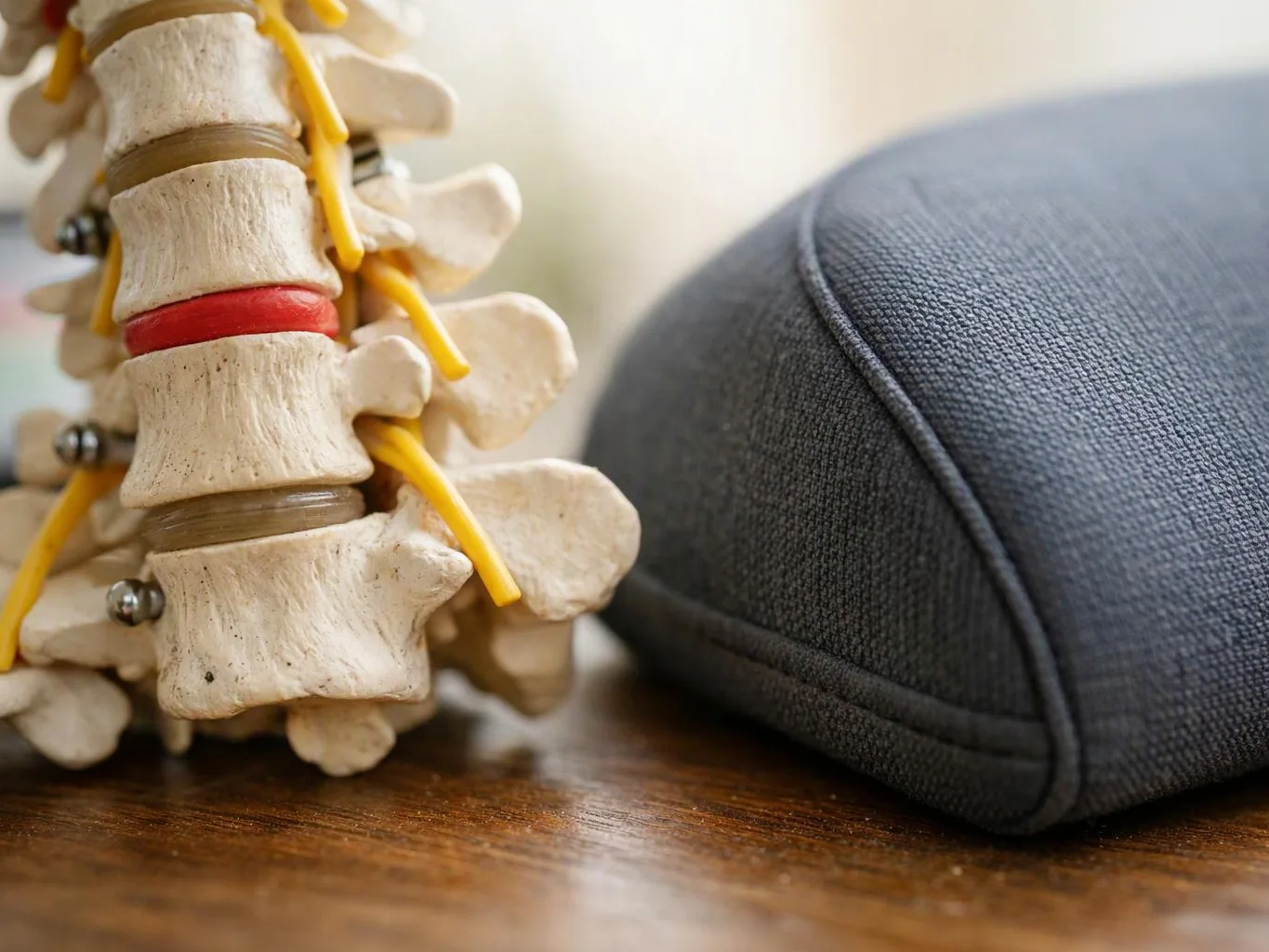
Joint stiffness can interfere with postural correction by limiting normal movement and shifting strain to nearby muscles. Muscle weakness, poor ergonomics, habitual slouching, and uneven loading can also affect the plan. Our team checks these factors during the health history and exam. Care then targets the findings that matter most for your movement.
How does a postural correction visit move from the first call to the last step?
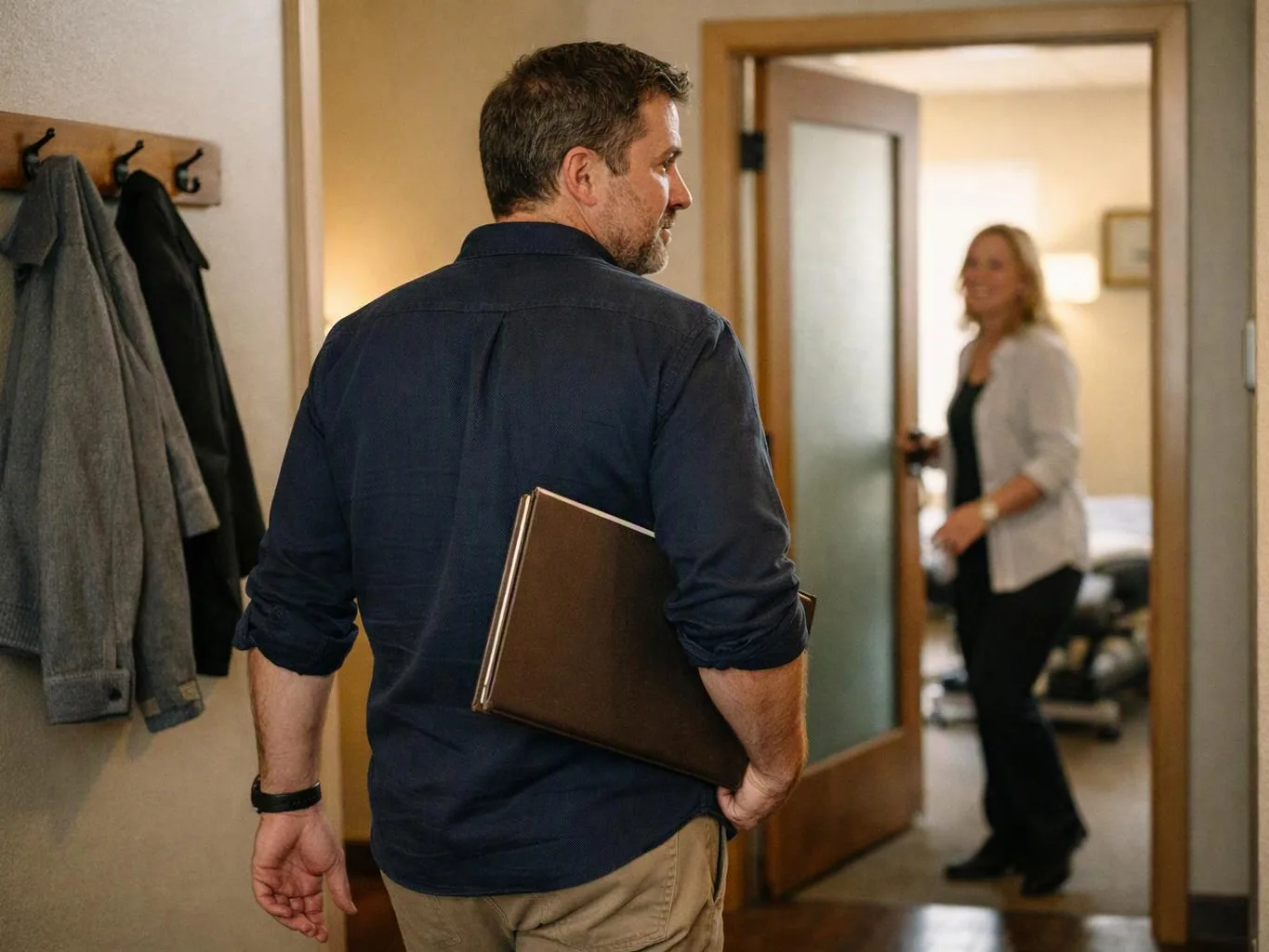
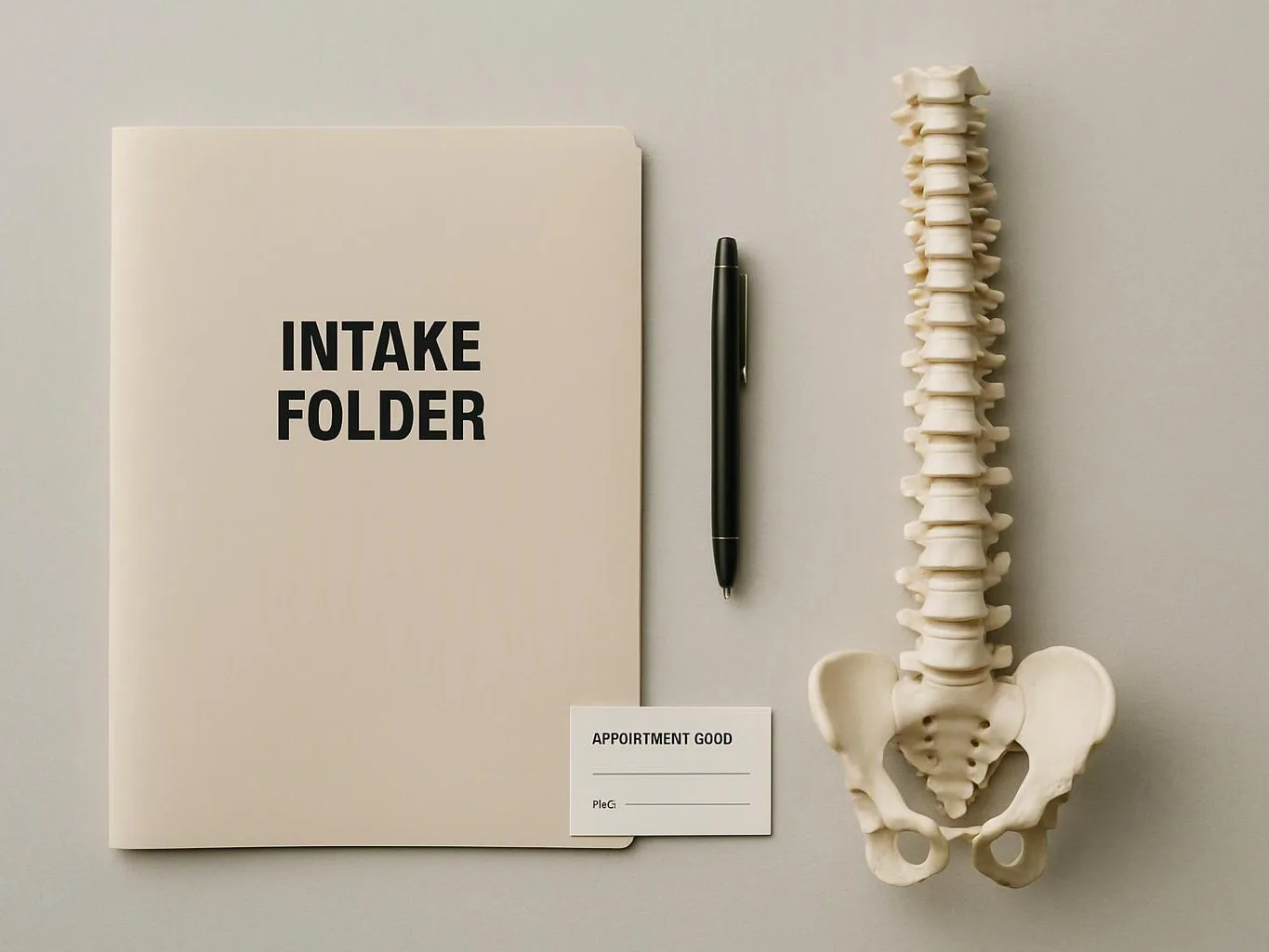
The visit moves from consultation and intake to examination, treatment planning, care, and progress review. The intake covers your health history and symptoms. The exam checks posture, joint motion, and muscle balance. We then explain options, provide suitable care, and discuss exercises or daily guidance for follow-up.
Which material changes how long postural correction takes?
Corrective exercise needs can change the time and depth of postural correction care. The plan also considers joint motion, muscle balance, symptoms, and daily habits. We don't assign a fixed duration without an exam. A consultation helps us explain what your findings require and which steps belong in your plan.
How can a customer tell whether postural correction fits the property?
Postural correction fits a person when posture-related movement limits, stiffness, or strain affect daily activities. A property does not determine suitability. Our team reviews the patient’s health history, work habits, symptoms, and movement during an exam. Patients with concerns outside this service receive guidance about the next appropriate step.
What is included in a first chiropractic visit?
A first chiropractic visit includes a new patient intake, health history, and physical exam. The exam reviews posture, range of motion, joint motion, and muscle balance. X-rays are considered only when clinically indicated. We explain the findings and discuss a personalized treatment plan before using adjustments or other care.
Do I need a referral or X-ray before seeking posture care?
A referral or X-ray is not stated as a general requirement for scheduling a consultation. Our team begins with your health history and exam, then decides whether imaging is clinically indicated. Bring relevant medical information and details about prior injuries if available. The consultation helps determine the safest next step.
Which care helps separate posture strain from an injury?
A health history and physical exam help separate posture-related strain from an injury. The exam checks symptom patterns, joint motion, muscle balance, and movement limits. Accident injuries, whiplash, and ongoing strain may need different planning. We use the findings to decide whether adjustments, exercises, soft-tissue work, or another step fits.