Skip to content

Postural Correction in Mount Juliet, Tennessee

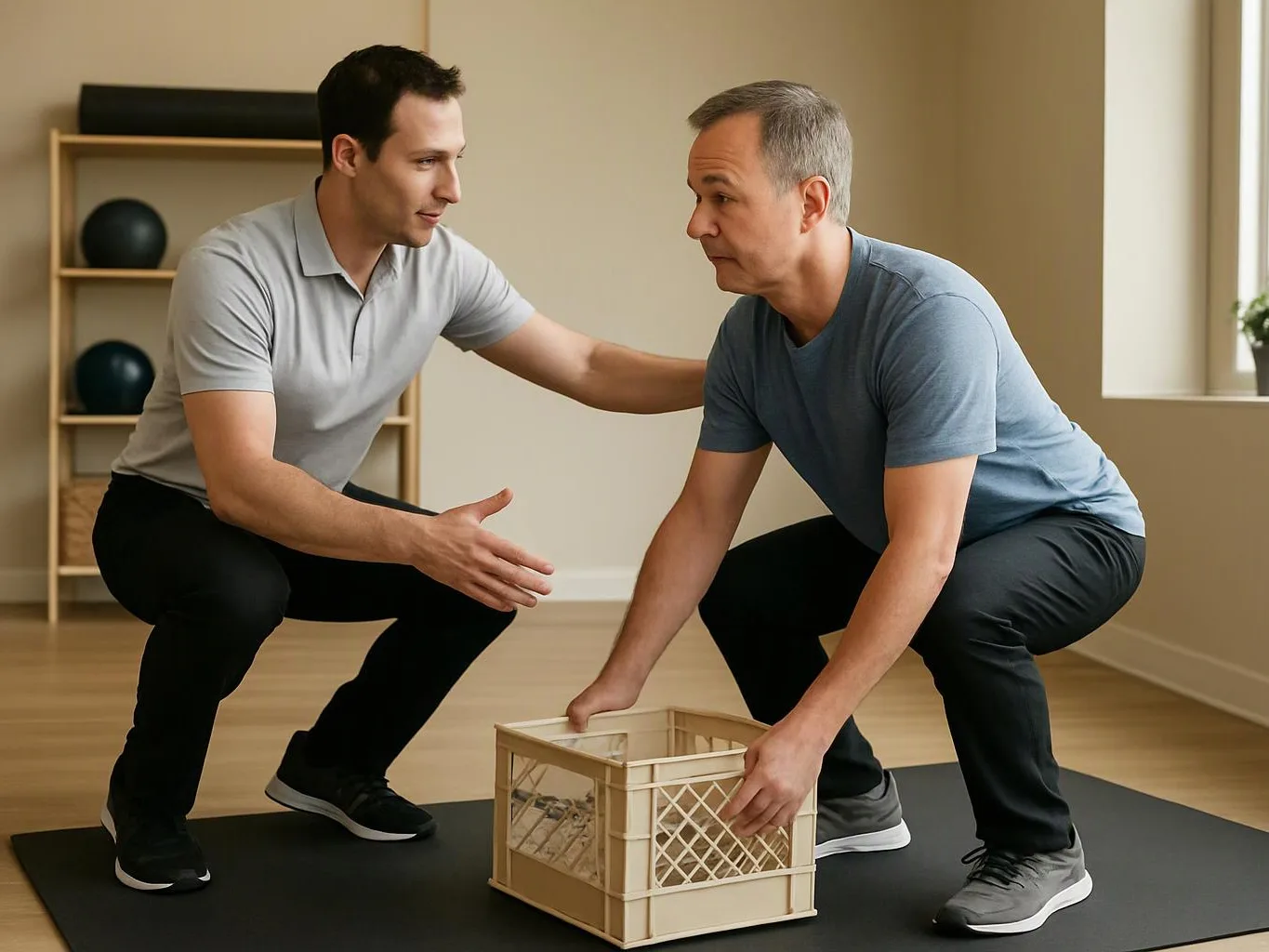
Shoulder stretches are checked during postural care in Mount Juliet. Free Consultations help us match exercises to your movement and comfort goals.

Upfront, Transparent PricingServing 18 CommunitiesMon-Fri: 9 am–7 pm, Sat: 9 am–2 pm, Sun: ClosedFast Scheduling

Quick Summary: postural care in Mount Juliet, Tennessee

Postural Correction in Mount Juliet is provided by Advanced Injury Care Clinic for patients who need help with posture, movement, neck pain, back pain, or related strain. The service uses evaluations, corrective exercises, spinal adjustments, soft-tissue techniques, and practical guidance for patients in Brentwood, Wilson County, and nearby Nashville-area communities.

  • What we do: Advanced Injury Care Clinic provides postural correction for patients in Mount Juliet, Tennessee through evaluations, corrective exercises, spinal adjustments, and soft-tissue care.
  • What is included: We assess movement, plan corrective exercises, address related musculoskeletal symptoms, and guide home self-care.
  • What you get: The customer receives a personalized treatment plan for improved comfort, mobility, and daily movement.

Why do my shoulders keep rounding forward even when I stretch?

Rounded shoulders may relate to limited mobility, weak supporting muscles, work habits, or other movement patterns. A chiropractic evaluation checks these factors before exercises are selected. Postural care works best when the plan matches your body, symptoms, and daily activities.
Client Support and Delivery in Mount Juliet

Postural correction focuses on how your spine, shoulders, hips, and supporting muscles work together. It fits patients who notice rounded shoulders, uneven movement, recurring neck pain, back pain, headaches, or strain during daily tasks.

The goal isn't to force your body into one fixed position. Our team checks your health history, movement, symptoms, and activity needs before choosing care. We may use spinal adjustments, corrective exercises, soft-tissue therapy, or therapeutic modalities when they fit your plan.

This page serves a focused buyer need: choosing exercises that support better posture. Shoulder stretches may help, but they aren't the full answer for every patient. Core strength, hip mobility, balance, and spinal movement can also shape how you sit, stand, walk, and work.

  • Share when your posture feels most difficult, such as during work, driving, exercise, or rest.
  • Bring details about neck pain, back pain, headaches, whiplash, or other symptoms.
  • Ask how corrective exercises fit with spinal adjustments and soft-tissue therapy.
  • Discuss safe home movements and when progress should be reviewed.
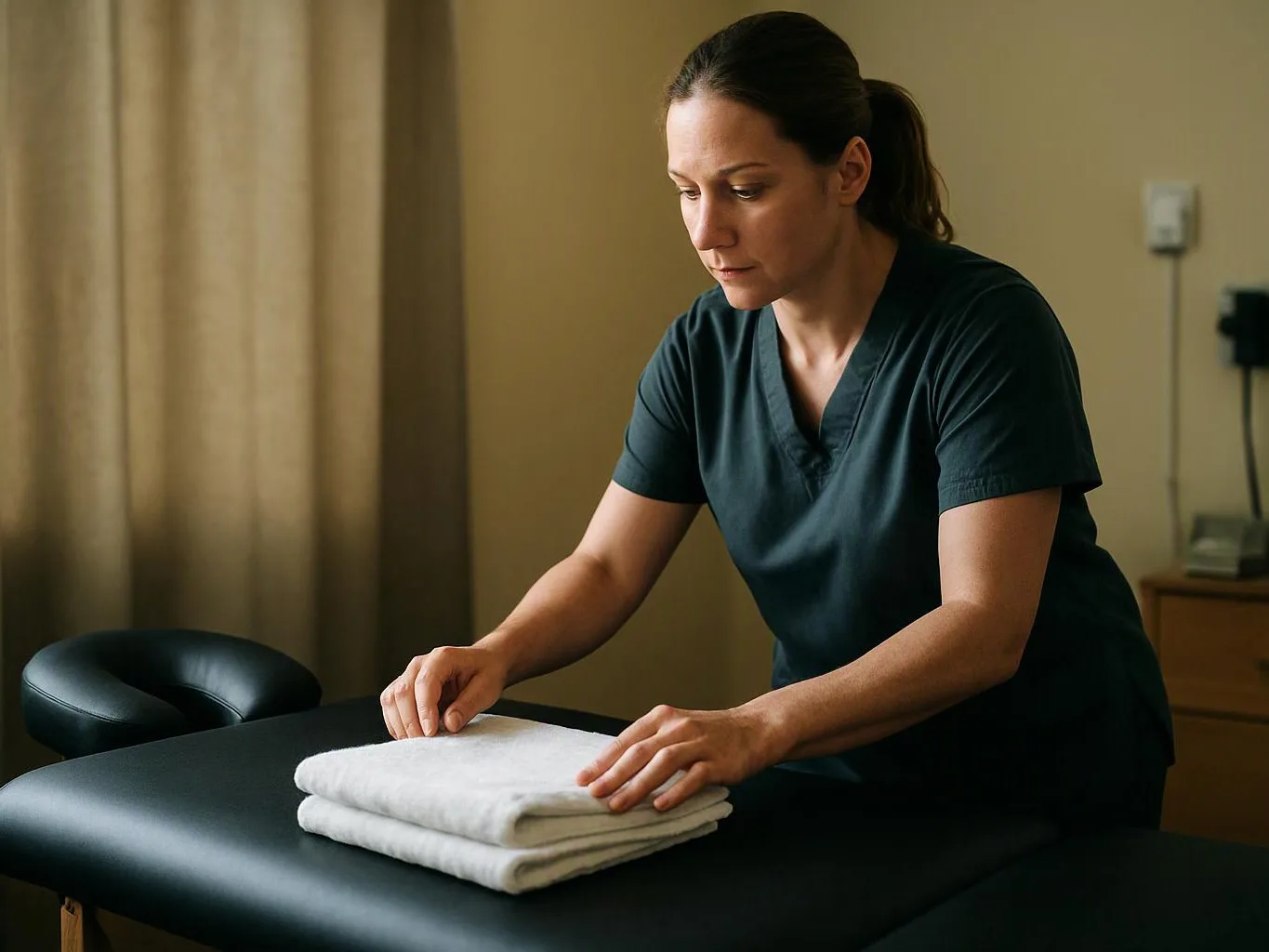
A woman in dark scrubs folds white towels on a black treatment table in a quiet room

Service Overview

Postural correction is a chiropractic service that addresses movement habits, joint position, muscle balance, and related discomfort.

  • Corrective care differs from general stretching because it combines an exam with a plan for the factors affecting your movement.
  • Advanced Injury Care Clinic provides this care in Mount Juliet for patients from Brentwood, Wilson County, and nearby Nashville-area communities.

What postural care includes for your movement goals

Advanced Injury Care Clinic provides comprehensive Postural Correction in Mount Juliet. Here's what you get:

  • We review your health history and examine movement patterns linked to posture.
  • We discuss symptoms such as neck pain, back pain, headaches, and muscle strain.
  • We select corrective exercises that may include core strengthening, back extensions, hip mobility, or balance training.
  • We may provide spinal adjustments, soft-tissue techniques, or therapeutic modalities when they fit your needs.
  • We explain practical self-care steps that support your treatment plan.
  • We review your progress and adjust care when your movement or symptoms change.

What you get from a focused postural plan

A movement-based starting point

The first visit connects your symptoms with movement findings, health history, and daily demands. Postural care is the wrong fit when a symptom needs urgent medical evaluation or a different type of treatment.

Exercises matched to your needs

A corrective exercise plan may use shoulder mobility, core work, back extensions, hip mobility, or balance training. We choose movements based on your exam rather than handing every patient the same routine.

Care that addresses more than posture

Posture can relate to spinal motion, soft tissue, joint function, and daily habits. Our team considers those links while explaining each treatment option in plain language.

Process

How your postural care visit moves forward

1

Share your symptoms and goals

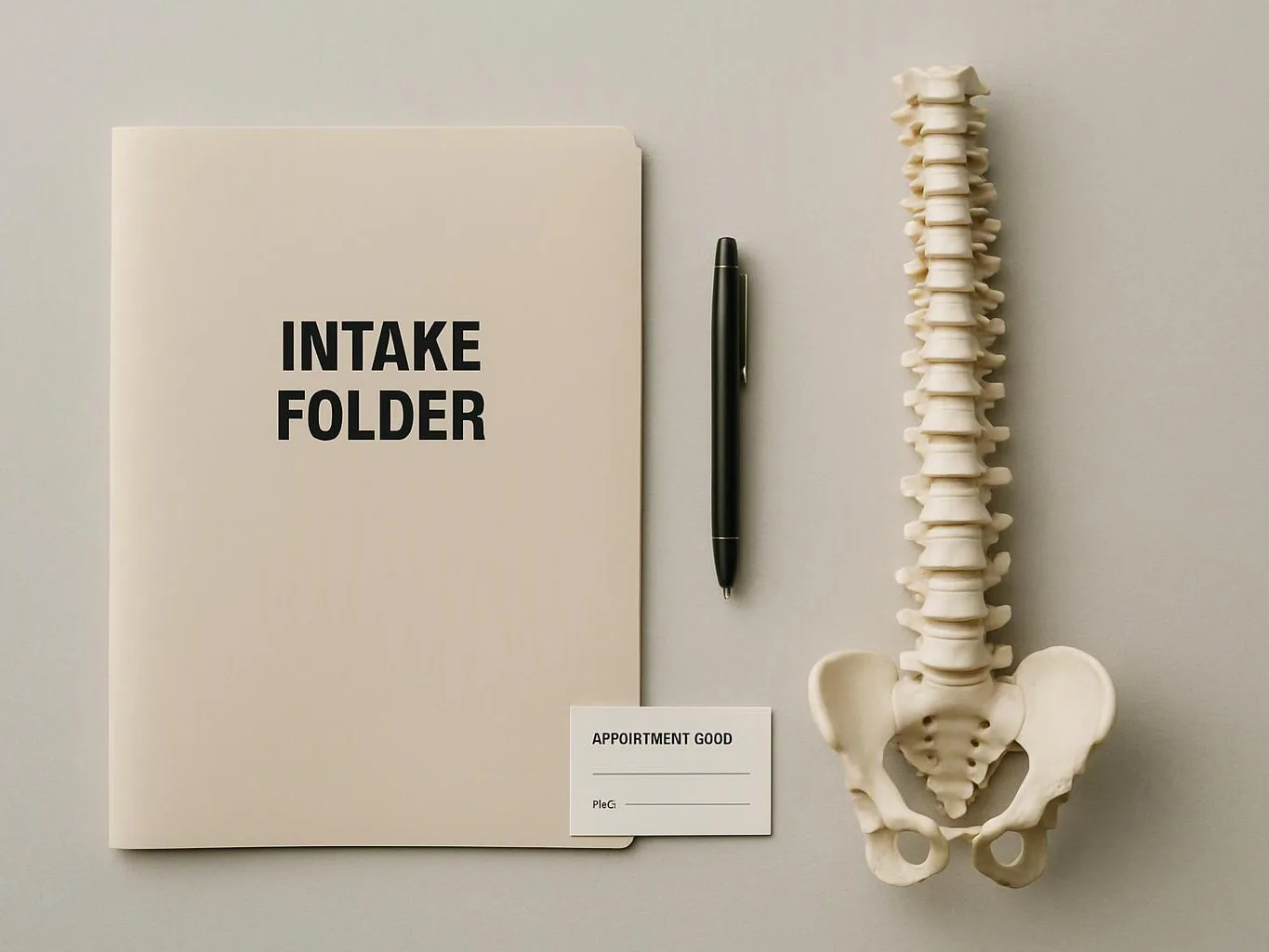
We begin with a new patient intake and health history. Tell us about pain, headaches, injury history, work demands, exercise, and the movements that feel difficult.

2

Review posture and movement

The examination looks at spinal motion, shoulder position, hip mobility, balance, and muscle control. X-rays may be considered if clinically indicated.

3

Build your treatment plan

We explain the findings and recommend care that may include spinal adjustments, soft-tissue techniques, therapeutic modalities, and corrective exercises.

4

Practice the selected movements

Your plan may include core strengthening, back extensions, hip mobility, or balance training. We explain how each movement supports your goals.

5

Review progress and next steps

Follow-up care checks changes in comfort, mobility, and movement control. We adjust the plan when your needs change and discuss regular maintenance when appropriate.

What better movement can change for you

A focused plan may improve comfort when posture adds strain to the neck, back, or shoulders.

Corrective exercises give you specific movements to practice between appointments.

Hip mobility and core strengthening may support steadier movement during daily activities.

Balance training can help address control concerns that affect standing and walking.

Regular maintenance may help you keep useful movement habits after active care.

How postural exercises serve different movement needs

This comparison shows what each exercise group targets during a personalized plan.

Exercise groupMain movement focusWhen it may fit
Core strengtheningTrunk control and supportWhen the plan needs better control during daily movement
Back extensionsSpinal movement and back muscle controlWhen the examination supports extension-based movement
Hip mobilityHip range and lower-body movementWhen limited hip motion affects standing, walking, or posture
Balance trainingSteady control while standing or movingWhen balance or coordination affects daily tasks

The Advanced Injury Care Clinic Standard

  • Individualized Care
  • Thorough Assessments
  • Clear Communication
  • Comfortable Techniques

Questions about postural care and corrective exercises

What exercises support postural correction?

Shoulder stretches support posture when limited shoulder mobility contributes to rounded positioning. Core strengthening, back extensions, hip mobility, and balance training may also fit the plan. The health history and exam guide exercise choice. We explain safe form and how the movements relate to your daily activities.

How does a postural care visit move from the first call to the last step?

The visit moves from intake and examination to findings, treatment planning, exercise guidance, and progress review. Health history comes first, followed by movement checks and discussion of symptoms. X-rays may be considered if clinically indicated. Follow-up helps us decide whether the plan needs adjustment.

Which part of the body decides the scope of postural correction?

The spine, shoulders, hips, and supporting muscles all help determine the scope of care. Movement limits in one area can affect another area during standing, walking, or reaching. Our team checks these links during the exam. The findings guide treatment and exercise selection.

Which material changes how long postural correction takes?

No single material sets the treatment time because postural care is based on your body and response to treatment. Health history, symptoms, movement limits, injury factors, and exercise needs shape the plan. We discuss the expected care path after the assessment instead of assigning a fixed duration beforehand.

Why do posture exercises sometimes increase discomfort?

Posture exercises may increase discomfort when the movement exceeds your current mobility, control, or tolerance. Tell us which exercise causes the issue and when it appears. We can review form, range, and treatment fit. New or severe symptoms need prompt medical attention.

When should someone request a postural care assessment?

A postural care assessment makes sense when recurring strain affects sitting, standing, walking, work, or exercise. Neck pain, back pain, headaches, rounded shoulders, and uneven movement are useful concerns to discuss. The assessment also helps decide whether chiropractic care fits your needs.

Can I start corrective exercises after an accident?

Corrective exercises after an accident should follow an assessment of the injury and current symptoms. Whiplash, back pain, joint irritation, and headaches can change which movements are suitable. Share the accident details and any medical care you received. Our team then explains appropriate treatment options.
Contact

Discuss postural correction in Mount Juliet

Are posture changes affecting your comfort or movement? Contact Advanced Injury Care Clinic to discuss your concerns and arrange a consultation.

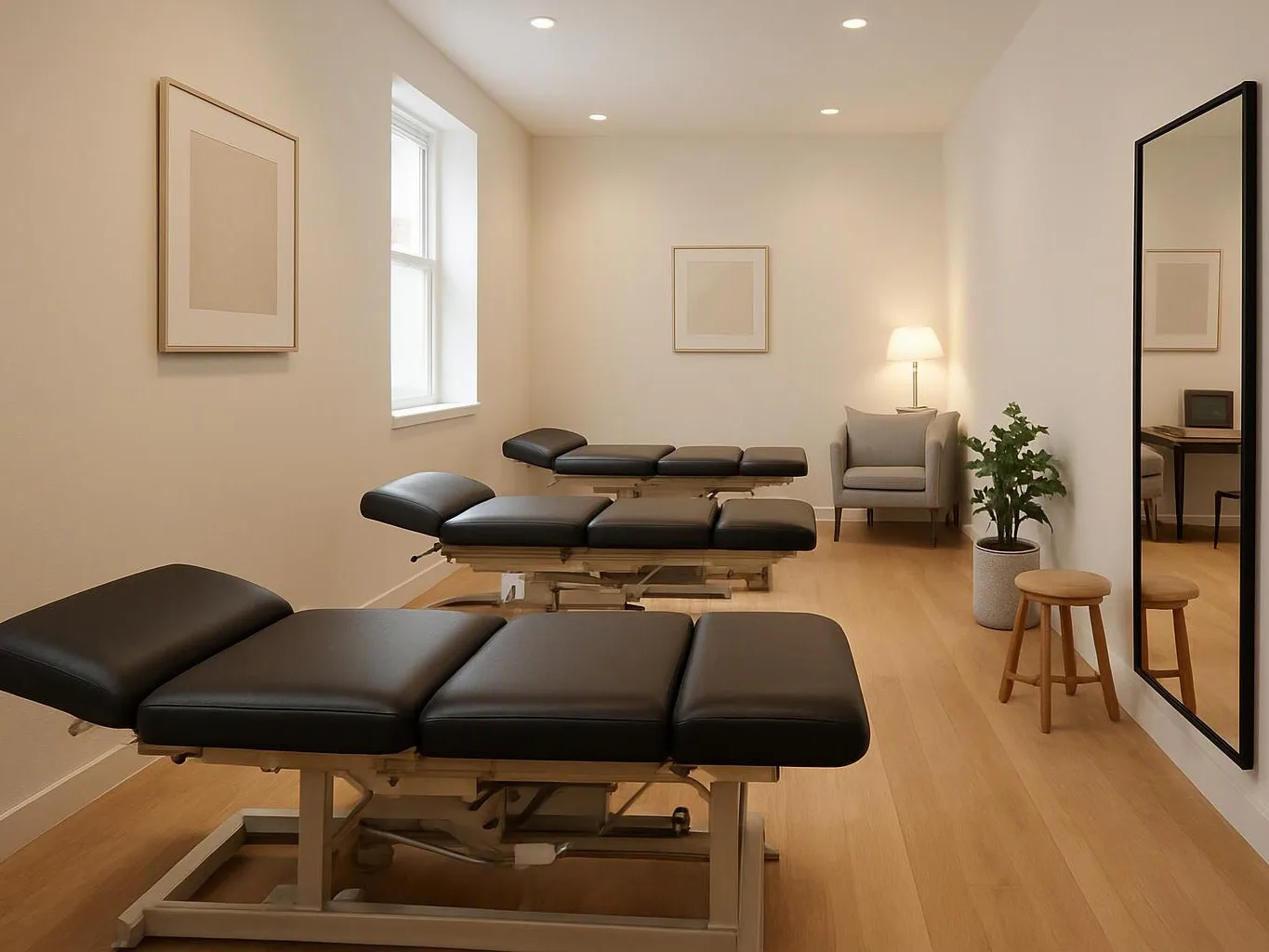
A bright treatment room shows three black massage tables, a chair, lamp, plant, and wall mirror

ZIP Codes We Serve in Mount Juliet, Tennessee

3712137122

The health and wellness information on this website is for general informational purposes only and is not medical advice. It does not create a provider-patient relationship. Always consult a qualified licensed provider in Brentwood, Tennessee, United States about your specific condition before making care decisions. Individual results vary.

(615) 265-0412