Skip to content

Spinal Decompression Therapy in Mount Juliet, Tennessee

Pelvic support is checked before spinal decompression therapy in Mount Juliet. We explain positioning and monitor each session with care.

Upfront, Transparent PricingServing 18 CommunitiesMon-Fri: 9 am–7 pm, Sat: 9 am–2 pm, Sun: ClosedFast Scheduling

Quick Summary: Spinal decompression care in Mount Juliet, Tennessee

Spinal Decompression Therapy in Mount Juliet is provided by Advanced Injury Care Clinic for patients with back pain, neck pain, sciatica, and related musculoskeletal concerns. Our chiropractic care includes a health history, exam, treatment positioning, and session monitoring.

  • What we do: Advanced Injury Care Clinic provides Spinal Decompression Therapy for patients in Mount Juliet, Tennessee.
  • What is included: Pelvic support checks, treatment positioning, gradual traction, computer controls, and session monitoring.
  • What you get: The visit produces a clear treatment plan that matches the patient’s symptoms and physical findings.

What happens during a spinal decompression therapy session?

A session begins with positioning and a pelvic support check, then uses gradual traction while the controls and patient response are monitored.

Spinal decompression therapy for Mount Juliet patients

This page focuses on the session itself. Patients want to know how positioning, computer controls, traction, and monitoring fit together before they book an appointment.

Our team first reviews the reason for care, such as back pain, sciatica, neck pain, or discomfort linked to an accident. The service may fit some patients, but it isn't the right choice for every condition. A health history and exam guide that decision.

The key choice is whether controlled traction fits your findings and goals. We explain what we see, what the treatment involves, and what other chiropractic care may be considered.

  • Bring a clear description of your pain, symptoms, and daily limits.
  • Share relevant accident, sports, workplace, or ongoing strain details.
  • Ask how treatment positioning and traction fit your exam findings.
  • Tell our team about changes in symptoms during a session.
A man in a navy shirt leans on a treatment table with folded towels in a calm clinic room

Service Overview

Spinal decompression therapy is a guided treatment that uses controlled traction to reduce load through targeted areas of the spine.

  • Spinal decompression therapy differs from spinal adjustments because it uses gradual traction, while an adjustment applies a specific manual movement.
  • Advanced Injury Care Clinic provides this care for patients in Mount Juliet.

How we approach spinal decompression care

Exam before treatment

We use a health history and exam before choosing treatment positioning. This service is the wrong fit when the clinical findings call for another form of care.

Controlled traction settings

Computer controls let us guide gradual traction during the session. We make decisions from your symptoms and physical response.

Patient-centered planning

Our team explains the findings and builds care around your needs. Experienced Chiropractic Care Team guidance supports clear choices at each visit.

Process

How a spinal decompression session is done

1

Review symptoms and health history

We discuss your pain, daily limits, past injuries, and treatment goals before the session begins.

2

Check pelvic support and positioning

We check pelvic support and place you on the treatment table in a stable position.

3

Set the computer controls

The computer controls guide a gradual traction approach that matches the treatment plan.

4

Monitor traction and comfort

We monitor your comfort and physical response throughout the session.

5

Review the next care step

We discuss what you noticed and explain the next step in your personalized care plan.

What a spinal decompression session includes

Advanced Injury Care Clinic provides comprehensive Spinal Decompression Therapy in Mount Juliet. Here's what you get:

  • We review your health history and current symptoms before treatment.
  • We check pelvic support and place your body in a stable treatment position.
  • We set the computer controls for a gradual traction approach.
  • We monitor your comfort and response during the session.
  • We explain the next step in your personalized treatment plan.

What this treatment may help you work toward

Controlled traction may support comfort when back pain limits daily movement.

Careful positioning gives our team a clear way to monitor your response.

A personalized plan connects spinal decompression with exam findings and patient goals.

Follow-up care can help track changes in mobility and comfort over time.

Spinal decompression and adjustment methods

These methods differ in how they apply care, so the exam guides the choice.

Treatment methodHow it is appliedWhat guides the choice
Spinal decompression therapyGradual traction with computer controlsSymptoms, exam findings, positioning, and response
Spinal adjustmentA specific manual movementThe patient’s exam and treatment plan

The Advanced Injury Care Clinic Standard

  • Individualized Care
  • Thorough Assessments
  • Clear Communication
  • Comfortable Techniques

Questions about spinal decompression therapy

Which part of the treatment decides the session scope?

The health history and exam decide the treatment scope.

Our team considers your symptoms, movement, prior injury details, and goals before choosing positioning or traction. The service may not fit every condition, so the exam comes before treatment.

Which material changes how long spinal decompression therapy takes?

The treatment plan, not a building material, guides the session time.

Our team considers your symptoms, exam findings, positioning needs, and response to traction. We don't provide an unconfirmed duration, but we explain the plan during your consultation.

How does a visit move from the first call to the last step?

A visit moves from consultation to health history, exam, positioning, traction, monitoring, and follow-up planning.

  1. We review your concern.
  2. We assess your condition.
  3. We explain suitable care.
  4. We monitor the session and review the next step.

What should I bring to my first chiropractic appointment?

Bring your symptom history, current concerns, and details about relevant injuries or past care.

Medication information and prior records may also help our team understand your situation. Tell us what movements worsen your symptoms so the exam can guide treatment planning.

How does spinal decompression differ from an adjustment?

Spinal decompression uses gradual traction, while an adjustment uses a specific manual movement.

Both belong to chiropractic care, but they use different methods. Our team explains which approach fits your exam findings and goals.

When should back pain receive an exam before treatment?

Back pain should receive an exam when it persists, limits movement, or follows an injury.

Mount Juliet patients can discuss symptoms during a Free Consultation. Our team checks the health history and physical findings before recommending traction or another care option.

Contact

Discuss spinal decompression therapy in Mount Juliet

Are you wondering whether this treatment fits your back or neck pain? Contact Advanced Injury Care Clinic to arrange a Free Consultation and discuss your assessment.

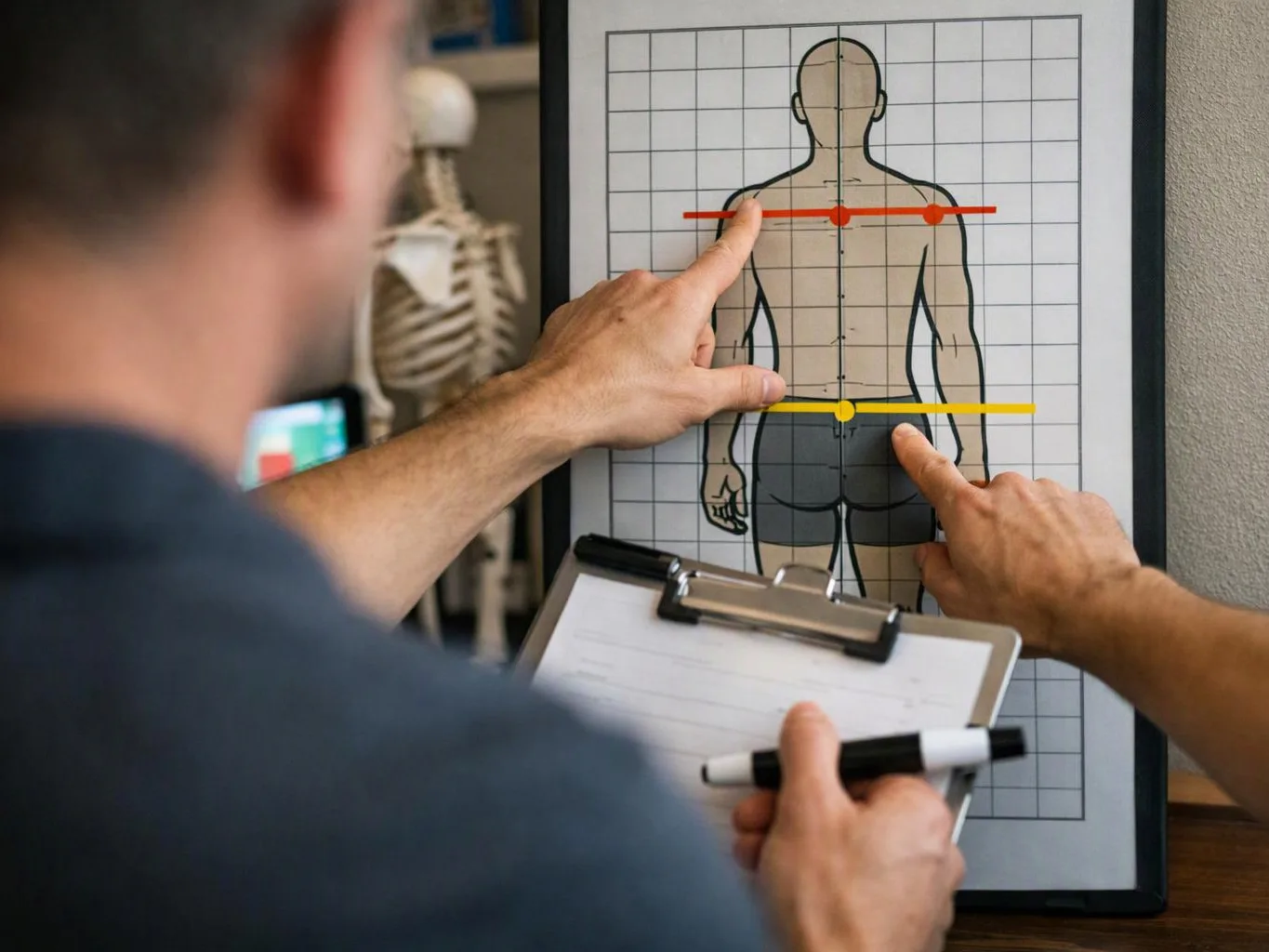
A person points at a body alignment chart while holding a clipboard in a clinic setting

ZIP Codes We Serve in Mount Juliet, Tennessee

3712137122

Spinal Decompression Therapy in Other Areas

The health and wellness information on this website is for general informational purposes only and is not medical advice. It does not create a provider-patient relationship. Always consult a qualified licensed provider in Brentwood, Tennessee, United States about your specific condition before making care decisions. Individual results vary.

(615) 265-0412