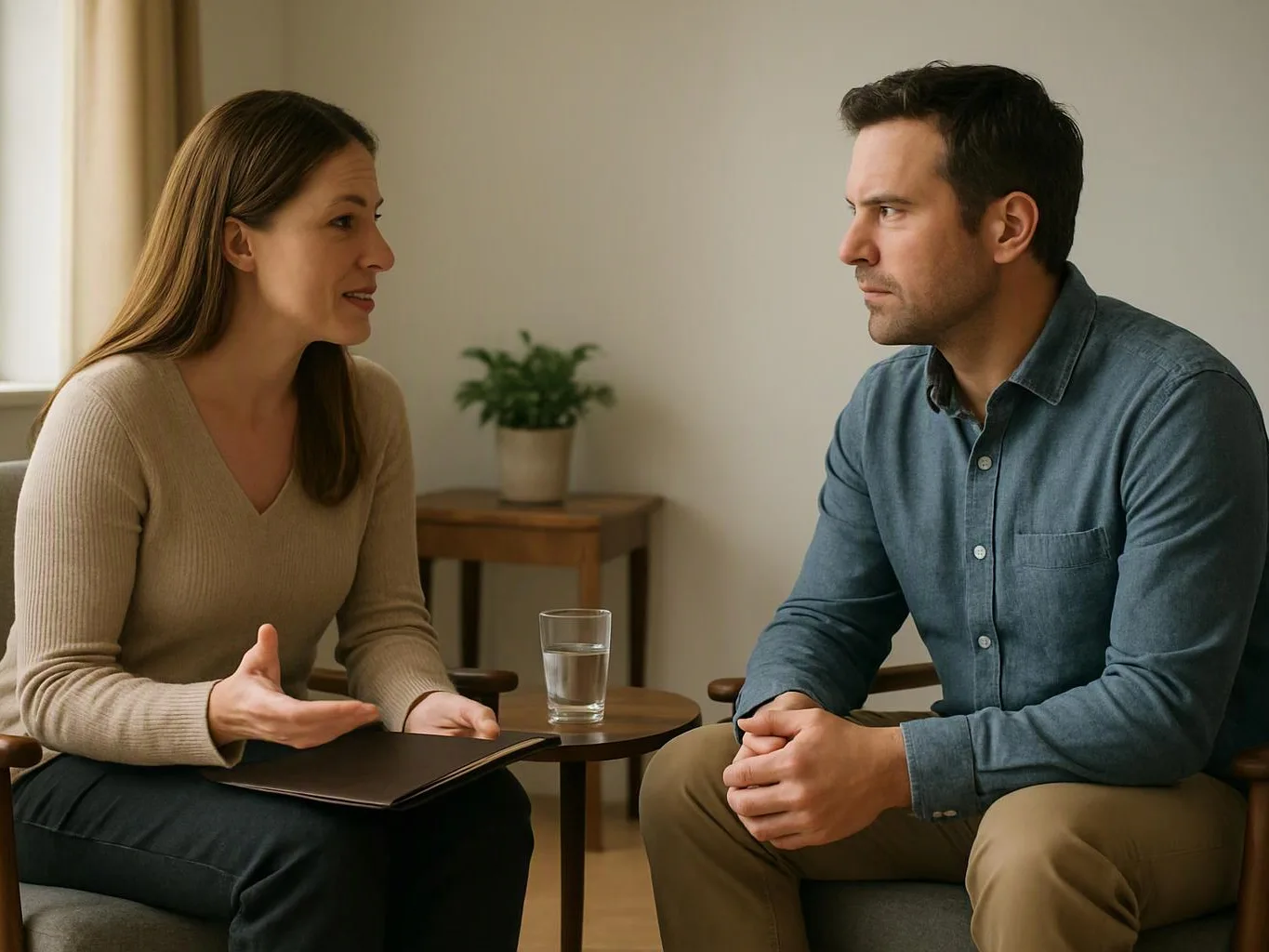
Review symptoms and health history
We discuss pain, posture changes, movement limits, prior injuries, and relevant medical history so the assessment starts with the full picture.
We assess posture, movement, and symptoms before building care around your needs. Free initial consultations give you time to discuss your history and treatment options.
A clearer link between spinal alignment, posture, and the symptoms you notice.
A care plan shaped around your physical needs instead of a standard adjustment sequence.
Better documentation of findings when scoliosis symptoms follow an accident or workplace injury.
Scoliosis treatment is a care process that assesses spinal alignment, posture, movement, and related symptoms.
“But you should still be checked by your provider about every 6 months.”
Source: medlineplus.gov
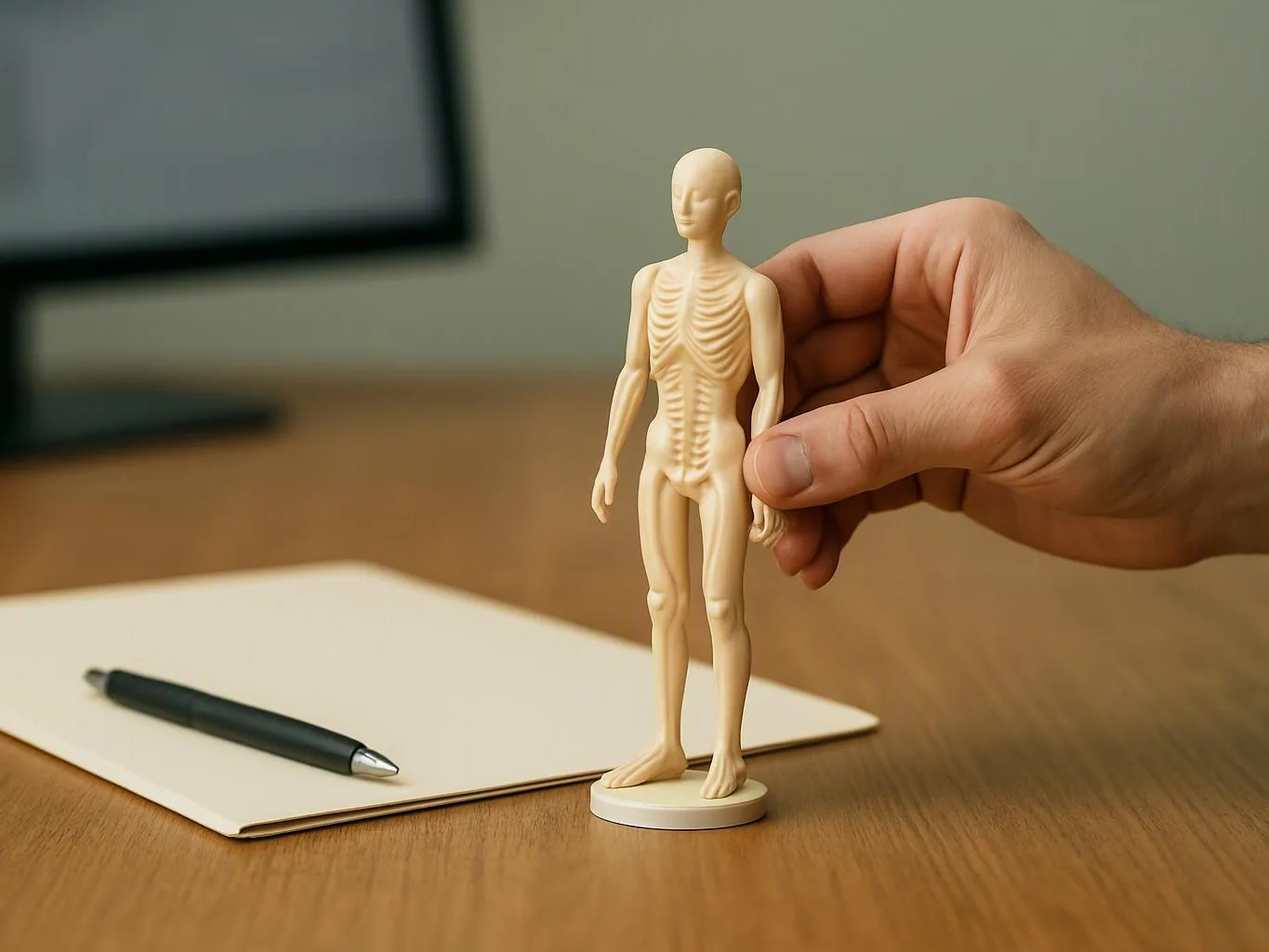
Scoliosis treatment begins with a focused look at your symptoms, health history, posture, and movement. We consider how spinal alignment may affect the musculoskeletal and neurological systems, then explain what the findings mean. Care may include chiropractic treatment, soft tissue work, movement guidance, or medical evaluation when appropriate. We don't promise the same plan for every person because scoliosis patterns and symptoms differ. Risks and failure points deserve attention. Care may miss the main problem if treatment focuses only on pain and ignores weakness, changing symptoms, or a need for further evaluation. We track the way symptoms and movement respond, and we reassess when the pattern does not fit the plan. Our team also considers whether your symptoms began after an accident, workplace incident, fall, or another personal injury event. That history can affect documentation, medical review, and the order of care.
We discuss pain, posture changes, movement limits, prior injuries, and relevant medical history so the assessment starts with the full picture.
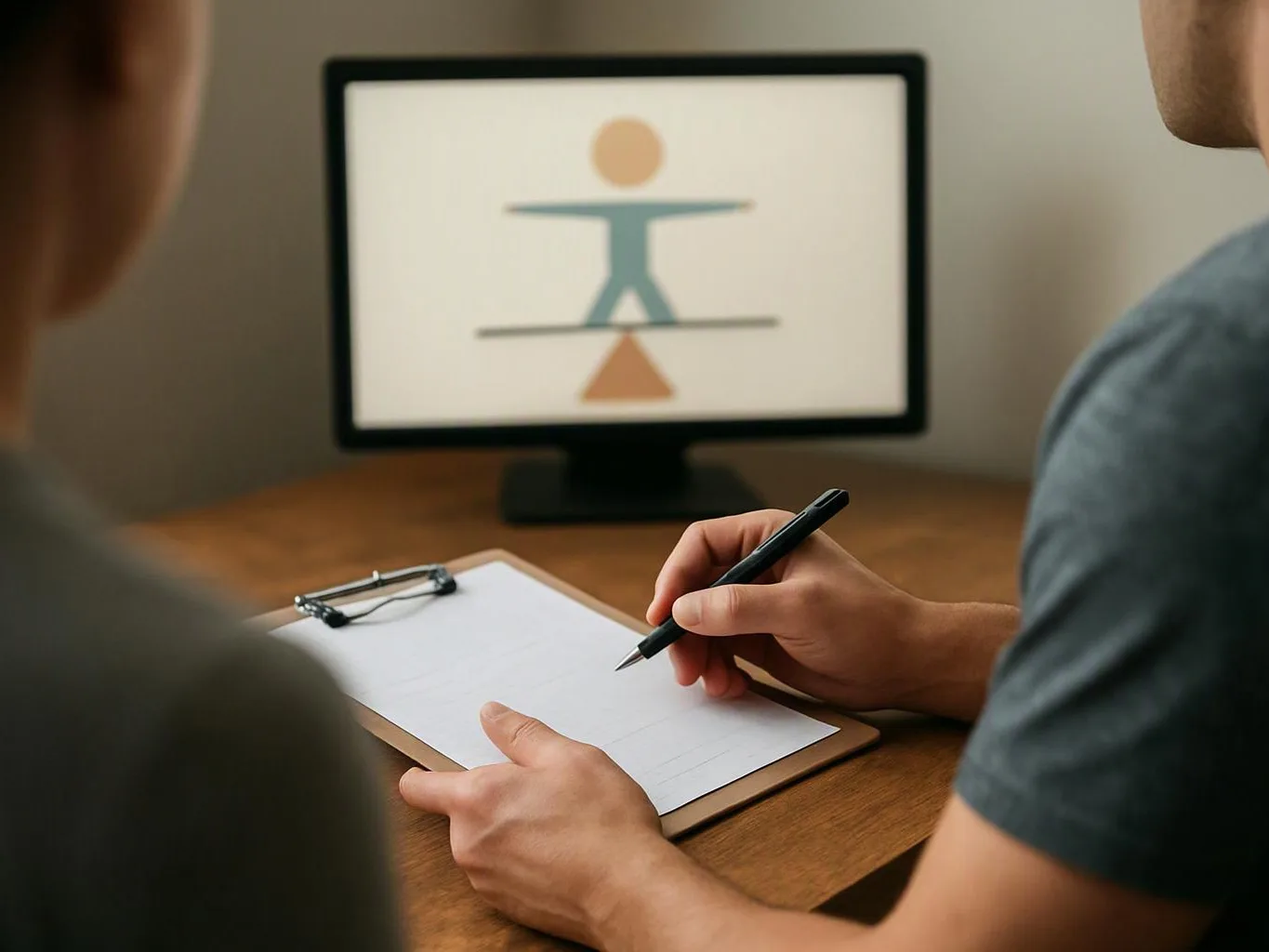
We observe posture, range of motion, muscle balance, and symptom patterns to identify findings that may shape your care plan.
We review existing records and consider X-rays if clinically indicated, then explain what the findings mean for your options.
We provide a report of findings and discuss chiropractic treatment, medical evaluation, or other appropriate next steps.
We compare symptoms and movement over time, then change the plan when progress does not match the intended direction.
Bring information that helps us connect your symptoms with your history and daily movement.
We shape the scoliosis plan around your history, assessment findings, goals, and physical needs.
We check posture, movement, and symptom patterns before recommending care for scoliosis-related concerns.
We begin with an evaluation or consultation before recommending treatment for spinal alignment and movement concerns.

The service is awesome. This is just my 3rd visit and I'm already beginning to feel a lot better. I love the message chair and the electric stimulation. Also doctor Robert's is awesome. She finds many ways to get my back realigned.

My experience here has been excellent. They take into consideration my needs and personalize the treatment to my ability. The staff is kind and friendly and explains things to my understanding. Highly recommended

It’s been a short time since I have been in therapy with this place , however I felled so much better, I personally thank the hospitality and professional manner they are dealing with my body problems. Thank you very much
Schedule a consultation to discuss your symptoms, history, and movement concerns. In the first days after reaching out, you can share records and questions so our care team can prepare for an informed evaluation.

Back pain can feel different on each side when spinal curves affect posture and muscle balance. The key issue is finding out whether movement limits, prior injury, or another health concern also contributes. Write down when pain changes during sitting, standing, or exercise, then bring those notes to an evaluation in Brentwood.
A collision, workplace incident, or fall can make existing scoliosis symptoms harder to understand. Our team reviews the event, health history, and current movement so injury-related findings receive proper attention. Bring accident details and prior records, and ask about documentation during your consultation.
Care may need review when pain stays the same, movement declines, or new symptoms appear. Repeating the same approach without checking the underlying pattern can delay a better decision. Schedule an assessment so we can compare your current symptoms with the earlier plan and discuss whether medical evaluation is needed.