Glossary

What is Myofascial Release?

Myofascial Release is a hands-on therapy technique that applies gentle, sustained pressure to the myofascial connective tissue to eliminate pain and restore motion. Myofascial Release targets the fascia, a thin layer of tissue that surrounds muscles, bones. And organs, which can become tight or restricted due to injury, inflammation. Or poor posture.

Reviewed by Advanced Injury Care ClinicSources reviewed: John F. Barnes' Myofascial Release Approach, National Center for Complementary and Integrative Health (NCCIH)

Quick Facts About Myofascial Release

Category

Manual therapy technique

Used for

Pain relief, mobility improvement, injury recovery

Common confusion

Often mistaken for deep tissue massage. But targets fascia, not just muscles

Also called

MFR, Myofascial Therapy

Often discussed with

Neck Pain Treatment, Back Pain Treatment

Key Takeaways About Myofascial Release

Understanding Myofascial Release

Myofascial Release in Chiropractor—Brentwood

Myofascial Release is a specialized form of manual therapy designed to treat restrictions in the fascia, the connective tissue that surrounds and supports muscles, bones, nerves. And organs throughout the body. Fascia is normally flexible and able to stretch and move without restriction. But injury, inflammation, surgery. Or poor posture can cause the fascia to tighten, leading to pain, stiffness. And reduced range of motion. Myofascial Release aims to restore the natural elasticity of the fascia by applying gentle, sustained pressure to areas of tension.

Related glossary terms: Soft Tissue Injury, Trigger Point Therapy, Chiropractic Adjustment.

This therapy is based on the idea that fascial restrictions can create tension in other parts of the body, even far from the original site of injury or tightness. For example, tightness in the fascia of the lower back might contribute to pain in the hips or legs. Myofascial Release works to release these restrictions, allowing the body to move more freely and with less discomfort. Unlike some other therapies that focus solely on muscles or joints, Myofascial Release addresses the connective tissue network that links every part of the body.

How Myofascial Release Works?

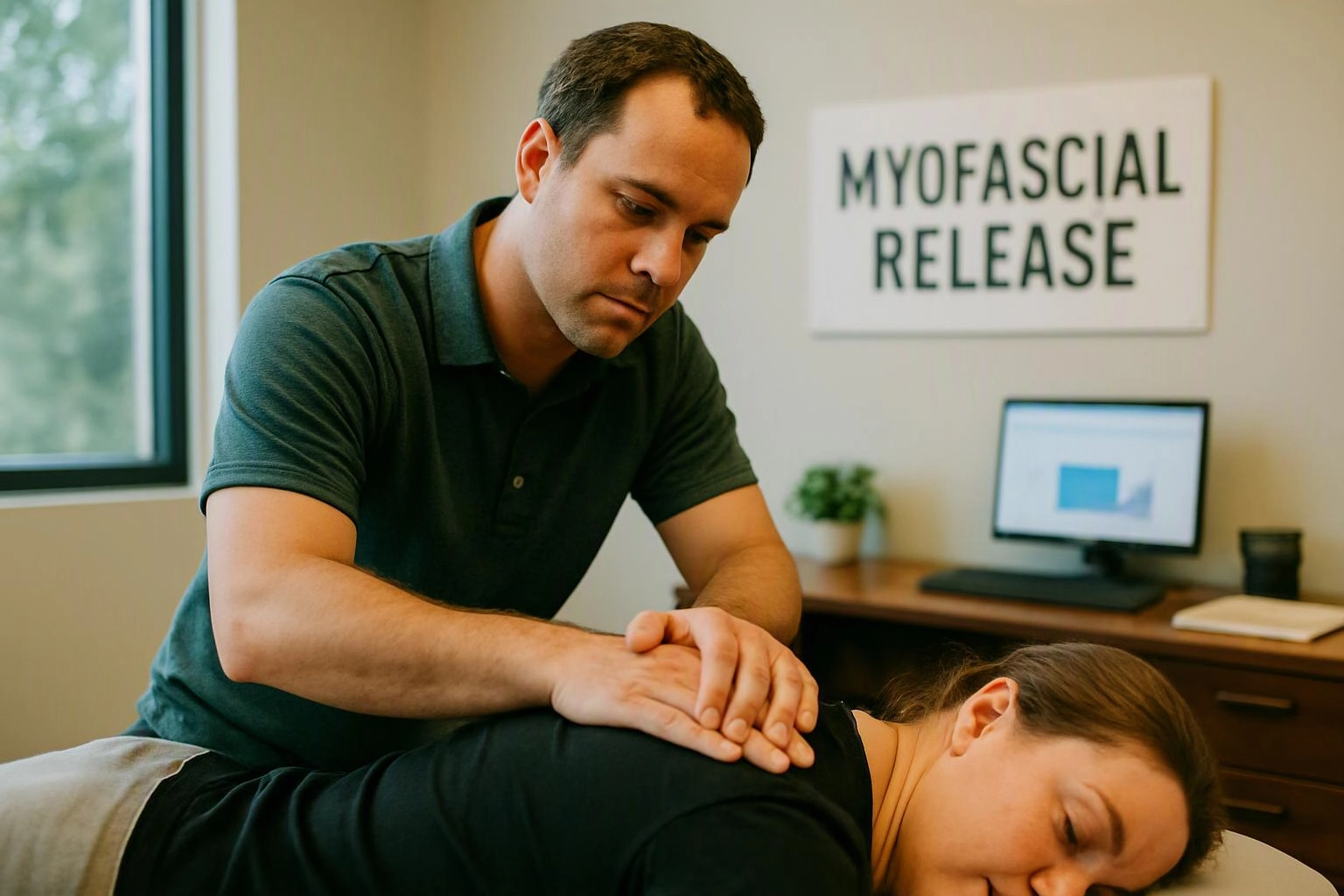
During a Myofascial Release session, a trained therapist uses their hands to identify areas of fascial tightness or restriction. The therapist applies gentle pressure to these areas, holding the stretch for several minutes to allow the fascia to release. This sustained pressure helps to elongate the fascia, reduce tension. And improve blood flow to the affected area. The process is typically painless. Though some patients may feel mild discomfort as tight areas begin to release.

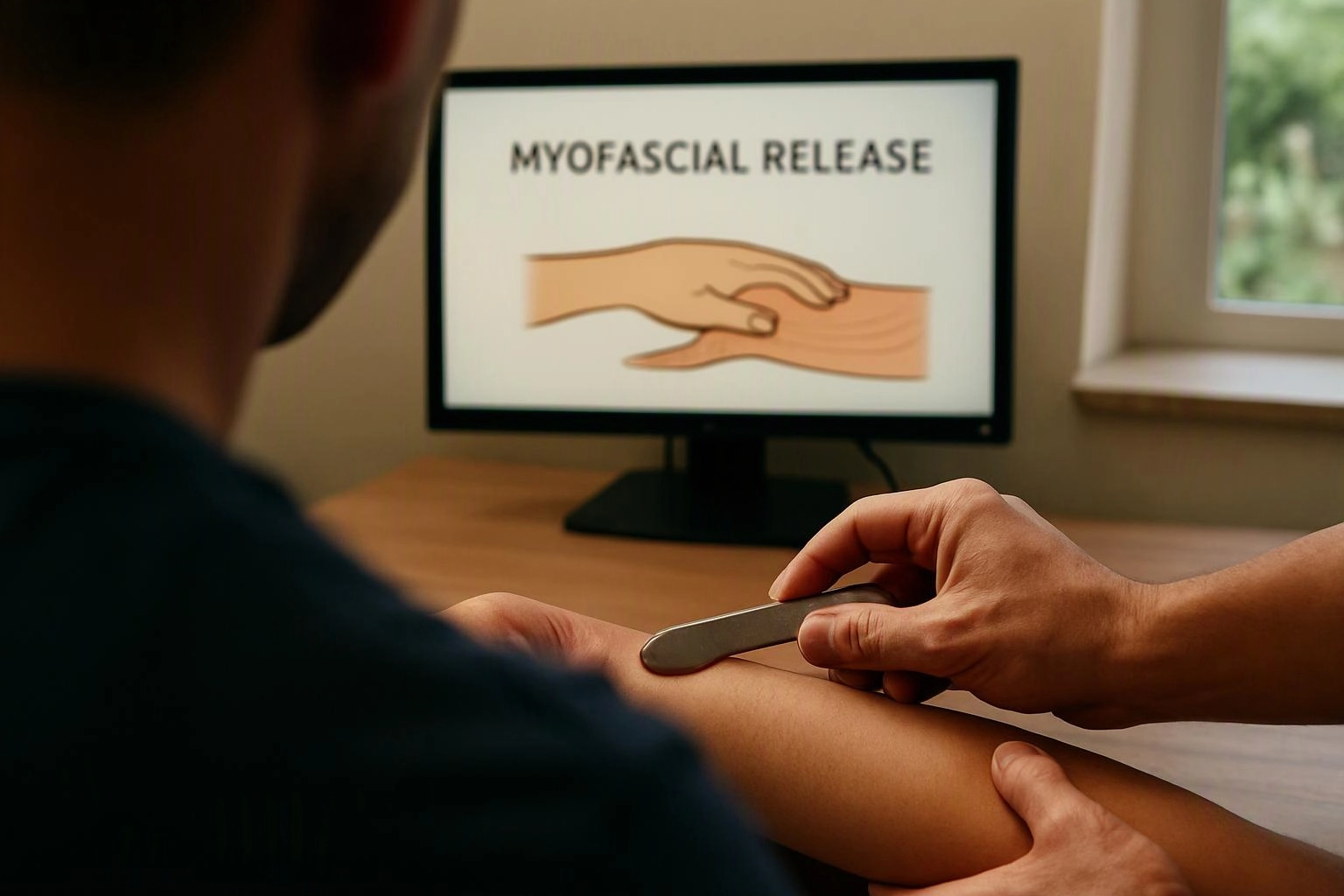
Myofascial Release can be performed on various parts of the body, depending on the patient's specific needs. Common areas of focus include the back, neck, shoulders, hips. And legs. The therapist may use different techniques, such as direct pressure, stretching. Or gentle rocking motions, to encourage the fascia to release. Sessions usually last between 30 to 60 minutes. And multiple sessions may be needed to achieve lasting results, especially for chronic conditions or long-standing fascial restrictions.

The effects of Myofascial Release are often immediate, with many patients reporting reduced pain and improved mobility after just one session. But the therapy is most effective when used as part of a full treatment plan that may include chiropractic adjustments, physical therapy. Or exercises to strengthen and support the affected areas. Over time, Myofascial Release can help retrain the fascia to maintain its natural flexibility, reducing the likelihood of future tightness or injury.

Why Myofascial Release Matters?

Myofascial Release is an important therapy for anyone experiencing pain, stiffness. Or limited mobility due to fascial restrictions. These restrictions can develop from a variety of causes, including physical trauma, repetitive stress, poor posture. Or surgery. When the fascia becomes tight, it can compress nerves, restrict blood flow. And limit the body's ability to move efficiently. This can lead to chronic pain, reduced flexibility. And even compensatory injuries as other parts of the body try to compensate for the restricted area.

By releasing fascial restrictions, Myofascial Release can help alleviate pain and improve function without the need for medication or invasive procedures. This makes it a valuable option for patients seeking natural, drug-free pain relief. And Myofascial Release can boost the effectiveness of other therapies, such as chiropractic care or physical therapy, by addressing the connective tissue that supports and connects the musculoskeletal system. For athletes or active individuals, Myofascial Release can also aid in recovery from injuries and improve performance by ensuring that the fascia remains flexible and resilient.

When Myofascial Release Matters Most?

Myofascial Release is particularly beneficial in situations where fascial restrictions are contributing to pain or limited mobility. This includes conditions such as chronic back pain, neck pain, headaches, sciatica. And muscle strains. It's also helpful for individuals recovering from injuries, surgeries. Or repetitive stress injuries, such as carpal tunnel syndrome or plantar fasciitis. Patients with conditions like fibromyalgia or myofascial pain syndrome, which involve widespread muscle and fascial tightness, may also find relief through Myofascial Release.

In addition to treating existing conditions, Myofascial Release can be used as a preventive measure to maintain fascial health and reduce the risk of future injuries. For example, athletes or individuals with physically demanding jobs may benefit from regular Myofascial Release sessions to keep their fascia flexible and resilient. It can also be useful for individuals who spend long hours sitting or standing, as poor posture can lead to fascial tightness over time. By addressing fascial restrictions early, patients can avoid more serious issues, such as chronic pain or compensatory injuries, that may require more intensive treatment later on.

How to Evaluate Myofascial Release?

Related Concepts Compared

Myofascial Release vs. Deep Tissue Massage

Deep Tissue Massage focuses on relieving tension in muscles through firm pressure. While Myofascial Release targets the fascia, the connective tissue surrounding muscles, with gentle, sustained stretches.

Myofascial Release vs. Trigger Point Therapy

Trigger Point Therapy applies pressure to specific tight spots within muscles to relieve pain, whereas Myofascial Release works on the broader fascial network to improve overall mobility.

Expert Note

Myofascial Release is most effective when combined with movement re-education. After releasing fascial restrictions, patients should engage in gentle stretching or strengthening exercises to help retrain the fascia and prevent future tightness.

Common Mistakes or Myths About Myofascial Release

  • Assuming Myofascial Release is the same as deep tissue massage, which targets muscles rather than fascia.
  • Expecting immediate, dramatic results after just one session, as fascial release often requires multiple treatments.
  • Not communicating areas of discomfort during the session, which can help the therapist adjust pressure.
  • Skipping follow-up care, such as stretching or strengthening exercises, which are important for lasting results.

Myofascial Release in Practice: A Real-World Example

After a car accident, a patient experiences chronic neck pain and stiffness. A chiropractor recommends Myofascial Release to address fascial restrictions in the neck and upper back. Over several sessions, the patient notices reduced pain and improved range of motion, allowing them to return to daily activities without discomfort.

Sources & Further Reading on Myofascial Release

Related Services

Related Terms

Soft Tissue Injury

Soft Tissue Injury is damage to the body’s muscles, tendons, ligaments. Or other non-bony structures caused by sudden impact, overuse. Or repetitive motion. These injuries often result in pain, swelling, bruising. Or limited movement and can occur during sports, accidents. Or daily activities. Proper diagnosis and care help prevent long-term complications.

Trigger Point Therapy

Trigger Point Therapy is a manual treatment method that targets tight, painful knots in muscles called trigger points. These knots form when muscle fibers remain contracted, causing pain, stiffness. And reduced mobility. A trained therapist applies focused pressure to release the knots, improving blood flow and restoring normal muscle function.

Chiropractic Adjustment

Chiropractic Adjustment is a precise manual procedure where a licensed chiropractor applies controlled force to a specific joint in the spine or other body area. The goal is to improve alignment, reduce nerve irritation. And restore normal movement. Adjustments are often accompanied by a popping sound caused by gas releasing from the joint.

Functional Rehabilitation

Functional Rehabilitation is a goal-oriented treatment approach that helps injured individuals regain everyday movement, strength. And endurance by focusing on real-world activities rather than isolated exercises. It combines physical therapy, chiropractic care. And targeted exercises to restore function, reduce pain. And prevent future injuries after accidents, surgeries.

Chronic Pain

Chronic Pain is persistent discomfort that lasts for three months or longer, even after an injury or illness has healed. Chronic Pain can stem from conditions like arthritis, nerve damage. Or back problems. And it often interferes with daily activities, sleep. And mental health. Unlike short-term pain, Chronic Pain may not respond to typical treatments and requires ongoing management.

Advanced Injury Care Clinic

Have Questions About Myofascial Release?

Contact Advanced Injury Care Clinic for practical guidance on Myofascial Release and related chiropractor work in Brentwood.

+1 615-777-0624