Skip to content

Spinal Decompression Therapy in Belle Meade, Tennessee

Traction table checks guide spinal decompression therapy in Belle Meade. We match the treatment approach to your symptoms and exam findings.

Upfront, Transparent PricingServing 18 CommunitiesMon-Fri: 9 am–7 pm, Sat: 9 am–2 pm, Sun: ClosedFast Scheduling

Quick Summary: Spinal Decompression Care in Belle Meade, Tennessee

Spinal Decompression Therapy in Belle Meade is provided by Advanced Injury Care Clinic for back pain, neck pain, sciatica, and related musculoskeletal concerns. The clinic serves Belle Meade, Brentwood, Williamson County, and nearby Nashville-area communities, with free consultations available.

  • What we do: Advanced Injury Care Clinic provides Spinal Decompression Therapy for patients in Belle Meade, Tennessee, after a clinical evaluation.
  • What is included: Health history review, physical examination, spinal unloading, controlled stretching, soft tissue therapy, and corrective exercise guidance.
  • What you get: The care plan identifies whether spinal decompression fits the patient’s symptoms and recovery goals.

Why does back pain keep returning after spinal decompression therapy?

Recurring back pain can reflect several factors, including disc pressure, movement limits, muscle tension, or daily strain. A new evaluation helps us check the current symptoms and adjust the care plan. Spinal decompression therapy may support comfort and mobility, but individual response differs.
Spinal Decompression Therapy for Belle Meade Back Pain

Spinal decompression therapy focuses on how the spine responds to controlled unloading. We consider it for patients with back pain, neck pain, sciatica, or symptoms linked to a herniated disc.

The key decision is fit. Our team reviews your health history, movement, symptoms, and exam findings before recommending spinal decompression, adjustments, soft tissue therapy, or corrective exercises. X-rays may be considered if clinically indicated.

Patients in Belle Meade can seek a focused assessment close to home, while the clinical decision remains based on the individual’s condition. This service does not replace medical care for symptoms that need urgent evaluation.

  • Review the location, pattern, and triggers of back or neck pain.
  • Discuss prior accidents, sports injuries, workplace incidents, or ongoing strain.
  • Check movement and related musculoskeletal findings during the examination.
  • Ask whether controlled spinal unloading fits the patient’s goals.
  • Plan follow-up care around comfort, mobility, and daily activity needs.
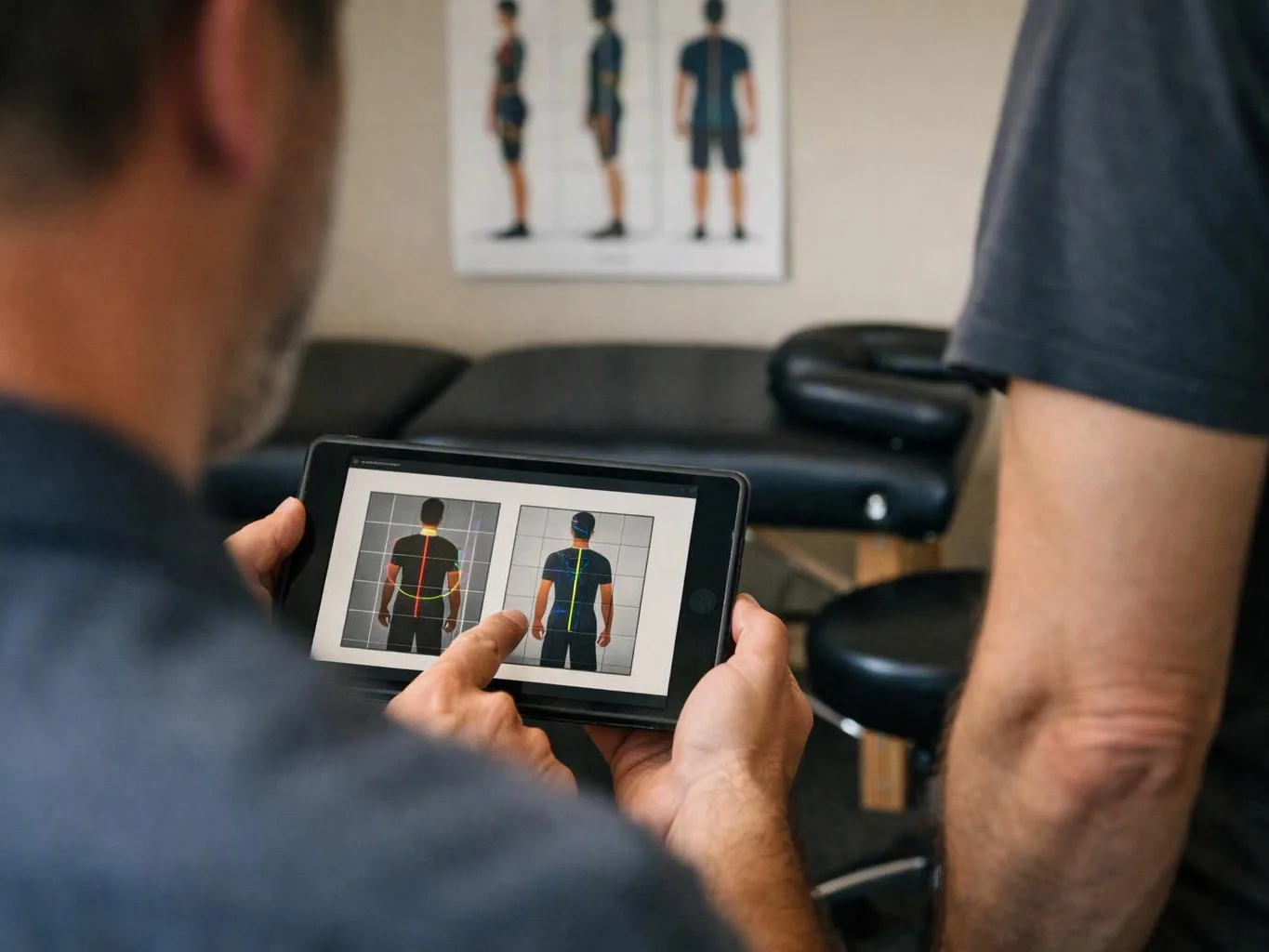
A man holds a tablet showing back posture diagrams in a clinic room

Service Overview

Spinal decompression therapy is a non-surgical treatment approach that uses controlled unloading and stretching to address certain spine-related symptoms.

  • Unlike a standard spinal adjustment, decompression focuses on controlled traction forces while adjustments use a brief manual or instrument-assisted movement.
  • Advanced Injury Care Clinic provides this care for Belle Meade patients and surrounding communities.

What Spinal Decompression Care Includes

Advanced Injury Care Clinic provides comprehensive Spinal Decompression Therapy in Belle Meade. Here's what you get:

  • A new patient intake records your health history and current concerns.
  • A chiropractic evaluation checks movement, symptoms, and related musculoskeletal findings.
  • The care discussion explains how spinal unloading and controlled stretching may fit your needs.
  • Treatment may include spinal decompression, soft tissue therapy, or spinal adjustments when clinically appropriate.
  • Corrective exercises and practical guidance support movement between appointments.
  • Progress can be reviewed as your symptoms and mobility change.

How Spinal Decompression May Support Comfort

Controlled unloading may help reduce stress on irritated spinal structures.

A focused plan may improve comfort during daily movement.

Care may support mobility when stiffness limits normal activity.

Combining decompression with corrective exercises addresses both treatment and home movement.

The evaluation helps you choose care that matches your symptoms instead of following a fixed routine.

Process

Steps We Use to Plan Spinal Decompression Care

1

Review the health history

We discuss symptoms, prior injuries, daily limits, and relevant health concerns during the new patient intake.

2

Complete the chiropractic examination

Our team checks movement, symptom patterns, and related musculoskeletal findings before selecting a treatment approach.

3

Discuss spinal unloading

We explain controlled stretching, disc pressure, and the role of a support harness when decompression fits the examination.

4

Build the care plan

The plan may combine spinal decompression with soft tissue therapy, adjustments, corrective exercises, or practical guidance.

5

Review progress

Follow-up discussions check comfort, mobility, and daily activity so the plan can be reviewed as needed.

What to Consider Before Choosing Decompression Care

Match care to the exam

Symptoms alone do not decide whether decompression fits. We review the health history and examination first, then explain the available care plan in plain language.

Use more than one treatment tool

Spinal decompression may be paired with soft tissue therapy, corrective exercises, or spinal adjustments when those services fit the patient’s needs.

Know when another evaluation comes first

Severe, sudden, or unusual symptoms may need medical evaluation before chiropractic treatment. We discuss the safest next step when the presentation does not fit routine musculoskeletal care.

Decompression Care and Spinal Adjustments

These approaches differ in how they apply movement and force during chiropractic care.

Care approachMain methodWhen discussed
Spinal decompressionControlled unloading and stretchingWhen symptoms and examination findings support this approach
Spinal adjustmentBrief manual or instrument-assisted movementWhen a focused adjustment fits the patient’s findings
Corrective exerciseGuided movement to support strength and mobilityWhen home movement forms part of the care plan

The Advanced Injury Care Clinic Standard

  • Individualized Care
  • Thorough Assessments
  • Clear Communication
  • Comfortable Techniques

Questions About Spinal Decompression Care

How does spinal decompression therapy work?

The traction table uses controlled unloading and stretching to change pressure through selected areas of the spine. We first review your symptoms and exam findings, then discuss whether this approach fits. A support harness may help position the body during treatment. Individual response differs, so the plan is reviewed as care progresses.

What should be ready before spinal decompression therapy starts?

Your health history, symptom details, and current treatment information should be ready before care starts. Bring records that explain prior injuries or relevant medical concerns if you have them. Our new patient intake and examination then guide the treatment discussion. You do not need to decide on a care plan before the assessment.

Which condition changes the time needed for spinal decompression therapy?

The patient’s symptoms and examination findings influence the treatment plan and appointment needs. Disc-related symptoms, restricted movement, muscle tension, and pain after an accident may require different care discussions. We review those factors before recommending treatment. No fixed duration applies to every patient.

How is spinal decompression therapy matched to a patient before work starts?

The health history and chiropractic examination guide the treatment match. We consider symptom location, movement limits, prior injuries, and daily activity concerns before discussing spinal unloading. X-rays may be considered if clinically indicated. The findings help us choose decompression, adjustments, exercises, or another suitable option.

What is the difference between decompression and a spinal adjustment?

Spinal decompression uses controlled unloading and stretching, while a spinal adjustment uses a brief manual or instrument-assisted movement. Both approaches address musculoskeletal concerns, but they use different forces and methods. We discuss which option fits the examination and the patient’s goals.

Can spinal decompression help after an automobile accident?

Spinal decompression may be considered after an automobile accident when the examination supports it. Whiplash, back pain, neck pain, and restricted movement need careful review first. Our team documents the health history and examines current symptoms before discussing a personalized treatment plan.

What is a red flag during chiropractic care?

Sudden severe symptoms, new weakness, major loss of sensation, or other unusual changes need prompt medical attention. Chiropractic care may not be the right first step when symptoms suggest a serious condition. Tell our team about changes right away so we can discuss the safest next action.
Contact

Ask About Spinal Decompression Therapy in Belle Meade

Are back pain or movement limits affecting your day? Contact Advanced Injury Care Clinic to discuss spinal decompression therapy and request a free consultation.

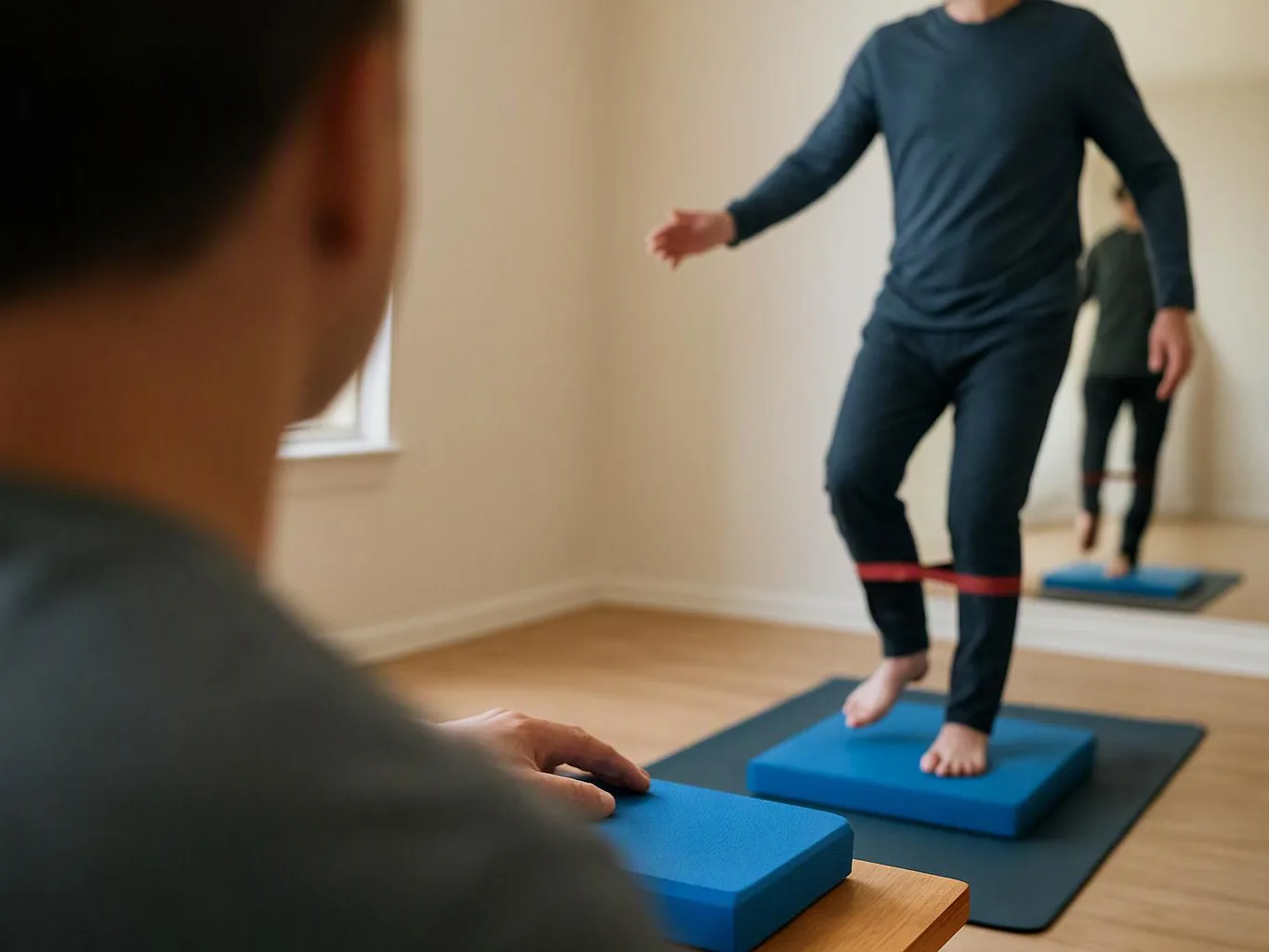
A person balances on a blue foam block with a resistance band around the legs while another watches nearby in a bright room

Spinal Decompression Therapy in Other Areas

The health and wellness information on this website is for general informational purposes only and is not medical advice. It does not create a provider-patient relationship. Always consult a qualified licensed provider in Brentwood, Tennessee, United States about your specific condition before making care decisions. Individual results vary.

(615) 265-0412