Skip to content

Spinal Decompression Therapy in Nolensville, Tennessee

How much load can a traction table support for care in Nolensville? We assess fit, symptoms, and comfort before treatment begins.

Upfront, Transparent PricingServing 18 CommunitiesMon-Fri: 9 am–7 pm, Sat: 9 am–2 pm, Sun: ClosedFast Scheduling

Quick Summary: Spinal Decompression Therapy in Nolensville, Tennessee

Spinal Decompression Therapy in Nolensville is provided by Advanced Injury Care Clinic for patients seeking care for back pain, neck pain, sciatica, or related musculoskeletal concerns. We serve Nolensville, Williamson County, and nearby Nashville-area communities with evaluations, treatment planning, and chiropractic care.

  • What we do: Advanced Injury Care Clinic provides Spinal Decompression Therapy for patients in Nolensville, Tennessee through evaluation, controlled stretching, and individualized treatment planning.
  • What is included: Health history review, spinal assessment, traction-based spinal unloading, support harness positioning, and progress checks.
  • What you get: Spinal decompression therapy gives the patient a clear treatment plan based on symptoms, physical findings, and comfort during controlled unloading.

How does spinal decompression therapy work for recurring back pain?

A traction table applies controlled pulling force through a support harness to unload the spine. The process may reduce stress around irritated areas, but individual response differs. Our team first reviews symptoms, health history, and physical findings before deciding whether this approach fits the patient's care plan.
Dedicated Service Coverage in Nolensville

Spinal decompression therapy is suited to patients whose symptoms include back pain, neck pain, sciatica, or discomfort linked to a herniated disc. The main decision is whether controlled spinal unloading belongs in the person's broader care plan.

Our team begins with a new patient intake, health history, and exam. X-rays may be considered if clinically indicated. The evaluation helps us identify concerns that need a different form of care or further medical review.

This page focuses on how the traction-based treatment works, not on a promise of a fixed result. Individual response differs, so we monitor comfort and use progress re-examinations to guide the next step.

  • Review the symptoms, health history, and goals that shape treatment suitability.
  • Check whether spinal unloading fits the findings from the physical exam.
  • Discuss how a support harness and controlled stretching are used.
  • Set a follow-up plan that responds to comfort and progress.
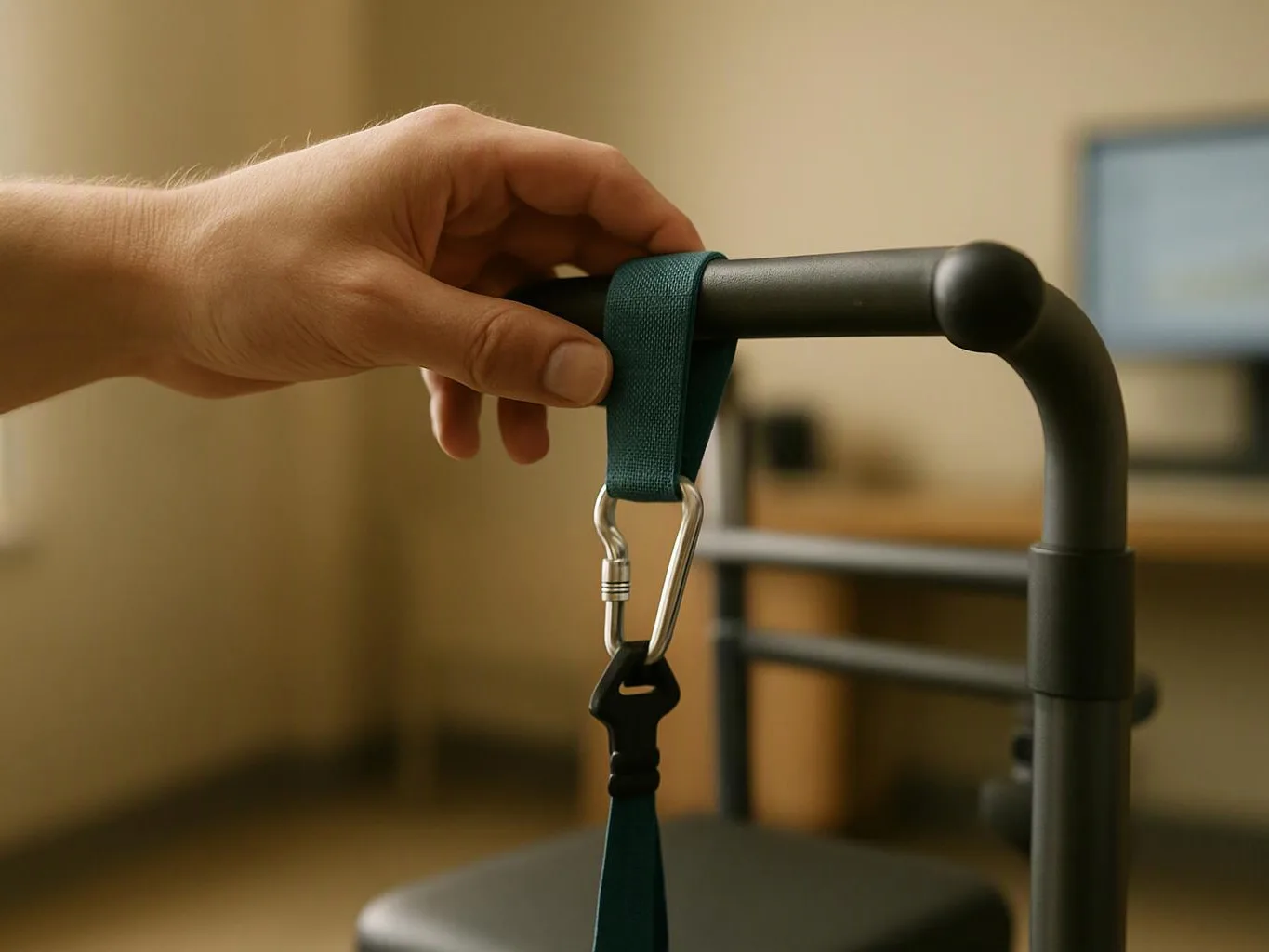
A hand adjusts a teal strap clipped to a black metal walker in a softly lit room

Service Overview

Spinal decompression therapy is a traction-based treatment that uses controlled stretching to unload parts of the spine.

  • Unlike a spinal adjustment, the method focuses on steady unloading and table-guided movement rather than a quick manual thrust.
  • We provide this care for patients in Nolensville, Williamson County, and nearby Nashville-area communities.

What spinal decompression therapy includes

Advanced Injury Care Clinic provides comprehensive Spinal Decompression Therapy in Nolensville. Here's what you get:

  • A new patient intake records symptoms, health history, and relevant injury details.
  • A physical exam checks movement, tenderness, and other findings linked to the patient's concern.
  • A suitability review determines whether controlled spinal unloading fits the care plan.
  • Support harness positioning helps keep the patient stable during table-guided treatment.
  • Our team checks comfort during the session and adjusts the approach when needed.
  • A personalized treatment plan connects decompression care with exercises, soft-tissue work, or other chiropractic services when appropriate.
Process

How spinal decompression therapy is carried out

1

Review symptoms and health history

The new patient intake records pain, injury details, past care, and health factors that may affect treatment.

2

Complete the spinal assessment

Our team examines movement and related findings, then considers X-rays if clinically indicated.

3

Check traction suitability

The assessment determines whether spinal unloading and controlled stretching fit the patient's condition and goals.

4

Position the support harness

The patient is positioned for table-guided care, with the harness supporting a stable and comfortable setup.

5

Monitor comfort and response

We check how the patient responds during care and use those findings to guide the personalized treatment plan.

6

Review the next care step

A follow-up discussion connects the findings with exercises, soft-tissue therapy, adjustments, or continued decompression care when appropriate.

How we approach this treatment choice

Suitability comes before table work

We review the health history, symptoms, and exam findings before treatment begins. Spinal decompression therapy is the wrong job when the evaluation points to a condition that needs another form of care or medical assessment.

The harness supports steady unloading

A support harness helps position the patient while the table guides controlled stretching. The goal is a measured process that our team can monitor throughout the session.

The plan stays patient-specific

Back pain, sciatica, neck pain, and disc concerns can present in different ways. We connect the treatment choice to the patient's findings instead of using one plan for every symptom.

What patients may gain from this approach

Controlled stretching may support comfort when back or neck symptoms limit daily movement.

Spinal unloading gives our team another way to address pressure-related concerns without relying on adjustment alone.

A treatment plan built around exam findings helps the patient understand why this approach was selected.

Progress checks show whether the current plan still matches the patient's symptoms and mobility goals.

Care may fit patients recovering from an automobile accident, sports injury, workplace incident, or ongoing strain.

Spinal decompression and related chiropractic care

The table compares the main purpose of each approach so patients can discuss fit during an evaluation.

Care approachMain focusWhat the patient discusses
Spinal decompression therapyControlled spinal unloading and stretchingWhether traction fits the symptoms and exam findings
Spinal adjustmentsManual movement of selected spinal jointsWhether an adjustment suits the patient's movement findings
Corrective exercisesMovement control and strengthWhich exercises support the patient's daily activity goals

The Advanced Injury Care Clinic Standard

  • Individualized Care
  • Thorough Assessments
  • Clear Communication
  • Comfortable Techniques

Questions patients ask about spinal decompression therapy

How does spinal decompression therapy work?

Advanced Injury Care Clinic uses a traction table and support harness to apply controlled stretching during spinal decompression therapy. The process focuses on spinal unloading and comfort checks. Our team reviews symptoms and exam findings first, because this treatment does not suit every condition.

What does the traction table look at first during treatment?

The traction table does not diagnose the patient. The health history and physical exam identify symptoms, movement limits, and disc-related concerns before table care begins. Our team uses those findings to choose a suitable position and monitor comfort during controlled stretching.

What should be checked before treatment is scheduled?

A health history and physical exam should be checked before spinal decompression therapy is scheduled. The review covers current symptoms, prior injuries, medical concerns, and movement findings. X-rays may be considered when clinically indicated, and the results guide the treatment decision.

Which symptoms may lead someone to ask about this care?

Back pain, neck pain, sciatica, and disc-related discomfort commonly lead patients to ask about spinal decompression therapy. Symptoms still need an evaluation because similar complaints can have different causes. We use the exam to decide whether controlled unloading belongs in the care plan.

When does spinal decompression therapy need another treatment first?

Spinal decompression therapy needs another treatment or medical assessment first when the exam shows that traction is not a suitable match. Our team explains the concern and reviews appropriate next steps. The treatment plan may include exercises, soft-tissue therapy, adjustments, or referral for further evaluation.

Why might a chiropractor combine decompression care with exercises?

Corrective exercises can support movement and strength alongside table-based spinal unloading. The exercise choice depends on the patient's findings, symptoms, and daily activity needs. Our team may include exercises or soft-tissue therapy when those services fit the personalized care plan.

What part of this treatment changes the cost?

The evaluation needs and selected treatment plan are the main cost drivers for this care. A plan that includes assessment, decompression, exercises, or other chiropractic services may involve different work. A consultation gives the patient a clearer explanation before treatment begins.
Contact

Discuss spinal decompression therapy in Nolensville

Start with a Free Consultation to review your symptoms, health history, and suitability for controlled spinal unloading. Advanced Injury Care Clinic will explain the assessment and available care options.

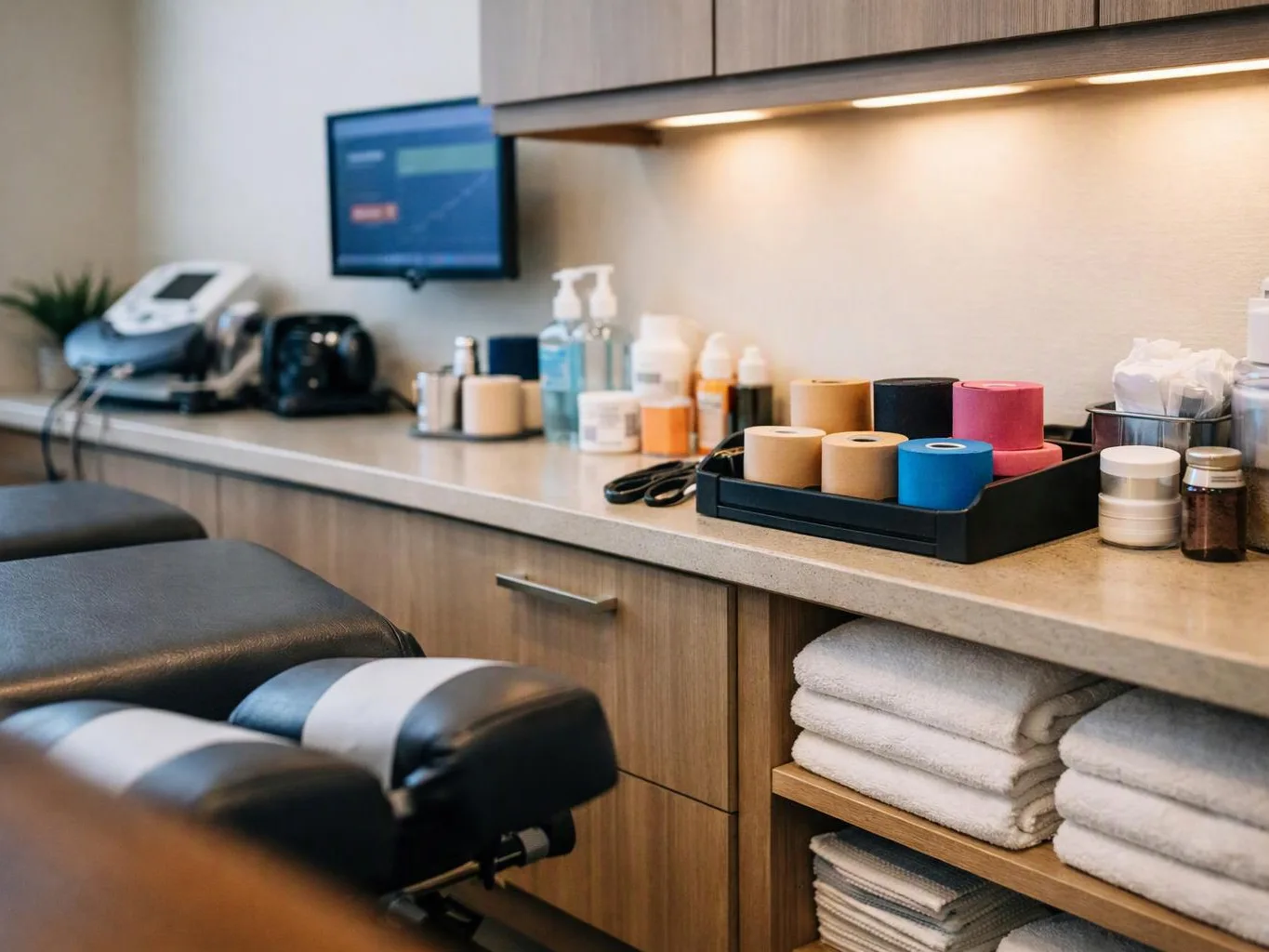
A massage table sits beside a tidy treatment counter with towels, bottles, and color rolls under cabinet lights

ZIP Codes We Serve in Nolensville, Tennessee

37135

Spinal Decompression Therapy in Other Areas

The health and wellness information on this website is for general informational purposes only and is not medical advice. It does not create a provider-patient relationship. Always consult a qualified licensed provider in Brentwood, Tennessee, United States about your specific condition before making care decisions. Individual results vary.

(615) 265-0412