Skip to content

Spinal Decompression Therapy in Kingston Springs, Tennessee

Treatment limitations may change the plan when replacement is needed instead of adjustment in Kingston Springs. We review your symptoms before choosing care.

Upfront, Transparent PricingServing 18 CommunitiesMon-Fri: 9 am–7 pm, Sat: 9 am–2 pm, Sun: ClosedFast Scheduling

Quick Summary: Spinal Decompression Care in Kingston Springs, Tennessee

Spinal Decompression Therapy in Kingston Springs is provided by Advanced Injury Care Clinic for back pain, neck pain, sciatica, and related musculoskeletal concerns. Care includes an evaluation and an individualized treatment plan for patients in Kingston Springs and nearby communities.

  • What we do: Advanced Injury Care Clinic provides Spinal Decompression Therapy for patients in Kingston Springs, Tennessee.
  • What is included: Health history review, physical examination, spinal decompression, chiropractic adjustments, corrective exercises, and soft-tissue techniques.
  • What you get: The patient leaves with a clear care plan that addresses symptoms, comfort, and movement goals.

Why does back pain keep happening after spinal decompression therapy?

Back pain may continue when the source involves more than spinal pressure. Our team checks the health history, movement patterns, and related muscle or joint concerns before changing the care plan.

Working With Our Team in Kingston Springs

Spinal decompression therapy is one option for patients with back pain, neck pain, sciatica, or discomfort linked to ongoing strain. The work begins with a new patient intake, health history, and exam so we can match treatment to the person, not just the symptom.

Treatment limitations matter when symptoms change, remain unclear, or point to a different need. We may combine decompression with spinal adjustments, soft-tissue therapy, corrective exercises, or practical guidance when those services fit the care plan.

The key decision is whether controlled decompression belongs in your plan. We explain the reason for the recommendation, the signs we will watch, and when another form of care deserves attention.

  • Review the main symptom, its pattern, and factors that make it better or worse.
  • Complete a health history and physical examination before treatment planning.
  • Discuss whether spinal decompression fits the condition and current care goals.
  • Watch for symptom changes, muscle soreness, or discomfort after treatment.
  • Adjust the plan when the response does not support continued decompression.
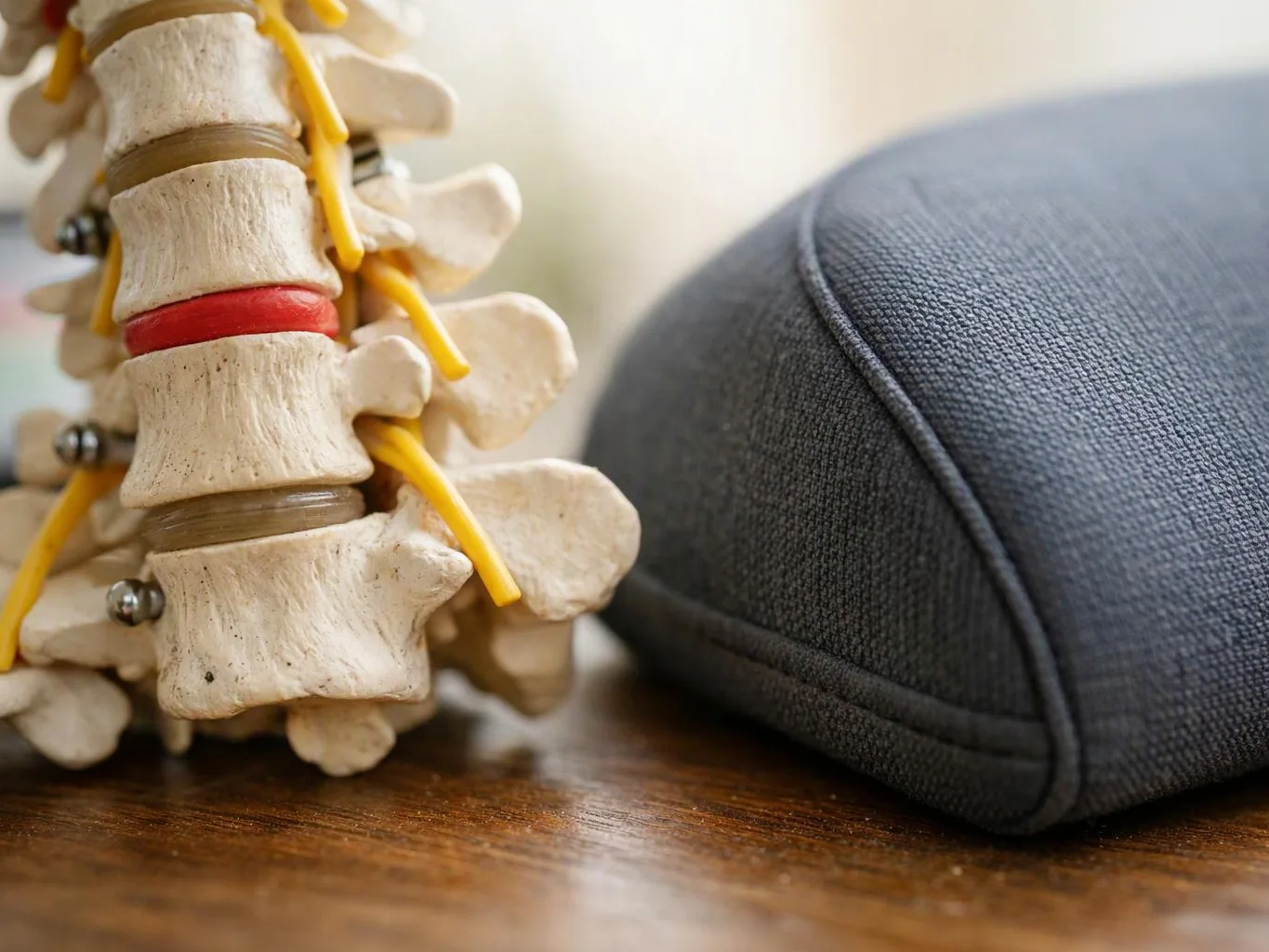
A prenatal consultation clipboard sits beside water glasses, a carafe, and a gray neck pillow on a wooden table

Service Overview

Spinal decompression therapy is a non-surgical treatment that uses controlled unloading to support care for certain spine-related symptoms.

  • It differs from a spinal adjustment because decompression focuses on controlled traction, while an adjustment uses a specific manual or instrument-assisted movement.
  • Advanced Injury Care Clinic provides this care for patients in Kingston Springs and surrounding communities.

What Spinal Decompression Therapy May Change

Controlled unloading may help reduce pressure-related discomfort for some patients.

A tailored plan may improve comfort and mobility during daily activities.

The examination helps connect spinal care with muscle tension, joint motion, and posture.

Follow-up review gives us a basis for changing care when symptoms do not respond as expected.

Practical guidance can help you support recovery between appointments.

Process

How We Plan Spinal Decompression Care

1

Review Your Health History

We discuss the pain pattern, past injuries, daily activities, and other health details that may affect treatment.

2

Complete The Examination

The exam checks movement, tenderness, muscle tension, and symptoms that may travel from the back or neck.

3

Discuss Treatment Fit

We explain whether controlled decompression fits the findings and how adjustments, soft-tissue work, or exercises may support the plan.

4

Apply Controlled Decompression

When the plan supports it, we use controlled traction through a spinal decompression table.

5

Review Symptom Changes

We ask about comfort, soreness, movement, and new symptoms so the care plan can change when needed.

6

Discuss The Consultation Cost

We explain the consultation process and provide a free consultation so you can discuss your symptoms before choosing care.

How We Approach Spinal Decompression Decisions

Care starts with fit

The examination comes first, and we use it to decide whether decompression belongs in your plan. We do not treat every back problem with the same method.

Symptoms guide follow-up

Back pain, leg symptoms, muscle soreness, or new discomfort can change the next step. Our team reviews these changes and updates treatment when needed.

A different service may fit better

Spinal decompression is the wrong choice when the examination points to a condition needing another form of medical care or a different treatment approach.

What Spinal Decompression Therapy Includes for Your Care

Advanced Injury Care Clinic provides comprehensive Spinal Decompression Therapy in Kingston Springs. Here's what you get:

  • A health history and examination help us understand your symptoms and movement limits.
  • A treatment discussion explains how spinal decompression may fit your personalized care plan.
  • Controlled decompression is provided when the examination supports that approach.
  • Chiropractic adjustments, soft-tissue techniques, or corrective exercises may be included when appropriate.
  • Progress is reviewed through symptom changes, comfort, and daily movement.

Choosing Between Decompression and Adjustments

The table shows how these two chiropractic methods differ in purpose and application.

Care methodMain actionWhat guides the choice
Spinal decompressionUses controlled traction through a decompression tableExamination findings and symptom pattern
Chiropractic adjustmentUses a focused manual or instrument-assisted movementJoint motion, tenderness, and the personalized care plan

The Advanced Injury Care Clinic Standard

  • Individualized Care
  • Thorough Assessments
  • Clear Communication
  • Comfortable Techniques

Questions About Spinal Decompression Therapy

What are common concerns with spinal decompression therapy?

Treatment limitations are the main concern when symptoms change, soreness increases, or the findings point to another service. We review the health history, examination results, and response to care before continuing. Mild muscle soreness can occur after physical treatment, but new or worsening symptoms deserve prompt discussion with our team.

Who is a good fit for spinal decompression, and who needs different care?

Patients with selected back or neck symptoms may be a fit after an examination, while other conditions need a different care plan. Our team checks symptom patterns, movement, medical history, and warning signs before treatment. We may recommend chiropractic adjustments, corrective exercises, or medical evaluation when decompression does not match the findings.

What happens at each stage of spinal decompression care?

The care process starts with an intake and examination, then moves to treatment planning, controlled decompression, and follow-up review.

  1. We review your health history and symptoms.
  2. We examine movement and related findings.
  3. We discuss treatment fit.
  4. We review your response and update care when needed.

What does the team look at first during spinal decompression therapy?

The first review covers your health history, symptom pattern, movement, and factors that affect comfort. These findings help us decide whether controlled traction fits your needs. We also ask about prior injuries and changes in symptoms so the care plan reflects your current condition.

How does spinal decompression differ from a chiropractic adjustment?

Spinal decompression uses controlled traction, while a chiropractic adjustment uses a focused manual or instrument-assisted movement. We choose between these methods based on the examination and care goals. Some patients may receive both approaches when each addresses a separate finding.

When should I discuss muscle soreness after treatment?

Muscle soreness should be discussed when it is new, stronger than expected, or paired with a change in other symptoms. Our team reviews when it began, where it occurs, and how movement affects it. That information helps us decide whether to modify treatment or arrange another form of evaluation.

Which information should I bring to a first appointment?

Your symptom history, prior injury details, current health information, and available clinical records can help us plan the first visit. Bring a list of current medicines if relevant. These details help connect the examination with your daily limits and treatment goals.
Contact

Discuss Spinal Decompression Therapy in Kingston Springs

Advanced Injury Care Clinic can discuss your symptoms, examination needs, and treatment options. The first days after reaching out give you time to share your health history, ask questions, and decide whether a consultation fits your goals.

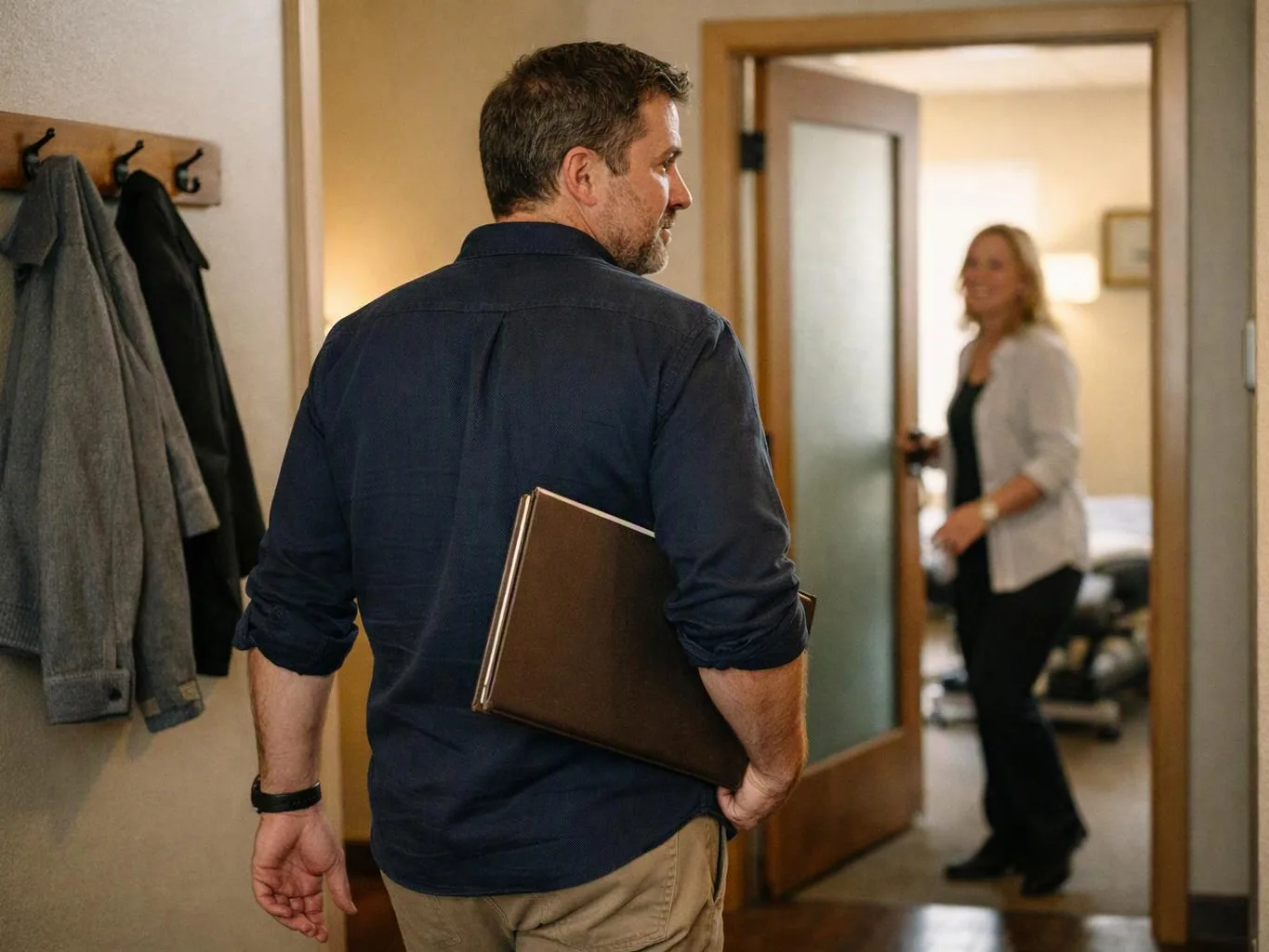
A man in a navy polo writes on a clipboard in a clinic room with a posture analysis poster

ZIP Codes We Serve in Kingston Springs, Tennessee

37082

Spinal Decompression Therapy in Other Areas

The health and wellness information on this website is for general informational purposes only and is not medical advice. It does not create a provider-patient relationship. Always consult a qualified licensed provider in Brentwood, Tennessee, United States about your specific condition before making care decisions. Individual results vary.

(615) 265-0412