Skip to content

Spinal Decompression Therapy in La Vergne, Tennessee

A traction table can support spinal unloading for patients in La Vergne. We assess your symptoms first, then discuss whether controlled stretching fits your care plan.

Upfront, Transparent PricingServing 18 CommunitiesMon-Fri: 9 am–7 pm, Sat: 9 am–2 pm, Sun: ClosedFast Scheduling

Quick Summary: spinal decompression therapy in La Vergne, Tennessee

Spinal Decompression Therapy in La Vergne is provided by Advanced Injury Care Clinic for back pain, neck pain, sciatica, and related musculoskeletal concerns. Care includes an evaluation, a personalized treatment plan, and chiropractic services across La Vergne and surrounding communities.

  • What we do: Advanced Injury Care Clinic provides spinal decompression therapy for patients in La Vergne, Tennessee.
  • What is included: Health history review, physical examination, spinal unloading, controlled stretching, and personalized chiropractic care.
  • What you get: Spinal decompression therapy gives patients a clear care plan for improving comfort and mobility.

Why does back pain keep returning after activity?

Recurring back pain can relate to disc pressure, muscle tension, joint motion, or an injury that needs a closer exam. Spinal decompression therapy may help when controlled unloading fits the findings. A chiropractor should assess warning signs before treatment begins.

Spinal decompression therapy for La Vergne back pain

Spinal decompression therapy is a focused option for patients who report back pain, neck pain, sciatica, or symptoms linked to a herniated disc. The goal is to decide whether controlled unloading belongs in a wider chiropractic care plan.

The key decision is fit. Our team reviews your health history, examines movement, and considers whether spinal decompression therapy matches the problem. Some patients also need spinal adjustments, soft-tissue work, corrective exercises, or medical referral.

This page focuses on the traction-table portion of care, including spinal unloading, disc pressure, controlled stretching, and the support harness. Results vary, and individual response differs. We don't promise a specific outcome.

  • Bring a clear description of where symptoms began and what activities change them.
  • Share prior diagnoses, imaging reports, surgeries, and current treatment details.
  • Ask how spinal decompression therapy fits with adjustments, exercises, or soft-tissue therapy.
  • Discuss warning signs before treatment is scheduled.
A pair of silver scissors cuts a beige tape roll beside stacked blue, orange, and tan rolls on a table

Service Overview

Spinal decompression therapy is a chiropractic treatment that uses controlled stretching to reduce load through part of the spine.

  • Spinal decompression therapy differs from a spinal adjustment because it uses gradual unloading, while an adjustment focuses on joint movement.
  • Advanced Injury Care Clinic provides this care for patients in La Vergne.

What spinal decompression therapy includes

Advanced Injury Care Clinic provides comprehensive Spinal Decompression Therapy in La Vergne. Here's what you get:

  • We review your health history and current symptoms before treatment planning.
  • We complete an examination that considers movement, tenderness, and related musculoskeletal concerns.
  • We use controlled spinal unloading and stretching when the assessment supports it.
  • We explain how disc pressure and muscle tension may relate to your symptoms.
  • We may pair decompression care with spinal adjustments, corrective exercises, or soft-tissue therapy.
  • We provide practical guidance to support comfort and mobility between visits.
Process

How we plan and provide this care

1

Review the health history

We discuss symptoms, past injuries, medical history, and current care before selecting a treatment approach.

2

Complete the physical exam

The examination checks movement, tenderness, strength, and symptom patterns. X-rays may be considered if clinically indicated.

3

Discuss treatment fit

We explain whether spinal unloading, controlled stretching, adjustments, exercises, or soft-tissue therapy fits the findings.

4

Position the support harness

When decompression is appropriate, the support harness helps position the body for controlled traction.

5

Review the care plan

We explain what to watch for and how follow-up care or a progress re-examination may guide the next decision.

A client scenario this service addresses

A patient in La Vergne with recurring low back pain may ask whether decompression fits after rest and home stretching have not addressed the problem. We check the health history, movement, symptom pattern, and warning signs before discussing a treatment plan.

How we approach this spinal care

Assessment before treatment

Your health history and exam guide the treatment choice. We don't place every patient on the same plan.

Controlled unloading

The traction table applies gradual force while a support harness helps position the body. Our team explains what you should feel during care.

Connected chiropractic planning

Spinal decompression therapy can sit alongside adjustments, corrective exercises, and soft-tissue therapy when those services fit your needs.

Know when another service fits

This treatment may be the wrong choice when symptoms suggest a condition needing medical evaluation, urgent care, or a different form of rehabilitation.

What this treatment may change for you

Controlled unloading may reduce stress through an irritated area of the spine.

A personalized care plan helps connect treatment with your symptoms and daily activities.

Spinal decompression therapy may support comfort and mobility when the treatment fits your findings.

A progress re-examination helps guide future care decisions.

Care close to home can make it easier to keep your treatment plan organized.

Spinal decompression and related chiropractic care

These services use different methods, so the examination helps determine which option fits.

Care optionMain methodWhen it may be discussed
Spinal decompression therapyControlled spinal unloading and stretchingWhen symptoms and examination support gradual traction
Spinal adjustmentsFocused movement of spinal jointsWhen joint motion and the overall care plan support adjustment
Corrective exercisesGuided movement and strength workWhen movement habits or strength need attention during recovery

The Advanced Injury Care Clinic Standard

  • Individualized Care
  • Thorough Assessments
  • Clear Communication
  • Comfortable Techniques

Questions about spinal decompression therapy

How does a traction table support spinal decompression therapy?

Advanced Injury Care Clinic uses a traction table to apply controlled stretching during suitable spinal decompression therapy. A support harness helps position the body, while gradual unloading changes the force through the treated area. The team checks your symptoms and movement first, because the method isn't right for every condition.

What should be checked before treatment is scheduled?

A health history and physical exam should be completed before spinal decompression therapy is scheduled. The review covers symptom patterns, movement, strength, prior injuries, and relevant medical history. X-rays may be considered when clinically indicated. These findings help determine whether decompression or another service fits better.

Which symptoms may lead to this treatment discussion?

Back pain, neck pain, sciatica, and some disc-related symptoms may lead to a decompression discussion. Our team also asks what changes your symptoms during sitting, walking, lifting, or bending. That pattern matters because treatment choice follows the exam, not the symptom name alone.

Why might regular adjustments be discussed too?

Regular adjustments may be discussed because spinal decompression therapy and joint-focused care address different parts of a treatment plan. Adjustments focus on joint motion, while decompression uses controlled unloading. Corrective exercises or soft-tissue therapy may also support the plan when the assessment supports them.

When is another service a better fit?

Another service is a better fit when symptoms require medical evaluation, urgent care, or a form of rehabilitation outside decompression therapy. Severe or changing symptoms should be discussed before treatment begins. Our team reviews warning signs and can explain the next care step based on the examination.

What changes the treatment plan for back pain?

The treatment plan changes with the cause, symptom pattern, exam findings, prior injury, and response to care. A patient with muscle tension may need a different plan from someone with leg symptoms linked to the lower back. We use the consultation and examination to set the appropriate direction.

Can spinal decompression therapy help after an automobile accident?

Spinal decompression therapy may be considered after an automobile accident when the examination supports controlled unloading. Our team reviews the accident history, pain pattern, movement, and related injuries first. Care may also include adjustments, soft-tissue therapy, exercises, or practical guidance for daily activity.
Contact

Discuss spinal decompression therapy in La Vergne

Are back pain or leg symptoms affecting your daily routine? Contact Advanced Injury Care Clinic to request a free consultation and discuss whether spinal decompression therapy fits your care plan.

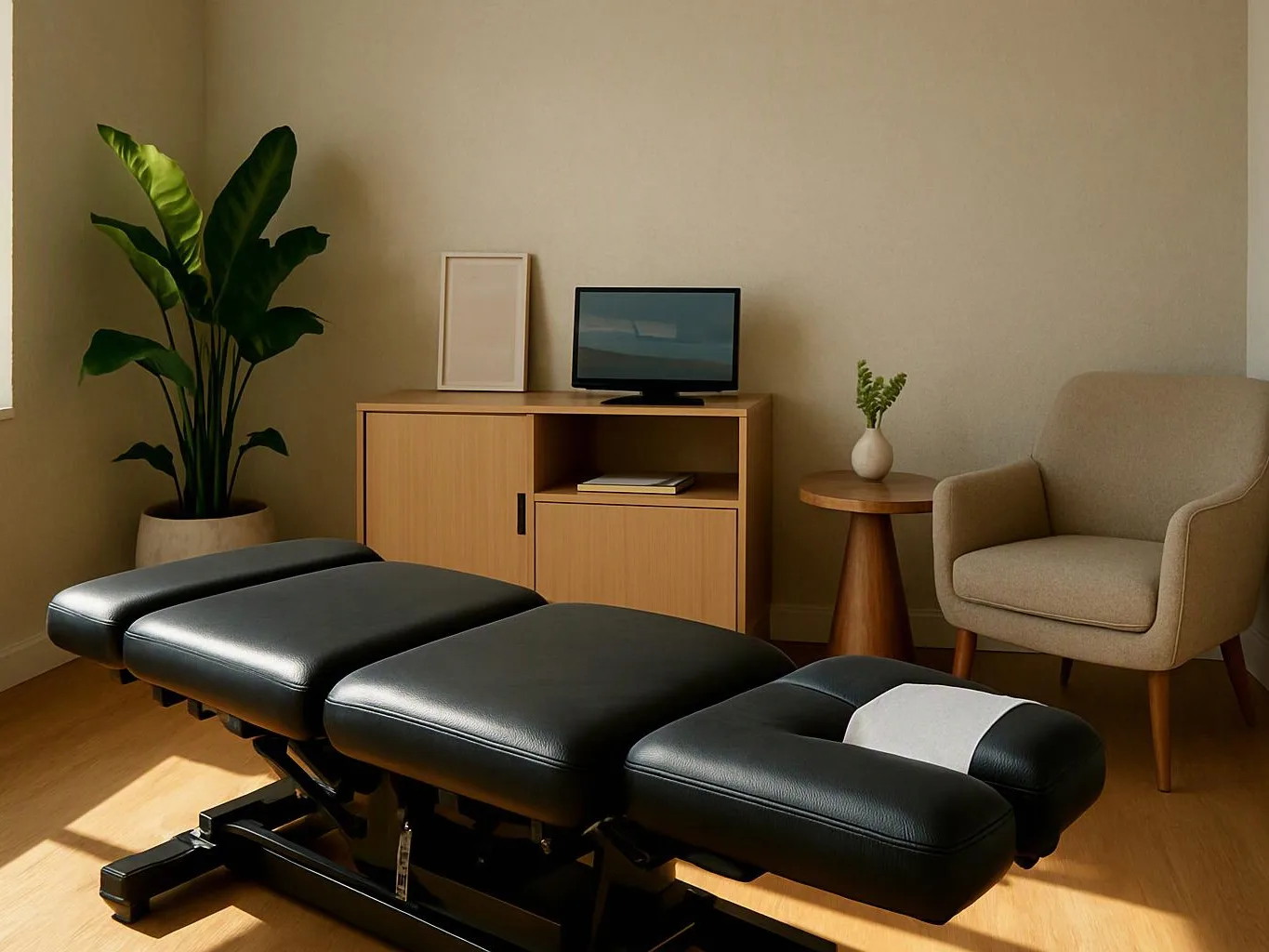
A black padded adjustment table sits in a bright room with a chair, plant, cabinet, and small TV aside

ZIP Codes We Serve in La Vergne, Tennessee

3708637089

The health and wellness information on this website is for general informational purposes only and is not medical advice. It does not create a provider-patient relationship. Always consult a qualified licensed provider in Brentwood, Tennessee, United States about your specific condition before making care decisions. Individual results vary.

(615) 265-0412