
Skip to content

Whiplash Injury Treatment in Thompson's Station, Tennessee

Headaches after a crash can make daily tasks harder in Thompson's Station. We assess the neck and related movement before building care around your symptoms.

Upfront, Transparent PricingServing 18 CommunitiesMon-Fri: 9 am–7 pm, Sat: 9 am–2 pm, Sun: ClosedFast Scheduling

Quick Summary: Whiplash Care in Thompson's Station, Tennessee

Whiplash care in Thompson's Station is provided by Advanced Injury Care Clinic for crash-related neck strain, headaches, dizziness, and shoulder stiffness. Our chiropractic care includes an exam, movement checks, spinal adjustments, soft-tissue techniques, and corrective exercises.

  • What we do: Advanced Injury Care Clinic provides Whiplash Injury Treatment for people in Thompson's Station, Tennessee, after automobile accidents and related strain.
  • What is included: Health history and exams, spinal adjustments, soft-tissue therapy, corrective exercises, therapeutic modalities, and recovery guidance.
  • What you get: The patient receives a personalized treatment plan that supports comfort, mobility, and a safer return to daily activity.

When should I seek care for headaches after whiplash?

Headaches after whiplash deserve prompt assessment, especially when they continue, worsen, or occur with dizziness, neck pain, or trouble with normal activity. Early evaluation helps us check movement, tenderness, and related symptoms. Severe or sudden symptoms need urgent medical attention.

Whiplash Injury Treatment in Thompson's Station

Whiplash injury treatment is for people whose neck and upper-body symptoms began after a sudden impact. The key decision is whether symptoms need a focused injury assessment, and we answer that through a health history, physical exam, and movement checks.

A crash can affect more than the neck. Headaches, shoulder stiffness, dizziness, and reduced mobility can shape the care plan. Our team looks at the full pattern instead of choosing an adjustment without first understanding the complaint.

The service is available in Thompson's Station through Advanced Injury Care Clinic, which also serves Williamson County and nearby Nashville-area communities. The right next step is an assessment that clarifies whether chiropractic care fits the symptoms or whether another medical evaluation is needed.

  • Note when symptoms began and whether they followed an automobile accident.
  • Bring accident details, current symptoms, and any records you already have.
  • Tell us about dizziness, changes in movement, headaches, neck pain, or shoulder stiffness.
  • Ask how the exam findings shape the personalized treatment plan.
An older woman stretches on a mat while a man watches beside her in a quiet therapy room

Service Overview

Whiplash injury treatment is a form of chiropractic care that assesses and treats neck strain after sudden movement.

  • It differs from general wellness care because the visit focuses on accident-related symptoms, movement limits, and recovery needs.
  • Advanced Injury Care Clinic provides this care for patients in Thompson's Station and nearby Williamson County communities.

What This Care Can Help You Work Toward

A focused exam helps connect your symptoms with the movement limits found during your visit.

Corrective exercises give you practical ways to support neck and shoulder mobility between appointments.

Soft-tissue therapy may help improve comfort in areas affected by strain.

Clear guidance helps you understand which activities fit your current recovery plan.

Care close to home gives patients in Thompson's Station access to injury-focused chiropractic visits.

What Your Whiplash Care Visit Includes

Advanced Injury Care Clinic provides comprehensive Whiplash Injury Treatment in Thompson's Station. Here's what you get:

  • We review your health history and the events surrounding the injury.
  • We examine neck movement, tenderness, posture, and related mobility concerns.
  • We use spinal adjustments when they fit the findings and your treatment plan.
  • We may include soft-tissue techniques and therapeutic modalities for affected areas.
  • We teach corrective exercises and practical steps that support daily movement.
  • We explain your options and check progress as your care continues.
Process

How We Assess and Treat Whiplash

1

Review the accident and symptoms

We begin with a new patient intake and health history. You describe the impact, symptom onset, daily limits, and any care already received.

2

Check movement and tenderness

We examine neck movement, posture, tenderness, and related shoulder or upper-back concerns. We consider X-rays if clinically indicated.

3

Explain the findings

We discuss the report of findings in plain language. You learn which symptoms the exam can address and which concerns need another medical evaluation.

4

Build the care plan

A personalized treatment plan may include spinal adjustments, soft-tissue techniques, therapeutic modalities, or corrective exercises.

5

Review progress and next steps

We check how movement and comfort change during care. Follow-up guidance helps you understand the next part of your recovery plan.

How We Approach Whiplash Care

Start with the symptom pattern

The first decision is whether the symptoms fit a chiropractic assessment. We review the accident, examine movement, and ask about headaches, neck pain, dizziness, and shoulder stiffness before selecting care.

Match treatment to findings

A personalized treatment plan may combine spinal adjustments, soft-tissue therapy, therapeutic modalities, and corrective exercises. We explain why each part fits the findings from your exam.

Know when another evaluation fits

Chiropractic care is not the right first step for every symptom. Severe or sudden symptoms, major changes in balance, or other urgent concerns need medical attention before routine injury care.

The scope this service is meant to handle

A person may notice neck pain or headaches after an accident but feel unsure whether the symptoms will pass. We check the health history, movement, tenderness, and related signs before discussing a care plan. That assessment helps separate a routine chiropractic visit from symptoms that need urgent medical attention.

Which Care Option Fits the Next Step?

This comparison shows how the next step changes with the symptom pattern.

Symptom patternFirst considerationWhat we check
Mild neck stiffness after an accidentChiropractic assessmentMovement, tenderness, and daily activity limits
Dizziness or balance changesMedical evaluation may come firstOnset, severity, balance, and related symptoms
Persistent shoulder stiffnessFocused injury assessmentNeck, shoulder, posture, and upper-back movement

The Advanced Injury Care Clinic Standard

  • Individualized Care
  • Thorough Assessments
  • Clear Communication
  • Comfortable Techniques

Questions About Whiplash Care

How soon should I seek care for headaches after whiplash?

Advanced Injury Care Clinic recommends prompt assessment for headaches after whiplash, especially when they persist or worsen. We ask about symptom onset, neck movement, dizziness, and daily activity. Severe or sudden symptoms need urgent medical attention. A chiropractic visit fits after the assessment supports that choice.

What should I bring before my first appointment?

Accident details, health records, and a list of current symptoms help prepare for the first appointment. Bring information about when symptoms began and what movements affect them. Our new patient intake then guides the health history and exam.

Which symptoms should change the urgency of care?

Severe or sudden symptoms should change the urgency and require medical attention. Dizziness, balance changes, worsening pain, or major limits on normal activity also deserve prompt discussion. We screen these concerns during the history and explain whether chiropractic care fits.

Why might an X-ray be considered after a collision?

X-rays may be considered when the clinical exam shows a reason to review the spine more closely. The decision comes from the health history and physical findings, not from every whiplash complaint. We explain the reason for any recommended imaging before treatment planning.

What should I ask before agreeing to care?

Ask which exam findings support the proposed care and what each treatment step is meant to address. You can also ask how progress will be checked and when another medical opinion would be appropriate. We explain spinal adjustments, soft-tissue therapy, exercises, and other options in plain language.

How do spinal adjustments differ from corrective exercises?

Spinal adjustments address selected joint movement, while corrective exercises help you practice controlled movement between visits. We may use both when the exam supports them. The plan also considers comfort, mobility, daily activity, and how symptoms change during care.

Who provides whiplash injury care in Thompson's Station?

Advanced Injury Care Clinic provides whiplash injury care in Thompson's Station and surrounding Williamson County communities. Our team performs the intake and exam, explains the findings, and develops care around accident-related neck pain, headaches, dizziness, and shoulder stiffness.
Contact

Discuss Whiplash Care in Thompson's Station

Contact Advanced Injury Care Clinic to discuss symptoms after an accident. During the first days after reaching out, we can arrange a consultation, review your concerns, and explain what the assessment may cover.

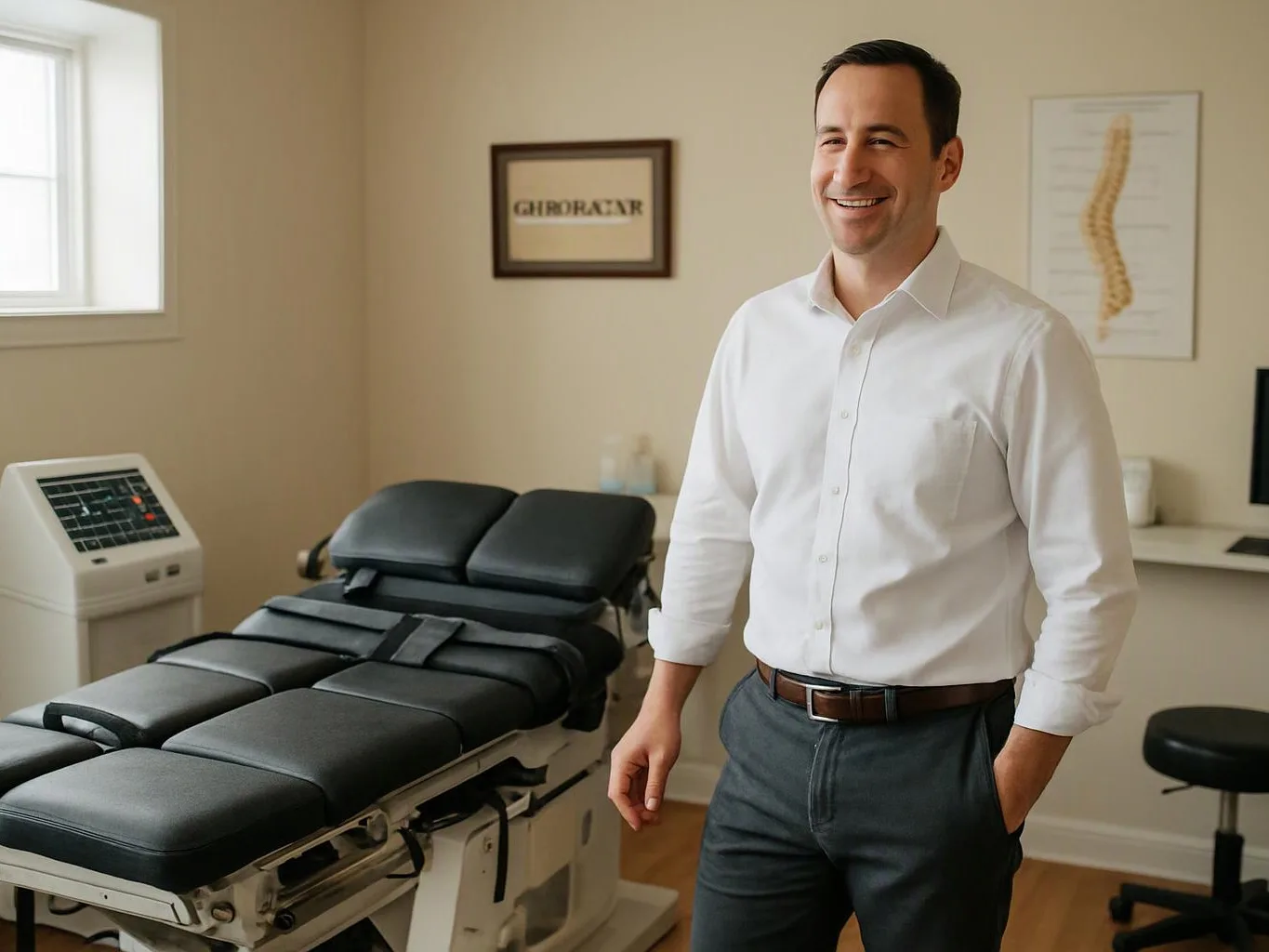
A smiling man stands beside a padded treatment table in a small clinic room

Whiplash Injury Treatment in Other Areas

The health and wellness information on this website is for general informational purposes only and is not medical advice. It does not create a provider-patient relationship. Always consult a qualified licensed provider in Brentwood, Tennessee, United States about your specific condition before making care decisions. Individual results vary.

(615) 265-0412