
What Is Muscle Imbalance?
Muscle imbalance is a difference in strength, flexibility, endurance, or control between muscles that support the same joint or movement. The difference may affect posture, movement quality, and load distribution. It can involve opposing muscles, such as the front and back of the thigh, or muscles on opposite sides of the body.
Quick Facts About Muscle Imbalance
Category
Movement and muscle function
Used for
Exercise planning and movement assessment
Common confusion
A muscle spasm is a sudden involuntary contraction
Also called
Muscular imbalance, Muscle imbalance pattern
Often discussed with
Corrective Exercise Therapy, Chiropractic Rehabilitation
Key Takeaways About Muscle Imbalance
- Uneven strength or flexibility can affect coordinated movement.
- Exercise plans address movement patterns, not isolated muscles alone.
- Muscle imbalance is not the same as a muscle spasm.
How Muscle Imbalance Works
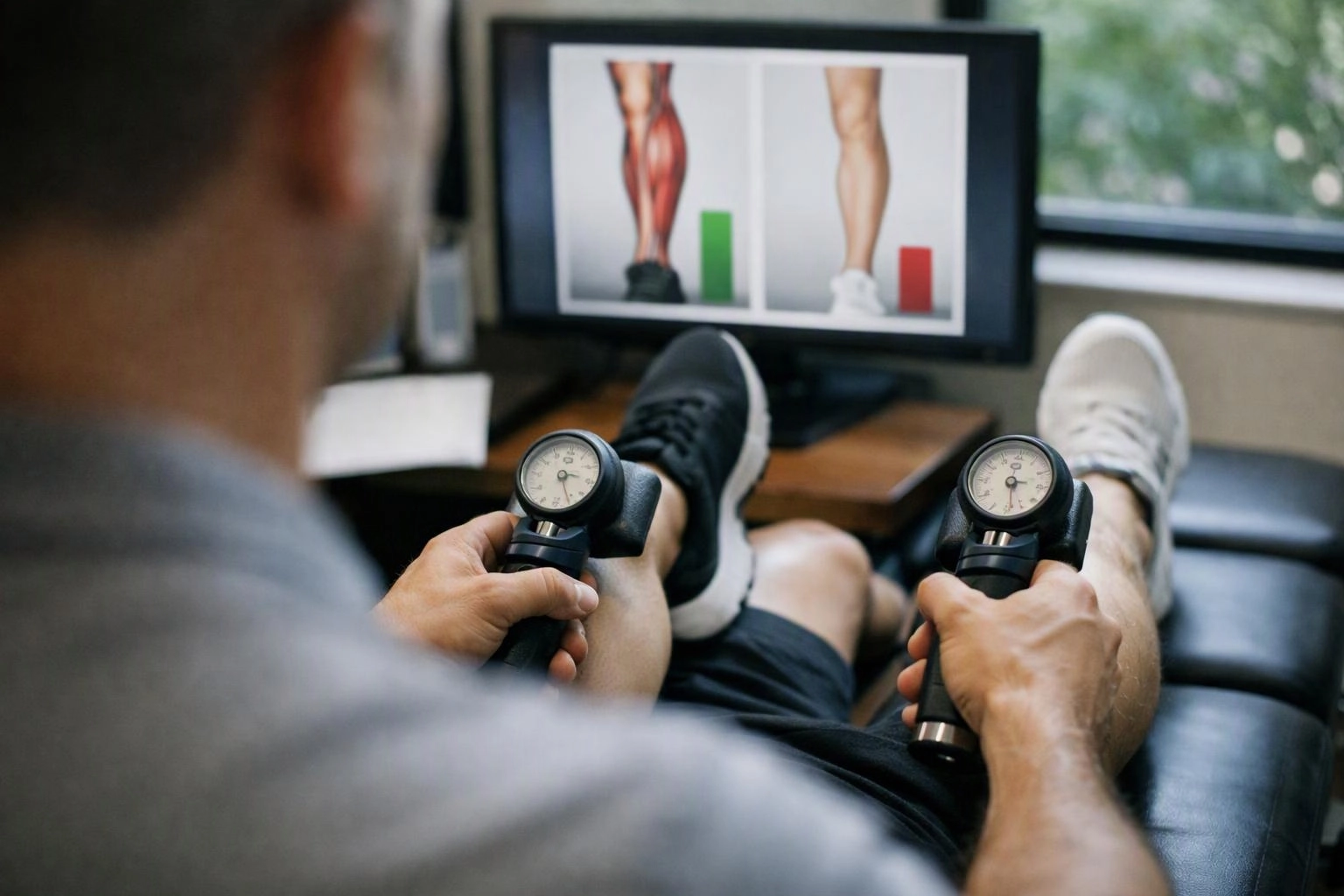
Muscle imbalance affects how muscles share work during a movement. One muscle may produce less force, tire sooner, or have limited flexibility. Another muscle may take on extra work, which can change the position of a joint or the path of a movement.
Related glossary terms: Biomechanics, Core Stability, Gait Analysis.
Assessment may compare movement on both sides of the body, observe posture, and check how a person performs a task. Corrective Exercise Therapy uses that information to select exercises that improve strength, mobility, control, or endurance. Progress is judged by movement quality and the person’s ability to perform the exercise with steady control. The goal is to match the exercise to the movement pattern that needs attention.
From the Advanced Injury Care Clinic team
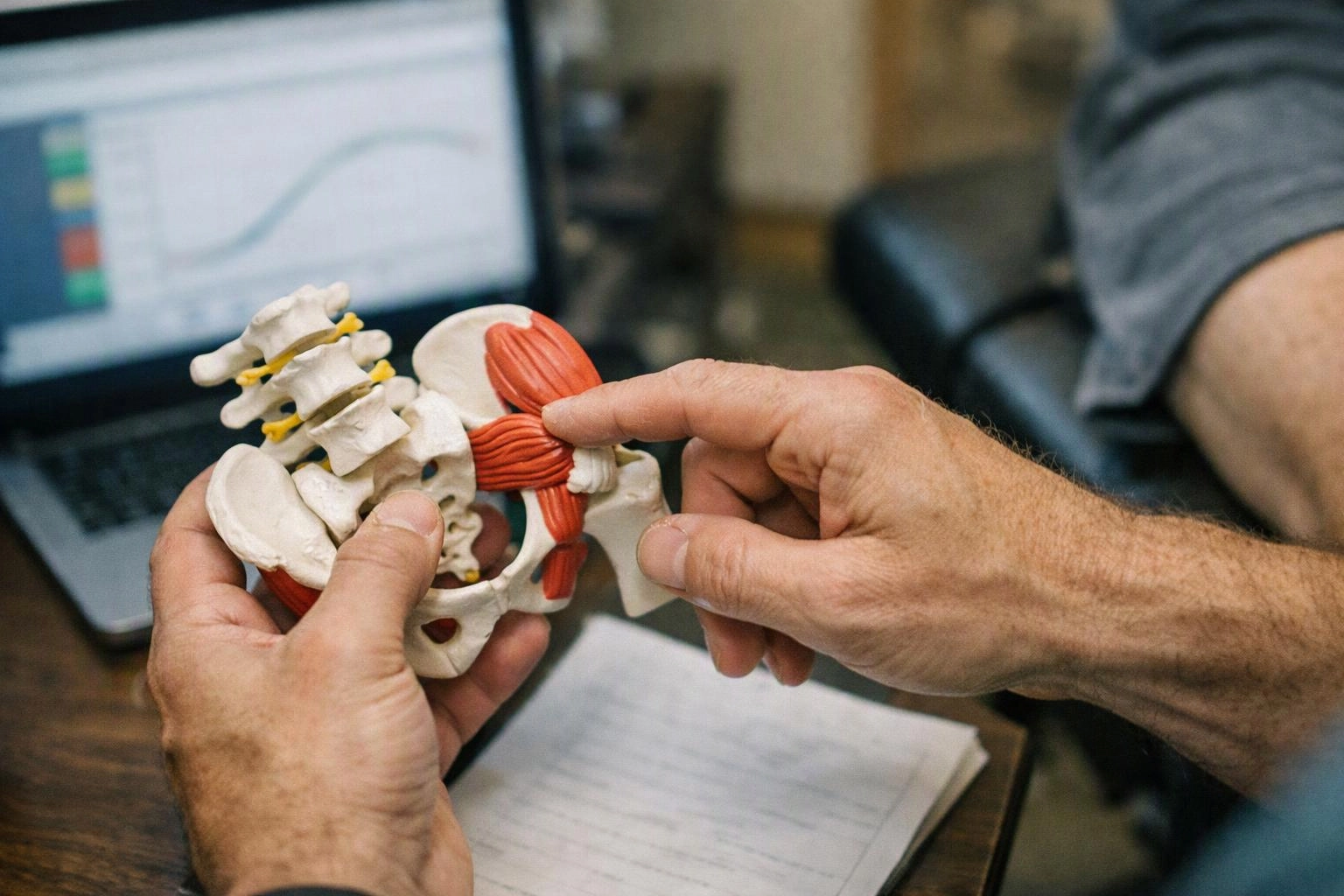
When we assess muscle imbalance, we observe posture and movement during relevant exercises. We also compare control and tolerance between sides when that comparison helps explain the movement pattern. Our team uses those findings to guide corrective exercise selection and adjust the exercise as control improves.
Muscle Imbalance in Practice: A Real-World Example
A person may shift weight onto one leg during a squat because the opposite hip and thigh do not control the movement well. Corrective Exercise Therapy may focus on controlled strengthening and mobility work that supports a more even squat pattern.
Related Terms
Biomechanics
Biomechanics is the study of how living bodies move and respond to force. It examines the…
Core Stability
Core Stability is the ability to control the trunk and pelvis while the body moves or…
Gait Analysis
Gait Analysis is a structured assessment of how you walk or run. It examines foot placement…
Posture Assessment
Posture Assessment is a structured review of how your body aligns and moves during standing, sitting…
Advanced Injury Care Clinic
Have Questions About Muscle Imbalance?
Contact Advanced Injury Care Clinic for practical guidance on Muscle Imbalance and related chiropractor work in Brentwood.